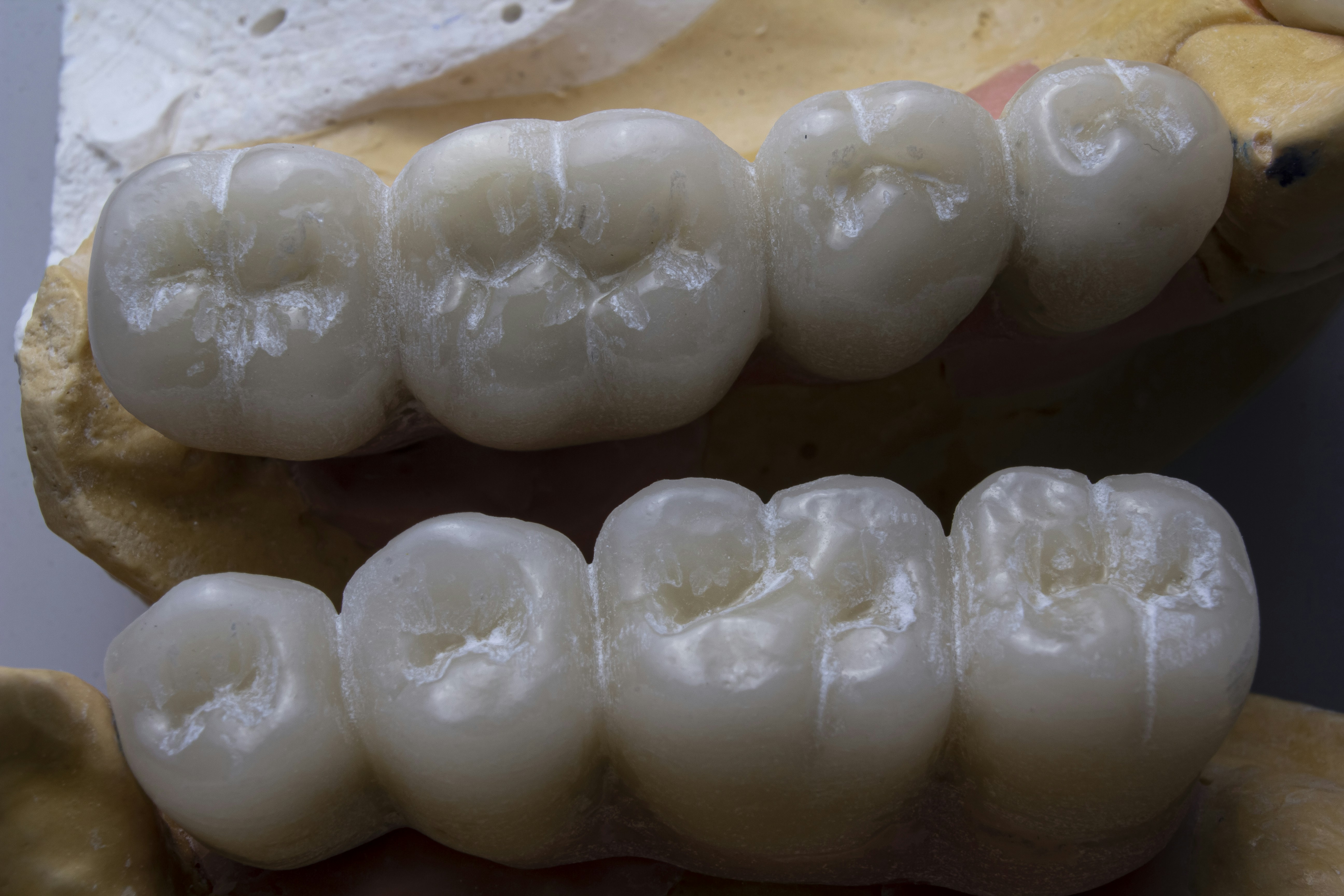
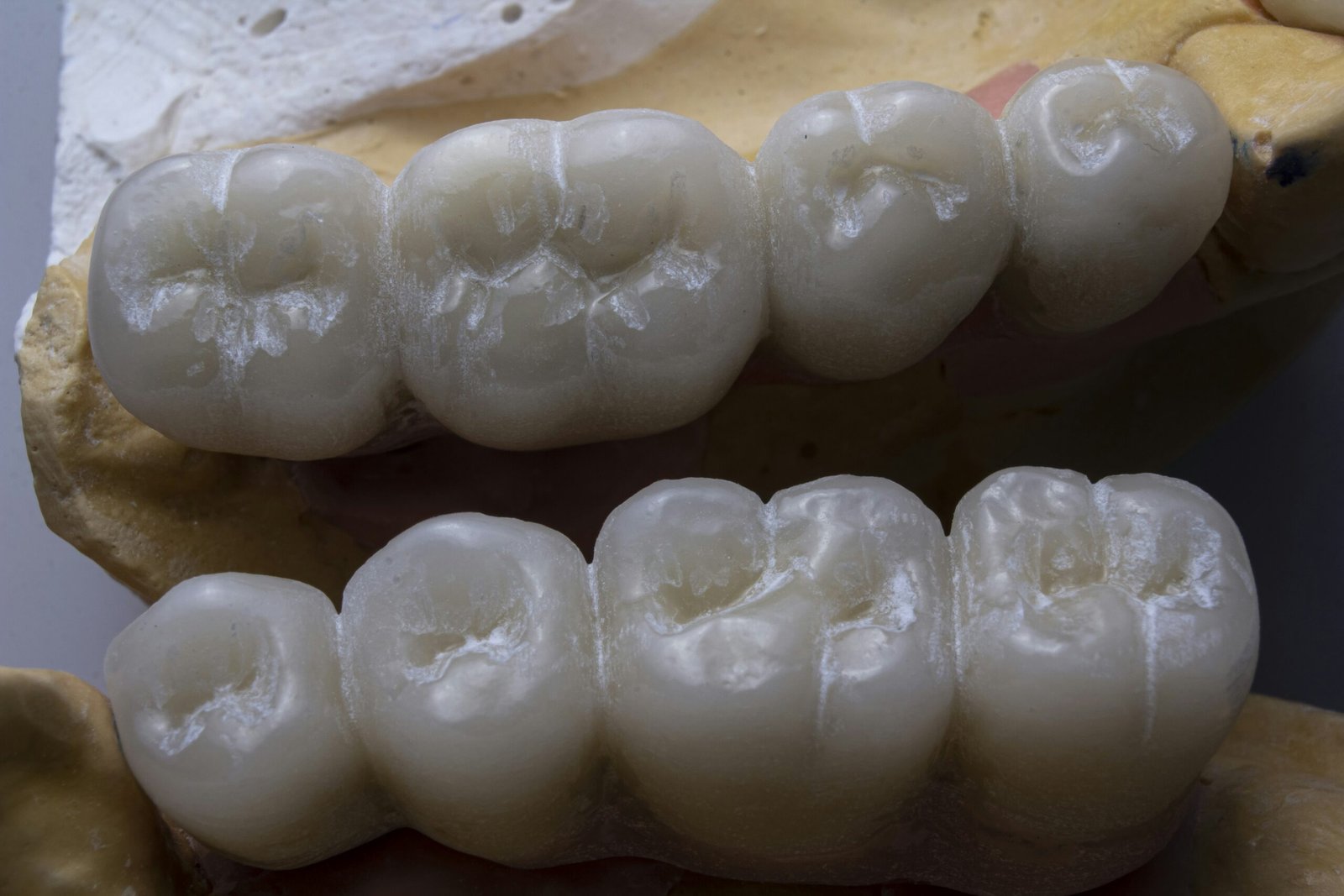
Introduction to Layered Zirconia Bridges
Layered zirconia bridges represent a significant advancement in the realm of dental aesthetics, offering both functional and aesthetic benefits compared to traditional dental bridges. Comprising a durable framework of zirconia, a biocompatible ceramic material, these bridges are layered with porcelain to achieve an optimal match to the patient’s natural teeth. This innovative approach not only enhances the strength and longevity of the restoration but also mimics the translucency and color variability of natural dental enamel.
Traditional dental bridges often rely on metal frameworks, which, while strong, can detract from the overall aesthetic appearance of a patient’s smile. In contrast, layered zirconia bridges eliminate the visibility of metal, allowing for a more lifelike and aesthetically pleasing result. This has made them a popular choice among dental professionals who prioritize both functionality and cosmetic outcomes for their patients.
As dental technology advances, the demand for aesthetic solutions that exhibit natural appearance continues to grow. Layered zirconia bridges have gained substantial popularity not only for their ability to replicate the nuances of real teeth but also for their resistance to staining and wear. Patients increasingly opt for these bridges as they provide a superior aesthetic outcome, enhancing both confidence and satisfaction with cosmetic dental work.
Furthermore, the customizability of layered zirconia bridges in terms of shape, shade, and translucency allows dental practitioners to create highly personalized restorations that align seamlessly with the patient’s oral aesthetics. With the rising trend towards minimally invasive dentistry and enhanced aesthetic focus, layered zirconia bridges are poised to become the optimal choice for individuals seeking durable and attractive restoration options.
The Importance of Aesthetics in Dental Restorations
Aesthetics play a critical role in dental restorations, particularly when it comes to front teeth, which are highly visible. The desire for a beautiful smile transcends mere functionality; it encompasses feelings of self-esteem and confidence. When individuals focus on their oral appearance, they often aim for restorations that blend seamlessly with their natural teeth while not compromising on structural integrity.
In many cases, front teeth are associated with first impressions. An attractive smile can significantly enhance an individual’s confidence, creating a positive influence on personal and professional interactions. Dental restorations that prioritize aesthetics contribute to a comprehensive approach to oral health, as they aim to restore not just the function, but also the visual appeal of one’s teeth.
Realistic restorations are paramount for achieving a natural look that instills satisfaction in patients. Layered zirconia bridges exemplify how contemporary dental technologies can mimic the translucency and shade variations of natural dentition. The intrinsic properties of zirconia allow for an aesthetic outcome that closely resembles the natural appearance of teeth, balancing beauty with durability. Furthermore, these restorations resist staining and are typically biocompatible, making them suitable for long-term use without compromising both health and appearance.
In summary, the significance of aesthetics in dental restorations, especially for the anterior teeth, cannot be overstated. Quality restorations not only enhance the smile but also bolster self-confidence, leading patients to engage more freely in social situations. Ultimately, choosing dental solutions that prioritize both form and function can have lasting impacts on an individual’s overall well-being.
How Layered Zirconia Bridges Work
Layered zirconia bridges are a remarkable advancement in dentistry, particularly in their design and aesthetic functionality. These bridges are created through a sophisticated manufacturing process, which involves the layering of different materials to achieve a natural appearance that closely mimics real teeth. The foundation is made from zirconia, a biocompatible ceramic known for its strength and durability. This foundation provides the necessary framework to which aesthetic layers are added.
The design process for layered zirconia bridges begins with digital impressions of the patient’s dental arch, often using advanced 3D scanning technology. This step ensures that the bridge fits precisely in the patient’s mouth. Utilizing computer-aided design (CAD) software, dental technicians develop the blueprint for the bridge, allowing for precise customization. One of the essential aspects of this process is the use of multiple layers that replicate the natural translucency of enamel and the underlying dentin.
Layering techniques play a crucial role in mimicking the subtle color variations seen in natural teeth. Typically, a translucent ceramic layer is applied over the zirconia framework to replicate the light-reflecting qualities of enamel. This top layer may include various shades and tints, thereby allowing technicians to customize the bridge according to the patient’s specific color preferences and the existing dentition. Additionally, glazing techniques can be employed to enhance the surface finish, further contributing to a lifelike appearance.
The final product not only offers exceptional aesthetic benefits but also combines durability with biocompatibility, making layered zirconia bridges an optimal choice for both functionality and appearance in modern dental solutions. As a result, these bridges provide patients with an improved smile while ensuring long-lasting performance.
Benefits of Using Layered Zirconia for Aesthetic Dentistry
Layered zirconia has emerged as a premier choice in aesthetic dentistry due to its numerous advantages that cater to both functionality and visual appeal. One of the most notable benefits of this material is its durability. Layered zirconia boasts remarkable strength, making it less prone to fracture compared to other materials traditionally used in dental restorations. This durability ensures that patients can enjoy their restorations for an extended period, minimizing the need for replacements or repairs.
In addition to its strength, layered zirconia is highly resistant to staining. Unlike other materials that may discolor over time due to exposure to food and beverages, layered zirconia maintains its color integrity, providing a long-lasting aesthetic solution. Patients can have greater confidence in their restorations, knowing that they will not compromise on appearance, which is particularly important in visible areas of the mouth.
Another significant advantage of layered zirconia is its versatility in color matching. This material can be customized to closely match the natural color of a patient’s teeth, allowing for seamless integration into their smile. The ability to meticulously adjust the shade of layered zirconia enhances the overall cosmetic outcome, making it an excellent choice for both full-arch restorations and single-unit crowns.
Moreover, layered zirconia excels in its natural light reflection qualities. This characteristic allows the material to mimic the translucency found in natural teeth, contributing to a more lifelike appearance. The interplay between light and the unique layered structure of zirconia provides an aesthetic appeal that can significantly enhance a patient’s smile.
Comparing Layered Zirconia Bridges to Other Dental Options
In the realm of dental restoration, the choice of materials plays a pivotal role in both aesthetics and functionality. Layered zirconia bridges, known for their superior aesthetic qualities, are often compared to traditional porcelain and metal bridges, each option carrying distinct advantages and disadvantages.
One of the significant advantages of layered zirconia bridges is their natural appearance. The translucency of zirconia closely mimics that of natural teeth, making it an aesthetically pleasing choice for anterior restorations. Unlike traditional porcelain bridges, which may require more extensive tooth reduction and can be prone to chipping, layered zirconia provides enhanced durability without compromising on visual appeal. The strength of zirconia ensures that it can withstand considerable chewing forces, enhancing its functional longevity.
On the other hand, traditional porcelain bridges often fall short in terms of durability compared to their zirconia counterparts. While they may initially offer aesthetic advantages due to their lifelike finish, they can fracture more easily under stress. Additionally, metal bridges, while strong and durable, often lack the aesthetic quality achieved by layered zirconia. Metal frameworks can create a greyish tint at the gum line, detracting from the overall appearance.
However, it is important to recognize a few downsides of layered zirconia bridges. They typically come at a higher cost than traditional options, which may be a concern for some patients. Additionally, the bonding techniques and laboratory work required can take longer, necessitating more appointments for some patients.
Ultimately, while layered zirconia bridges present an exceptional blend of aesthetics and durability, the choice between them and other dental restoration options should be made based on individual needs, preferences, and budget considerations. Each material has its own set of merits, making a thorough evaluation essential for optimal results.
Patient Considerations for Choosing Layered Zirconia Bridges
When considering layered zirconia bridges, patients should evaluate several key factors to ensure they make an informed decision. One of the foremost considerations is the existing dental health. A thorough evaluation of one’s oral hygiene and the condition of surrounding teeth is essential. Patients with compromised dental health, such as those suffering from periodontal disease or severe decay, may need to address these issues before proceeding with any restorative dental options, including bridges.
Another critical aspect is the patient’s budget. Layered zirconia bridges, while known for their aesthetic appeal and durability, can represent a significant financial investment. It is advisable to discuss financing options, insurance coverage, and potential costs with a dental professional. Understanding the total cost of treatment, as well as maintenance and potential future repairs, can help patients align their choices with their financial situation.
Aesthetic goals are equally important when opting for layered zirconia bridges. These bridges offer a natural appearance, closely resembling natural teeth in color and translucency. Patients should reflect on their expectations regarding the final look of their smile. Discussing these aesthetic goals with their dentist can lead to tailored solutions that meet individual desires, ensuring satisfaction with the end result.
Moreover, consulting with dental professionals is crucial before making a decision. Experienced providers can furnish valuable insights and recommendations tailored to a patient’s unique dental circumstances. Engaging in an open dialogue about the benefits and potential drawbacks of layered zirconia bridges will empower patients to make well-informed choices regarding their dental restoration options.
Maintenance and Care for Layered Zirconia Bridges
Layered zirconia bridges are widely recognized for their aesthetic appeal and durability, making them a popular choice in restorative dentistry. However, to preserve their appearance and longevity, consistent maintenance and care are essential. Proper oral hygiene practices are the cornerstone of maintaining these dental restorations.
Daily oral hygiene should include brushing at least twice a day with a soft-bristled toothbrush and a non-abrasive fluoride toothpaste. Special attention must be paid to the areas surrounding the zirconia bridge, as plaque accumulation can lead to complications such as gum disease. Additionally, integrating the use of dental floss to clean between teeth and around the bridge is crucial, as this helps to dislodge food particles and bacteria that a toothbrush may miss.
Moreover, a dentist may recommend specific aids, such as interdental brushes or water flossers, to enhance cleaning effectiveness and accessibility, particularly around the bridge. Regular rinsing with an antimicrobial mouthwash can also aid in the prevention of oral diseases.
In addition to daily hygiene, scheduling regular dental check-ups is vital for the ongoing health of your layered zirconia bridge. During these appointments, your dentist can assess the condition of the bridge, check for any signs of wear, and professionally clean the areas surrounding the restoration. These visits will not only ensure the longevity of the bridge but will also allow for the timely identification and management of any potential issues.
Follow-up care is equally important; patients should be vigilant for any changes in aesthetics or comfort related to their zirconia bridges. If any discomfort occurs or if there are visible signs of wear or discoloration, seeking immediate dental care is advisable. Such proactive measures will help in preserving the beautiful appearance and functionality of your layered zirconia bridges for years to come.
Patient Testimonials and Case Studies
Layered zirconia bridges have gained acclaim for their remarkable aesthetics and durability, leading many patients to share transformative experiences following their placement. For instance, one patient reported a significant boost in confidence after receiving a layered zirconia bridge, which closely resembled their natural teeth. This patient noted that the bridge’s lifelike appearance not only improved their smile but also allowed them to engage more freely in social settings. Their testimonial underscores the bridge’s capacity to enhance not just dental health but overall quality of life as well.
Another compelling case study involves a middle-aged individual who had struggled with dental issues for years. After opting for a layered zirconia bridge, they expressed immense satisfaction with the procedure’s outcome. “I wish I had made this choice earlier,” they shared. This patient highlighted the bridge’s functionality, noting that it restored their ability to eat a variety of foods, which had been a source of frustration previously. Their experience illustrates how layered zirconia bridges can significantly impact daily activities and overall well-being.
Moreover, a comprehensive clinical analysis examined a group of patients who underwent the layered zirconia bridge procedure. Satisfaction rates were recorded, revealing that approximately 95% of participants felt highly satisfied with their restoration. Many cited aesthetic improvements and comfort as standout features. As part of their follow-up, patients reported that the bridges blended seamlessly with their existing teeth, thus meeting their expectations regarding natural appearance.
As these testimonials and case studies indicate, the layered zirconia bridge offers not only a solution to dental restoration but also represents a pivotal enhancement to individual lives. The emphasis on aesthetics, combined with functionality and durability, makes these bridges a preferred choice for many seeking to restore their dental health and confidence.
Conclusion: The Future of Dental Aesthetics with Layered Zirconia Bridges
Layered zirconia bridges represent a significant advancement in the field of aesthetic dentistry, combining strength with a high degree of natural-looking aesthetics. These restorations not only offer exceptional durability and biocompatibility but also mimic the translucency and color of natural teeth, making them an ideal choice for patients seeking a flawless smile. The ability to customize these bridges to match the surrounding dental structure further reinforces their appeal, ensuring that patients can achieve a radiant appearance without compromising on functionality.
Looking ahead, the future of dental aesthetics is poised for exciting developments, particularly with the ongoing research and innovation in zirconia materials. As dental technology evolves, it is likely we will see the introduction of even more advanced techniques that enable practitioners to create even more lifelike and personalized dental restorations. Emerging technologies, such as digital dentistry and 3D printing, are also making significant inroads into the fabrication process of zirconia bridges. These advancements not only enhance precision but also improve efficiency, allowing for quicker turnaround times while maintaining superior quality.
Moreover, the healthcare community is increasingly recognizing the importance of patient-centered care in aesthetic dentistry. The emphasis on individualized treatment plans and improved communication between dental professionals and patients leads to enhanced satisfaction and outcomes. As understanding of dental materials like layered zirconia increases, more patients will be informed about their options and the benefits associated with these superior restoration methods.
In conclusion, layered zirconia bridges are not just a feasible choice for immediate aesthetic needs but symbolize a significant step forward in dental restoration practices. Their blend of aesthetic appeal and practical durability paves the way for a future where beautiful smiles can be achieved with optimum quality and comfort.