Introduction to Zirconia Bridge vs PFM
Dental bridges serve as an essential solution in the field of restorative dentistry. They are utilized to replace one or more missing teeth, effectively helping individuals regain functionality and confidence in their smiles. By bridging the gap created by absent teeth, these dental appliances aid in restoring not just aesthetic appearance but also the bite and alignment of the remaining teeth. The presence of dental bridges plays a critical role in maintaining oral health, as gaps can lead to further dental complications if left unaddressed.
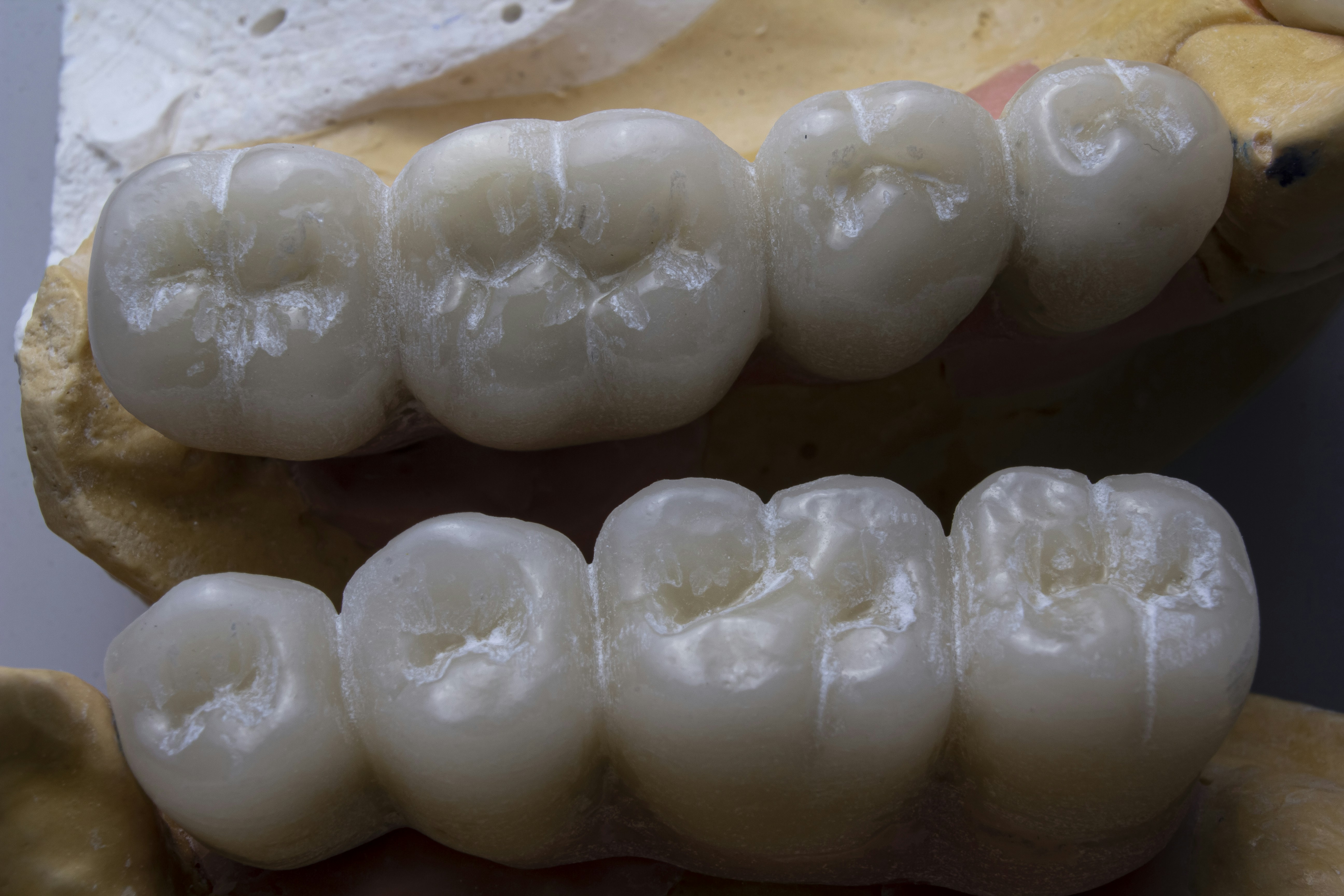
There are various types of dental bridges, among which zirconia and porcelain-fused-to-metal (PFM) bridges are the most prevalent. Zirconia bridges are crafted from a highly durable and aesthetic material known for its strength and biocompatibility. This makes them particularly appealing for dental restorations aimed at achieving a natural look while ensuring resistance against wear and fracture. The inherent translucency of zirconia closely mimics the appearance of natural teeth, making it a preferred choice among dentists and patients alike.
On the other hand, PFM bridges utilize a metal framework covered by porcelain. While they offer good durability and a more traditional option in restorative dentistry, aesthetic concerns often arise due to the metallic nature of the underlying structure, which can be visible, especially in cases where gum recession occurs. Additionally, PFM bridges may cause wear to adjacent teeth over time, which is a factor for dentists when considering the most appropriate material for their patients.
Both zirconia and PFM bridges aim to restore the function and appearance of teeth, yet modern advancements have inclined dental professionals towards the adoption of zirconia for its enhanced aesthetic and health benefits. Thus, understanding the nuances between these types of bridges is crucial for informed decision-making in dental care.
Understanding Zirconia Bridges
Zirconia bridges, a modern innovation in dental prosthetics, are fabricated from zirconium dioxide, a high-performance ceramic that offers superior attributes compared to traditional materials. The composition of zirconia provides exceptional strength and resilience, enabling these bridges to withstand significant chewing forces while maintaining their structural integrity. This property is particularly advantageous for patients requiring long-term dental restorations.
One of the standout features of zirconia is its aesthetic appeal. Unlike metal-based restorations, zirconia bridges possess a translucent quality that closely mimics natural tooth enamel. This is particularly beneficial for anterior restorations where appearance is paramount. The material can be easily color-matched to surrounding teeth, ensuring a seamless integration that enhances overall smile aesthetics. Additionally, zirconia’s lack of metal framework eliminates the risk of grey discoloration that can occur at the gum line, a common issue with porcelain-fused-to-metal (PFM) bridges.
From a health perspective, zirconia is biocompatible, which means it is less likely to provoke allergic reactions or adverse reactions in the oral cavity. It does not conduct heat or cold, minimizing sensitivity issues often associated with metal restorations. Furthermore, zirconia is known for its resistance to plaque accumulation and reduces the risk of periodontal disease, setting it apart from traditional materials that may contribute to oral health complications.
In comparison to PFM bridges, zirconia offers greater durability and lower wear on adjacent teeth. PFM materials can lead to increased abrasion due to their metallic components, while zirconia has been shown to have a smoother surface that reduces wear. Collectively, these factors underscore the growing preference among modern dentists for zirconia bridges, highlighting their significant aesthetic and health benefits in contemporary dentistry.
PFM Bridges: A Brief Overview
Porcelain-fused-to-metal (PFM) bridges represent a compelling dental solution that has been widely utilized for decades. This type of dental restoration combines both the strength of metal and the aesthetics of porcelain, aiming to provide patients with a reliable and visually appealing option for tooth replacement. The construction of PFM bridges involves a metal framework which is then covered by porcelain, allowing for a natural appearance while still ensuring durability.
One of the primary advantages of PFM bridges is their capacity to withstand significant biting forces, making them suitable for both anterior and posterior tooth replacement. The ability to color-match the porcelain to the surrounding teeth has also contributed to their popularity among dental professionals and patients alike. Previously, they were deemed the gold standard in restorative dentistry for those seeking a balance between function and aesthetics.
However, as dentistry has progressed, several disadvantages of PFM bridges have come to light. One notable concern is metal visibility at the gum line, especially as gums recede over time; this can lead to an unsightly dark line that diminishes the overall aesthetic. Additionally, the metal framework may cause issues for patients with metal allergies or sensitivities. Furthermore, PFM bridges can be prone to chipping and fracturing of the porcelain, which may necessitate repairs or replacements overtime.
Moreover, the bonding between the porcelain and the metal can fail under stress, leading to further complications. These limitations have prompted modern dentists to explore alternative materials, such as zirconia, which offer enhanced aesthetic benefits and improved biocompatibility. As dental technology evolves, the shift away from PFM bridges highlights the need for more patient-centered solutions that address both functional and aesthetic requirements.
Comparative Analysis: Zirconia vs PFM Bridges
In evaluating the various dental bridge options available, zirconia (Zirconium dioxide) and porcelain-fused-to-metal (PFM) bridges are two commonly used materials. Each material possesses unique characteristics that influence their suitability for individual cases. This analysis will focus on four primary categories: strength, aesthetics, biocompatibility, and longevity.
Strength is a critical criterion when considering dental restorations. Zirconia bridges have a high flexural strength, making them more resistant to fracture under chewing forces, with values often exceeding 900 MPa. This strength is beneficial, particularly in posterior teeth where bite forces are significantly greater. In contrast, PFM bridges, while also strong, may have susceptibility to chipping of the porcelain component, especially in the posterior region.
Aesthetics play a vital role in the choice of materials for dental bridges. Zirconia has gained popularity due to its superior translucency, mimicking the natural appearance of teeth. Studies indicate that patients prefer zirconia’s esthetic outcome over PFM’s, particularly in visible areas. PFM bridges, while favorable in strength, can sometimes reflect the underlying metal, leading to less-than-ideal outcomes in aesthetic zones.
When addressing biocompatibility, zirconia stands out as a metal-free option, greatly reducing the risk of allergic reactions or sensitivities commonly associated with metal components found in PFM bridges. Studies have shown that zirconia has a favorable tissue response, indicating higher compatibility with the human body.
In terms of longevity, research indicates that zirconia bridges tend to have a longer lifespan compared to PFM bridges. Longevity studies suggest a survival rate of over 95% for zirconia bridges after ten years, significantly higher than for PFM, which can be influenced by the integrity of the porcelain layer.
Why Modern Dentists Choose Zirconia Bridges
In recent years, there has been a significant shift in dental practices towards the use of zirconia bridges over traditional porcelain-fused-to-metal (PFM) options. This preference among contemporary dentists can be attributed to a combination of patient-centered benefits and technical advantages that zirconia offers. One of the primary advantages of zirconia bridges is their superior aesthetic appeal. The material closely mimics the natural translucency of teeth, allowing for a more lifelike appearance that is often unattainable with PFM bridges. This is particularly important for anterior restorations, where aesthetics are paramount to patient satisfaction.
Additionally, zirconia is exceptionally durable and resistant to chipping and cracking, making it a more reliable long-term solution for dental restorations. The high strength of zirconia allows it to withstand significant biting forces, reducing the risk of damage over time. This durability not only enhances patient confidence in their restoration but also aligns with the long-lasting treatment goals of modern dentistry.
Moreover, zirconia bridges are biocompatible, meaning they are less likely to cause adverse reactions in the gums and surrounding tissues. This is in stark contrast to PFM, where the metal base can sometimes lead to sensitivity or allergic responses in certain patients. The smooth surface of zirconia also minimizes plaque accumulation, contributing to better oral health for patients, which is a growing consideration for many modern dentists.
Furthermore, advancements in digital scanning and computer-aided design and manufacturing (CAD/CAM) technologies have streamlined the fabrication of zirconia restorations, offering a precise fit and reducing chair time for patients. Thus, the combination of enhanced aesthetics, durability, biocompatibility, and improved manufacturing processes makes zirconia bridges the preferred choice for modern dental practitioners seeking to optimize outcomes for their patients.
Health Implications of Choosing Zirconia over PFM
The selection of materials in dentistry is crucial, particularly when considering bridges used for tooth restoration. Two popular options are zirconia bridges and porcelain-fused-to-metal (PFM) bridges. When evaluating the health implications of these materials, patients and dentists alike must weigh several factors, particularly concerning allergic reactions, metal sensitivities, and potential health risks.
Zirconia, a type of ceramic, is known for its biocompatibility. This characteristic minimizes the chances of allergic reactions, making it an attractive choice for patients with metal sensitivities or those who fear adverse reactions to metal components. In contrast, PFM bridges contain a metal substructure, typically made from alloys that may include nickel and other metal constituents. Such metals can sometimes trigger allergic responses in susceptible individuals. Cases of contact dermatitis and localized reactions have been documented in patients who have a predisposed sensitivity to specific metals, indicating a potential risk with PFM.
Furthermore, PFM bridges can lead to gingival discoloration due to metal exposure, which may foster an inflammatory response in the surrounding gum tissue. This could potentially compromise oral health over time. In contrast, zirconia bridges offer superior aesthetics without the risk of metal exposure, as they do not contain metals at all. This advantage not only contributes to better gum health but also maintains the natural appearance of the teeth, which can enhance overall patient satisfaction.
Moreover, zirconia is inherently resistant to plaque accumulation, thus promoting healthier gums and reducing the likelihood of periodontal disease. By selecting zirconia over PFM bridges, patients are opting for a material that is less likely to introduce health complications, offering greater peace of mind about both immediate and long-term dental outcomes.
Aesthetic Factors: Zirconia’s Natural Look Vs. PFM’s Metal Core
The choice between zirconia bridges and porcelain-fused-to-metal (PFM) bridges often hinges on aesthetic preferences. Aesthetics are paramount in dental restorations, as they directly impact the patient’s smile and confidence. Zirconia is renowned for its ability to closely mimic the appearance of natural teeth. Being a translucent material, zirconia allows for a light diffusion similar to that of enamel, thereby achieving a more lifelike appearance. This quality is particularly valuable for anterior teeth restorations, where visibility is high and aesthetic appeal is crucial.
In contrast, PFM bridges, while functional and durable, present certain aesthetic limitations. The metal core of PFM bridges can create a grayish tone that may become visible at the gum line over time, especially if recession occurs. This can lead to a less appealing appearance, detracting from the overall esthetics of a smile. Additionally, the opaque nature of the porcelain layer covering the metal does not provide the same levels of translucency that natural teeth exhibit, resulting in a less natural type of restoration.
Moreover, advancements in zirconia technology have led to the development of various shades that can be matched to the natural tooth color, enhancing the overall aesthetic outcome. This flexibility in color matching ensures that patients can achieve a seamless appearance that may not be possible with PFM restorations. As modern dentistry increasingly prioritizes aesthetic outcomes alongside functionality, it is clear why many dental professionals are opting for zirconia bridges over PFM alternatives. The natural look of zirconia not only fulfills the aesthetic desires of patients but also contributes to the overall health and longevity of the dental restoration.
Patient Experiences and Feedback
Patient testimonials are invaluable in understanding the real-world implications of dental bridge treatments, particularly when comparing zirconia bridges and porcelain-fused-to-metal (PFM) options. For many individuals, the experience of receiving a dental bridge extends beyond the technical details of the procedure; it encompasses aspects of comfort, aesthetics, and overall satisfaction.
A patient named Sarah, who opted for a zirconia bridge after initially receiving a PFM bridge, shared her journey. She reported that while the PFM bridge initially served its purpose, she soon noticed discomfort at the metal margin, which affected her overall satisfaction. After switching to a zirconia bridge, Sarah noted an immediate improvement in comfort and aesthetics. “The zirconia bridge matched my natural teeth better and didn’t irritate my gums like the metal one did,” she stated, highlighting the biocompatibility and aesthetic benefits zirconia offers.
Another compelling case comes from John, who has experienced both types of dental bridges due to different dental concerns. He expressed high satisfaction with his zirconia bridge. “It feels strong and looks natural. I can eat what I want without fear of discomfort,” he explained. His experience underpins how zirconia’s strength and aesthetic appeal can significantly enhance a patient’s quality of life.
Comparatively, feedback from patients who have had PFM bridges often includes concerns about the visible metal line and its potential to harbor plaque. Brenda, who had a PFM bridge for several years, mentioned that she often felt self-conscious about smiling. The transition to a zirconia bridge resolved her concerns. “Now, I can smile with confidence! No one can tell I have a bridge,” Brenda remarked, demonstrating the psychological impact of choosing a more aesthetic option.
Ultimately, many patients report not only higher satisfaction levels with zirconia bridges but also a greater sense of well-being, emphasizing the importance of patient-centered care in modern dentistry.
Conclusion and Final Thoughts
In the evolving landscape of dentistry, the choice between zirconia bridges and porcelain-fused-to-metal (PFM) bridges plays a pivotal role in patient care. This blog post has delved into the aesthetic and health advantages that zirconia bridges provide. Zirconia, being a biocompatible material, significantly reduces the risk of allergic reactions and promotes gum health, unlike traditional PFM options that may cause irritation due to their metal base.
Moreover, the aesthetic appeal of zirconia bridges cannot be overlooked. They mimic the natural appearance of teeth more closely than PFM bridges, ensuring that patients benefit from both functionality and beauty. The ability of zirconia to blend seamlessly with existing dental structures is increasingly recognized, making it a preferred choice among modern dentists.
It is also essential to acknowledge that while zirconia presents numerous benefits, individual dental needs may vary. Factors such as the location of the bridge, personal oral hygiene habits, and the specific dental condition should all be considered when selecting the best treatment option. Dentists must evaluate these criteria to recommend the appropriate material tailored to each patient.
In conclusion, the shift towards zirconia bridges in modern dentistry is driven by their superior aesthetic qualities and health benefits. The significant advantages they offer over PFM bridges reinforce their growing preference among dental professionals. Patients considering dental bridges should consult with their dentists to make informed decisions based on their unique circumstances and expectations.