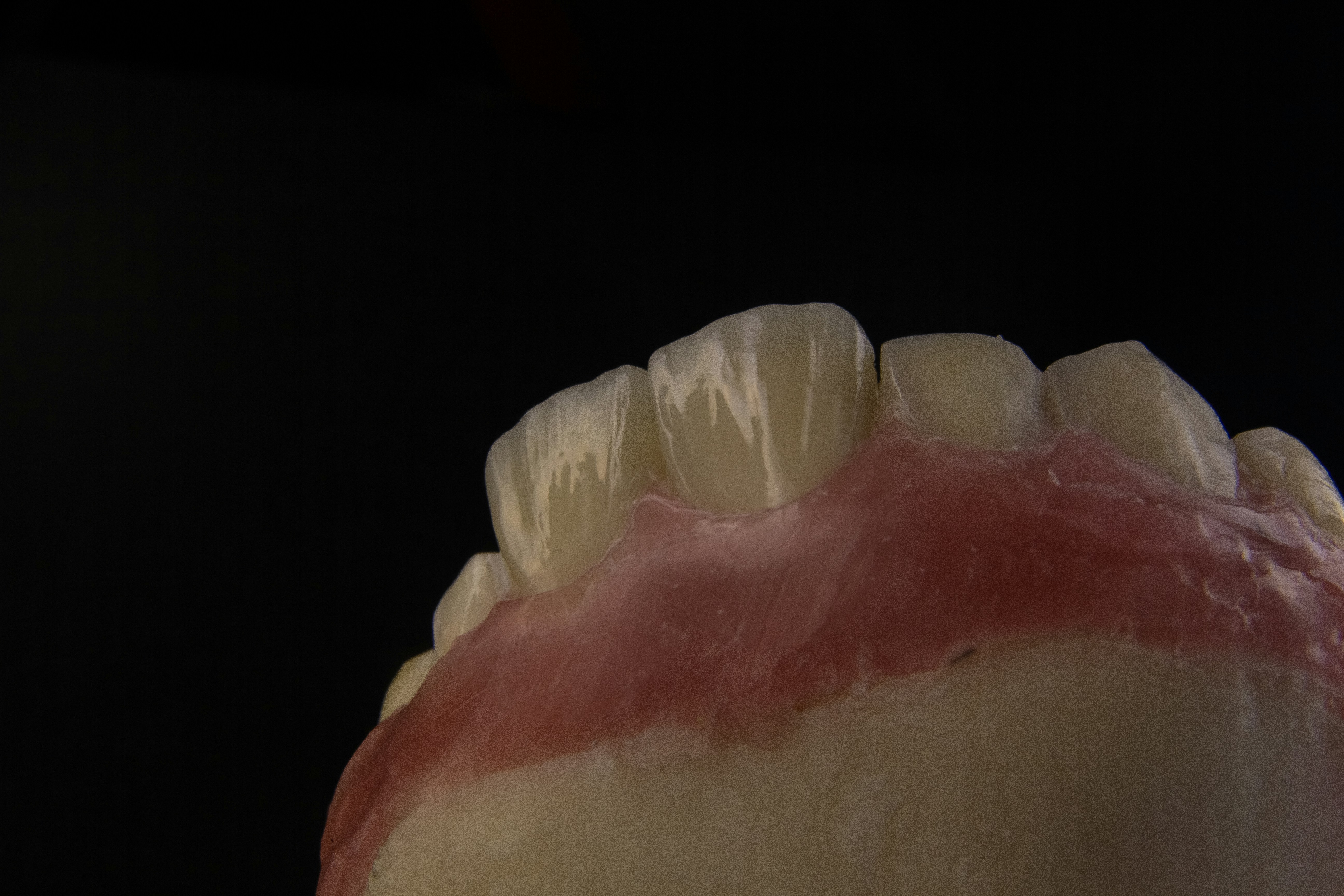
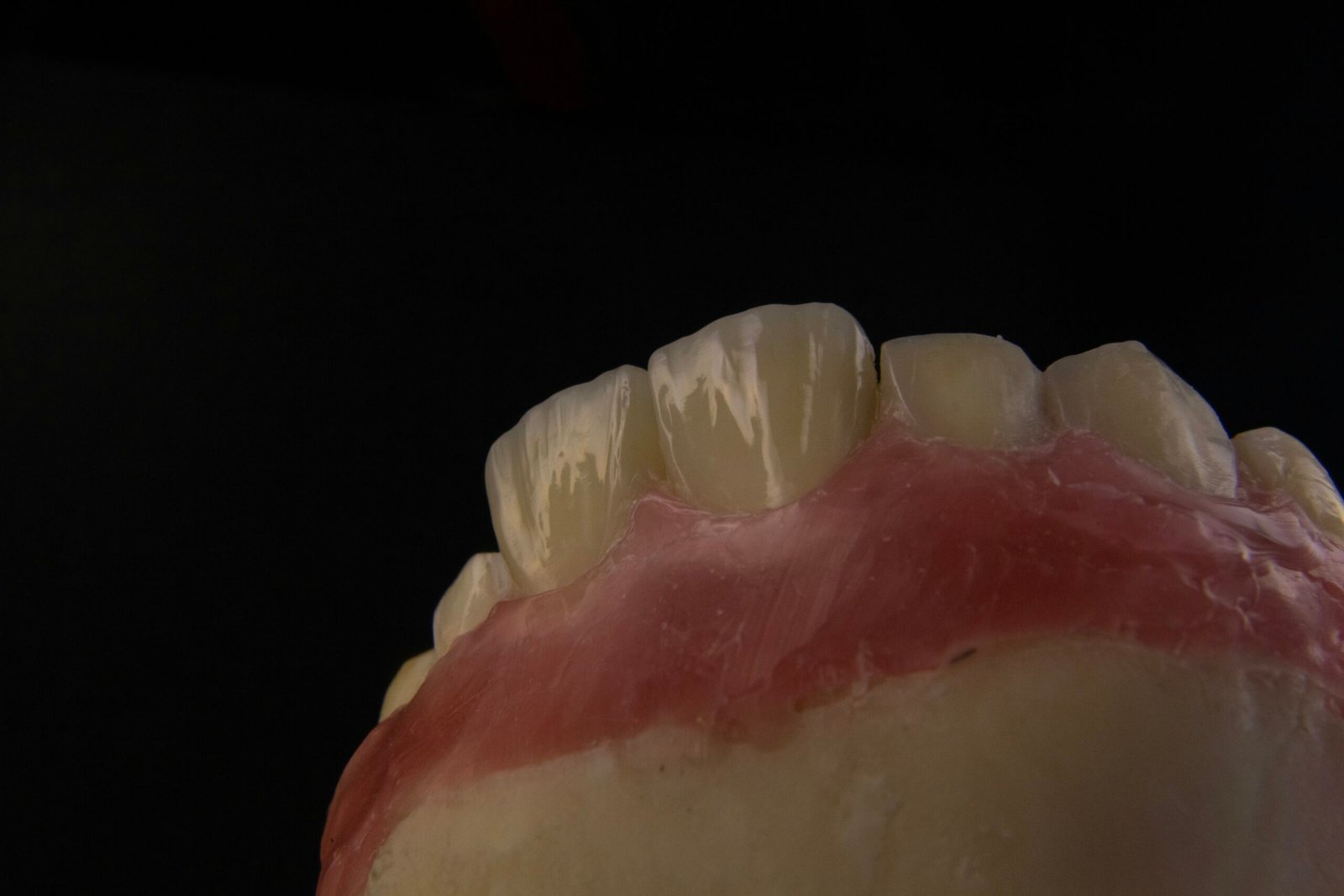
Introduction to Emax bridge vs zirconia bridge
Dental bridges are prosthetic devices designed to replace missing teeth by bridging the gap between one or more natural teeth. They serve two primary functions: restoring the ability to chew and speak effectively, and enhancing the aesthetic appearance of the smile. The importance of front teeth, known for their significant role in one’s facial aesthetics and functional performance, makes the selection of a suitable bridge material crucial for achieving optimal results.
The process of selecting an appropriate dental bridge involves careful consideration of various factors, including the patient’s oral health status, aesthetic preferences, and budget. The most common materials used for dental bridges are zirconia and e.max, each offering distinct benefits. Zirconia, a type of ceramic, is known for its strength and durability, making it a popular choice in cases where a reliable solution is critical. It has a natural translucency that closely mimics the appearance of natural teeth, making it especially suitable for front teeth restorations.
On the other hand, E.max bridges, which are made from lithium disilicate glass-ceramic, provide exceptional aesthetics due to their high translucency and the ability to mimic the natural fluorescence of teeth. E.max is often favored in cosmetic dental applications where visual appearance is paramount. Both materials can be fabricated using advanced dental technology, ensuring that the bridges not only restore functionality but also meet the aesthetic demands of patients seeking to improve their smile.
As dental bridges play a vital role in dental restoration, understanding the options available—specifically zirconia and e.max—can help patients make informed decisions about their treatment paths in restoring missing front teeth.
Understanding Zirconia Bridges
Zirconia bridges are a popular dental restoration option, particularly for front teeth, due to their aesthetic appeal and durability. These bridges are crafted from zirconium dioxide, a biocompatible ceramic material known for its strength and resistance to wear. The composition of zirconia includes a range of pure and stabilized zirconium oxide, which enhances its mechanical properties and ensures long-lasting performance.
The key attributes of zirconia make it an excellent choice for dental bridges. Its inherent strength allows for the creation of thinner frameworks, which can support porcelain veneers effectively, producing a natural appearance that closely resembles real teeth. Additionally, zirconia bridges are noted for their excellent wear resistance, meaning they can withstand the forces associated with chewing without chipping or fracturing. This feature is particularly beneficial in areas subject to significant stress, such as the front teeth.
Another advantage of zirconia is its biocompatibility. This property significantly reduces the risk of allergic reactions or sensitivity when compared to metal-based restorations. As a result, zirconia bridges are suitable for patients who may have allergy concerns with traditional dental materials. Furthermore, their aesthetic quality is commendable, as zirconia can be tinted or layered with porcelain to match the surrounding teeth seamlessly.
However, while zirconia bridges offer numerous benefits, there are some drawbacks worth considering. The high strength of zirconia may sometimes lead to potential wear on opposing teeth, especially in cases where the occlusion is not properly adjusted. Additionally, the initial costs associated with zirconia restorations may be higher than those of other materials, such as traditional porcelain or metal ceramic bridges.
Understanding Emax Bridges
Emax bridges are a type of dental restoration crafted from a unique material known as lithium disilicate. This advanced ceramic is favored in modern dentistry for its remarkable combination of aesthetics and strength, making it especially suitable for front teeth restorations. The high translucency of Emax ceramics closely resembles that of natural tooth enamel, allowing for a more seamless integration into the existing dental structure. This quality is particularly advantageous in areas where cosmetic appearance is paramount.
A primary characteristic of Emax materials is their exceptional durability. Emax bridges are designed to withstand substantial biting forces, which is critical for front teeth that are often subjected to dynamic forces during chewing and speaking. The lithium disilicate structure contributes to the bridge’s flexural strength—estimated at approximately 400 MPa—ensuring that it can endure the wear and tear associated with daily use. This strength does not come at the expense of aesthetics, as Emax bridges exhibit a level of translucency and color that can be effectively matched to the surrounding natural teeth.
In clinical practice, Emax bridges are commonly utilized in various dental scenarios, such as replacing missing teeth or restoring teeth that have suffered extensive damage. Their use is particularly prevalent among patients seeking solutions that offer both functional benefits and aesthetic appeal. The capability of Emax to mimic the optical properties of natural teeth empowers dental professionals to create restorations that not only function effectively but also enhance patient confidence through improved smile aesthetics.
Overall, Emax bridges present a compelling option for individuals requiring dental restorations in the anterior region, thanks to their combination of strength, biocompatibility, and ability to deliver visually appealing outcomes.
Aesthetic Considerations for Front Teeth
Aesthetics play a crucial role in dental restorations, particularly when it comes to front teeth. These teeth are prominently displayed when speaking or smiling, thus their appearance is vital to an individual’s overall facial aesthetics. Both zirconia bridges and Emax crowns are popular choices for restoring the anterior segment of the mouth, yet they offer different aesthetic qualities that can significantly impact a patient’s smile.
One of the primary considerations in aesthetic dentistry is color matching. Emax, known for its high level of translucency, effectively mimics the natural appearance of enamel. This characteristic allows Emax restorations to blend seamlessly with surrounding teeth, creating an almost undetectable finish. The inherent ability of Emax to reflect light similarly to natural teeth results in a lifelike appearance, making it an excellent choice for those who prioritize aesthetics.
On the other hand, zirconia has evolved significantly over the years. While earlier zirconia materials were known for their opacity, advancements have led to the development of more translucent options. These newer zirconia formulations attempt to replicate the natural aesthetics of teeth by incorporating layered techniques and colored materials, enhancing their appearance. However, even the latest iterations may still fall short compared to Emax in replicating the natural depth and translucence of tooth enamel.
Furthermore, the overall appearance of these materials extends beyond color and translucency. The surface texture and finish of a restoration can also influence aesthetics. Emax crowns can be polished to a high shine, closely resembling the smooth surface of natural teeth. Zirconia, with its durable yet less reflective surface, may not achieve the same level of gloss but offers significant strength and longevity, making it a practical choice for some patients.
Strength and Durability Comparison
When opting for dental restorations, particularly for front teeth, the strength and durability of the materials employed are critical factors. Zirconia bridges are well-regarded for their exceptional fracture resistance and high tensile strength. This is largely due to zirconia’s unique crystalline structure, which allows it to withstand significant forces without compromising integrity. Studies suggest that zirconia can exhibit a flexural strength exceeding 900 MPa, making it an ideal choice for areas of the mouth that endure heavy chewing forces.
On the other hand, Emax crowns, made primarily from lithium disilicate, offer impressive aesthetic benefits, leading to their popularity in visible areas. They possess a flexural strength of around 400 MPa, which, while lower than that of zirconia, is still adequate for most applications. Emax also exhibits superior translucency and a natural appearance, making it a preferred choice for anterior teeth. However, its susceptibility to fracture under extreme stress can be a concern, particularly in patients who have a tendency to grind their teeth or have a strong bite.
The longevity of these materials is a significant aspect of this comparison. Zirconia is noted for its long-term durability, often lasting 10 to 15 years or more with proper care. In contrast, Emax restorations tend to have lifespans of 5 to 10 years, depending on individual factors such as oral hygiene and dietary habits. Therefore, when considering which material best withstands everyday use, zirconia edges out Emax particularly in terms of durability and overall resilience.
In summary, while both zirconia and Emax offer viable options for dental restorations, zirconia provides enhanced strength and durability, making it a superior choice for front teeth restorations that must endure the rigors of daily use.
Clinical Cases and Recommendations
In the realm of restorative dentistry, the choice between zirconia bridges and Emax veneers for front teeth can significantly impact both aesthetics and functionality. Numerous clinical cases illustrate the appropriate application of each material, depending on individual patient needs and conditions.
One notable case involved a 30-year-old patient who presented with severe enamel erosion on the anterior teeth. After thorough evaluation, a decision was made to use Emax for its superior aesthetic properties and translucency, which closely mimicked the natural dentition. Post-treatment assessments indicated a successful outcome; the patient was satisfied with the appearance and function of their teeth, attributing it to the Emax’s ability to reflect light similar to that of natural enamel.
Conversely, in another case, a 45-year-old patient required a bridge for a missing front tooth due to periodontal disease. Given the patient’s oral condition, durability and strength were of paramount importance. The clinical team opted for a zirconia bridge, which provided exceptional strength and resistance to fracture. After the procedure, the patient reported high satisfaction with both aesthetics and function, demonstrating that zirconia bridges can effectively resist wear in more challenging oral environments.
The selection between zirconia and Emax cannot be made lightly; it hinges on patient-specific factors such as dental health, bite alignment, and aesthetic desires. For cases requiring higher aesthetic discretion and minimal wear, Emax serves as an ideal option. In contrast, for patients needing robust restorations able to withstand considerable stress, zirconia is recommended. Ultimately, evaluating individual cases and understanding patient preferences and conditions will guide dental professionals in making the best material choices.
Patient Experience and Comfort
When addressing patient experience with dental bridges, particularly zirconia and Emax options, it is essential to consider factors such as comfort levels, maintenance requirements, and repair options. Both types of bridges offer distinct advantages and may cater to different patient preferences.
Zirconia bridges are often lauded for their strength and durability, making them a popular choice for individuals seeking long-lasting solutions. These bridges are typically less abrasive against adjacent teeth and provide a natural feel. Patients frequently report high satisfaction levels due to the comfort and posterior bite stability these restorations offer.
On the other hand, Emax bridges, made of lithium disilicate, are renowned for their aesthetic qualities and translucence, closely mimicking the appearance of natural teeth. Patients who prioritize cosmetic outcomes often find Emax bridges appealing. However, it is noteworthy that some individuals may perceive these bridges as more brittle compared to zirconia, which could raise concerns regarding potential chipping or fracturing.
In terms of maintenance, both zirconia and Emax require similar care routines, promoting a straightforward cleaning process. Patients are encouraged to adhere to regular dental hygiene practices, including brushing and flossing around the bridge units, to ensure longevity and prevent decay in surrounding areas. Repair options also vary: while zirconia bridges are robust and can sometimes be repaired more easily, Emax bridges may need to be replaced if damaged, as their delicate structure does not lend itself to effective on-site repairs.
Regarding sensitivity issues, some patients may experience varying degrees of sensitivity related to the materials used. Zirconia generally poses a lower risk for sensitivity due to its inert properties, whereas Emax bridges, although highly aesthetic, might elicit sensitivity in some instances, particularly to temperature changes. Overall, understanding these nuances can aid in making an informed decision based on individual preferences and comfort.
Cost Comparison and Considerations
When it comes to dental restorations, the choice between emax bridge vs zirconia bridge can significantly impact the overall treatment cost. Typically, zirconia bridges tend to be more cost-effective compared to Emax bridges. The price for zirconia bridges usually ranges from $1,000 to $2,500 per tooth, while Emax bridges can be priced from $1,500 to $3,000 per tooth. This stark difference in pricing makes zirconia a preferred option for many patients, particularly when considering budget constraints.
However, the cost of dental bridges is not solely defined by the material itself; various factors can play a crucial role in influencing the final price. The complexity of the case is one such factor. More intricate cases that require additional preparatory work, such as bone grafting or tooth extractions, can lead to increased costs, regardless of whether zirconia or Emax is chosen. Moreover, the experience and expertise of the dentist can also affect the price. Highly skilled cosmetic dentists may charge more for their services, but their results can provide added value and reduced treatment time.
Geographic location is another significant consideration affecting costs. In metropolitan areas, dental services may be more expensive due to higher overhead costs, whereas rural clinics may present more competitive pricing. Thus, understanding local market rates can help patients make informed financial decisions.
In the long term, zirconia bridges may offer better value due to their durability and resistance to wear and tear, often resulting in fewer replacements and maintenance costs. In contrast, while Emax bridges provide excellent aesthetics and a natural look, they may require more careful handling and can be more susceptible to chipping under stress, potentially leading to increased long-term costs. It is crucial to weigh these factors carefully, considering both initial and prospective long-term expenses when choosing the right dental restoration option.
Conclusion: Which Is Right for You?
When considering a dental bridge for front teeth restoration, it is critical to weigh the key differences between zirconia and Emax options. Zirconia bridges are known for their exceptional strength and durability, making them suitable for patients with a high bite force. Their translucent properties, while less than Emax, still offer a natural appearance. On the other hand, Emax bridges are crafted from lithium disilicate, providing superior aesthetics and a high level of translucency, which closely resembles natural tooth enamel. This makes Emax bridges particularly desirable for the anterior teeth, where appearance plays a significant role.
Aside from aesthetic considerations, the choice between zirconia and Emax bridges may also be influenced by budget constraints. Generally, Emax bridges tend to be more expensive due to their advanced material and manufacturing process, while zirconia bridges offer a more cost-effective solution without sacrificing strength. However, long-term durability should also factor into this decision. Significant wear on teeth, more frequent repairs, and replacements can lead to increased costs over time.
Ultimately, the choice between zirconia and Emax bridges is highly individualistic and should align with personal dental situations and aesthetic desires. Factors such as existing dental health, desired longevity, and budget will have an impact on the final decision. Therefore, it is advisable for individuals to consult with dental professionals who can provide personalized recommendations tailored to their specific circumstances. A thorough discussion with a dentist can clarify these options, leading to a choice that best fits one’s needs and expectations.