Introduction to Zirconia Bridges
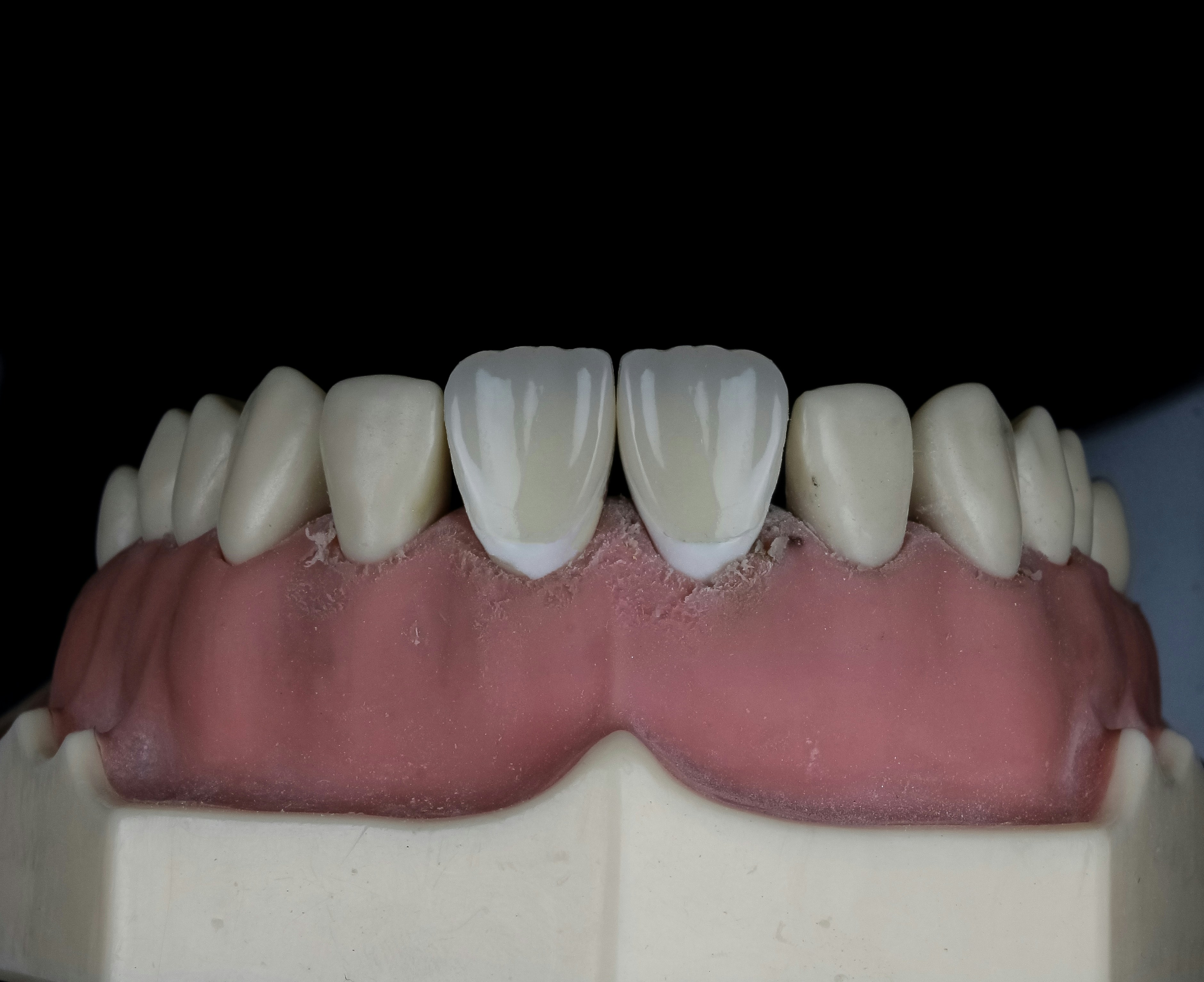
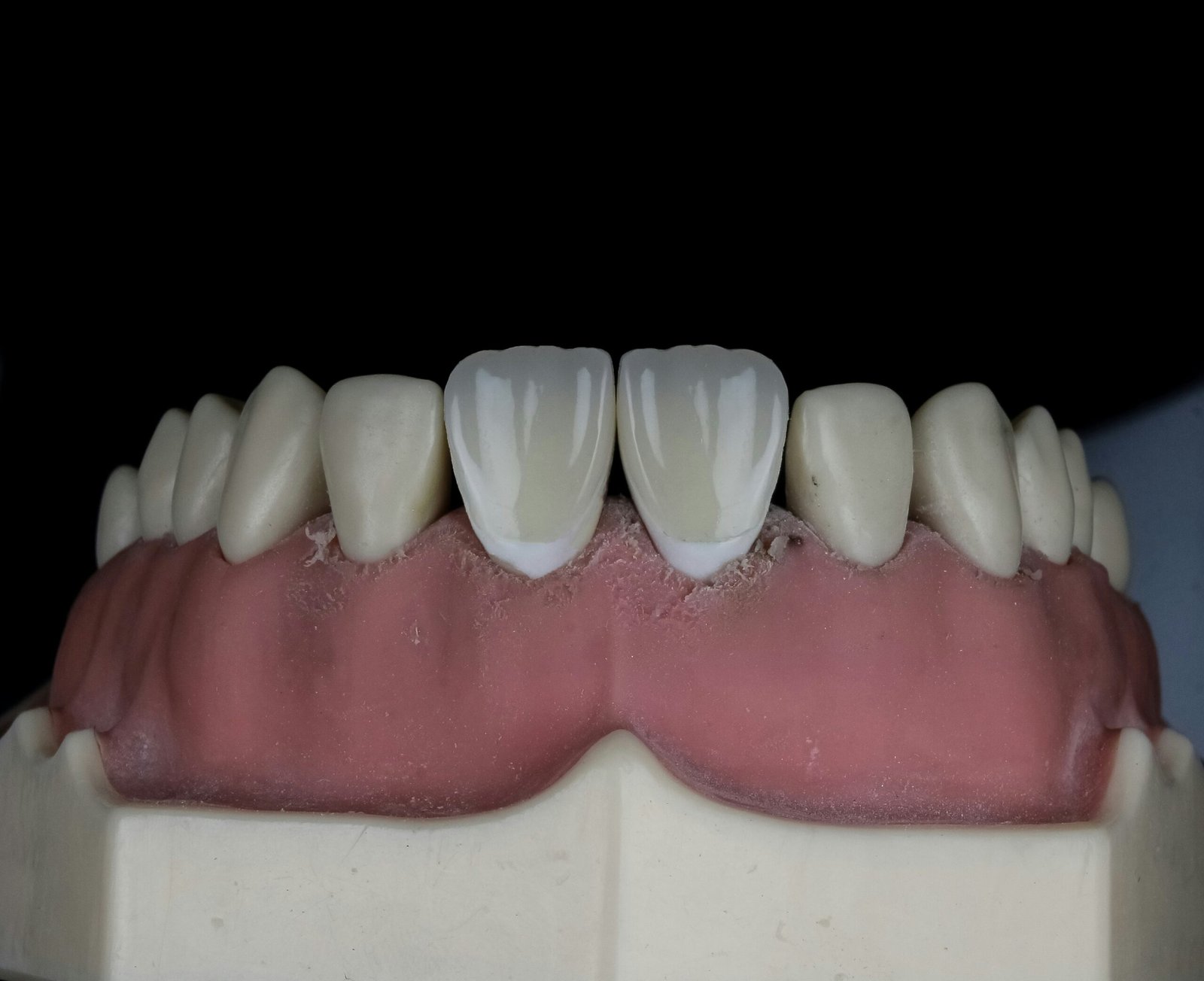
Zirconia bridges are advanced dental restorations designed to replace missing teeth, particularly beneficial for seniors who may face various dental health challenges. Made from a biocompatible ceramic material known as zirconia, these bridges offer a durable and aesthetically pleasing alternative to traditional metal frameworks. Zirconia’s natural tooth-like color and translucency make it an ideal choice for achieving a seamless appearance in dental work.
In essence, zirconia bridges work by being anchored to existing teeth or dental implants. They offer support and stability, often used in cases where multiple teeth are missing. The various components of the bridge include the crowns, which rest on the existing teeth or implants, and the connectors that hold everything in place. This design provides efficient functionality while promoting a natural appearance, which is particularly valued by seniors who wish to maintain their smile and confidence.
Seniors frequently encounter numerous dental health issues, including tooth loss due to decay, periodontal disease, or age-related deterioration. These challenges can lead to difficulties in chewing, speaking, and overall oral hygiene. Zirconia bridges address these concerns effectively, allowing for improved function and comfort. Additionally, their resistance to staining and wear makes them an appealing choice for older adults who want long-lasting dental solutions without frequent replacements.
Furthermore, zirconia bridges require minimal adjustments over time, providing a stable fit that seniors can rely on for years. Understanding the specific needs of seniors when it comes to dental restorations is crucial, and zirconia bridges present a viable and beneficial option for enhancing their quality of life.
Why Choose Zirconia Bridge for Seniors
Zirconia is increasingly being recognized as a premier material for dental restorations, particularly for seniors who require durable and aesthetic solutions for their dental needs. One of the foremost reasons for choosing zirconia is its exceptional durability. Unlike traditional materials, zirconia is known for its strength and resilience, making it capable of withstanding the significant chewing forces that often occur as we age. This resistance to wear and fractures is particularly beneficial for older adults, who may have weakened teeth or underlying dental conditions that necessitate a more robust solution.
Another compelling advantage of zirconia is its biocompatibility. This material is well-tolerated by the body, minimizing the risk of adverse reactions, which can be a critical consideration for seniors who may have existing health issues or sensitivities. By opting for zirconia bridges, patients can benefit from a lower likelihood of inflammation or rejection. Furthermore, this biocompatibility supports oral health, as it reduces the chances of complications that can arise with less compatible materials.
Aesthetically, zirconia closely resembles the natural appearance of teeth, making it an excellent choice for those concerned about the visual impact of dental work. The ability of zirconia to mimic the translucence and color of natural teeth ensures that restorations are not only functional but also visually appealing. This is especially important for seniors who value a natural smile to boost their confidence and self-esteem.
In summary, the combination of durability, biocompatibility, and aesthetic similarity to natural teeth makes zirconia a highly suitable option for seniors looking to enhance their dental health and quality of life.
Improvement in Chewing Ability
Zirconia bridges have emerged as a revolutionary solution for seniors who face challenges with chewing due to missing teeth. The strength and durability of zirconia make it an ideal choice for dental restorations, offering enhanced chewing ability compared to traditional materials. Unlike other bridge materials, zirconia is highly resistant to wear and tear, which ensures that it can withstand the burden of chewing various types of foods, from tough fruits and vegetables to fibrous proteins.
One of the primary benefits of zirconia bridges is their ability to effectively restore functionality in the mouth. Seniors often experience a decrease in chewing ability due to the loss of teeth, which can limit their dietary options and affect overall nutrition. With the integration of zirconia bridges, patients have reported a notable improvement in their ability to chew, thus enabling them to return to a more varied and balanced diet. This is particularly important for older individuals who may have specific dietary needs that require a diverse range of food choices.
The stability of zirconia bridges contributes significantly to this improvement. When installed, these bridges adhere closely to the surrounding teeth or implants, ensuring they remain securely in place during the chewing process. This stability reduces the risk of displacement, which can be a concern with other bridge materials. Additionally, zirconia is biocompatible, meaning it integrates easily with the biological tissues in the mouth and minimizes the chances of irritation or allergic reactions.
In conclusion, zirconia bridges not only improve chewing ability for seniors but also enhance their quality of life by allowing them to enjoy a broader spectrum of foods. This advancement represents a significant step towards better oral health and nutrition for older adults, emphasizing the importance of considering zirconia when exploring dental restoration options.
Enhancing Speech Clarity
For many seniors, the transition to dentures can be accompanied by significant speech challenges. Common issues include difficulties in articulating certain sounds, leading to unclear speech patterns. This can be particularly frustrating for seniors who may feel less confident in social interactions or might struggle to communicate their needs effectively. In contrast, a zirconia bridge presents a solution that can markedly improve speech clarity.
Zirconia bridges are designed to provide excellent stability and fit, which plays a crucial role in facilitating clearer speech. The dental restoration’s resilience allows it to function similarly to natural teeth, enabling seniors to pronounce sounds more accurately. When speaking, the position of the tongue and the alignment of teeth are vital components contributing to clear speech. A well-fitted zirconia bridge can profoundly impact this alignment, improving the ability to articulate words effectively.
Moreover, unlike traditional dentures that may slip or move, zirconia bridges are securely anchored in place. This stability reduces the anxiety that often comes with speaking, allowing seniors to engage more comfortably in conversations. Studies have shown that individuals with oral restorations, such as zirconia bridges, report higher satisfaction levels regarding their speech capabilities compared to those using removable dentures.
In summary, the benefits of zirconia bridges extend beyond aesthetics and functionality; they play a crucial role in enhancing speech clarity among seniors. By addressing common speech issues faced by denture wearers, these dental solutions not only improve articulation but also boost confidence in communication, ultimately enriching the quality of life for senior patients.
Maintaining Dental Health
Zirconia bridges play a significant role in enhancing the dental health of seniors, primarily through their structural benefits and ease of maintenance. One key advantage of zirconia bridges is their ability to prevent bone loss. When a tooth is missing, the underlying bone can begin to deteriorate due to lack of stimulation. By placing a zirconia bridge, the stability and pressure on the jawbone are restored, encouraging bone retention and reducing the risk of further complications that can arise from bone loss.
Furthermore, zirconia bridges help support neighboring teeth by distributing bite force evenly. Natural teeth can shift if gaps are left unfilled, which may lead to misalignment and further dental issues. Maintaining proper alignment through the use of zirconia bridges not only preserves the health of adjacent teeth but also contributes to a more balanced bite. This is particularly beneficial for seniors who may already experience challenges related to dental health due to aging.
Additionally, zirconia bridges are known for their ease of cleaning, which is an essential factor for seniors who may have mobility or dexterity issues. Unlike traditional dental materials, zirconia is less porous, making it resistant to staining and easier to maintain. Regular oral hygiene practices, such as brushing and flossing around the bridges, can be executed without undue difficulty, allowing seniors to keep their dental health regimen intact. Consequently, this ease of maintenance not only promotes regular cleaning practices but also enhances the overall lifespan and functionality of the zirconia bridge itself.
Lightweight and Comfortable Fit
Zirconia bridges have emerged as a popular choice among dental professionals and patients alike, primarily due to their lightweight nature and comfortable fit. When compared to traditional dental materials such as metal, zirconia uniquely presents a less cumbersome option for dental restorations. This characteristic is essential for seniors, who may experience greater sensitivity to weight and discomfort in their oral appliances.
Traditional dental bridges constructed from metal can often feel heavy and rigid, leading to potential irritation or discomfort, especially in older patients. The bulkiness of metal can also create pressure points in the mouth, making it challenging for some seniors to adjust or maintain their daily activities without distraction. In contrast, zirconia bridges are designed to offer a more natural feel, akin to that of natural teeth. Weight considerations are significant, as the reduced heaviness of zirconia contributes greatly to overall wearability.
The design of zirconia bridges not only ensures a lighter structure but also promotes a more precise fit for the wearer. Because zirconia can be shaped and customized with a higher degree of accuracy, dental professionals can achieve a snug fit that minimizes movement and shifting. This is particularly beneficial for seniors, who may struggle with appliances that do not sit comfortably. Ultimately, the combination of lightweight materials and a comfortable fit can enhance the overall experience for patients, encouraging better adherence to dental health routines.
Considerations Before Getting a Zirconia Bridge
Before opting for a zirconia bridge, seniors should carefully consider various factors to ensure the best possible outcome for their dental health. One of the primary considerations involves the potential costs associated with the procedure. Zirconia bridges can be more expensive compared to traditional dental bridges, and understanding the full scope of financial implications is crucial. Seniors should inquire about the total costs, including any additional procedures that may be necessary, such as tooth extractions or preparatory treatments.
Consulting a dental professional is a vital step in the decision-making process. A qualified dentist can provide personalized insights and recommend the most appropriate solutions based on the individual’s dental health, bone density, and overall medical condition. Moreover, a professional examination will determine if a zirconia bridge is a suitable option, as there may be contraindications related to a patient’s specific health status, allergies, or existing dental conditions.
Another important consideration is the longevity and durability of zirconia bridges. While they are known for their strength and aesthetic appeal, it is essential to discuss the expected lifespan and maintenance of such dental restorations with a dentist. Regular dental check-ups and good oral hygiene practices are also paramount to ensure the long-term success of a zirconia bridge.
Lastly, seniors should consider their personal comfort and preferences. The choice of materials for dental restorations can significantly affect the feel and function of the teeth. Consulting with peers who have undergone similar procedures may also provide valuable insights into the experience of having a zirconia bridge. By weighing these considerations, seniors can make an informed decision that aligns with their dental needs and financial situation.
Comparative Analysis with Other Materials
When considering dental bridge materials, zirconia has emerged as a significant contender against traditional options such as porcelain and metal. Understanding the properties, advantages, and disadvantages of zirconia bridges in comparison with these materials is crucial for making an informed decision.
Zirconia is known for its exceptional strength and durability, making it a reliable choice for dental restorations. Unlike porcelain, which is more prone to chipping and wear, zirconia provides better resistance to catastrophic failure over time. This durability facilitates the longevity of dental bridges, particularly for individuals who may have higher bite forces or engage in parafunctional habits, such as teeth grinding.
In terms of aesthetics, zirconia bridges excel. They can be color-matched to natural teeth, providing a pleasing appearance. Porcelain bridges, while also aesthetically pleasing, can sometimes appear less natural due to their reflective properties, especially when used in combination with metal frameworks. On the other hand, metal bridges, although very strong, can compromise aesthetics due to the visible metal margins, which can detract from the overall appearance of the smile.
However, each material has its own set of disadvantages. Zirconia bridges may involve higher initial costs compared to porcelain and metal ones. Additionally, the process of shaping zirconia requires specialized equipment, which can limit availability in certain dental practices. Porcelain bridges, while less expensive, may require more frequent replacements due to wear and tear.
Metal bridges, while robust and affordable, can lead to more significant issues related to gums, such as inflammation and discoloration, beneath the metal. Thus, choosing the right material should factor in individual circumstances, preferences, and the specific clinical scenario presented. Each option presents distinct pros and cons that play a crucial role in patient satisfaction and longevity of the dental restoration.
Conclusion and Recommendations
In assessing the viability of zirconia bridges for seniors, it is evident that they provide numerous benefits that can significantly enhance oral health and overall quality of life. These dental solutions offer remarkable strength and durability, making them an ideal choice for older adults who may be experiencing wear on their natural teeth or are in need of replacements. Additionally, the aesthetic appeal of zirconia bridges, resembling natural teeth closely, can boost confidence and self-esteem, which is particularly important for seniors as they navigate social interactions.
Furthermore, zirconia bridges are biocompatible, thereby reducing the likelihood of allergic reactions or gum inflammation. This characteristic is crucial for seniors, as maintaining oral health can directly influence their general health and wellness. The ease of maintenance associated with these bridges also ensures that seniors can manage their dental care effectively without excessive effort, which is an important consideration for those who may have limited mobility or dexterity.
For seniors contemplating the option of dental bridges, it is highly recommended to engage in a thorough discussion with their dental professionals. A dentist can provide personalized insights based on individual health conditions, the state of current dental health, and personal preferences. This consultation is essential in making an informed decision that aligns with the senior’s specific needs, ensuring optimal outcomes from treatment.
In conclusion, the benefits of zirconia bridges for seniors are multifaceted, encompassing enhanced durability, aesthetics, and comfort. With proper guidance from a dental professional, seniors can make the most beneficial choice regarding their dental health, leading to improved function and quality of life.