Understanding Zirconia Bridges
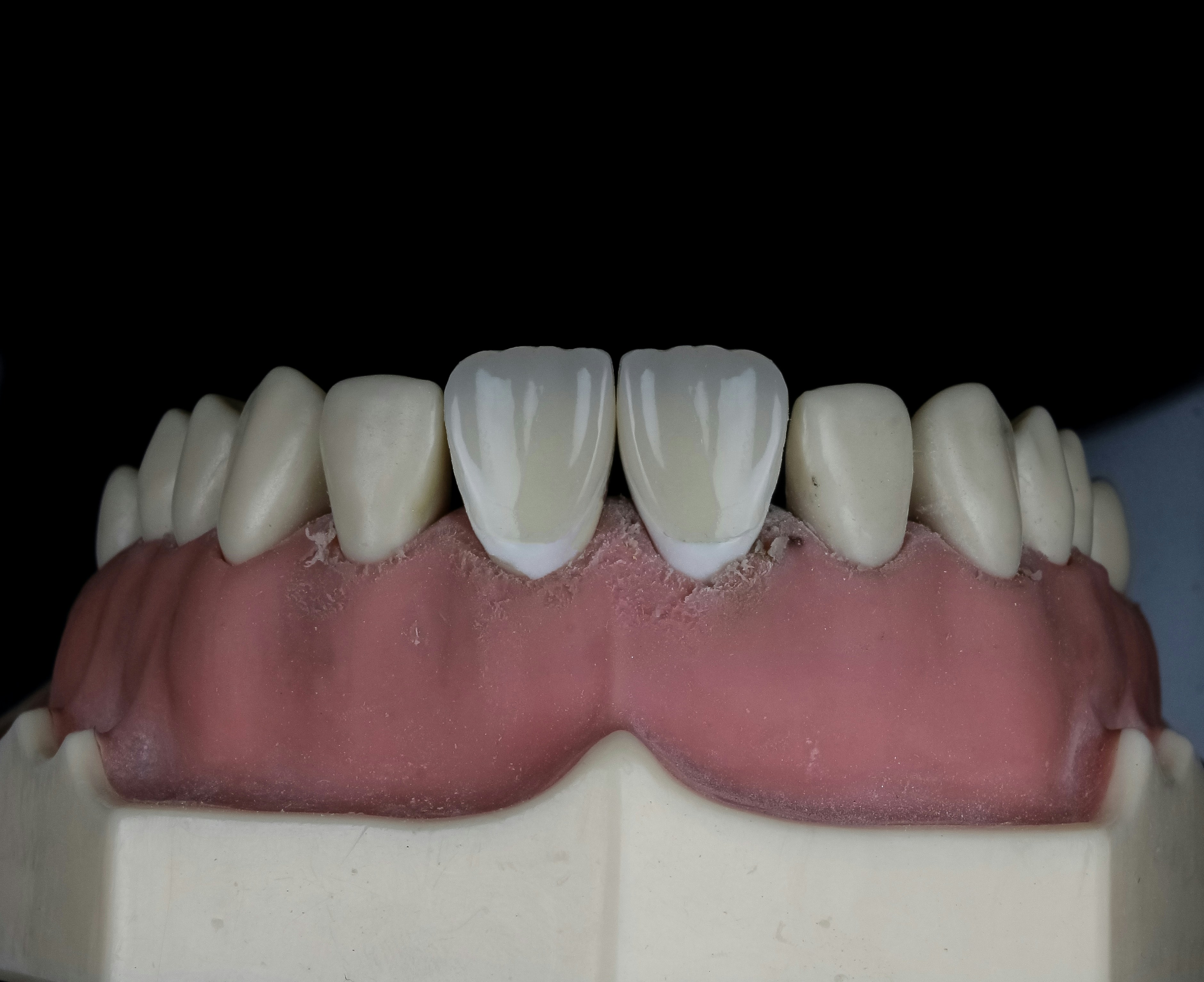
Zirconia bridges are an advanced dental restorative solution designed to replace missing teeth. These bridges are crafted from zirconium dioxide, a high-strength ceramic material renowned for its durability and aesthetic appeal. One of the significant advantages of zirconia is its natural-looking appearance, which closely mimics the translucency and color of natural teeth, making them an ideal choice for patients seeking a discreet restoration option.
The manufacturing process of zirconia bridges involves several sophisticated steps. Initially, a digital impression of the patient’s mouth is created, ensuring precise measurements and fitting. Using this data, a computer-aided design (CAD) system constructs a model of the bridge. The zirconia material is then milled from a solid block, creating a custom-fit piece that aligns perfectly with the patient’s dental arch. After milling, the bridge undergoes sintering, a process that enhances its strength and durability by removing any residual porosity. Finally, the bridge is glazed and can be colored to match the surrounding teeth, providing a seamless integration into the patient’s smile.
Compared to traditional dental materials, such as metal-based restorations or porcelain fused to metal, zirconia bridges offer several benefits. One notable advantage is their biocompatibility, which reduces the risk of allergic reactions or sensitivities that some patients may experience with metal-based options. Additionally, zirconia is less prone to chipping or breaking, making it a robust choice for bridges that need to withstand chewing forces. The inherent strength of zirconia also prolongs the lifespan of dental restorations, leading to fewer complications over time. These factors contribute to the increasing popularity of zirconia bridges in contemporary restorative dentistry, driven by both patient preference and clinical outcomes.
Understanding Sensitivity After Zirconia Bridge Procedures
Following the placement of zirconia bridges, many patients report experiencing sensitivity to hot and cold stimuli. This phenomenon can be attributed to several biological and mechanical factors that occur during and after the procedure. One primary reason for this sensitivity is related to the nerve endings present in the teeth and gums. When dental work is performed, particularly in sensitive regions, these nerve endings can become aggravated or exposed, leading to heightened sensitivity.
Another contributing factor is the exposure of tooth surfaces during the preparation of the abutment teeth, which are necessary for securing the zirconia bridges. The removal of tooth structure may leave certain dentinal tubules exposed. These tubules run directly to the nerve endings, and any stimulus, such as temperature changes, can trigger a pain response. In this way, patients may experience sensitivity as a direct consequence of the dental work involved in fitting the zirconia bridge.
Postoperative inflammation is another important aspect to consider. After the procedure, the surrounding tissues may experience some degree of swelling and irritation due to the surgical manipulation of the gums and adjacent teeth. This inflammatory response can typically amplify sensitivity, as the tissues become more sensitive to external stimuli, including temperature variations. Additionally, if proper aftercare is not followed, it can lead to further complications, heightening the patient’s sensitivity experience.
In summary, while sensitivity to hot and cold is a common concern after zirconia bridge procedures, understanding the underlying biological and mechanical reasons can provide insight into managing and mitigating this discomfort. By addressing nerve endings, exposed tooth surfaces, and postoperative inflammation, practitioners can help reduce such sensitivity in patients.
Common Symptoms of Sensitivity
Patients who have undergone the placement of a zirconia bridge may experience various symptoms of sensitivity related to temperature changes, most notably hot and cold sensations. These symptoms can vary in intensity and duration, often depending on several factors including individual pain tolerance, the specific location of the bridge, and any underlying dental issues.
One of the most frequently reported symptoms is a sharp or nagging pain when consuming hot or cold foods and beverages. This reaction occurs when the exposed surface of the tooth or the material adjoining the zirconia bridge reacts to temperature fluctuations. The intensity of the discomfort can range from mild, which may resolve quickly, to severe, potentially persisting for several minutes or longer.
Moreover, some patients might report a lingering sensitivity that continues even after the initial exposure to temperature extremes. This delayed reaction can often be disconcerting, leading individuals to wonder about the health and integrity of their dental work. It is not uncommon for the sensitivity to gradually decrease over time as the surrounding gum tissue heals and adapts to the new dental structure; however, it can sometimes indicate more serious issues such as improper fit or underlying decay that needs addressing.
If a patient finds that their sensitivity is pervasive or progressively worsening, it is advisable to consult their dentist. Seeking professional advice is crucial, especially if accompanied by other symptoms such as swelling, redness in the gums, or persistent discomfort that limits daily activities. A timely evaluation can help ensure proper management and care of the zirconia bridge, facilitating a smoother adaptation process and enhancing overall dental health.
Short-Term vs. Long-Term Sensitivity
When considering zirconia bridges, it is essential to understand the nuances of sensitivity experienced by patients, as this can vary significantly in duration and intensity. Short-term sensitivity is a common phenomenon that many patients report following dental procedures. Typically, this sensitivity arises as a natural response to the adjustment of the oral cavity to dental restorations, particularly when new materials like zirconia bridges are introduced. In most cases, this type of sensitivity tends to resolve within a few days to a week. Patients may experience discomfort when consuming hot or cold foods or beverages, highlighting the adjustment phase as the nerve endings in the teeth acclimatize to the new structure.
In contrast, long-term sensitivity can indicate underlying issues that may require further examination. This sensitivity lasts beyond the initial healing period and may be symptomatic of various complications, including improper fit, decay beneath the bridge, or other dental concerns. Long-term sensitivity is not as common as short-term sensitivity; however, its persistence could suggest that the restoration is not adequately serving its purpose, potentially leading to further dental issues if left unaddressed.
It is crucial for patients who experience prolonged sensitivity to consult their dental professionals. A thorough evaluation can determine the need for adjustments or additional treatments. Understanding these distinctions helps patients manage their expectations and aids in recognizing when to seek further assistance. Patients should remain vigilant post-procedure and communicate any unusual or prolonged discomfort to their dentist to ensure both optimal recovery and the longevity of their zirconia bridges.
Tips for Managing Sensitivity After the Procedure
It is common for patients to experience sensitivity after the installation of zirconia bridges. This sensitivity can manifest as heightened responses to hot or cold temperatures, as well as discomfort when consuming certain foods or beverages. Fortunately, there are several practical strategies that can help manage this sensitivity effectively.
First and foremost, using desensitizing toothpaste can offer significant relief. These specialized toothpastes contain compounds that assist in blocking sensations from the nerves in the teeth, thereby reducing sensitivity. Patients are encouraged to brush gently with desensitizing toothpaste twice a day to help alleviate discomfort. Additionally, it may be beneficial to avoid extreme temperatures in food and drinks. Consuming very hot or very cold items right after the procedure might exacerbate sensitivity, so opting for lukewarm or room temperature options can help manage any heightened sensations.
Another useful approach is to utilize over-the-counter pain relief medications, such as ibuprofen or acetaminophen, particularly in the initial days following the procedure. These can mitigate discomfort and allow for a more comfortable experience while eating and drinking. However, it is advisable to consult with a healthcare professional regarding the appropriate dosage and duration for usage.
Moreover, maintaining regular dental check-ups is essential. Professional monitoring can ensure that any persisting sensitivity is managed effectively and that the zirconia bridges are properly fitted. As sensitivity improves over time, many patients find that normal function returns, allowing them to enjoy their favorite foods without discomfort. Implementing these straightforward tips can significantly improve the experience for individuals adjusting to their new zirconia bridges.
When to Seek Professional Help
Experiencing sensitivity in teeth, especially after the placement of zirconia bridges, is common; however, there are specific signs and symptoms that should prompt a visit to a dental professional. One of the most crucial indicators is prolonged sensitivity that persists beyond a few days. While some degree of sensitivity is expected after dental procedures, sensitivity that does not improve over time might indicate an underlying issue that needs to be addressed.
Additionally, if you notice an increase in pain intensity or frequency, this could signify that complications are developing. Pain that worsens rather than diminishes is a clear signal to consult your dentist. While some sensitivity can be benign, a significant escalation in discomfort warrants immediate evaluation to rule out problems like nerve damage or infection.
Other unusual symptoms accompanying sensitivity should not be overlooked. For instance, if you experience swelling in the gums surrounding the zirconia bridge, or if there is visible damage to the bridge itself, you should seek professional advice. Unexplained changes in taste, persistent bad breath, or a fever may suggest an infection or other complications that need urgent attention.
Ultimately, it is crucial to maintain open communication with your dentist regarding any sensitivity issues you encounter. Regular follow-ups can ensure that any problems are identified and treated promptly, minimizing the risk of further complications. Bearing in mind these signs and symptoms will aid in recognizing when to seek professional help, ultimately safeguarding your dental health and the longevity of your zirconia bridges.
Potential Complications to Watch Out For
While zirconia bridges are highly regarded for their aesthetic appeal and biocompatibility, there are potential complications that patients should be aware of, particularly concerning sensitivity to hot and cold stimuli. One of the notable concerns is infection, which can occur if the underlying tooth structure is not adequately protected or if the gum tissue is compromised during the placement of the bridge. It’s paramount to maintain proper oral hygiene to mitigate this risk and ensure that any existing dental conditions are addressed prior to installation.
Another issue that can arise with zirconia bridges is an improper fit. If the bridge is not precisely aligned with the dental arches, it may lead to discomfort and increased sensitivity. An ill-fitting bridge can cause undue stress on the surrounding teeth, particularly if there is a discrepancy in bite alignment. This can exacerbate sensations of pain or sensitivity, prompting the need for readjustments or replacements. Regular dental check-ups will allow for timely identification of such issues.
Damage to the surrounding teeth is another consideration that can elevate sensitivity concerns. During the preparation process for a zirconia bridge, adjacent teeth may be inadvertently affected, leading to their weakening or sensitivity. It is essential to discuss these risks with a dental professional before proceeding with treatment. Awareness of these potential complications related to sensitivity is crucial for proactive management and ensuring long-term success with zirconia bridges. By understanding these factors, patients can better monitor their dental health and seek timely intervention when necessary.
Preventive Measures for Future Sensitivity
Managing hot and cold sensitivity is crucial, particularly for individuals who have undergone dental procedures involving zirconia bridges. To mitigate future sensitivity, several preventive measures can be adopted, focusing on lifestyle changes, oral hygiene practices, and regular dental check-ups.
Firstly, lifestyle changes can significantly impact dental health. It is advisable to avoid excessively hot or cold foods for a period after receiving zirconia bridges, as these can irritate the nerves in the teeth and gums. Additionally, reducing the intake of acidic foods and beverages, such as citrus fruits or carbonated drinks, can help minimize tooth sensitivity. Instead, incorporating a balanced diet rich in calcium and vitamins can strengthen dental structures, ensuring they remain resilient against sensitivity.
Oral hygiene practices play a central role in preventing sensitivity. Brushing teeth at least twice daily with a fluoride toothpaste designed for sensitive teeth can aid in fortifying the enamel and reducing discomfort. Flossing regularly is equally important, as it removes plaque buildup and food particles from between the teeth where brushing may not reach. Using an antiseptic mouthwash can also provide an extra layer of protection against bacteria, thus improving overall oral health.
Moreover, consent to regular dental check-ups is essential for ongoing dental health. Dentists can monitor existing dental work, identify any early signs of sensitivity, and recommend treatments if necessary. During these visits, patients should not hesitate to discuss any sensitivity they might be experiencing, allowing dentists to suggest tailored strategies for prevention and management.
In conclusion, by adopting these preventive measures, individuals can lessen the likelihood of developing hot and cold sensitivity in the future, thereby enhancing their overall dental experience with zirconia bridges.
Conclusion and Final Thoughts
Understanding hot and cold sensitivity is crucial for individuals who have recently received zirconia bridges. These dental prosthetics have gained popularity due to their aesthetic appeal and durability; however, they may still lead to sensitivity issues as the mouth adjusts post-treatment. It is essential to recognize that sensitivity can vary from person to person, and acknowledging this variation can shape the management strategies one employs.
Key takeaways from this discussion highlight the importance of being proactive in managing sensitivity. By employing recommended strategies such as maintaining good oral hygiene, avoiding extremely hot or cold foods immediately after the procedure, and seeking regular dental check-ups, patients can significantly mitigate discomfort. Furthermore, understanding the role of fluoride treatments and desensitizing toothpaste can empower individuals to take charge of their dental health.
As hot and cold sensitivity can also be indicative of more severe underlying issues, staying vigilant is crucial. Patients should not hesitate to communicate any persistent discomfort to their dental care professionals. Open communication ensures that any potential complications can be addressed promptly and effectively. By leveraging the methods discussed and enhancing personal dental care routines, users of zirconia bridges can look forward to improved comfort and longevity of their dental work.
In closing, while sensitivity can be a common challenge following the placement of zirconia bridges, a clear understanding of its management can lead to a more comfortable experience. Adopting the suggested strategies not only improves immediate comfort but also contributes to long-term oral health, embracing the benefits of zirconia bridges in everyday life.