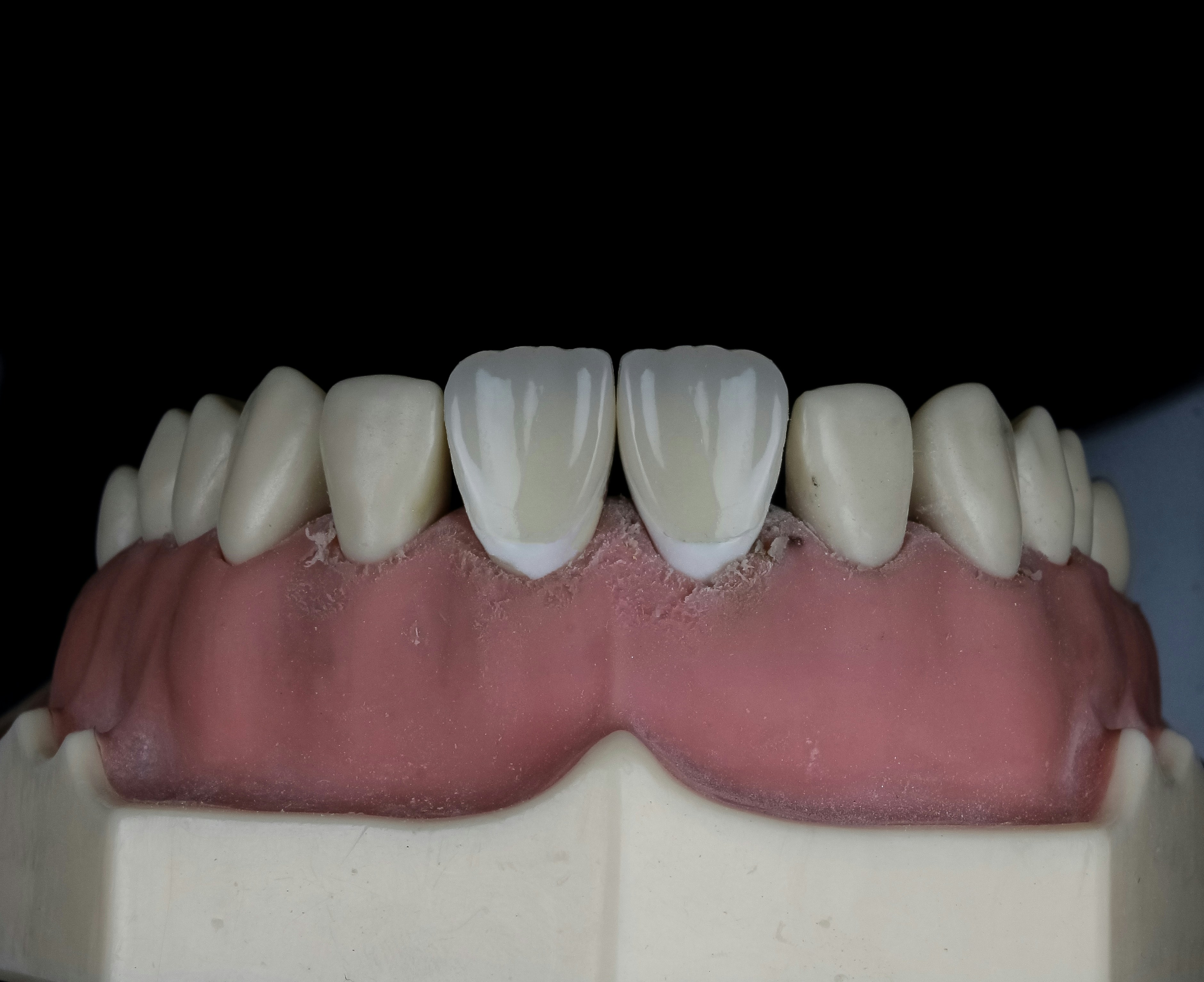
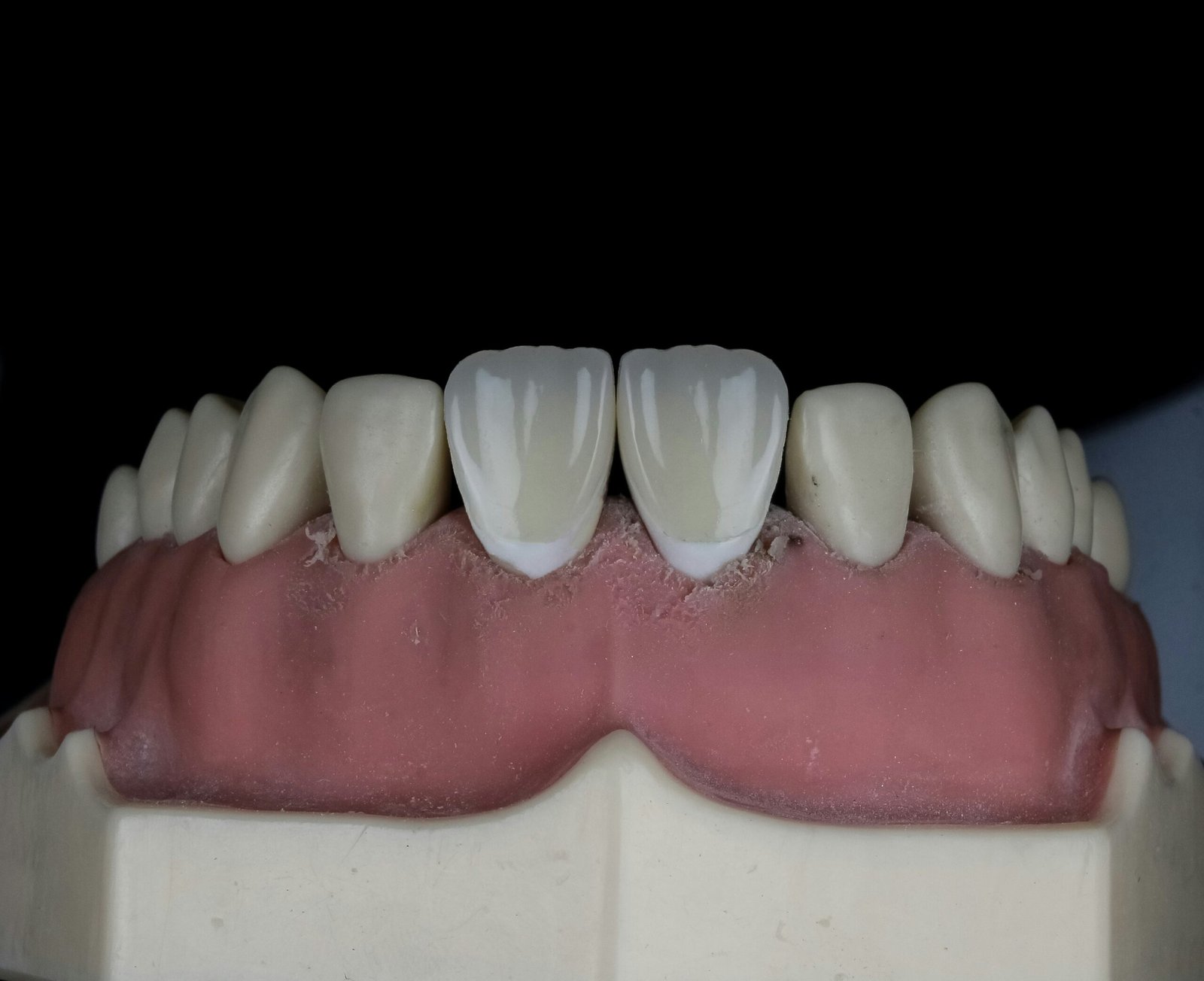
Introduction to Art of Dental Shading Zirconia Bridge
Zirconia bridges are a type of dental prosthesis designed to replace missing teeth, offering significant advantages in both functionality and aesthetics. Composed of zirconium dioxide, these bridges are known for their impressive strength and durability, making them a popular choice among dental professionals and patients alike. Unlike traditional dental materials, zirconia boasts a unique combination of resilience and visual appeal, thereby closely resembling natural tooth enamel.
One of the key benefits of zirconia bridges is their ability to withstand substantial biting forces, ensuring they remain intact for a prolonged period. This exceptional strength is particularly advantageous for patients who lead active lifestyles or those who previously experienced failures with alternative materials. Additionally, zirconia does not require metal components, which minimizes the risk of allergic reactions and enhances its biocompatibility with the human body.
In terms of aesthetics, zirconia bridges are specifically engineered to mimic the translucent qualities of natural teeth. This characteristic is crucial for achieving a seamless integration with the patient’s oral cavity. The innate ability of zirconia to reflect light in a manner similar to natural teeth makes it an ideal choice for dental restorations, satisfying both patient and dentist expectations concerning appearance.
Furthermore, the shading of zirconia bridges plays a pivotal role in their success. Proper shade matching ensures that the bridge complements the surrounding natural teeth, contributing to a unified and attractive smile. The intricate process of achieving the correct shade involves skilled techniques in dental shading, reinforcing the significance of expert craftsmanship in the field of restorative dentistry. As we delve deeper into the art of dental shading, it is essential to recognize the critical attributes of zirconia bridges that make shade matching an essential aspect of their application.
Understanding the Shade Matching Process
The process of shade matching in dentistry is a critical aspect in achieving natural-looking restorations, particularly with zirconia bridges. Dentists and dental technicians utilize both scientific methods and artistic skills to ensure that the color of the dental restoration blends seamlessly with the patient’s existing teeth. This combination of artistry and science enhances patient satisfaction and the overall aesthetic outcome.
Initially, the shade matching process begins with an assessment of the patient’s natural tooth color. Dentists commonly use specialized shade guides that display various dental shades. The shade guide contains a range of colors and translucencies, allowing the practitioner to accurately compare the natural teeth against the options available. Lighting plays a pivotal role in this assessment; therefore, it is advisable to evaluate shades under natural daylight to prevent distortion by artificial lighting.
Beyond mere shade recognition, clinicians must also consider factors such as the translucency and brightness of the natural teeth. Each patient presents unique characteristics; for instance, variations in age or dental wear may alter the appearance of tooth shade. To accommodate these variables, dentists will often take multiple shades into account, identifying a main color and corresponding complementary tones to create a more lifelike appearance.
After determining the appropriate shade, further precision is involved in selecting the right zirconia material, as the composition of the material can influence the final color. Dental technicians work closely with dentists during this stage, honing in on the correct layering and characterization techniques applicable to the zirconia restoration. This collaborative effort ensures that the final product not only matches the shade but also exhibits the desired opacity and overall aesthetics.
The Role of Shade Guides
Shade guides are essential tools in the process of matching zirconia bridge shades to natural teeth. These guides are designed to assist dentists in achieving an accurate color match, ensuring that the final restoration seamlessly integrates with the patient’s existing dentition. Shade matching is a critical component in restorative dentistry, as the esthetic outcome significantly impacts a patient’s confidence and satisfaction.
Typically, shade guides consist of a series of dental shades—often arranged in a spectrum from light to dark—which dentists can use to compare against a patient’s teeth. Each shade is identified with a unique code or label, allowing for precise communication between the dental professional and the dental laboratory. Shade guides come in various materials, including plastic and ceramic, with each type providing different advantages.
Common types of shade guides include conventional guides, which feature a fixed set of shades, and digital shade matching systems, which leverage advanced technology to enhance accuracy. The most frequently used conventional guides are the VITA classical shade guide and the Vitapan 3D-MASTER shade system. The VITA guide employs a systematic approach that categorizes shades based on hue, chroma, and value, while the Vitapan 3D-MASTER allows for a more nuanced selection process. Digital options often utilize a smartphone or camera to capture images of the teeth, analyzing colors and providing a shade recommendation based on algorithms.
The significance of these tools cannot be overstated. An accurate shade match is pivotal not just for aesthetic reasons but also for replicating the optical properties of natural teeth, such as translucency and texture. Consequently, a careful selection process, supported by the use of shade guides, is vital in achieving results that are both visually appealing and functionally adequate for long-term use.
The 16 Shades of Zirconia
In the realm of dental prosthetics, particularly in the application of zirconia bridges, the precise matching of shade to natural teeth is paramount. Dentists utilize a standardized shade system that comprises 16 distinct shades, designed to accommodate the diverse coloration of human teeth. These shades are specifically categorized into groups that represent a spectrum of natural tooth colors, allowing for meticulous customization.
The color shades are typically grouped into categories such as A (red-brown), B (red-yellow), C (grey), and D (reddish-grey). Within these categories, individual shades are numbered, ranging typically from 1 to 4. For instance, a shade categorized under A1 could be a lighter variant, while a shade like A4 would be a darker version within the same tone family. This structured approach facilitates not only the ease of selection but ensures that dental professionals can provide a more accurate match, adhering closely to the patient’s existing dentition.
Additionally, the selection process involves careful consideration of factors such as lighting conditions and the patient’s natural teeth. Dental professionals often utilize a shade guide, approximately aligning the shades of zirconia with the patient’s teeth to determine the most harmonious shade. This attention to detail is critical, as the goal is to ensure that the final restoration seamlessly integrates with the patient’s smile, both in aesthetics and functionality.
The versatility of zirconia material allows it to accept various shades while maintaining its essential properties, thus providing lasting durability. Each of the 16 shades serves to deliver not just a functional solution to tooth replacement but also an enhanced aesthetic, fostering patient confidence in their dental restorations.
Advanced Technology in Shade Matching
In the realm of dental aesthetics, achieving a perfect match for zirconia bridge shades to natural teeth has become increasingly sophisticated. Modern advancements in technology have significantly transformed traditional shade matching techniques, yielding remarkable accuracy and efficiency. Central to these innovations are digital imaging and spectrophotometry, both of which play pivotal roles in enhancing shade matching processes.
Digital imaging employs high-resolution photography and sophisticated software to capture a detailed representation of a patient’s teeth. This method allows dentists to analyze the color, translucency, and surface texture of natural teeth in ways that are not possible with the naked eye. Using specialized cameras and lighting conditions, clinicians can create comprehensive color profiles that contribute to precise shade selection. Additionally, integrating this visual data with dental laboratory software facilitates immediate feedback and adjustments, streamlining the entire aesthetic process.
On the other hand, spectrophotometry is a technique that quantitatively measures the color of the dental structures. This method utilizes light wavelengths to determine the precise color spectrum of a tooth. A spectrophotometer captures these wavelengths and converts them into numerical data, providing a scientific approach to shade matching. This data-driven methodology reduces subjective interpretations and enhances the potential for achieving an optimal color match for zirconia bridges.
Together, these technological advancements significantly reduce the margin of error that may arise from traditional visual assessment methods. The combination of digital imaging and spectrophotometry offers a more systematic approach in determining tooth shades, leading to results that are consistent and aesthetically pleasing. As dental practices continue to adopt these technologies, patients can expect highly customized dental solutions that seamlessly blend with their natural dentition.
The Dentist’s Expertise in Shading
The process of matching zirconia bridge shades to a patient’s natural teeth is a meticulous one, heavily reliant on the expertise of qualified dentists. Dentists undergo extensive training to develop their skills in dental shading, gaining knowledge about color theory, tooth morphology, and the intricacies of various materials used in prosthetic dentistry. This specialized training allows them to accurately assess different shades and textures of natural teeth, ensuring an aesthetically pleasing result.
Upon evaluating the dental anatomy of each patient, dentists utilize their clinical experience to guide them in selecting the appropriate shade for zirconia bridges. They engage in a series of assessments, where factors such as lighting conditions, surrounding tooth colors, and individual patient preferences come into play. This level of meticulous observation is critical, as even slight variations in shading can lead to noticeable discrepancies in the final appearance of the dental restoration.
Moreover, the dentist’s skills extend beyond mere identification of color. They are also trained to interpret and understand the nuances of each patient’s smile design, which is essential for achieving a harmonious look. With advances in dental technology, some dentists use digital tools to further refine their shade selection, ensuring that patients receive the most accurate match possible. This technological integration, combined with the dentist’s artistry and understanding of dental aesthetics, plays a vital role in enhancing the overall success of the zirconia bridge shading process.
Ultimately, the collaborative effort between the patient and dentist is paramount in achieving an optimal result. The dentist’s keen eye for detail, along with their extensive knowledge and experience, enables them to select the ideal zirconia shade that resonates with the patient’s natural dentition, resulting in a successful and aesthetically pleasing outcome.
Patient Involvement and Communication
Effective communication between dentists and patients plays a crucial role in achieving a satisfactory outcome in the shading process for zirconia bridges. The first step involves educating the patient about their options, which helps demystify the procedures involved in matching zirconia bridge shades to natural teeth. This understanding fosters an environment where patients can express their preferences and concerns regarding the final appearance of their dental restoration.
During the initial consultation, dentists typically assess the color of the patient’s natural teeth using advanced shade-matching tools. However, the input from the patient is invaluable during this process. For instance, patients might have specific expectations about the brightness and color nuances they desire in their zirconia bridge. Consequently, active participation of the patient ensures that their aesthetic needs are accurately represented in the final result.
Additionally, feedback loops between dentist and patient can significantly enhance the efficacy of shading choices. After presenting an initial color recommendation, dentists should encourage open conversations about the chosen shade, whether it meets aesthetic desires, and if any adjustments are necessary. Such exchanges not only clarify preferences but also help to build trust, reinforcing the collaborative nature of dental care.
Importantly, the involvement of patients extends beyond mere color matching; it also shapes the overall treatment experience. When patients feel heard and involved, their confidence in the dental professional increases, leading to improved satisfaction with the end result. By prioritizing effective communication and patient engagement, dental professionals can ensure that the adaptation of zirconia bridge shades aligns seamlessly with the patient’s expectations, ultimately resulting in a more harmonious smile.
Common Challenges in Shade Matching
The process of shade matching for dental restorations, particularly zirconia bridges, involves several intricate challenges that dental professionals must navigate. One of the primary factors influencing this process is the lighting conditions in which the shade assessment occurs. Natural and artificial lighting can dramatically alter the appearance of tooth color, obscuring the dentist’s ability to accurately determine the match. Variations in light source, such as fluorescents versus daylight, can create significant discrepancies in perceived shades, complicating the matching process.
Another challenge lies in the translucence of teeth. Natural teeth possess varying degrees of translucency, which plays a crucial role in how light interacts with them. A zirconia bridge needs to mimic this characteristic precisely; otherwise, the restoration may appear unnaturally opaque or dissimilar to the existing teeth. Thus, understanding the translucence levels of both natural teeth and the materials used in dental procedures becomes essential. Dentists often have to consider layering techniques to replicate this translucence effectively.
Individual variations in tooth color are also significant hurdles in achieving an accurate shade match. Factors such as age, dietary habits, and oral health can lead to unique discolorations that differ from patient to patient. This adds a level of complexity, as dentists must customize their approach based on these particularities. Furthermore, patient expectations and personal preferences can impact the outcome, necessitating sensitive communication between the dentist and the patient regarding desired results and realistic outcomes.
In summary, shade matching is not a straightforward task. The interplay of lighting, translucence, and individual color variations presents dental professionals with unique challenges in their quest to achieve seamless aesthetic restorations. The art of matching zirconia bridges to natural teeth demands not only skill but also a deep understanding of these contributing factors.
Conclusion and Key Takeaways
In the field of aesthetic dentistry, achieving an impeccable match between a zirconia bridge and the surrounding natural teeth is paramount. Throughout the blog post, we have explored the intricate process of dental shading and the various methodologies that contribute to achieving lifelike restorations. The use of advanced technology, including digital shade matching and color analysis tools, has significantly enhanced the precision of this process.
Key takeaways from our discussion include the importance of a comprehensive assessment by the dentist, which allows for meticulous selection of the appropriate zirconia shade. Factors such as lighting conditions, the translucency of the materials, and the unique characteristics of the patient’s natural teeth are all critical in this evaluation process. The artistry involved in dental shading cannot be overstated; it combines scientific principles with the dentist’s skills and aesthetic judgment.
Moreover, it’s evident that continuous advancements in dental materials and techniques are paving the way for more predictable outcomes. Zirconia, known for its strength and aesthetic qualities, has become a favored option for dental restorations. As dentists become more adept in utilizing these modern tools and materials, the gap between artificial and natural teeth continues to narrow.
Ultimately, highlighting the importance of shade matching in aesthetic dentistry fosters a greater understanding of the complexities involved. Patients seeking dental restorations should feel assured knowing the level of expertise dedicated to achieving results that blend seamlessly with their existing dentition. The art of dental shading is not merely a technical task, but a sophisticated practice that plays a crucial role in restoring confidence and enhancing smiles.