The Benefits of Zirconia Bridges and Broxism treatment
Bruxism is a condition characterized by the involuntary grinding or clenching of teeth, often occurring during sleep or periods of heightened stress. This condition can affect individuals across various age groups, from children to adults, highlighting its widespread prevalence. Research indicates that about 8-10% of the adult population experiences bruxism, with evidence suggesting that the rates may be higher among certain demographic groups, such as those facing significant life stressors.
The contributing factors to bruxism can be multifaceted. Stress and anxiety are among the primary triggers, as individuals often resort to grinding their teeth as a coping mechanism during times of tension. Additionally, sleep disorders, such as sleep apnea, have been linked to increased episodes of bruxism, complicating the interplay between sleep quality and dental health. Other factors may include lifestyle choices like excessive caffeine or alcohol consumption, and specific medications that may provoke teeth grinding as a side effect.
The effects of bruxism extend beyond mere wear and tear on dental enamel. Physically, individuals may experience a range of discomforts, including jaw pain or tension, headaches, and earaches, due to the strain placed on the temporomandibular joint (TMJ). Over time, continued grinding can lead to significant dental health issues such as chipped or cracked teeth, increased tooth sensitivity, and even gum recession. The emotional ramifications are equally concerning, as the persistent pain and discomfort associated with bruxism can lead to heightened anxiety, decrease overall quality of life, and create a cycle of stress that perpetuates the condition. Understanding the complexities of bruxism is crucial in addressing its long-term implications and guiding effective treatment approaches.
What is a Zirconia Bridge?
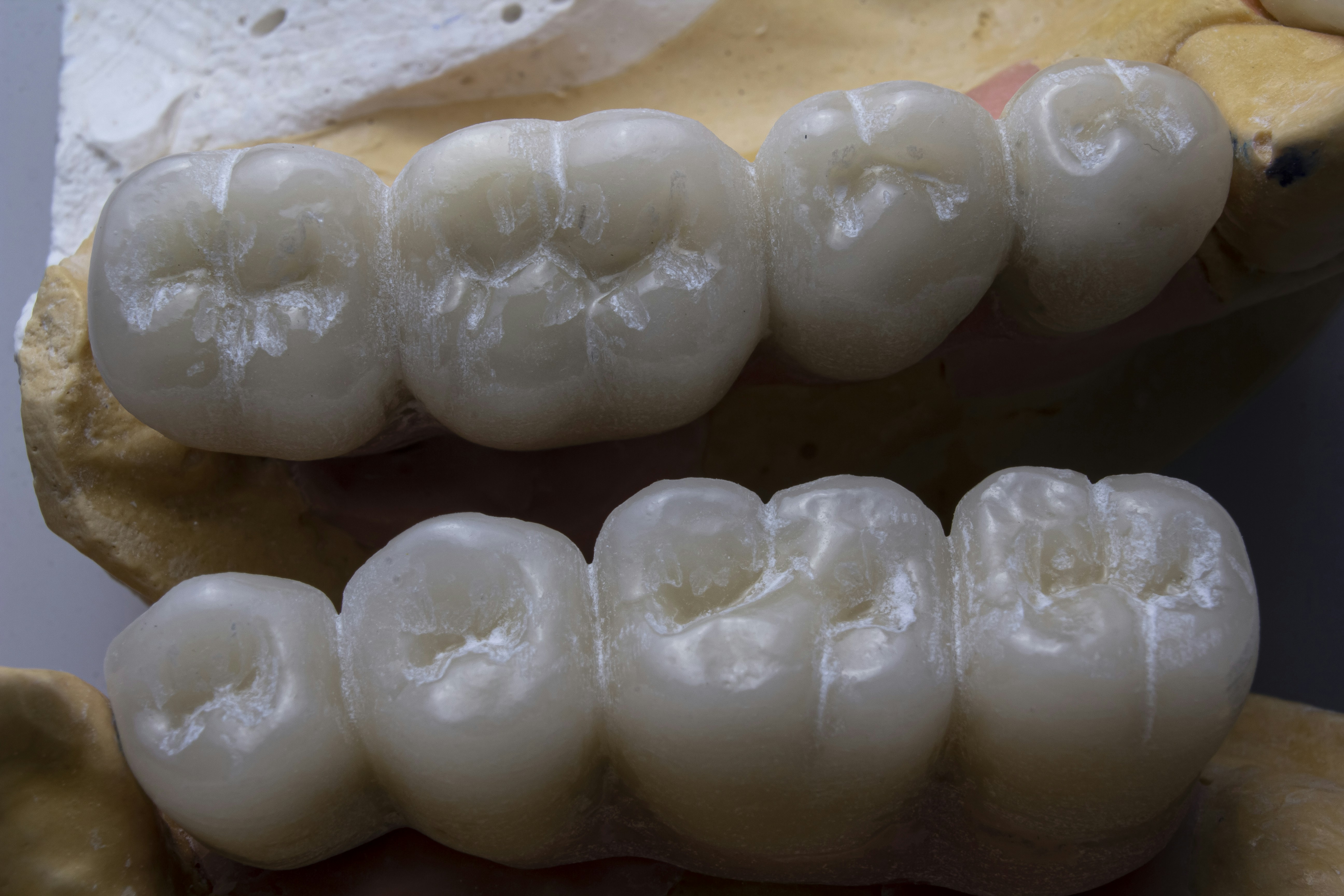
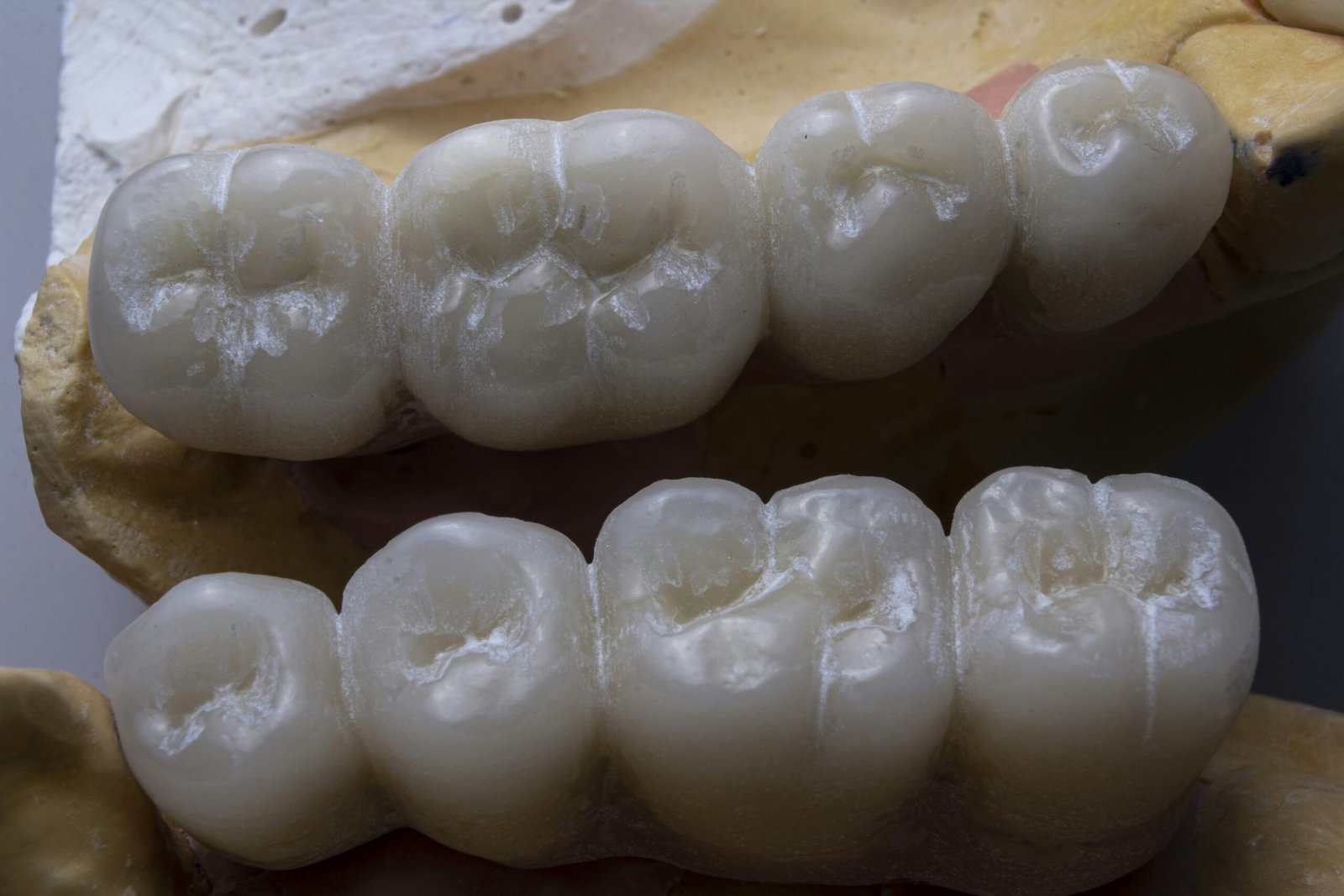
Zirconia bridges are a modern dental restoration option designed to replace missing teeth while offering superior strength and aesthetics. The primary material, zirconium dioxide, is a high-performance ceramic that possesses remarkable physical properties, making it particularly suitable for dental applications. Unlike traditional materials, zirconia is known for its exceptional durability and resistance to wear, which is especially beneficial for individuals who grind their teeth, a condition known as bruxism.
One of the standout qualities of zirconia lies in its ability to closely mimic the translucent properties of natural teeth. This characteristic allows zirconia bridges to blend seamlessly with surrounding dental structures, providing a more natural appearance compared to metal-based restorations. Patients often choose zirconia bridges not only for their functional benefits but also for the aesthetically pleasing results they offer.
The fabrication process of zirconia bridges utilizes advanced technology to ensure precision and accuracy. Initially, dental professionals take digital impressions of the patient’s teeth, which are then used to create a 3D model. This model serves as the foundation for crafting the bridge using state-of-the-art 3D printing technology. This method allows for an accurate representation of the patient’s oral anatomy, leading to a better fit and enhanced comfort. Once the zirconia bridge is fabricated, it undergoes several finishing processes to achieve the desired aesthetic qualities.
Overall, zirconia bridges are a highly effective solution for those seeking a durable and visually appealing option for tooth restoration. Their unique properties make them particularly advantageous for individuals dealing with the challenges posed by teeth grinding, ensuring both functionality and aesthetic satisfaction in dental treatments.
Zirconia has emerged as a superior material for dental restorations, particularly for patients suffering from bruxism—an involuntary grinding or clenching of teeth. One of the key advantages of zirconia is its remarkable fracture toughness, which allows it to endure the significant stresses placed upon it by grinding. Unlike traditional dental materials such as porcelain or metal, zirconia can withstand the excessive forces associated with bruxism, making it a reliable choice for dental bridges in these cases.
The high strength-to-weight ratio of zirconia is particularly beneficial for bruxism patients, as it provides enhanced durability without compromising the aesthetics of the dental work. Zirconia bridges not only resist cracking under pressure, but they also maintain their structural integrity over time, which is crucial for individuals who experience frequent episodes of grinding. This robustness translates to fewer replacements or repairs, thus contributing to long-term cost savings and improved patient satisfaction.
Moreover, the biocompatibility of zirconia promotes oral health, reducing the risk of allergic reactions typically associated with metal-based dental materials. The smooth surface of zirconia is less prone to plaque accumulation, which helps maintain gum health and minimizes the likelihood of further dental complications often faced by individuals with bruxism.
Additionally, advancements in dental technology have allowed for the development of highly aesthetic zirconia options that mimic the appearance of natural teeth. This is crucial for patients seeking a functional yet visually appealing solution to their dental needs. With the combination of strength, aesthetics, and biocompatibility, zirconia bridges are now regarded as an optimal choice for patients suffering from bruxism.
Dental Benefits of Zirconia Bridges
Zirconia bridges offer numerous advantages for individuals suffering from bruxism, a condition characterized by teeth grinding. One of the primary benefits of zirconia is its exceptional durability. Unlike traditional materials, zirconia has a high fracture toughness, making it resistant to wear and breaking under pressure. This durability is particularly crucial for bruxism patients, as their teeth endure significant stress from grinding. As a result, zirconia bridges can withstand the forces exerted during these episodes, contributing to their longevity and reliability as a dental restoration option.
Another noteworthy advantage of zirconia bridges is their biocompatibility. Zirconia is metal-free, which minimizes the risk of allergic reactions or sensitivities, often associated with conventional metal alloys. This property is particularly important for patients with a history of dental allergies. Moreover, the compatibility of zirconia with human tissue ensures reduced inflammation and a smoother healing process, further enhancing its viability as a dental restoration.
Beyond functionality, zirconia bridges provide a natural appearance that closely resembles natural teeth. Their translucency allows them to mimic the aesthetic qualities of enamel, facilitating seamless integration into the patient’s smile. This aesthetic appeal can greatly enhance self-esteem and confidence, which often suffer due to the presence of dental restorations. Additionally, zirconia is resistant to staining, ensuring that patients can maintain a bright and appealing smile without the worry of discoloration over time.
In summary, the durability, biocompatibility, natural appearance, and resistance to staining make zirconia bridges an exceptional choice for individuals with bruxism. These factors not only contribute to the long-term success rates of dental restorations but also promote overall oral health and enhance patient satisfaction.
Treatment Process: Getting a Zirconia Bridge
The process of obtaining a zirconia bridge is systematic, ensuring that patients experience both comfort and efficiency. Initially, the journey commences with an initial consultation where the dentist evaluates the patient’s oral health. During this visit, patients will discuss their specific needs, particularly considering issues related to grinding teeth, which can influence the choice of materials used for bridges.
Following the consultation, diagnostic imaging is employed. This may include X-rays or 3D imaging to provide a clear picture of the oral structure. These images help the dentist to precisely plan the bridge placement, ensuring it aligns perfectly with the existing teeth while accommodating the effects of bruxism, or teeth grinding.
Once the assessment is complete, the dentist will proceed to the preparation phase. This involves preparing the adjacent teeth for the bridge, a step essential for a snug fit. After preparation, temporary crowns are placed to protect the modified teeth until the zirconia bridge is ready. These temporary restorations are designed for comfort and proper functionality, allowing patients to maintain normal eating and speaking habits during the interim period.
The final stage of the process involves the fitting of the zirconia bridge. During this appointment, the dentist will remove the temporary crowns and place the permanent zirconia restoration. The aesthetic appeal and durability of zirconia make it an excellent choice, especially for individuals who grind their teeth. Adjustments may be made to ensure optimal fit and comfort before cementation. Overall, the timeline from consultation to final fitting typically spans several weeks, ensuring every aspect is tailored to the patient’s needs.
Aftercare and Maintenance of Zirconia Bridges
Once zirconia bridges have been placed, proper aftercare and maintenance are crucial to ensuring their longevity and functionality. Good oral hygiene practices must be established. Patients should brush their teeth at least twice a day using a fluoride toothpaste, focusing on the areas surrounding the bridges. Flossing is equally important; however, traditional floss can often be challenging to navigate around fixed bridges. Instead, consider using interdental brushes or soft picks designed to clean around dental work effectively.
In addition to maintaining an effective oral hygiene routine, dietary choices also play a significant role in the care of zirconia bridges. It is advisable to avoid excessively hard or sticky foods that may cause undue stress or damage to the bridges. Foods such as nuts, ice, and hard candies should be consumed with caution or avoided altogether. Incorporating a balanced diet rich in vitamins and minerals will also support overall oral health, which indirectly benefits the durability of zirconia bridges.
Regular dental visits are essential for anyone with zirconia bridges. Dentists can monitor the condition of the bridges and assess any potential wear caused by teeth grinding, a condition known as bruxism. For individuals who grind their teeth, the use of mouthguards may be recommended. Mouthguards can provide an additional layer of protection for both the zirconia bridges and the surrounding teeth, helping to alleviate pressure during episodes of grinding. In some cases, orthodontic braces may also be employed alongside zirconia bridges to ensure a proper bite alignment, thereby reducing the risk of additional strain on the dental structure.
By adhering to these aftercare recommendations, individuals can maximize the lifespan and efficiency of their zirconia bridges while maintaining overall oral health.
Comparing Zirconia Bridges to Other Restoration Options
The quest for reliable dental restorations is vital for individuals dealing with tooth loss, especially those who grind their teeth. Among the various options available, zirconia bridges have gained prominence. To provide a comprehensive understanding, we will compare zirconia bridges with porcelain-fused-to-metal (PFM) bridges and all-ceramic bridges, particularly focusing on their performance in the stressful environment of teeth grinding.
Zirconia bridges are known for their impressive durability. Made from a solid ceramic material, zirconia provides excellent resistance to the forces generated by bruxism, a condition characterized by excessive teeth grinding. In contrast, PFM bridges, which combine metal frameworks with a porcelain overlay, may not withstand the same level of stress. The metal core of PFM can lead to chipping or fractures in the porcelain, particularly in patients who exhibit chronic grinding habits. Moreover, the metal in PFM can become exposed if the porcelain wears away, which may not only affect aesthetics but also compromise the bridge’s functionality.
All-ceramic bridges are another alternative; however, they are often less durable than zirconia options. While all-ceramic bridges are aesthetically pleasing and can mimic the natural appearance of teeth effectively, they may lack the resilience required to endure the forces produced during grinding. They are more susceptible to fracture compared to zirconia due to their lower tensile strength. In contrast, zirconia’s inherent toughness makes it a more reliable choice for individuals who grind their teeth, providing both functionality and longevity.
In summary, while each type of restoration has its own merits, zirconia bridges stand out for their superior strength and durability against the pressures of bruxism, making them a compelling option for patients requiring dental restoration solutions.
Real Patient Experiences: Testimonials
Patients who have opted for zirconia bridges due to teeth grinding often share enlightening testimonials that highlight the benefits and transformative effects these dental solutions have on their lives. These real-life anecdotes present a vivid picture of the decision-making process and the resulting improvements in both dental health and overall quality of life.
One patient, Tom, age 45, recounts his challenges with severe teeth grinding resulting from stress. “I was at a loss for what to do with my dental issues. I was breaking my teeth, and my dentist suggested zirconia bridges as a durable alternative. Initially hesitant, I chose zirconia after learning about its strength and natural appearance,” he shares. After the procedure, Tom notes a significant improvement not just in the aesthetics of his smile but also in his confidence. He states, “I can eat and smile without worrying about damage. My quality of life has undeniably enhanced since I received my bridges.”
Another patient’s experience, Jessica, age 32, highlights the restorative aspect of zirconia. “I had been living with pain and sensitivity for years. The tooth grinding exacerbated my situation, making life unbearable at times. The decision to choose zirconia bridges stemmed from my desire for a long-term solution,” she explains. Jessica emphasizes that the smooth and comfortable fit of zirconia has dramatically reduced her discomfort. “I can now enjoy my meals without the fear of pain. It has truly changed my daily life for the better,” she adds.
These testimonials reflect the broader sentiment among those who choose zirconia bridges. Many patients appreciate not only the physical benefits but also the psychological uplift that accompanies improved dental health. The stories of Tom and Jessica serve as an encouraging reminder of the potential positive impact zirconia bridges can have on individuals dealing with the challenges of teeth grinding.
Conclusion: The Right Choice for Bruxism Sufferers
In conclusion, zirconia bridges present a robust and aesthetically pleasing solution for individuals suffering from bruxism, a condition characterized by the grinding of teeth. This dental issue not only leads to significant wear and tear on existing teeth but can also result in severe discomfort and additional dental complications. Zirconia bridges, due to their exceptional durability and strength, stand out as an ideal choice for those affected by this condition.
The key benefits of natural esthetics, biocompatibility, and resistance to wear are particularly significant for bruxism sufferers. Unlike traditional materials, zirconia can withstand the intense pressures associated with tooth grinding, thus reducing the likelihood of damage. Additionally, zirconia bridges do not compromise the integrity of the surrounding gum tissue, making them a favorable option for long-term dental health.
Personalized treatment is essential for effectively addressing the challenges posed by bruxism. Patients are encouraged to consult their dentists to discuss the suitability of zirconia bridges in conjunction with their specific dental needs and lifestyle. Every bruxism sufferer has unique requirements based on the severity of their condition, which makes a tailored approach paramount.
In summary, zirconia bridges offer not only functionality but also a cosmetic advantage for those dealing with the effects of teeth grinding. Embracing this advanced dental solution can significantly enhance quality of life, thereby making it a worthwhile consideration for any individual suffering from bruxism.