Introduction to Understanding Zirconia Bridges
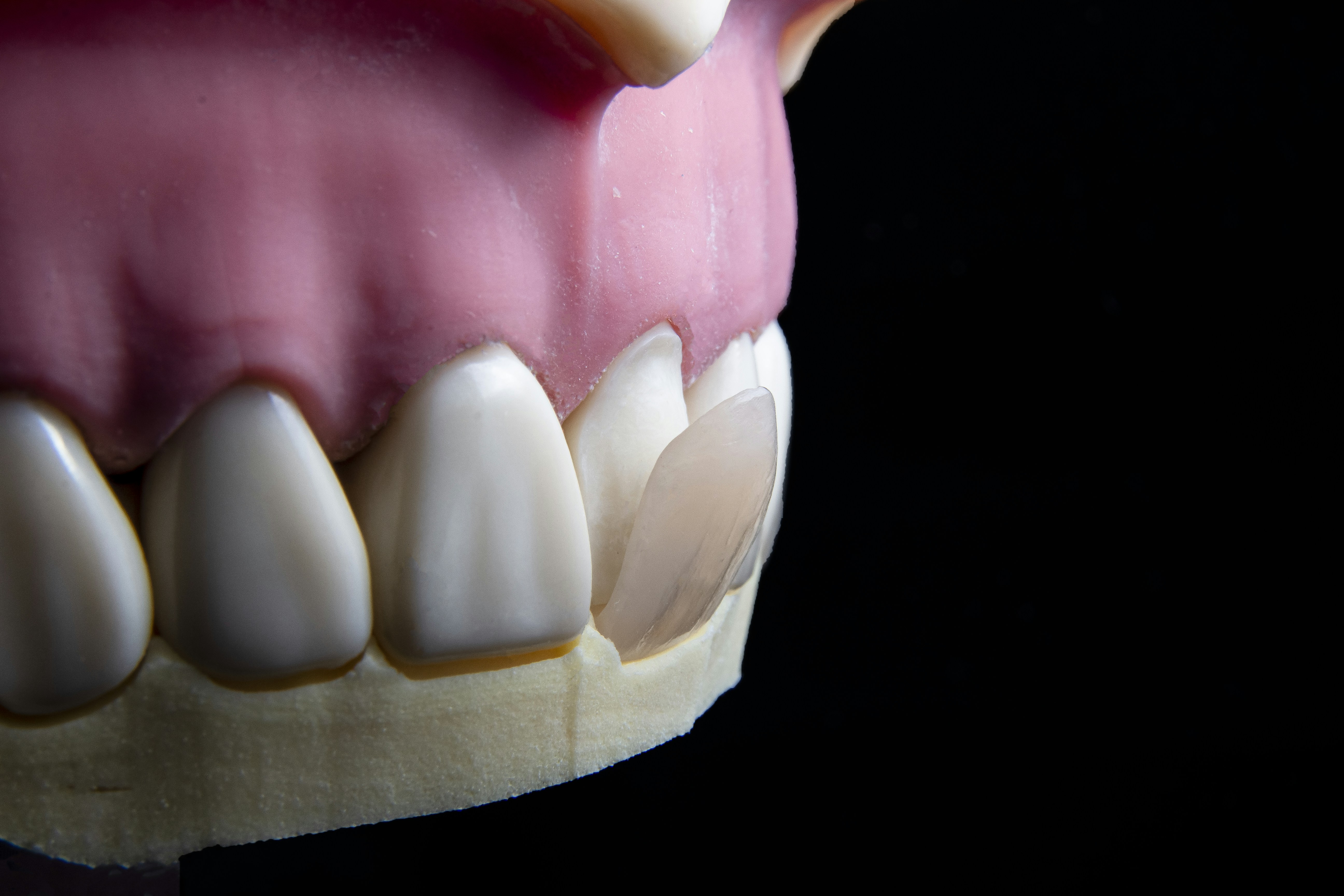
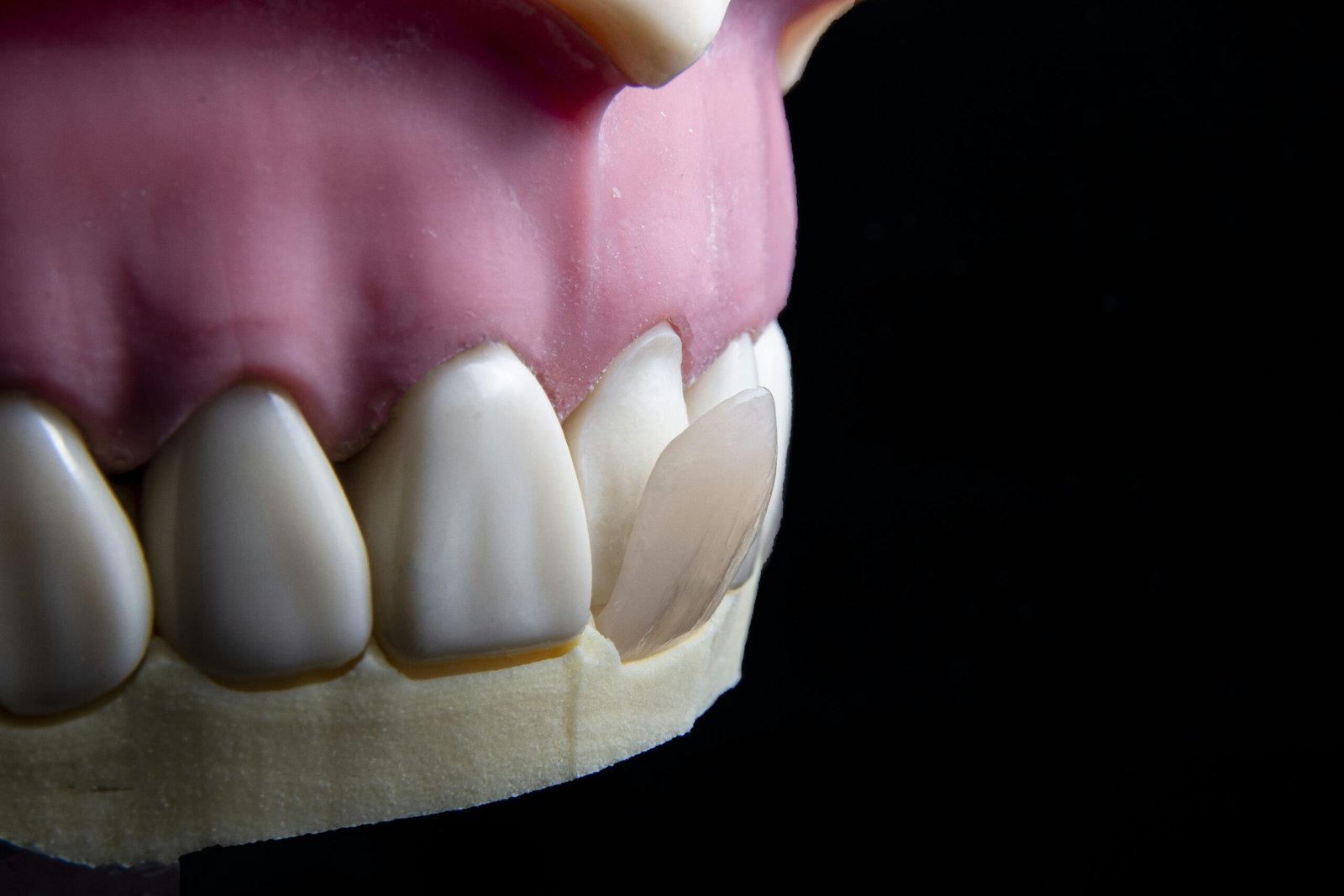
Zirconia bridges are a type of dental prosthesis widely utilized in restorative dentistry, specifically designed to replace missing teeth. The primary objective of these bridges is to restore functionality and aesthetics in a patient’s oral cavity. Constructed from zirconium dioxide, a ceramic material, zirconia bridges are well-regarded for their combination of strength, durability, and a visually pleasing appearance, closely mimicking the natural color of teeth.
One of the main reasons zirconia bridges have gained popularity among dental professionals and patients alike is their remarkable biocompatibility. This means they are less likely to cause adverse reactions in the body, making them suitable for a broad range of patients, including those with metal sensitivities. Additionally, zirconia bridges exhibit excellent fracture resistance, which is a crucial property given the substantial stresses that dental restorations endure during biting and chewing. This characteristic helps ensure their longevity and reliability in dental applications.
Over the years, advancements in dental technology have enhanced the fabrication methods for zirconia bridges, allowing for more precise fit and improved aesthetics. Techniques such as computer-aided design and manufacturing (CAD/CAM) have been pivotal in creating custom restorations that align well with the patient’s natural dentition. This tailored approach not only enhances the functional performance of the bridges but also improves their visual appeal, making them a favored option for those seeking high-quality dental restorations.
Overall, zirconia bridges represent a significant advancement in dental materials, balancing strength and aesthetics, which makes them a viable choice for individuals requiring restorative solutions. As dental practices continue to evolve, understanding the properties and performance of zirconia will be vital for both practitioners and patients when considering their dental restoration options.
What is Zirconia?
Zirconia, or zirconium dioxide (ZrO2), is a crystalline material that exhibits remarkable properties making it particularly valuable in various industrial and medical applications, including dentistry. It is derived from zircon, a naturally occurring mineral found in sand-like deposits. With a high melting point and excellent thermal stability, zirconia is a versatile material that provides strength and durability, characteristics essential for dental restorations.
One of the primary characteristics of zirconia is its superior strength compared to other dental materials. Zirconia bridge can withstand substantial biting forces, making it an ideal choice for creating dental bridges and crowns. It possesses a flexural strength of over 1,000 MPa, which significantly reduces the risk of fracture under normal functional pressures in the oral cavity. Alongside its strength, zirconia is also aesthetically pleasing, mimicking the translucency of natural teeth, thus enhancing the overall appearance of dental restorations.
The processing of zirconia for dental applications involves several sophisticated techniques, such as computer-aided design and computer-aided manufacturing (CAD/CAM). These processes enable the creation of precise dental restorations, tailored to the contours and sizes of individual patients’ teeth. Advanced sintering techniques further improve zirconia’s density and mechanical properties, thereby ensuring robust and lasting ceramic components.
Moreover, zirconia exhibits biocompatibility, rendering it suitable for use in the human body without adverse reactions. This characteristic makes it an excellent choice for dental implants and prosthetics, as it integrates well with bone and soft tissue. The overall combination of strength, aesthetics, and biocompatibility ensures that zirconia remains a favored material in modern dental practices, particularly for long-term restorative solutions.
Fracture Toughness Explained
Fracture toughness is a critical property of dental materials that indicates their ability to resist crack propagation when subjected to stress. In the context of dental restorations such as zirconia bridges, understanding this property is essential for assessing their durability and performance in the oral environment. The higher the fracture toughness, the more resistant the material is to fracturing under load, which is particularly important given the forces exerted during chewing.
The measurement of fracture toughness in zirconia is generally conducted using standardized testing methods such as the single-edge notch beam (SENB) test or the compact tension (CT) test. These methods allow for the quantification of the stress intensity factor at the crack tip, providing insights into how the material will behave under various loading conditions. For zirconia, typical values of fracture toughness range from 6 to 10 MPa·m1/2, which is significantly higher than that of many other dental materials.
In addition to absolute values, factors such as microstructure and phase stability also play a significant role in the effective fracture toughness of zirconia. The tetragonal phase of zirconia can transform to the monoclinic phase when a crack propagates, which helps to absorb and redistribute stress, consequently enhancing its resistance to fracture. Industry standards, such as ISO 6872, provide guidelines not only for the measurement of fracture toughness but also for other mechanical properties critical to assessing the suitability of zirconia in dental applications.
Thus, the incorporation of zirconia in dental bridges is often favored due to its substantial fracture toughness, making it an ideal choice for patients requiring resilient solutions. A thorough understanding of fracture toughness and its implications guarantees the longevity and reliability of dental restorations.
Why Zirconia is Called ‘Ceramic Steel’
Zirconia, known in the dental field as a modern restorative material, earns the moniker ‘ceramic steel’ due to its exceptional combination of strength, durability, and aesthetic appeal. This advanced ceramic possesses mechanical properties that are comparable to those of metals, hence the nickname. Unlike traditional ceramics, zirconia exhibits a remarkable resistance to fracture, making it a preferred choice for dental applications, such as bridges and crowns.
The term ‘ceramic steel’ reflects zirconia’s ability to withstand significant stress and impact without compromising its integrity. This resilience stems from its unique crystalline structure, which allows zirconia to maintain its strength, even under the pressures of chewing and grinding. While standard ceramics can be brittle, leading to potential fractures, zirconia’s layered microstructure ensures it can distribute force more evenly, reducing the likelihood of damage.
Additionally, zirconia is highly biocompatible, making it suitable for long-term dental restorations. Its resistance to wear and tear, alongside its stability in oral environments, positions zirconia as an optimal material choice for both functional and cosmetic purposes. The presence of zirconia in dental prosthetics allows for the creation of lifelike restorations, enhancing not only the function of a patient’s dentition but also their overall appearance.
Furthermore, the aesthetic properties of zirconia allow it to mimic the translucency of natural teeth. This dual capability of strength and beauty significantly contributes to its popularity. As a result, many dental professionals prefer zirconia, contributing to its reputation as ‘ceramic steel.’ In the context of durability and aesthetics, the term encapsulates the transformative potential of zirconia in contemporary dental care.
Heavy Biting Forces: Understanding the Impact
Biting forces are a critical aspect of dental applications, particularly when considering restorative options like zirconia bridges. These forces result from the functional and dynamic movements of the jaw, which can vary significantly among individuals based on factors such as bite alignment, chewing habits, and overall dental health. Understanding how zirconia bridges interact with these forces is essential for assessing their durability and reliability.
Research indicates that zirconia, a ceramic material known for its excellent mechanical properties, demonstrates commendable resistance to fracture under heavy biting forces. A study published in the “Journal of Dental Research” highlights that zirconia bridges maintain structural integrity even when subjected to occlusal forces that exceed typical chewing pressures. These findings underscore zirconia’s ability to withstand the rigors of daily functionality in the oral environment.
Moreover, studies examining the longevity of zirconia dental restorations reveal that, unlike traditional materials, zirconia exhibits a higher resistance to wear and tear over time. In a clinical setting, zirconia bridges have been shown to have a lower incidence of chipping and cracking compared to other materials. This aspect is particularly significant as heavy biting forces can lead to micro-fractures in inferiorly rated alternatives, emphasizing zirconia’s capability to deliver both aesthetic and functional benefits without compromising durability.
However, it is vital to note that while zirconia bridges are inherently strong, their performance can be influenced by factors such as the quality of the underlying tooth structure, the precision of the dental fabrication process, and adherence to proper occlusal schemes. Diligent attention to these factors can enhance the resilience of zirconia restorations against the demands of heavy biting forces, making them a critical consideration in modern dentistry.
Common Myths About Zirconia Bridges
Zirconia bridges have become increasingly popular in modern dentistry due to their aesthetic appeal and strength. However, several myths persist regarding their durability, particularly the misconception that they are prone to fracturing. This section will clarify these myths and present factual information.
One prevalent myth is that zirconia bridges are easily breakable. In fact, zirconia is known for its high strength and fracture toughness, making it a reliably durable option for dental restorations. Research indicates that when properly fabricated and installed, zirconia bridges can withstand significant chewing forces without fracturing. Experts suggest that the material properties of zirconia, combined with advances in dental technology, contribute to creating resilient dental solutions.
Another commonly held belief is that zirconia bridges lack the necessary flexibility to be used in dental applications. However, this is misleading. While zirconia is known for its rigidity, this quality offers benefits in load-bearing situations. Dental professionals have designed zirconia bridges to distribute occlusal forces evenly, thus reducing the likelihood of fracture during routine use.
Some patients are also concerned about the appearance of zirconia bridges, assuming they do not blend well with natural teeth. In reality, modern zirconia can be digitally customized to closely match the color and translucency of natural dentition, ensuring a seamless aesthetic result. This option shows that zirconia bridges are not only strong but also capable of offering a pleasing appearance.
Overall, it is crucial to differentiate fact from fiction regarding zirconia bridges. Understanding the material’s durability and aesthetic potential can help patients make informed decisions about their dental restoration options. As research continues and technology advances, zirconia remains one of the most viable choices available to patients seeking reliable and appealing dental solutions.
Factors Influencing the Fracture Resistance of Zirconia Bridges
The fracture resistance of zirconia bridges can be significantly influenced by a variety of factors, which are essential for dental practitioners to consider. One primary factor is the manufacturing process used to create the zirconia material. High-quality manufacturing techniques, such as computer-aided design and computer-aided manufacturing (CAD/CAM), ensure that the bridges are crafted with precision, enhancing their durability. Additionally, the sintering temperature during the production process is crucial, as higher temperatures can increase the strength of the zirconia, thus improving its fracture resistance.
The design of the zirconia bridge itself also plays a vital role in its ability to withstand stress. A well-designed bridge that distributes forces evenly across its structure can significantly reduce the risk of fractures. Factors such as the thickness of the material, the overall shape, and the contour of the bridge will influence how it responds to biting forces. For instance, increased thickness in certain areas can provide additional strength, while an optimized contour can minimize stress concentrations that could lead to failures.
Furthermore, the patient’s individual biting patterns and habits contribute to the overall longevity and durability of zirconia bridges. Patients who exhibit strong forces during biting or grinding may place additional stress on their dental restorations, thereby increasing the likelihood of fractures. Therefore, it is recommended that dentists assess each patient’s specific chewing dynamics and encourage them to maintain good oral health practices to minimize risks associated with excessive force. In conclusion, understanding these various factors is critical for enhancing the fracture resistance of zirconia bridges and ensuring their long-term success in dental applications.
Clinical Studies and Results on Zirconia Bridges
Zirconia bridges have garnered significant attention in the field of dentistry due to their remarkable properties, especially concerning durability and aesthetic appeal. Recent clinical studies have aimed to evaluate the performance and longevity of zirconia bridges, particularly focusing on their fracture resistance in various applications.
One pivotal study conducted by Choe et al. (2021) examined the clinical outcomes of zirconia bridges over a five-year period. The results indicated a survival rate of over 95% without any significant fractures, which underscores the material’s robustness. In addition, this study highlighted the minimal wear on opposing dentition, affirming the material’s suitability for long-term use.
Another important research effort led by He et al. (2022) directly addressed the impact of different loading conditions on zirconia bridge fractures. Their findings showed that zirconia demonstrates superior fracture resistance compared to conventional metal-ceramic bridges under similar stresses. The team utilized advanced technology, such as finite element analysis (FEA), to simulate clinical scenarios, reinforcing the hypothesis that zirconia is less susceptible to failure than traditional materials.
A comprehensive review by Zhang et al. (2023) further supports these findings, aggregating data from multiple studies and emphasizing that the fracture toughness of zirconia allows for thinner restorations, potentially preserving more tooth structure. The review highlights that while no material is entirely impervious to fractures, the advanced formulations of zirconia exhibit significantly enhanced properties compared to earlier iterations.
Overall, the evidence gathered from these clinical studies firmly supports the claims regarding the fracture resistance and longevity of zirconia bridges. Such findings not only validate its application in prosthodontics but also provide reassurance to both clinicians and patients regarding the reliability of zirconia as a restorative material.
Conclusion and Recommendations for Dental Professionals and Patients
In light of the discussion surrounding zirconia bridges and their structural integrity, it is paramount to understand both the advantages and limitations of this material. Zirconia bridges are renowned for their aesthetic appeal, biocompatibility, and durability, making them a favored choice in modern dentistry. However, despite their numerous benefits, there remains a risk of fracture, particularly under certain conditions such as excessive occlusal forces or inadequate fitting.
Dental professionals should conduct thorough assessments before recommending zirconia bridges as a viable solution for patients. Factors such as the patient’s bite force, oral hygiene habits, and the specific location of the bridge should influence the decision-making process. Utilizing advanced imaging techniques and employing precise fitting practices can enhance the longevity and performance of zirconia restorations, thereby minimizing the likelihood of fractures.
For patients contemplating zirconia as a restoration option, it is essential to engage in open discussions with their dental practitioners. Patients should be informed about the potential for fracture and understand the factors that can impact the durability of their bridges. Regular dental check-ups and maintaining good oral hygiene will also play a crucial role in prolonging the lifespan of zirconia bridges, as any underlying dental issues can lead to complications.
Ultimately, while zirconia bridges present a robust solution for dental restorations, a collaborative approach between dental professionals and patients can ensure optimal outcomes. Investing time in education, assessment, and ongoing care will serve to reinforce the viability of zirconia as a reliable choice in their dental restoration journey.