Understanding Zirconia Bridge vs. Metal Allergies
Metal allergies represent a significant concern for many individuals, particularly those who require dental restorations. These allergies occur when the body’s immune system overreacts to specific metal alloys found in various dental materials. Nickel and chrome are two of the most commonly reported allergens in dental contexts, often resulting in adverse reactions when these metals are introduced into the body.
Common symptoms of metal allergies vary, but they typically include skin reactions such as rashes, redness, and itching, particularly around areas where metal components are in contact with the skin. In some cases, more severe reactions can manifest as swelling, blistering, or systemic symptoms affecting the respiratory or gastrointestinal systems. Such physical responses not only cause discomfort but may lead to serious complications if left untreated.
The prevalence of metal allergies is increasing, with estimates suggesting that as many as 10-20% of individuals may exhibit sensitivity to nickel alone. This rise is particularly concerning for those seeking metal-based dental solutions, such as crowns, bridges, and implants. For these individuals, the potential allergic reactions can lead to complications, including inflammation, pain, and the eventual failure of dental restorations.
Given these risks, there is a pressing need for dental professionals to provide alternative materials that do not contain known allergens. Zirconia, a metal-free ceramic, offers an effective solution, combining aesthetic appeal with excellent biocompatibility. By understanding the implications of metal allergies and the materials available, patients can make informed choices regarding their dental health, ensuring that their restorations are both safe and effective.
Introduction to Zirconia Dental Bridges
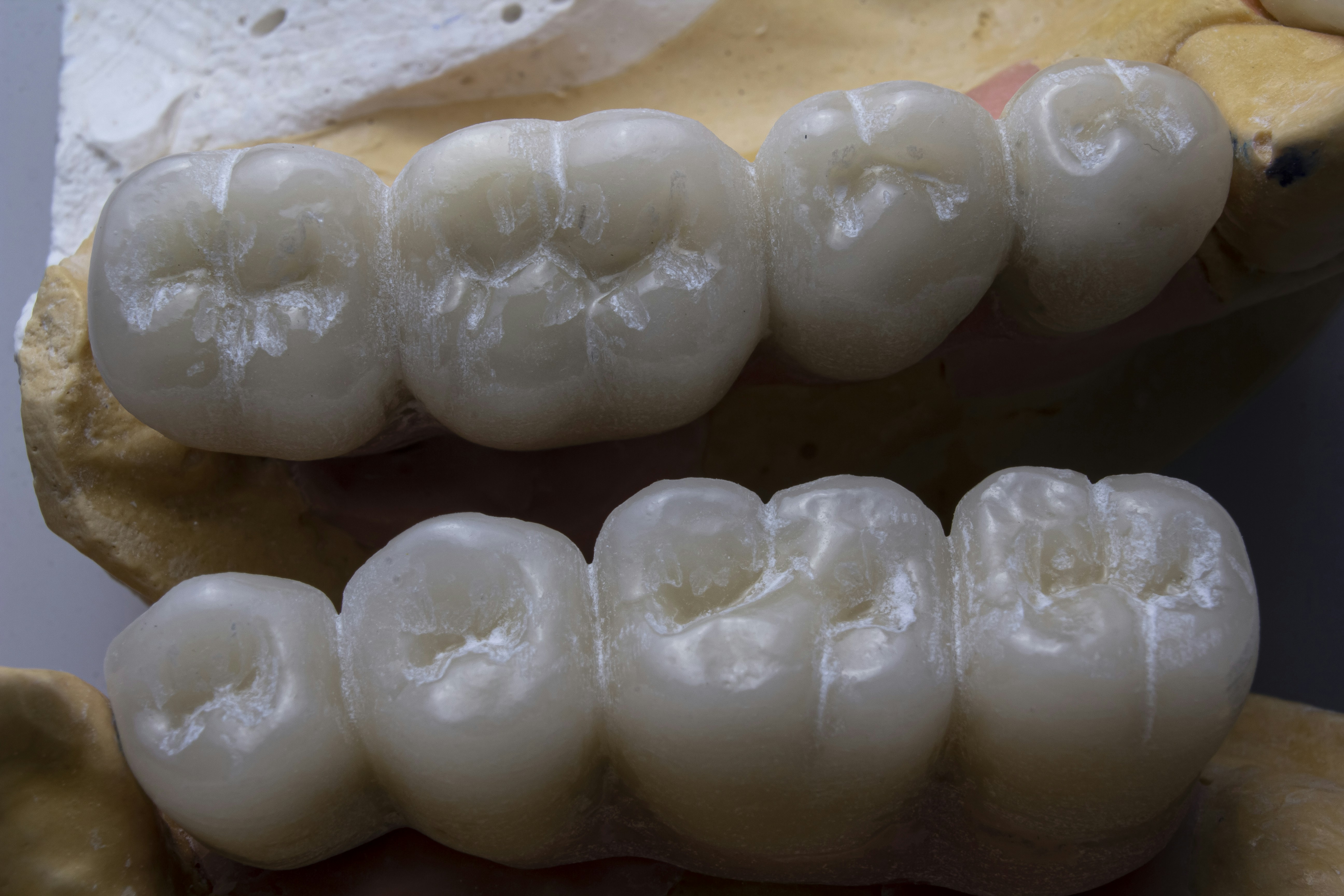
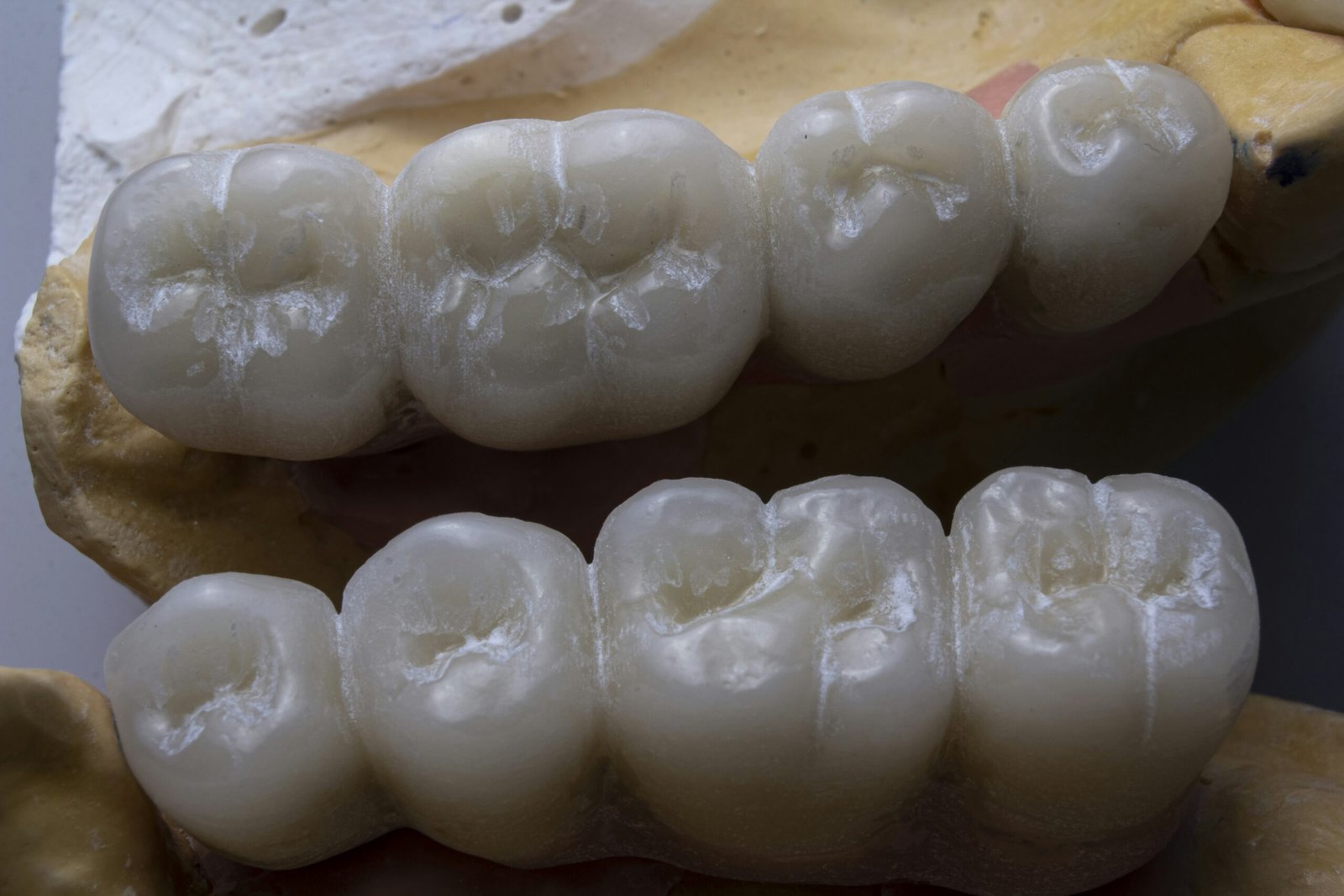
Zirconia dental bridges have gained significant attention in the field of dentistry due to their remarkable properties and superior aesthetic appeal. Zirconia, a durable and biocompatible ceramic material, is increasingly being utilized in dental restorations, making it a preferred choice for many dental professionals. One of the most notable features of zirconia is its strength, which allows it to withstand the varying forces exerted during chewing. This property makes zirconia bridges particularly suitable for areas subjected to high stress, ensuring long-lasting durability.
In addition to its strength, zirconia also boasts a natural translucency that closely resembles that of natural tooth enamel. This characteristic makes zirconia bridges not only functional but also aesthetically pleasing, as they can blend seamlessly with the patient’s existing teeth. Furthermore, zirconia is resistant to staining, unlike traditional materials, which contributes to maintaining their appearance over time.
Another important advantage of zirconia dental bridges is their hypoallergenic nature. For patients with metal allergies or sensitivities, zirconia provides a safe alternative that eliminates the risk of adverse reactions. This factor is crucial in enhancing patient comfort and satisfaction. As a result, zirconia bridges are becoming a popular choice among those seeking dental solutions that are both aesthetically and functionally effective.
This innovative material has also shown excellent adaptability to various dental applications, including single crowns and multiple-unit bridges. The versatility of zirconia bridges makes them suitable for a wide range of dental restoration cases, further solidifying their place in modern dentistry. In conclusion, the combination of durability, aesthetic appeal, and hypoallergenic properties positions zirconia bridges as a safe and effective solution for patients requiring dental restoration, marking a significant advancement in dental materials.
The Biocompatibility of Zirconia
Biocompatibility refers to the ability of a material to interact with biological systems without eliciting a harmful response. In the context of dental materials, biocompatibility is crucial for ensuring that restorations such as crowns, bridges, and implants provide a safe and effective option for patients. Zirconia, a ceramic material, has garnered attention in recent years due to its impressive biocompatibility profile, making it an attractive alternative for individuals who experience adverse reactions to metal dental materials.
Numerous scientific studies have highlighted zirconia’s non-reactive properties, demonstrating its safety for use in dental applications. An investigation published in the Journal of Biomedical Materials Research found that zirconia exhibited minimal cytotoxicity when tested against human oral keratinocytes, suggesting that this material does not have a detrimental effect on cell viability. Additionally, a systematic review in the Journal of Prosthetic Dentistry concluded that zirconia dental implants and crowns showed significantly lower rates of allergic reactions compared to their metal counterparts.
The chemical stability of zirconia plays a vital role in its biocompatibility. Unlike metals, which can corrode and release ions that may trigger allergies, zirconia is highly resistant to corrosion and does not leach harmful substances into the surrounding tissues. This characteristic is particularly beneficial for patients with metal allergies or sensitivities, as zirconia provides a metal-free solution that minimizes the risk of allergic reactions.
Overall, the evidence supporting the biocompatibility of zirconia strongly suggests that it is a safe and reliable option for dental restorations. Its non-reactive nature, combined with favorable clinical outcomes, positions zirconia as an excellent choice for patients seeking to avoid the complications associated with metal allergies.
Comparison of Zirconia and Traditional Metal Bridges
Zirconia bridges and traditional metal bridges represent two distinct approaches in dental restoration. When assessing the advantages of zirconia, significant factors such as aesthetics, durability, and the potential for allergic reactions come into play. One of the most notable benefits of zirconia bridges is their superior aesthetic quality. Unlike traditional metal bridges, which often feature visible metal components that can detract from the natural appearance of teeth, zirconia is a biocompatible ceramic material that closely resembles the translucency and coloration of natural teeth. This makes zirconia a more appealing option for those seeking a seamless, natural-looking smile.
Durability is another key consideration when comparing these two types of dental bridges. Zirconia is known for its exceptional strength and resilience. It can withstand significant biting forces and is less prone to chipping or breaking compared to porcelain fused to metal bridges. Traditional metal bridges may wear down over time and can require replacement or maintenance, while zirconia bridges tend to have a longer lifespan, making them a more cost-effective option in the long run.
Additionally, individuals with metal sensitivities or allergies often face complications when using traditional metal bridges. These reactions can range from mild discomfort to severe inflammation and can impact the overall success of dental restorations. Zirconia, being metal-free, significantly reduces the risk of allergic reactions, making it an ideal choice for patients sensitive to metals. In conclusion, the comparison between zirconia and traditional metal bridges reveals that zirconia presents numerous advantages, particularly in aesthetics, strength, and safety for those with metal allergies.
Common Concerns About Zirconia Bridges
Zirconia bridges have garnered attention in the dental community for their aesthetic appeal and biocompatibility. However, several common concerns exist when considering this dental restoration option. One primary misconception is regarding their strength. Zirconia is known for its impressive durability, often compared favorably to traditional metal bridges. Dental zirconia has a high flexural strength, making it resistant to fractures and wear, which contributes to longevity and sustained performance in various conditions.
Longevity is another area of concern. Patients often question how long zirconia bridges last compared to their metal counterparts. Studies indicate that with proper oral hygiene and regular dental check-ups, zirconia bridges can last upwards of ten to fifteen years, comparable to the lifespan of metal bridges. This longevity is an essential factor for anyone considering dental restorations, as it directly impacts the overall cost-effectiveness of the treatment.
The cost of zirconia bridges is another significant consideration. While initial expenses may be higher than traditional metal bridges due to materials and fabrication processes, many patients find the investment worthwhile. This is due not only to their durability but also their superior aesthetic qualities, which mimic the appearance of natural teeth. Patients concerned about metal allergies or sensitivities can also appreciate that zirconia provides a hypoallergenic alternative, potentially eliminating the need for costly future adjustments.
Potential downsides to zirconia bridges include their rigidity. While they are incredibly strong, this can sometimes lead to issues if the bridge does not adequately accommodate the natural movement of the jaw during chewing. Enhanced assessments by dental professionals can help mitigate these risks. By understanding both the advantages and limitations, patients can make informed choices regarding their dental health and aesthetic desires.
Patient Experiences with Zirconia Bridges
Many patients have shared their experiences opting for zirconia bridges as a durable and safe alternative for those with metal allergies. For instance, a 42-year-old female patient named Jessica reported significant relief after switching from metal dental prosthetics to zirconia. She had experienced severe gum irritation and discomfort from her previous metal bridge, which contained nickel, a common allergen. Following her treatment with zirconia, Jessica noted an immediate improvement in comfort and aesthetics, stating, “I finally feel confident smiling again. My gums have never felt healthier.”
Similarly, a retired dentist, Mark, aged 65, shared his testimony emphasizing the importance of convenience and safety. After decades of managing patients with allergies, he became a patient himself. Mark remarked, “Choosing a zirconia bridge was not only a safe choice for my allergies but also revitalized my chewing ability. The color and translucency of zirconia matched my natural teeth remarkably well.” His experience highlights how patients can regain both function and aesthetics after dealing with metal allergies for years.
In clinical settings, as reported in various case studies, dentists have observed that patients who transitioned to zirconia bridges often experienced fewer complications associated with metal allergies. A study involving several patients indicated a satisfaction rate exceeding 90%—a testament to zirconia’s compatibility with sensitive individuals. One such participant, Daniel, expressed, “I never realized how much my metal allergies were impacting my life until I finally had the switch. I’m now not only healthier but happier with my dental solutions.”
These testimonials collectively illustrate that zirconia bridges can effectively meet the needs of patients with metal allergies, leading to improved health outcomes and enhanced satisfaction. The positive experiences of individuals like Jessica, Mark, and Daniel underscore the significant benefits of choosing zirconia over traditional metal dental solutions.
The Role of Dentists in Choosing the Right Material
When considering dental bridges, the expertise of dentists is paramount in selecting the most appropriate materials. Dental professionals are equipped with the knowledge and skills to assess individual health concerns, including potential metal allergies, which can significantly impact the choice of dental restoration. For patients who exhibit sensitivities to metals, the recommendation often leans toward zirconia bridges, an increasingly popular alternative due to their biocompatibility and aesthetic qualities.
Dentists take a patient-centered approach, beginning with a thorough assessment of medical history, which includes inquiries about any known allergies or sensitivities. This information is crucial as it guides the decision-making process. For example, patients who are allergic to certain metals may experience discomfort, inflammation, or even adverse reactions if metal-based bridges are used. By recognizing these factors, dentists can confidently recommend zirconia as a safer option.
Moreover, the aesthetic advantages of zirconia cannot be overlooked. Unlike metal bridges, zirconia can be easily color-matched to natural teeth, delivering a seamless appearance that greatly enhances the patient’s smile. This is particularly significant for anterior restorations, where visibility is a concern. Dentists not only consider the functional aspects of dental materials but also aim to achieve optimal cosmetic results.
It is also important to emphasize the collaboration between the patient and the dentist. Effective communication allows patients to express their concerns, preferences, and expectations regarding materials. Dentists can then provide tailored options that fit the individual’s lifestyle and health considerations. Ultimately, their role is not just about dental restoration but ensuring that the patient receives a solution that aligns with their overall well-being.
Future Perspectives of Zirconia in Dentistry
The field of dentistry is witnessing a transformative shift with the increasing application of zirconia materials. Research is continually being conducted to enhance the properties of zirconia, improving its suitability for various dental applications, including crowns, bridges, and implants. As the understanding of zirconia’s behavior and performance deepens, innovations are anticipated to emerge, potentially elevating patient outcomes.
One promising area of research involves the development of advanced zirconia formulations that can replicate the aesthetics and translucency of natural teeth more closely. Enhancements in the processing techniques of zirconia materials aim to increase their strength and durability, thereby addressing common concerns related to wear and fracture. Furthermore, studies are underway to explore the use of zirconia in combination with other biomaterials, potentially resulting in more versatile solutions that not only meet functional requirements but also incorporate biocompatibility.
Another significant aspect of current research is focused on the long-term performance of zirconia dental restorations. Clinical trials are being conducted to assess how zirconia behaves over extended periods under varying conditions, contributing to a more comprehensive understanding of its lifespan and reliability in dental applications. This data is crucial for practitioners and patients alike, providing insights into durability and any necessary maintenance strategies.
Additionally, the integration of digital dentistry tools in the design and fabrication of zirconia dental solutions is paving the way for enhanced precision. CAD/CAM technologies facilitate the creation of highly accurate zirconia restorations, ensuring better fits and improved aesthetics. The ongoing refinement of these processes promises greater customization and rapid turnaround times, ultimately enhancing patient satisfaction and care.
Conclusion: Embracing Zirconia as a Safe Alternative
In conclusion, zirconia bridges have emerged as a highly effective and safe solution for individuals suffering from metal allergies. Throughout this discussion, we have highlighted the significant advantages of zirconia over traditional metal alternatives in dental applications. The compatibility of zirconia with human tissue greatly reduces the risk of allergic reactions, providing a much-needed relief for patients who have previously experienced adverse effects from metal-based restorations. This biocompatibility is one of the foremost reasons why zirconia is increasingly favored in modern dentistry.
Additionally, the aesthetic appeal of zirconia bridges cannot be overstated. Their ability to mimic the translucency of natural teeth makes them an ideal choice not only from a health perspective but also in terms of cosmetic results. Patients can enjoy a restored smile that looks and feels completely natural, which is crucial for their overall confidence and well-being.
Moreover, it is worth noting the durability that zirconia offers. Unlike certain metals that can corrode or wear down over time, zirconia demonstrates impressive resistance to fracturing and discoloration, ensuring that the dental solution remains robust over long periods. This longevity ultimately contributes to cost-effectiveness, as patients are likely to require fewer replacements or repairs.
Overall, for individuals with metal allergies, choosing zirconia bridges stands out as a sound option. The blend of aesthetic, functional, and biocompatibility factors makes zirconia a safe alternative that should be seriously considered during dental restoration planning. As we advance in dental science, it is crucial to embrace these innovative materials, leading to healthier and more satisfying dental solutions.