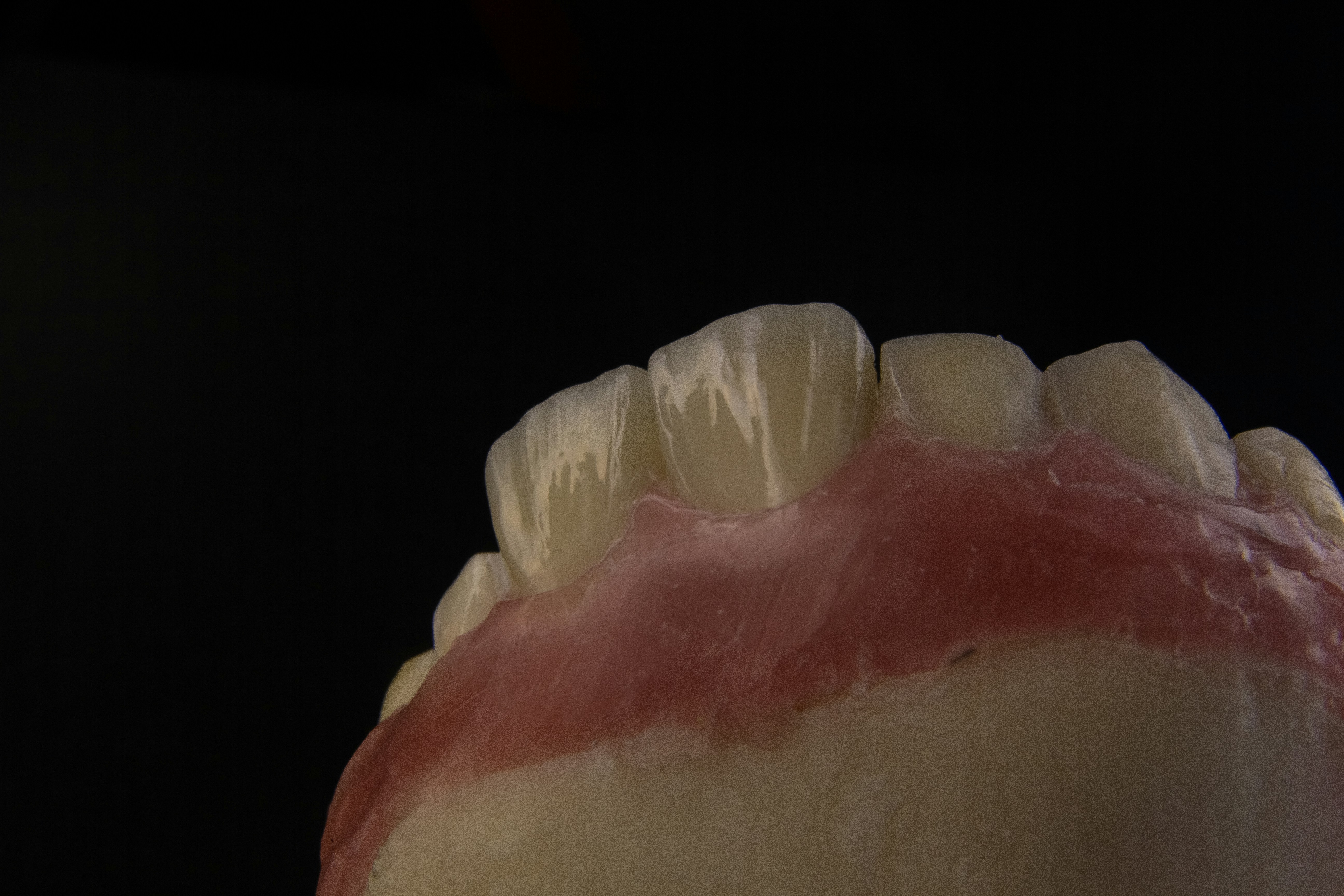
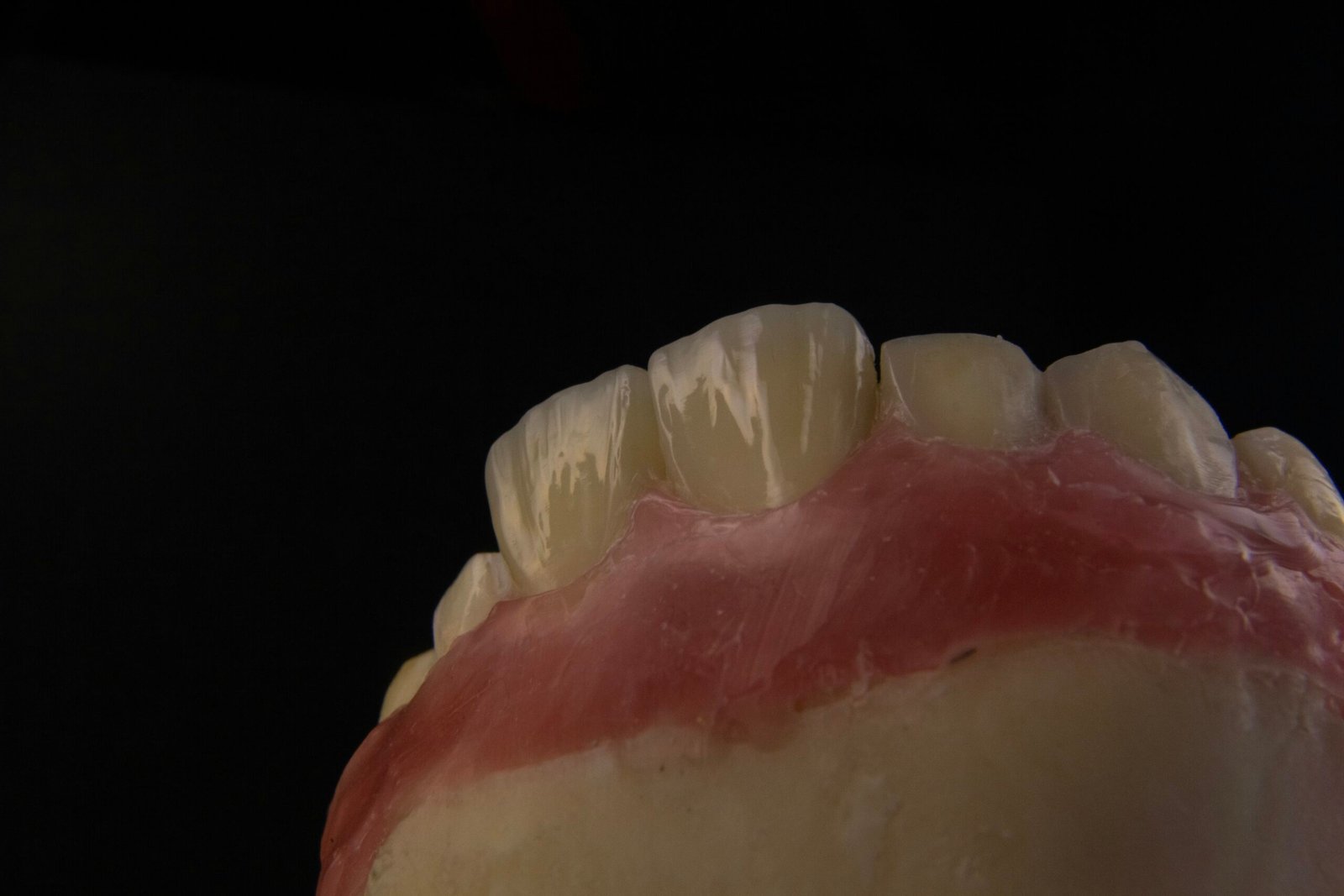
Understanding Gum Recession zirconia bridge
Gum recession, clinically known as gingival recession, is a common dental condition that involves the gradual lowering of the gum tissue margins, exposing the roots of teeth. This condition can occur due to various factors, such as periodontal disease, aggressive tooth brushing, genetic predisposition, hormonal changes, and tobacco use. Each of these causes contributes to the diminishing attachment between the gum tissue and the tooth, leading to increased vulnerability of the exposed tooth structure.
One of the primary symptoms of gum recession is the noticeable sensitivity in the affected teeth, which may become more pronounced when consuming hot, cold, or sweet substances. Additionally, individuals may observe an aesthetic concern with the appearance of their teeth, as the recession can create an unsightly gap between the gums and teeth. Darker tooth roots may also become visible, further impacting a person’s smile.
There are significant implications associated with gum recession that can affect overall dental health. When the gum tissue recedes, it may compromise the integrity of existing dental restorations, including zirconia bridges. These restorations rely on surrounding gum and bone structure for stability; thus, recession can lead to exposed margins, making these areas more susceptible to plaque accumulation and the potential for further periodontal issues. In severe cases, the exposed tooth roots may lead to tooth mobility, an increased risk of decay, and ultimately tooth loss.
Given the progressive nature of gum recession, early intervention is crucial. Seeking professional dental advice when symptoms first appear can significantly mitigate associated complications. Overall, understanding the nuances of gum recession and its implications is essential for maintaining good oral health and preserving dental restorations such as zirconia bridges.
The Role of Zirconia in Dental Bridges
Zirconia, a crystalline form of zirconium dioxide, has become a material of choice in the field of dentistry, particularly for the fabrication of dental bridges. Its rise in popularity is largely due to its remarkable combination of properties that enhance both the function and aesthetics of dental restorations. One of the most significant benefits of zirconia is its exceptional durability, making it highly resistant to wear and fracture. These qualities ensure that dental bridges made from zirconia can withstand the significant forces exerted during normal chewing activities.
An equally important attribute of zirconia is its outstanding biocompatibility. This property is critical in dental applications, as it minimizes the risk of allergic reactions or irritations in surrounding gum tissues. When a dental bridge is constructed using zirconia, the likelihood of developing gum recession or infections diminishes, thereby promoting better overall gum health. This compatibility helps the gum tissue to integrate seamlessly with the bridge, supporting long-term stability and function.
Aesthetically, zirconia has proven to be superior compared to traditional materials. It can be manufactured in a range of shades to closely match natural teeth, allowing for a more discreet appearance in the mouth. This characteristic is particularly advantageous for patients who are concerned with the visibility of their dental work. With the advancement in dental technology, zirconia bridges can now be created to mimic the translucency of natural teeth, creating a lifelike appearance that enhances patient confidence.
Overall, the selection of zirconia for dental bridges brings forth significant advantages that not only elevate the mechanical and aesthetic qualities of dental restorations but also contribute to the ongoing health of the gums surrounding these structures. As such, understanding these properties can inform patients and practitioners alike in making well-rounded dental choices.
How Zirconia Interacts with Gum Tissue
Zirconia is a biocompatible material widely used in dentistry, particularly in the fabrication of dental bridges due to its mechanical strength and aesthetic qualities. One of the key advantages of zirconia is its smooth surface, which may have a significant impact on the interaction with the surrounding gum tissue. Evidence suggests that the nature of this interaction can influence not only the overall health of the gum line but also the potential for gum recession.
Biocompatibility refers to the ability of a material to coexist with living tissue without inducing an adverse reaction. Zirconia demonstrates excellent biocompatibility, typically resulting in minimal inflammation and promoting better healing for periodontal tissues. The inert properties of zirconia mean that it does not release harmful substances into the surrounding area, which is essential in maintaining healthy gum tissue. As such, patients with zirconia bridges may experience a lower incidence of gum irritation compared to those with other materials.
Moreover, the smooth surface of zirconia reduces the likelihood of plaque accumulation, which is a significant factor in periodontal disease and subsequent gum recession. Surfaces that are less prone to roughness and discoloration can aid in oral hygiene efforts, allowing patients to maintain healthier gums. Enhanced cleanliness can thus mitigate the factors that typically lead to gum recession, consequently promoting better integration of the zirconia bridge with the natural gum line. However, it is important to consider that personal oral hygiene practices also play a critical role in the overall condition of the gum tissue.
In light of these factors, understanding the interaction between zirconia and gum tissue highlights the importance of material selection in dental prosthetics. As dental technology advances, zirconia remains a prominent choice for its supportive role in maintaining gum health and minimizing the risk of recession.
Identifying the Signs of Gum Recession
Gum recession is a prevalent issue that can occur around dental restorations, such as zirconia bridges. Recognizing the early signs of this condition is crucial for maintaining oral health and ensuring the longevity of your dental work. There are several indicators that can signal the onset of gum recession, and being attentive to these can help prompt timely intervention.
One of the primary signs of gum recession is increased sensitivity in the affected teeth, particularly around the area of the zirconia bridge. Patients may notice discomfort when consuming hot or cold foods and beverages. This sensitivity occurs as the gum tissue recedes, exposing more of the tooth’s surface, including the dentin, which is more sensitive than the enamel.
Visual changes at the gum line should also be closely monitored. Healthy gums typically appear pink and firm; however, as recession progresses, the gum line may begin to pull away from the teeth, creating a noticeable gap. If you observe that the gums are not sitting flush with the teeth or if there is a distinct change in their appearance, this may indicate recession.
Another significant symptom is the presence of exposed tooth roots. With recession, the roots of the teeth, which are normally covered by gum tissue, can become visible. This exposure not only contributes to sensitivity but also increases the risk of decay and other dental issues. The appearance of longer-than-usual teeth can be a visual cue that gum recession is underway.
Understanding these early signs of gum recession is essential for patients with zirconia bridges, as early detection can lead to effective treatment options that protect both the gums and the dental restoration.
Preventive Strategies for Gum Health
Maintaining optimal gum health around a zirconia bridge is critical to ensuring both its longevity and the health of surrounding tissues. The primary preventive strategies comprise proper oral hygiene practices, dietary modifications, and beneficial lifestyle changes.
First and foremost, a thorough oral hygiene routine is essential. Individuals should brush their teeth at least twice a day using a soft-bristled toothbrush and fluoride toothpaste. A gentle technique is advisable, particularly around the area of the zirconia bridge, to avoid irritating the gum tissue and potentially causing gum recession. Flossing daily is equally important, as it removes food particles and plaque buildup that a toothbrush may miss. Utilizing an interdental brush can also help clean areas around the bridge more effectively.
Diet plays a significant role in gum health. Individuals are encouraged to consume a balanced diet rich in vitamins and minerals, particularly vitamin C, which promotes gum tissue health. Reducing sugary and acidic food intake can minimize the risk of plaque formation, thereby decreasing the chances of gum problems. Drinking water frequently assists in washing away food particles and maintaining hydration, which is important for gum health.
Alongside dental hygiene and diet, incorporating healthy lifestyle changes can further enhance gum health. Avoiding tobacco products is crucial, as smoking has been shown to impair blood flow to the gums, hindering the healing process. Regular dental check-ups for professional cleaning and evaluation are also vital, as dentists can detect early signs of gum disease and take preventive measures.
Implementing these preventive strategies can significantly reduce the risk of gum recession around a zirconia bridge, ensuring both the success of the dental restoration and the overall health of the gums. By prioritizing daily oral hygiene, a balanced diet, and a healthy lifestyle, individuals can maintain their gum health effectively.
Best Practices for Oral Hygiene
Maintaining optimal oral hygiene is crucial for individuals with zirconia bridges, particularly in preventing gum recession and ensuring the longevity of the dental restoration. Patients should adopt a rigorous oral care routine tailored to the specific needs associated with zirconia bridges, as this will help in preserving both gum health and the integrity of the dental appliance.
A key component of effective oral hygiene is proper brushing techniques. Dentists recommend using a soft-bristled toothbrush to avoid damaging the gums and the zirconia material. The ideal technique involves holding the toothbrush at a 45-degree angle towards the gum line, allowing the bristles to reach below the gum tissue and effectively remove plaque and food particles. It is advisable to brush gently in circular motions, covering all surfaces of the teeth and bridge. This method not only aids in cleaning but also stimulates the gums, which is beneficial for overall oral health.
In addition to brushing, the use of dental floss is paramount for individuals with zirconia bridges. Patients should utilize waxed dental floss to glide smoothly between the teeth and around the bridge without causing damage. Flossing should be carried out at least once daily to eliminate debris and plaque that a toothbrush may miss. For those who find traditional floss challenging, interdental brushes present an effective alternative. These brushes are designed to fit between teeth and around dental appliances, ensuring that all areas are adequately cleaned.
Moreover, incorporating an antibacterial mouthwash into the daily routine can enhance gum health. This step helps reduce bacterial buildup, which is a primary contributor to gum disease. Regular dental check-ups are also recommended to monitor the condition of gums and zirconia bridges. Engaging in a holistic oral hygiene routine will significantly help maintain gum health and extend the lifespan of dental restorations.
Professional Dental Care and Monitoring
Regular dental check-ups and professional cleanings are vital components in maintaining oral health, particularly for individuals with zirconia bridges. These visits allow dental professionals to effectively monitor gum health and detect any signs of recession early on.
During a routine dental examination, dentists assess the condition of the gums, checking for inflammation, pocket depth, and any pronounced gum recession. This evaluation is essential as it provides insights into the overall health of the periodontal tissues surrounding the zirconia bridge. If gum recession is noted, timely interventions can be implemented to mitigate further deterioration of the gum tissue and bone support.
Professional cleanings, typically conducted every six months, play a critical role in preventing gum disease, which can exacerbate issues such as recession around dental restorations. During these appointments, dental hygienists remove plaque and tartar that may have accumulated, areas often overlooked during regular brushing and flossing. This thorough cleaning process not only promotes gum health but also ensures the longevity of the zirconia bridge.
In cases where background gum recession is identified, dental professionals may recommend tailored preventive strategies. These might include enhanced oral hygiene instructions utilizing advanced products like antimicrobial rinses or electric toothbrushes designed specifically for sensitive gums. Additionally, dental professionals can provide personalized advice on dietary choices that support gum health, while also recommending adjunctive therapies, such as fluoride treatments or dedicating efforts to improving patients’ overall home care routines.
In conclusion, regular professional dental care and vigilant monitoring are essential in managing gum health around zirconia bridges. By fostering a proactive approach, patients can significantly reduce the risk of gum recession and assure the longevity of their dental restorations.
Managing Existing Gum Recession
Managing existing gum recession is crucial for maintaining oral health, especially around restorative dental work such as zirconia bridges. Gum recession occurs when the gum tissue wears away, exposing more of the tooth root. It can lead to further dental issues if not addressed properly. Dental professionals employ various treatments and procedures to manage this condition effectively.
One of the primary methods for treating gum recession is grafting, which involves repositioning or transplanting gum tissue to cover the exposed areas of the teeth. This could either entail using tissue from the patient’s palate or utilizing donor tissue. The grafting procedure not only aids in protecting the roots of the teeth but also promotes the regrowth of gum tissue, ultimately enhancing aesthetic outcomes around the zirconia bridge.
In addition to grafting, soft tissue management plays a vital role in treating gum recession. Dentists may recommend techniques such as the use of specific orthodontic devices or periodontal plastic surgery to correct and contour the gums around the bridge. Employing a tailored oral hygiene regimen is also significant, as maintaining good plaque control can slow down the progression of recession and periodontal disease.
Restorative options may also be considered, particularly in cases where the recession is significant. This can involve reshaping the existing zirconia bridge to accommodate better gum coverage or even replacing the bridge with a new one that more effectively aligns with the gum line. Regular follow-up visits with the dental professional will help monitor the health of the gums and ensure that the managing strategies remain effective.
In conclusion, managing existing gum recession around a zirconia bridge requires a multifaceted approach involving grafting, soft tissue management, and possible restorative modifications. Addressing these issues proactively can significantly improve both oral health and aesthetics.
Conclusion and Future Considerations
In summary, managing gum recession around a zirconia bridge requires a comprehensive approach that prioritizes both gum health and the longevity of the dental restoration. The critical points discussed highlight the necessity for patients to engage in proactive gum care, including regular dental check-ups, meticulous oral hygiene practices, and the use of appropriate dental products tailored for individuals with zirconia bridges. Each of these factors plays an integral role in maintaining not only the aesthetic and functional aspects of the zirconia bridge but also the overall health of the periodontal tissues.
Future research and advancements in dental materials are likely to explore the interactions between zirconia and gum tissue even further. Ongoing studies may focus on the development of bioactive materials that could enhance tissue integration and promote better gum health around restorations. Innovations in surface treatments and coatings for zirconia might also emerge, aimed at reducing plaque accumulation and, consequently, gum recession.
Additionally, as digital dentistry continues to advance, personalized treatment plans using 3D printing technology may facilitate the production of custom-fitted bridges with enhanced compatibility to surrounding gum tissue. This could potentially lead to optimized results not only in aesthetic appearance but also in gum preservation and overall dental function.
It is essential for dental professionals to stay updated with these emerging trends and incorporate them into practice to improve patient outcomes. By fostering a collaborative approach between patients and dental experts, the challenges associated with gum recession can be effectively managed, ensuring the long-term success of zirconia bridges and the health of the surrounding gums.