Introduction: The Dilemma of Missing Teeth
Missing teeth can pose significant challenges for individuals, impacting both their oral health and overall quality of life. Many people struggle with issues such as difficulty eating, speaking, and maintaining oral hygiene. As a result, individuals with missing teeth often seek out solutions to restore function and aesthetics. Among the common options available are zirconia bridges and removable dentures, each presenting its own set of advantages and disadvantages.
Removable dentures, while a popular choice due to their relative affordability and non-invasive nature, can lead to frustration for many patients. One of the primary complaints associated with dentures is their tendency to become loose or uncomfortable over time, especially if the shape of the jawbone changes, reducing overall stability. The adhesive required to keep them in place can also be less than satisfactory, contributing to the dissatisfaction many experience.
In contrast, zirconia bridges offer a more permanent solution for those with missing teeth. Made from high-strength ceramic materials, zirconia bridges are designed to blend seamlessly with natural teeth, providing a lifelike appearance. Furthermore, they are fixed in place, which eliminates the discomfort associated with removable dentures. This permanence, however, comes with its own considerations, including a higher initial investment and the necessity of surrounding teeth being altered to accommodate the bridge.
Choosing between these two options can be daunting, as it involves weighing factors such as durability, cost, and personal lifestyle. As individuals navigate this decision, understanding the nuances of each solution is crucial. This article will delve deeper into the comparisons of zirconia bridges and removable dentures, assisting you in making an informed choice that aligns with your specific dental needs and preferences.
Understanding Zirconia Bridges
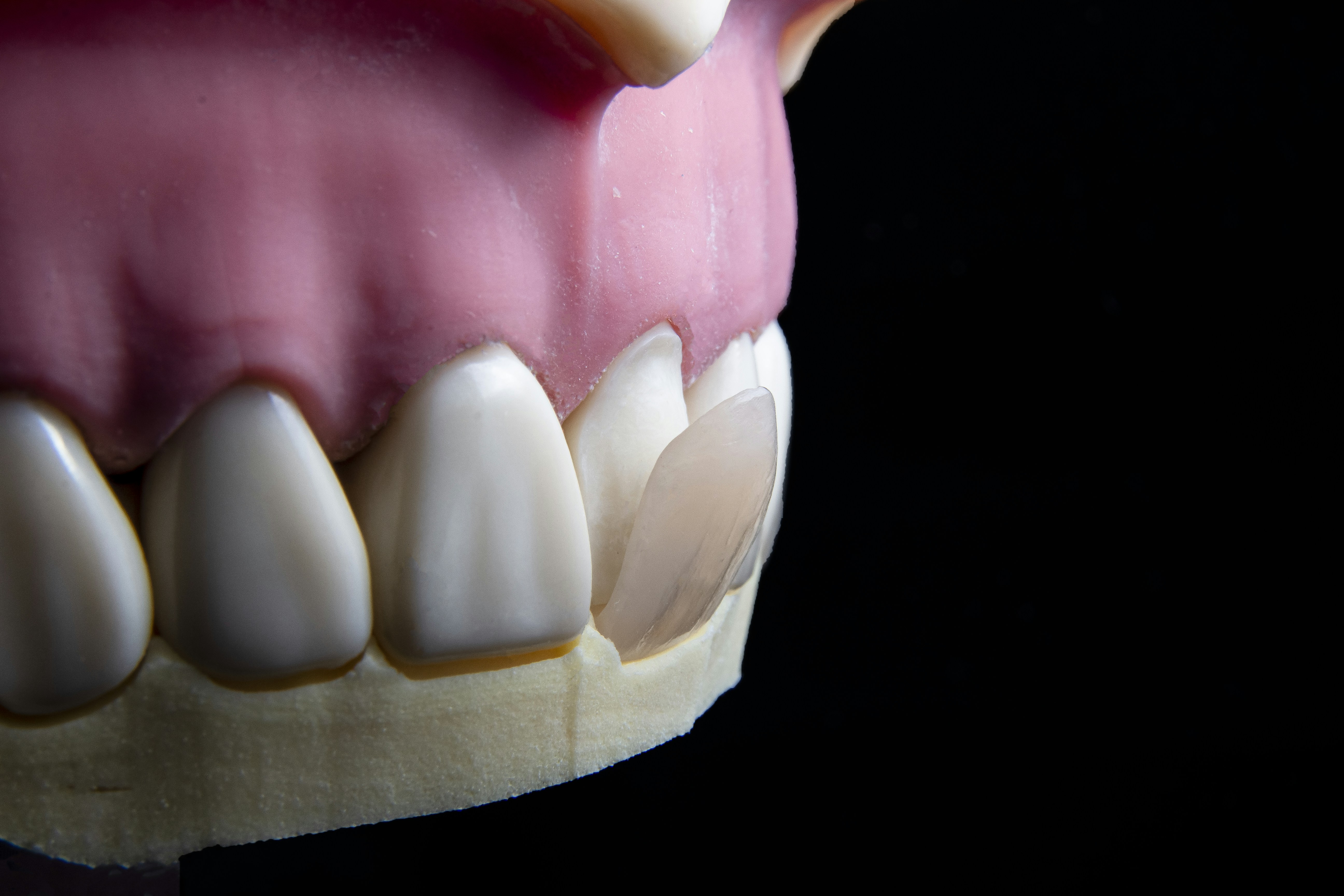
Zirconia bridges are a modern dental solution designed to replace missing teeth, providing both functionality and aesthetic appeal. Constructed from zirconium dioxide, a ceramic material known for its remarkable strength and durability, zirconia bridges have become increasingly popular due to their capacity to withstand substantial bite forces. Their construction involves an intricate process where digital impressions and advanced technology are utilized to create custom-fit restorations tailored to the individual’s dental anatomy.
One of the primary advantages of zirconia bridges is their stability. Unlike traditional dental bridges, zirconia bridges do not require the grinding down of adjacent healthy teeth, thereby preserving more of the natural tooth structure. This feature contributes to their longevity and reduces the risk of future complications associated with the alteration of natural teeth. Moreover, zirconia’s resistance to wear and tear makes it an ideal choice for patients who seek a long-term solution for tooth replacement.
Durability is another hallmark of zirconia bridges. These restorations are known for their ability to resist chips, fractures, and discoloration, ensuring that they maintain their appearance and function over time. Patients can enjoy their restored smiles without the constant worry of damage or wear that can occur with other materials, such as porcelain or metal.
Aesthetic benefits also play a crucial role in the decision to opt for a zirconia bridge. The material closely mimics the natural translucency and color of teeth, allowing for restorations that blend seamlessly with the patient’s existing dentition. This natural look not only enhances the smile but also contributes to the overall confidence of the patient.
In conclusion, zirconia bridges present a valuable option for individuals seeking a durable, stable, and aesthetically pleasing solution for tooth replacement. Their advanced construction process and various benefits highlight their status as a preferred choice among dental professionals and patients alike.
Exploring Removable Dentures
Removable dentures are an essential form of dental prosthesis designed to replace missing teeth and restore functional and aesthetic capabilities. Their design typically includes a gum-colored base that supports artificial teeth, allowing individuals with lost teeth to eat, speak, and smile confidently. Historically, removable dentures date back thousands of years, evolving from rudimentary forms to modern advancements in materials and technology.
The functional aspect of removable dentures revolves around their ability to be taken out and reinserted by the wearer. This feature makes them convenient compared to fixed solutions, such as implants or bridges. Removable dentures are available in various types, including full dentures for complete edentulism and partial dentures for those with remaining natural teeth. This flexibility caters to different patient needs and preferences.
However, like any dental solution, removable dentures come with their own set of advantages and disadvantages. A primary benefit lies in their relatively lower cost compared to alternatives like zirconia bridges. They provide a quick solution for restoring smiles, as they can often be fitted in a shorter timeframe. Additionally, removable dentures do not require invasive surgical procedures, making them accessible for a broader range of patients.
On the downside, comfort and stability can be concerns for some individuals. One common issue is the potential for slippage during speaking or eating, requiring wearers to use adhesive solutions for improved retention. Over time, as the jawbone undergoes changes due to tooth loss, the fit of removable dentures may need adjustments to maintain comfort and functionality. Lifestyle impacts also come into play, as individuals may need to adopt new oral hygiene routines and dietary restrictions to care for their dentures effectively.
In summary, removable dentures offer a practical solution for people seeking to restore their smile and maintain oral function. While they present various advantages, potential drawbacks regarding comfort and daily life integration are also important to consider when determining the best option for one’s oral health needs.
Comparing Stability: Which Option Holds Up Better?
A key consideration for many individuals when choosing between a zirconia bridge and removable dentures is the stability offered by each option. Stability is paramount not only for aesthetic reasons but also for functionality during daily activities, such as eating and speaking. Understanding the mechanics of how each solution remains secured in the mouth can greatly influence the decision-making process.
Zirconia bridges are known for their durability and strength. They are permanently affixed to the adjacent natural teeth or dental implants, providing a level of stability that is hard to match. This fixed nature means that once placed, patients can expect the bridge to function like natural teeth. It allows users to enjoy a wider variety of foods without the fear of their prosthetics shifting or coming loose. Additionally, because the zirconia material closely mimics the look and feel of natural teeth, patients often feel more confident about their appearance when speaking or smiling.
On the other hand, removable dentures, while a more cost-effective option for many, can present challenges in terms of stability. These prosthetics are designed to be taken in and out of the mouth, relying on gum support and sometimes adhesive to stay in place. While advancements have been made to improve denture technology, users may still experience issues with slippage or discomfort, particularly when consuming certain foods or engaging in social interactions. This potential for instability could lead to self-consciousness and impact overall quality of life.
Ultimately, the decision between a zirconia bridge and removable dentures will depend on various factors, including personal comfort, lifestyle, and budget. While zirconia bridges provide superior stability and functionality, removable dentures can still serve a valuable purpose for those who prioritize flexibility and lower initial costs.
Comfort Factor: Which Is More Comfortable?
When it comes to dental restoration options, both zirconia bridges and removable dentures play significant roles, particularly concerning comfort. Comfort can greatly influence a patient’s choice between these two alternatives, as it directly affects the overall experience of using these dental solutions.
Zirconia bridges are renowned for their superior fit and stability. Once they are affixed to the adjacent teeth or implants, they become a permanent part of the dental structure. This permanence ensures that the bridge does not shift or move during daily activities, such as eating or speaking, providing users with a sense of security and confidence. Furthermore, the biocompatibility of zirconia minimizes irritation to oral tissues, contributing to a more comfortable experience over time.
Conversely, removable dentures are designed to be taken in and out, which can lead to varying degrees of comfort. While modern dentures are crafted with materials designed to increase fit and functionality, they may not provide the same level of comfort as zirconia bridges. Patients often need an adjustment period to become accustomed to wearing removable dentures, which can include issues such as sore spots and difficulty speaking or chewing. Additionally, constant removal and reapplication can disrupt the wearer’s comfort.
Another significant factor is the duration of use. Patients with zirconia bridges do not experience the discomfort associated with daily application and removal, which can enhance long-term comfort. In contrast, removable dentures may require refinements and adjustments over time due to changes in the mouth, which might lead to discomfort if not properly managed.
Ultimately, the choice between zirconia bridges and removable dentures hinges significantly on the comfort factor. Those prioritizing a stable and permanent solution may find zirconia bridges to be the more comfortable choice, while removable dentures offer flexibility but may require additional effort to achieve optimal comfort.
Lifestyle Benefits: Day-to-Day Differences
When choosing between zirconia bridges and removable dentures, understanding the lifestyle benefits is paramount. Each option brings distinct differences that can significantly impact daily life.
Zirconia bridges are fixed dental restorations that offer a stable, long-term solution. They are permanently cemented into place, which eliminates the inconvenience of removing them for cleaning or during meals. Patients with zirconia bridges can enjoy their food without the fear of their dental appliance slipping or shifting. Additionally, since they require no removal, the maintenance routine is simplified. Oral hygiene routines can focus solely on natural teeth and the bridge itself, usually involving brushing with a soft-bristled toothbrush and regular flossing.
On the other hand, removable dentures necessitate daily cleaning and maintenance that can be cumbersome. Patients are required to remove them frequently for cleaning, which introduces extra steps into their daily care routines. This process often involves soaking them overnight in a cleaning solution and brushing them separately to prevent bacterial buildup. For some, this can be disruptive, especially when transitioning from an established routine. Furthermore, social interactions can sometimes be influenced by the presence of removable dentures. Concerns about potential slippage or the need to remove them can cause anxiety during social gatherings.
The choice between zirconia bridges and removable dentures also extends to overall quality of life. Zirconia bridges tend to blend seamlessly with natural teeth, often providing enhanced aesthetics and greater confidence. This can lead to improved self-esteem and greater comfort in social situations. Removable dentures, while functional, may sometimes prompt worries about appearance and the ability to speak clearly, especially if adjustments are necessary.
Cost Considerations: Making an Informed Choice
When evaluating dental solutions such as zirconia bridges and removable dentures, cost becomes a pivotal factor influencing the final decision. Understanding the financial implications of each option can help patients make informed choices tailored to their needs.
Initially, zirconia bridges typically present a higher upfront cost compared to removable dentures. The average price for zirconia bridges ranges from $1,500 to $3,000 per tooth, influenced by factors such as the dentist’s experience, lab fees, and location. Conversely, removable dentures are generally more budget-friendly, averaging between $300 to $2,000 per set, making them a more accessible option for those with limited financial resources.
Despite their higher initial investment, zirconia bridges may offer long-term savings. They tend to have a longer lifespan, often lasting 10 years or more with proper care, reducing the need for replacements and ongoing costs. On the other hand, removable dentures may require frequent adjustments and replacements due to wear, leading to cumulative expenses that can surpass the initial savings. Regular maintenance and potential replacements can make the long-term costs of dentures unpredictable.
Insurance considerations also play a significant role in the financial analysis of these dental solutions. Many dental insurance plans may cover a portion of the costs associated with dentures, viewing them as a necessary means to restore functionality. Conversely, insurance coverage for zirconia bridges varies widely, often subject to specific criteria and limitations.
In conclusion, evaluating the cost of zirconia bridges and removable dentures requires a thorough understanding of the initial expenses, long-term financial implications, and insurance coverage. Each patient’s situation is unique, and weighing these factors will lead to a more satisfactory dental decision that enhances both function and aesthetics.
Procedure Overview: What to Expect in Getting Each Option
When considering options for tooth replacement, understanding the procedures involved in obtaining both a zirconia bridge and removable dentures is essential. Each treatment comes with its own set of steps, timelines, and potential discomfort levels.
The procedure for obtaining a zirconia bridge typically begins with an initial consultation at your dental office. Here, the dentist will evaluate your oral health, take x-rays, and discuss the goals of your treatment. Following this, if the zirconia bridge is deemed appropriate, the next step often involves preparing the adjacent teeth by slightly reshaping them to fit the bridges.
Once the preparation is complete, impressions will be taken to create a custom bridge. This stage can take between 1 to 2 hours and typically involves some temporary discomfort due to the reshaping of teeth. While the permanent bridge is being crafted, which usually takes a week or two, you may receive temporary crowns to protect the prepared teeth.
On the day of placement, the dentist will secure the zirconia bridge in place. This procedure is generally quick, lasting around an hour, although some patients might experience minor sensitivity immediately after placement. Overall, the zirconia bridge process can span several weeks from consultation to final placement.
In contrast, the process for acquiring removable dentures starts with a dental examination and consultation as well. Similar to a zirconia bridge, this will include x-rays and a discussion on the merits of dentures versus other options. The dentist will then take impressions of your mouth to tailor the dentures specifically to your oral structure, which can take a couple of appointments over several weeks.
Even after the fabrication of the removable dentures, adjustments are often necessary to ensure a proper fit, which can lead to further visits and potential discomfort as the mouth acclimates to the new prosthetic. Generally, the entire removable denture process, from the initial consultation to the final fitting, can take anywhere from a few weeks to a couple of months.
Conclusion: Choosing the Right Option for You
When it comes to making a decision between zirconia bridges and removable dentures, it is essential to consider various factors, including your oral health, lifestyle, and personal preferences. Each dental solution offers unique benefits and drawbacks, making it crucial to assess what aligns best with your needs.
Zirconia bridges are known for their durability and aesthetics, providing a stable and natural-looking replacement for missing teeth. They are permanently fixed in place, which ensures comfort and ease of use. This option may be particularly suitable for individuals looking for a long-term solution without the hassle of daily removal associated with removable dentures.
On the other hand, removable dentures offer flexibility and are often more affordable upfront. They can be an appropriate choice for individuals who may not be candidates for implants due to various health conditions or bone loss. However, removable dentures require maintenance, regular cleaning, and adjustments, as they can become loose over time.
Ultimately, the decision should be informed by a thorough discussion with a qualified dental professional who can evaluate your unique situation. Factors such as your dental anatomy, financial considerations, and lifestyle demands should play a pivotal role in this choice. Consulting with a dentist also allows you to explore alternatives and ensure that you are selecting the most appropriate restoration that aligns with your goals for oral health and aesthetics.
In conclusion, whether you opt for zirconia bridges or removable dentures, prioritizing a solution that best suits your lifestyle and dental needs will lead to enhanced satisfaction and improved quality of life.