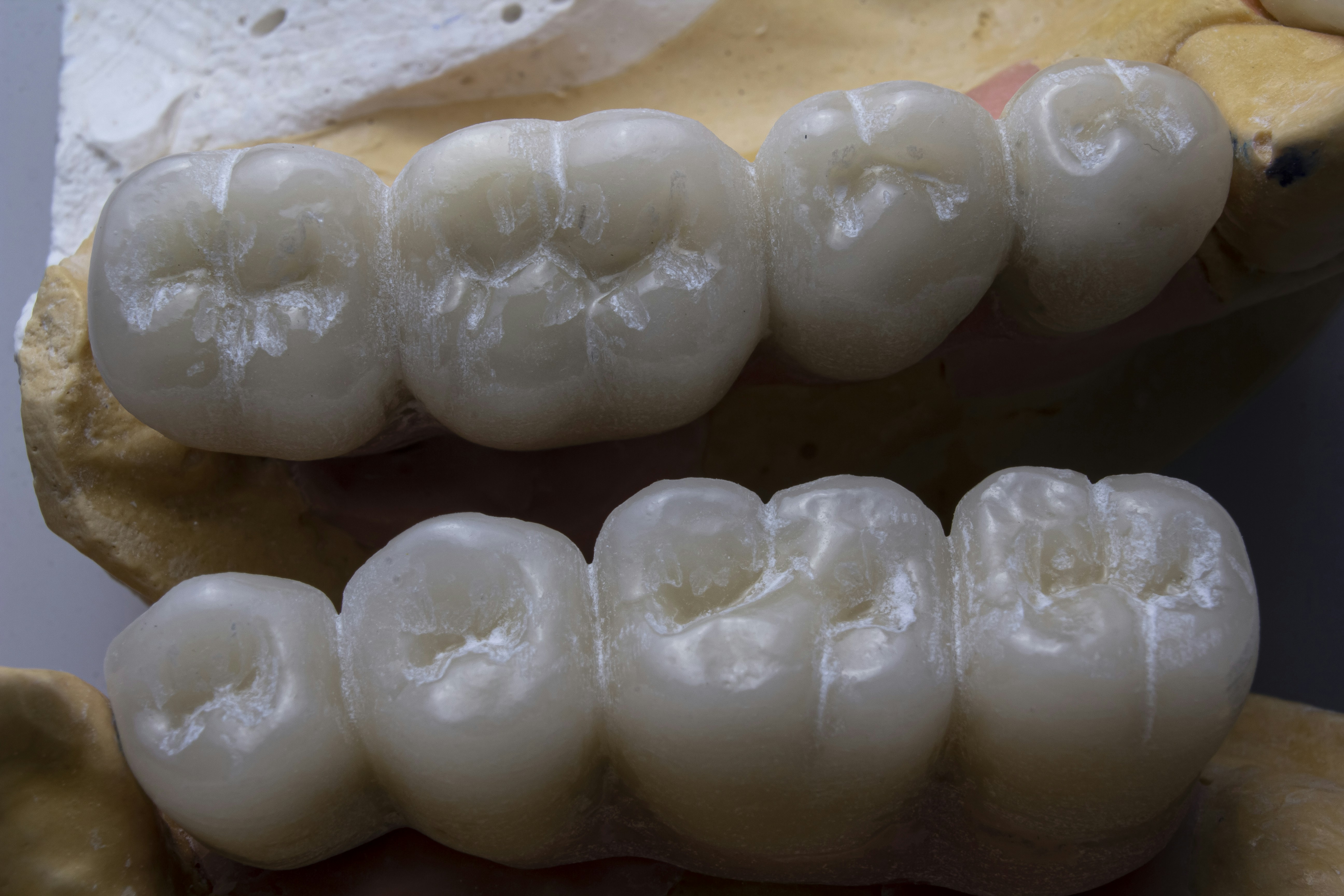
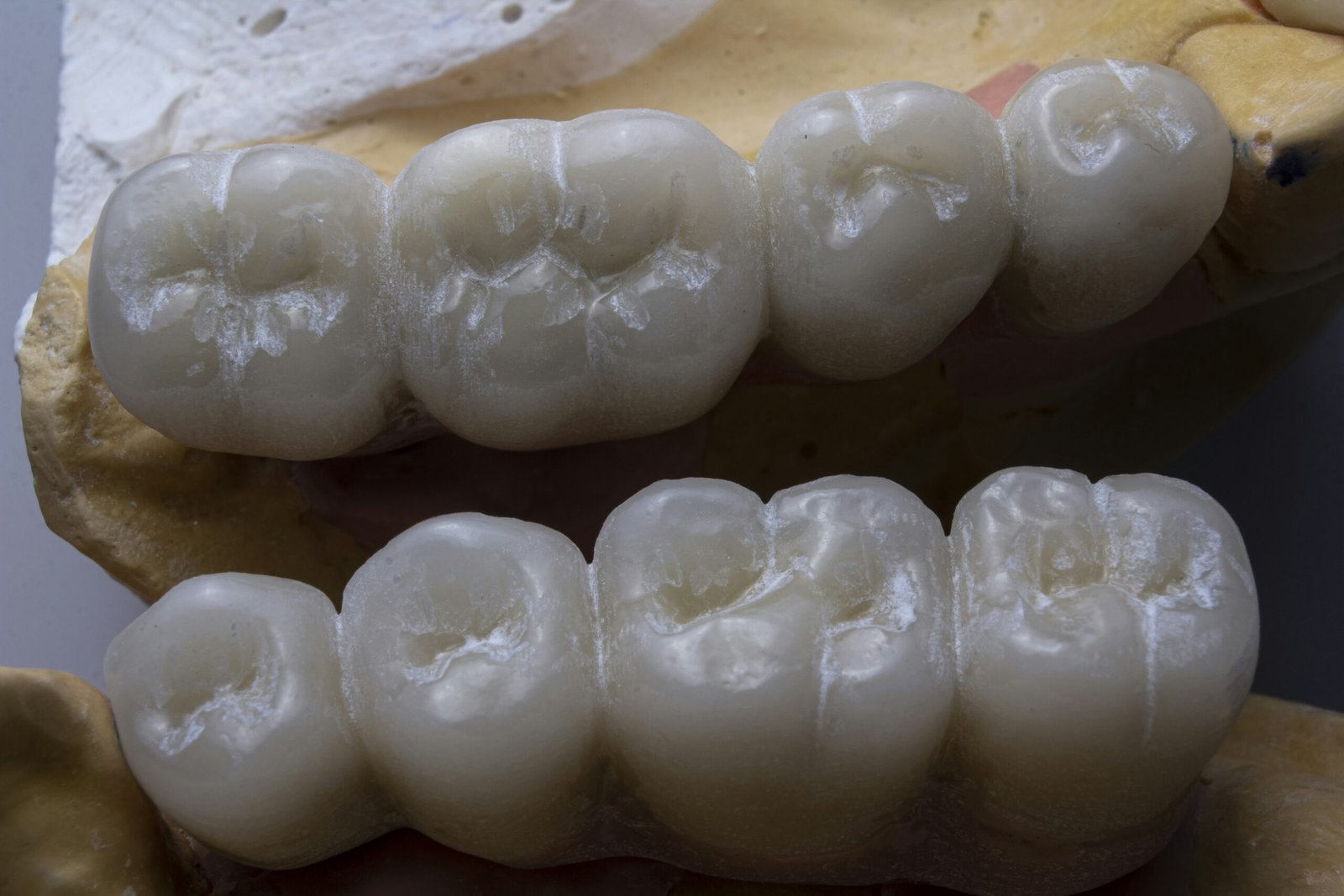
Introduction to Zirconia Bridges
Zirconia bridges have become a crucial component in the realm of restorative dentistry, offering both aesthetic and functional benefits. These dental prosthetics are crafted from zirconia, a ceramic material renowned for its exceptional strength and durability. Unlike traditional materials used in dental bridges, zirconia exhibits remarkable resistance to wear and fracture, making it an ideal choice for long-term dental solutions.
One of the standout features of zirconia is its superior aesthetic quality. Zirconia can be manufactured to replicate the translucent appearance of natural teeth, allowing for seamless integration into a patient’s smile. This characteristic is hugely significant in smile makeovers, where the goal is to achieve a visually pleasing and natural look. Furthermore, thanks to advancements in dental technology, the color of zirconia can be precisely matched to the surrounding dentition, enhancing overall aesthetic outcomes.
In addition to its strength and aesthetic appeal, zirconia is recognized for its biocompatibility. The material is highly compatible with body tissues, minimizing the risk of allergic reactions or inflammation. This aspect is especially important as patients seek not only effective but also safe dental solutions. As a result, zirconia bridges are increasingly preferred among dental professionals and patients alike.
The growing popularity of zirconia bridges can be attributed to an increasing demand for aesthetic solutions in dentistry. Patients undergoing smile makeovers often prioritize not only functionality but also the appearance of their dental restorations. As such, zirconia bridges stand out as an exemplary choice, combining durability with aesthetic elegance.
The Importance of Aesthetic Dentistry
Aesthetic dentistry plays a crucial role in modern oral healthcare, significantly enhancing patient confidence and overall well-being. The appearance of one’s smile is often directly linked to self-esteem and self-image. People with aesthetically pleasing smiles tend to feel more attractive and confident, allowing them to engage positively in social settings and personal relationships. This boost in confidence can lead to more fulfilling interactions, whether they are casual conversations or important social gatherings.
Furthermore, the impact of a beautiful smile extends beyond personal interactions. In professional settings, individuals with aesthetically appealing smiles may experience enhanced opportunities. Research suggests that a radiant smile can influence perceptions of competence, approachability, and even trustworthiness. As a result, those who invest in their smiles through aesthetic dental solutions may find themselves at an advantage in the workplace, standing out in interviews, and building rapport with clients and colleagues. This dynamic highlights the importance of aesthetic dentistry as a strategic investment in one’s career.
In today’s society, the desire for natural-looking dental solutions has risen sharply. Patients increasingly seek treatments that provide functional benefits alongside visual appeal. Aesthetic dentistry encompasses a variety of services aimed at achieving this balance—such as teeth whitening, veneers, and zirconia bridges. Zirconia, in particular, is known for its exceptional strength and ability to mimic the translucency of natural teeth, making it a preferred choice for those desiring durable yet beautiful results. This growing demand signifies a broader recognition of the essential role that a well-crafted smile plays across all facets of life, further establishing aesthetic dentistry as an integral part of comprehensive dental care.
Understanding Digital Smile Design (DSD)
Digital Smile Design (DSD) is an innovative concept that bridges the gap between artistry and technology in modern dentistry. This technique leverages advanced digital tools to craft an aesthetically pleasing smile, allowing dentists to meticulously plan and visualize dental enhancements before actually implementing them. By utilizing high-resolution imaging and software, DSD enables practitioners to create a detailed digital mock-up of a patient’s future smile, thus ensuring precision and harmony in the overall dental restoration process.
The integration of DSD into dental practice marks a significant advancement in the way smile enhancements are approached. It allows for a thorough analysis of facial proportions and the relationship between teeth, gums, and lips. With DSD, each smile can be uniquely tailored according to the patient’s individual features and preferences. The technology not only enhances the aesthetic appeal but also ensures functionality and comfort in the final outcome. As a result, patients are more informed and involved in the design process, which fosters a collaborative environment between the dentist and the patient.
Moreover, DSD facilitates greater customization of smile designs by enabling patients to visualize multiple options during consultations. This tailored approach empowers patients to express their desires and concerns about their smiles, leading to a more satisfying final result. Technology such as CAD/CAM (Computer-Aided Design/Computer-Aided Manufacturing) complements DSD by allowing for the precise fabrication of dental restorations based on the digital designs created. Ultimately, Digital Smile Design not only enhances the technical aspects of dentistry but also enriches the patient experience by making the process more engaging and personalized.
The Artistry Behind Zirconia Bridges
Zirconia bridges represent a convergence of advanced dental technology and artistry, reflecting not just practical functionality, but also aesthetic beauty. Dental professionals apply their technical skills and creativity to design zirconia bridges that seamlessly blend with a patient’s natural smile. This process is highly intricate and requires a deep understanding of dental aesthetics.
One of the fundamental aspects of creating an aesthetically pleasing zirconia bridge involves color matching. The selected shade should harmonize with the surrounding teeth, ensuring that the restoration appears as a natural extension of the smile. Dentists often use shade guides to select the appropriate color, taking into account the unique hue and saturation of the patient’s existing teeth. This attention to detail is critical in achieving a natural-looking result.
Furthermore, the translucency of zirconia plays a vital role in replicating the appearance of enamel, which is inherently semi-transparent. Skilled technicians can manipulate the translucency of the zirconia material to mimic the natural variances in tooth structure and surface qualities, adding depth and realism to the restoration.
The contour of the gums is another important aesthetic consideration. A well-designed zirconia bridge should complement the natural gingival contours of the mouth, ensuring that the transition between the bridge and the gum line is smooth and inconspicuous. This requires not only technical skill but also an artistic eye to anticipate how the final product will sit in the mouth and interact with the natural elements.
In the artistry of crafting zirconia bridges, dental professionals strive to balance functional durability with aesthetic appeal, ultimately resulting in a beautifully coordinated smile that enhances the patient’s confidence and overall well-being.
How Facial Features Influence Bridge Design
The design of zirconia bridges requires careful consideration of a patient’s unique facial features, which play a critical role in achieving an aesthetically pleasing result. Factors such as face shape, lip line, and tooth placement must be meticulously analyzed by both dentists and dental technicians to create a harmonious smile that complements the individual’s overall facial structure.
Face shape is particularly significant, as it can dictate the proportions and angles of the zirconia bridge. For instance, a square-shaped face may benefit from fuller, broader teeth to maintain balance, while a more oval face could be enhanced with slightly narrower and more elongated teeth. This attention to detail ensures that the bridge does not appear disproportionate or mismatched with the natural features of the patient.
The lip line also plays an essential role in bridge design. A dentist must consider how much of the teeth will be visible when the patient smiles, as this visibility can affect the ideal contour and shades of the zirconia bridge. Additionally, the ideal placement of the teeth in relation to the lip line can enhance facial aesthetic and help the patient achieve a more natural-looking smile.
Furthermore, the collaborative approach between dentists and dental technicians is vital in this process. Dentists provide insights into the clinical aspects and anatomical considerations, while technicians use their artistic skills to fabricate the bridge. This partnership fosters a shared vision for the patient’s desired outcomes, ensuring that each decision made is in alignment with the patient’s facial features. By integrating these elements into the design process, the final result is a zirconia bridge that not only functions effectively but also enhances the patient’s facial aesthetics.
The Process of Creating Zirconia Bridges
The journey of crafting zirconia bridges begins with an initial consultation between the patient and the dentist. During this phase, the dentist conducts a thorough examination, collects diagnostic information, and discusses the patient’s expectations and aesthetic desires. This serves as a vital starting point that influences the design of the zirconia bridge, ensuring it aligns with the patient’s unique facial structure and dental needs.
Following this consultation, precise measurements are taken. This step is critical as it ensures that the zirconia bridge will fit comfortably and function effectively within the patient’s oral cavity. Dentists utilize both manual techniques and advanced digital technology, such as intraoral scanners, to capture intricate details of the mouth. The digital platforms can streamline the process, offering high-precision data that aids in the design of the zirconia framework.
Once measurements are finalized, the design process transitions to the dental laboratory where skilled lab technicians take over. They interpret the digital files or physical impressions provided by the dentist and begin fabricating the zirconia bridge. The choice of materials is essential here; high-quality zirconia is utilized for its durability, aesthetics, and biocompatibility, ensuring that the final product not only looks natural but also withstands the rigors of daily use.
The fabrication process may involve both digital and manual techniques. For instance, a Computer-Aided Design/Computer-Aided Manufacturing (CAD/CAM) system often employs milling machines to create the bridge, ensuring precision. In some cases, technicians may utilize manual layering techniques to enhance the aesthetics, particularly in terms of color and translucency, mimicking the natural teeth.
After crafting the zirconia bridge, it undergoes a fitting verification appointment where adjustments can be made as required. This meticulous process, focusing on precision and personalization, culminates in the final fitting of the zirconia bridge, providing the patient with a functional and appealing smile.
Benefits of Aesthetic Zirconia Bridges
Aesthetic zirconia bridges have gained popularity in contemporary dentistry due to their numerous advantages over traditional dental solutions. One of the most notable benefits is their durability. Zirconia is a strong and resilient material that can withstand significant biting forces, making it an excellent choice for dental restorations. Unlike porcelain-fused-to-metal bridges, which can chip or wear down over time, zirconia bridges maintain their structural integrity, ensuring a long-lasting solution for patients.
Another crucial advantage of aesthetic zirconia bridges is their superior aesthetics. Zirconia can be crafted to closely resemble the natural shade and translucency of teeth, creating a highly aesthetic result. This is especially beneficial for patients seeking a natural-looking smile, as zirconia does not reflect light in an unnatural way, helping to achieve a seamless blend with existing teeth. This characteristic is particularly important in visible areas of the mouth, where cosmetic appearance significantly impacts patient confidence.
Compatibility with natural teeth is an additional benefit that makes zirconia bridges an ideal choice. Zirconia is biocompatible, meaning it is less likely to cause allergic reactions or irritations in the mouth. This compatibility helps ensure a healthy connection between the bridge and surrounding gums, contributing to improved overall dental health. Patients can also enjoy the advantages of minimal wear on adjacent teeth, as zirconia is gentler on tooth enamel than metal-based options.
Furthermore, the maintenance associated with zirconia bridges is straightforward. They do not require special cleaning protocols beyond standard oral hygiene routines, making them convenient for patients. Regular brushing and flossing are typically sufficient to maintain the integrity and appearance of a zirconia bridge, promoting long-term dental health without the need for frequent visits for adjustments or replacements.
Patient Experience and Satisfaction
The journey towards acquiring a zirconia bridge is not only about the technical procedure involved; it significantly encompasses the patient experience, which can profoundly influence overall satisfaction. Initially, patients often approach their dentist with feelings of anxiety or uncertainty. It is crucial for practitioners to foster a welcoming environment during the initial consultation. Educating patients on what to expect during the different stages of the process can alleviate these concerns and build confidence.
Consider the case of a patient named Sarah, who was longing for a solution to her long-standing dental issues. During her consultation, she expressed feelings of embarrassment regarding her smile. Her dentist took time to discuss the advantages of zirconia bridges, highlighting their natural appearance and durability. In Sarah’s case, maintaining a conversational and empathetic tone not only informed her but also encouraged her to ask questions, which led to a collaborative decision-making process.
As the procedure progressed, patients often share a mix of apprehension and excitement. With each stage, whether it is the preliminary fitting or the temporary adjustments, clear communication enhances the experience. After all treatments have been conducted, the emotional moment of seeing their new smile can evoke a powerful sense of joy and relief. Testimonials from patients such as Sarah often emphasize the confidence reinstated by their new smiles, noting improvements in their social interactions and emotional well-being.
Furthermore, post-treatment follow-up is essential. It offers patients the opportunity to discuss any concerns regarding their zirconia bridge and reinforces the dentist’s commitment to their continued satisfaction. Overall, a positive patient experience is characterized by empathy, clarity, and comprehensive support, ensuring that individuals not only leave with a stunning smile but also feel valued and cared for throughout the process.
The Future of Smile Design
The landscape of dental aesthetics is continuously evolving, particularly in the field of aesthetic zirconia bridges and digital smile design. As technology continues to advance, it paves the way for innovations that enhance both the functionality and appearance of dental restorations. One significant trend is the integration of digital technology into the design process, allowing for more precise and customized solutions that meet the individual needs of each patient.
One key development is the use of computer-aided design and computer-aided manufacturing (CAD/CAM) systems. These technologies enable dental professionals to create highly accurate digital models of a patient’s mouth, facilitating the design of zirconia bridges that are personalized for optimal fit and aesthetics. This advancement not only streamlines the production process but also reduces the time patients need to wait for their restorations.
Moreover, the rise of 3D printing technology is set to revolutionize the way dental restorations are created. By allowing for rapid prototyping and manufacturing, 3D printing can produce zirconia bridges with unparalleled accuracy and efficiency. As this technology becomes more accessible, it is likely to lower costs and improve the availability of high-quality dental restorations for a broader audience.
Furthermore, the increasing emphasis on patient-centered care is shaping the future of smile design. Dental practitioners are now more focused on addressing the specific desires and concerns of their patients, resulting in more personalized treatment plans. By employing visual simulations and advanced imaging techniques, patients can now envision their final smile before any procedures are initiated, fostering greater collaboration between them and their dental professionals.
In conclusion, the future of smile design holds immense potential, especially with ongoing advancements in zirconia bridges and digital smile design. As these technologies mature, patients can look forward to receiving even more tailored care, enhancing their dental experiences while achieving the perfect smile.