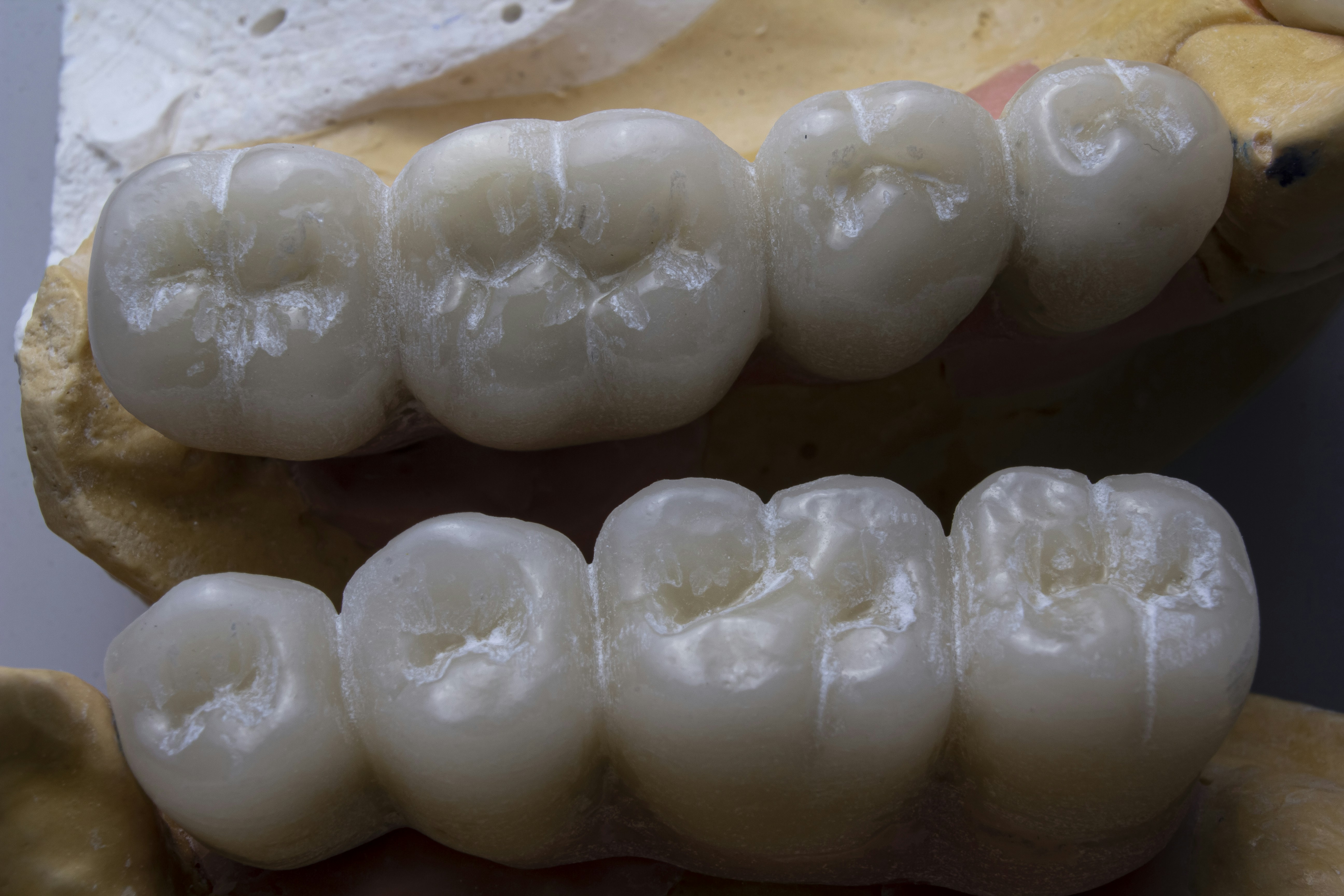
Introduction to Holistic Dentistry and Zirconia Bridges
Holistic dentistry is an approach that encompasses the well-being of the entire body, rather than merely focusing on oral health in isolation. This philosophy recognizes that oral health is intrinsically linked to overall health, and emphasizes the importance of treating the patient as a whole. Holistic dentists aim to use biocompatible materials, promoting healing and wellness, which aligns with the growing awareness of the impact that dental treatments can have on one’s health.
A key aspect of holistic dentistry is the use ofnatural materials. This aligns with patients’ desires for treatments that are not only effective but also minimally invasive and free from potentially harmful substances. In this regard, zirconia bridges have emerged as a highly preferred option among holistic dentists. Zirconia, a type of ceramic, is known for its strength, durability, and aesthetic appeal, making it suitable for dental restorations.
The popularity of zirconia bridges has surged due to their admirable characteristics, which include not only biocompatibility but also a life-like appearance that can seamlessly blend with natural teeth. Unlike traditional materials that may contain metals or have color mismatches, zirconia offers a versatile solution that many patients find appealing. As more individuals become educated about their dental options, the shift towards more natural materials in restorative dentistry becomes increasingly evident. The integration of zirconia bridges into holistic practices exemplifies this evolving preference and underlines the commitment of holistic dentistry to safe, effective, and aesthetically pleasing dental solutions.
What Are Zirconia Bridges?
Zirconia bridges are dental prosthetics crafted from zirconium dioxide, a high-performance ceramic known for its strength and biocompatibility. These bridges are utilized to restore function and aesthetics for patients who have lost one or more teeth. Zirconia is favored in restorative dentistry due to its durability, which rivals that of metal-based alternatives, while offering a more natural appearance.
The process of creating zirconia bridges involves several meticulous steps. Initially, a dentist conducts a thorough examination to determine the suitability of zirconia for the patient’s case. Once assessed, digital impressions or traditional molds of the patient’s mouth are taken, ensuring precise modeling of the bridge. These impressions serve as the foundation for the bridge’s design, which is often facilitated by computer-aided design and manufacturing (CAD/CAM) technologies.
Afterwards, the zirconia material is shaped and custom-fitted to blend seamlessly with the patient’s natural teeth. The final stage includes the application of a ceramic overlay, which enhances the bridge’s aesthetics, mimicking the translucency of natural tooth enamel. This dual-layer approach not only boosts the visual appeal but also contributes to the bridge’s overall strength.
Functional benefits of zirconia bridges extend beyond their aesthetic advantages. Their high resistance to wear and ability to withstand significant chewing forces make them an excellent choice for long-term dental solutions. Furthermore, zirconia possesses a lower potential for causing irritation to the surrounding tissue, which promotes better oral health, making zirconia bridges a popular option in holistic dentistry.
Benefits of Zirconia: Non-Toxic and Metal-Free
Zirconia, a ceramic material known for its exceptional qualities, has gained popularity in holistic dentistry. One of its most significant advantages is its non-toxic nature, which promotes overall bodily health. Unlike traditional metal-based dental solutions, zirconia is devoid of harmful substances that can lead to systemic health issues. This property makes zirconia an excellent choice for patients seeking safer alternatives.</p>
Incorporating zirconia into dental practices significantly reduces the risk of allergenic reactions. Metals such as nickel and chromium, often present in conventional dental restorations, can trigger sensitivities in some individuals. By utilizing zirconia bridges, dental professionals can eliminate potential allergens, contributing to improved patient outcomes. This reduction in allergenic effects is paramount, particularly for individuals with a history of metal allergies or sensitivities.
Moreover, the metal-free characteristic of zirconia enhances its biocompatibility. This innovative material integrates seamlessly with the body’s tissues, minimizing the likelihood of inflammation or rejection. Such compatibility fosters a healing environment, encouraging faster recovery times after dental procedures. Patients can feel reassured that they are not introducing any harmful toxins into their systems, aligning with the principles of holistic health.
Another noteworthy benefit of zirconia is its aesthetic appeal. The material can be crafted to closely resemble the natural color of teeth, thus improving the visual outcome of dental restorations. Patients no longer have to compromise on aesthetics when choosing a non-metal option. In summary, the adoption of zirconia bridges in holistic dentistry not only emphasizes the non-toxic and metal-free attributes but also aligns with a comprehensive approach to health and well-being, making it a favored choice among both practitioners and patients.
Energetic Benefits of Zirconia in Dentistry
Zirconia, a ceramic material prized for its durability and aesthetic qualities, also claims a significant place within the framework of holistic dentistry for its purported energetic benefits. Proponents argue that zirconia not only serves as a biocompatible and stable dental restorative material but also interacts beneficially with the body’s energy fields, promoting overall wellness.
According to advocates of holistic practices, materials used in dental work can impact not only physical health but also the energy balance of the body. In many holistic dental philosophies, the body is viewed as an integrated system where emotional, physical, and energetic components coexist. Thus, the energetic properties of zirconia are said to contribute to a positive synergy within this system.
Zirconia is often described as a material that is energetically neutral, meaning it doesn’t disrupt the natural flow of energy within the body. This perception is rooted in the belief that materials used for dental work should resonate harmoniously with a patient’s energy fields, rather than cause blockages or imbalances. By using zirconia, practitioners aim to support the body’s own healing processes while still achieving restorative dental outcomes.
Furthermore, holistic dentistry places a significant emphasis on promoting harmony and balance in the patient’s overall system. Given that zirconia is non-metallic and lacks the typical electrical conductivity seen in metal materials, it aligns well with the holistic ideology which prioritizes materials that do not interfere with the body’s energy intersections.
This perspective leads many to view zirconia as a natural choice not only for its physical properties but also for its potential to enhance the overall energetic state of the individual. Positive interactions with energy fields can support both emotional well-being and physical health, reflecting the fundamental principles of holistic dentistry.
Advancements in Zirconia Technology
The field of dental technology has seen remarkable advancements in zirconia materials, which have significantly enhanced the quality and durability of zirconia bridges. One of the primary innovations includes the development of improved zirconia formulations, which increase both the strength and aesthetics of dental restorations. Traditional zirconia was often opaque, lacking the desired translucency that mimics natural teeth. However, modern advancements have introduced various shades and improved translucency, allowing for more natural-looking restorations.
Additionally, advancements in manufacturing techniques, such as computer-aided design and computer-aided manufacturing (CAD/CAM), have revolutionized the precision with which zirconia bridges can be fabricated. These technologies enable dental professionals to create highly accurate models that ensure a better fit and optimal alignment. The implementation of these innovations leads to a significant reduction in the chances of requiring adjustments after placement, thus improving patient satisfaction.
Furthermore, the introduction of multilayered zirconia has significantly enhanced the overall aesthetic appeal of dental bridges. This layered approach allows for a gradient of colors and translucency, yielding restorations that closely resemble natural teeth in both appearance and functionality. The strength of the multilayered zirconia also addresses concerns regarding longevity and wear, making zirconia bridges not only an attractive option but also a highly durable one.
Moreover, the advancements in surface treatments and bonding techniques have increased the bond between zirconia and dental cement, which enhances its stability and resistance to fractures. Together, these technological advancements have propelled zirconia bridges to the forefront of dental restoration options, establishing them as a viable and effective choice in holistic dentistry.
Comparing Zirconia Bridges with Traditional Dental Solutions
Zirconia bridges have gained popularity in recent years as an alternative to traditional metal-based dental solutions. One of the primary considerations when comparing these dental restorations is their durability. Zirconia is known for its high strength and resistance to wear, making it a long-lasting solution for patients. In contrast, traditional metal bridges may be prone to corrosion and degradation over time, potentially leading to a decrease in lifespan. While both options deliver functional benefits, zirconia bridges often outshine in terms of longevity.
Aesthetics is another pivotal factor when examining the differences between zirconia bridges and conventional dental restorations. Zirconia offers a natural, tooth-like appearance, as it can be color-matched to the patient’s existing teeth. This characteristic makes them ideal for front teeth restorations, where aesthetics are particularly crucial. Conversely, metal-based bridges may sometimes exhibit a greyish hue, particularly at the gum line, potentially detracting from the overall smile.
Health implications associated with these dental solutions also warrant consideration. Metal bridges may cause allergic reactions or sensitivity in some patients, particularly those with specific metal allergies. Zirconia, being biocompatible, generally poses a lower risk of adverse reactions, making it a preferred choice for those who prioritize overall health in their dental care decisions.
Lastly, patient satisfaction is a vital aspect when evaluating zirconia bridges against traditional dental solutions. Many patients report greater comfort and satisfaction with zirconia bridges due to their natural feel and appearance. As a result, dentists often find that patients are more inclined to choose zirconia options, especially when they are informed about the benefits. Overall, the comprehensive evaluation of durability, aesthetics, health implications, and patient satisfaction suggests that zirconia bridges present a strong case as a modern and natural choice in holistic dentistry.
Case Studies: Successful Use of Zirconia Bridges
Zirconia bridges have emerged as a popular choice in holistic dentistry, particularly due to their biocompatibility and aesthetic appeal. Several patients have shared their experiences, illustrating the significant improvements in their dental health and quality of life after opting for zirconia bridges.
One notable case involves a 45-year-old female patient who had suffered from extensive tooth decay and gum issues. After consulting her holistic dentist, she learned about the benefits of zirconia bridges. Within weeks of receiving the bridges, she reported enhanced comfort while chewing and a noticeable improvement in her smile aesthetics. The patient indicated that the natural-looking finish of the zirconia material helped restore her confidence, allowing her to engage more freely in social interactions.
Another success story features a 38-year-old male who was seeking a long-term solution for missing teeth. Previously, he had tried traditional metal bridges but experienced persistent discomfort and sensitivity. Upon switching to zirconia bridges, he experienced immediate relief and enjoyed a more pleasant dental experience. The patient reported that the smooth surface of the zirconia not only improved his comfort but also reduced plaque accumulation, leading to better overall oral health.
Additionally, a 60-year-old woman undergoing treatment for gum disease found that zirconia bridges contributed significantly to her healing process. Her holistic dentist advised her that zirconia’s inherent properties would minimize the risk of inflammation, which aligned with her health goals. Following the procedure, the patient noted a reduction in gum sensitivity and improved oral hygiene, encouraging her to maintain regular dental check-ups.
These real-life testimonials highlight the transformative impact zirconia bridges can have on patients’ dental health. As holistic dentistry gains popularity, such case studies continue to emphasize the importance of choosing materials that prioritize both aesthetic and biological compatibility.
Holistic Dentists’ Perspectives on Zirconia
Holistic dentists have increasingly turned to zirconia as a material of choice for bridges due to its numerous advantages aligning with the principles of holistic dentistry. According to Dr. Jane Smith, a proponent of holistic practices, “Zirconia offers an excellent balance of aesthetics and biocompatibility, crucial for maintaining our patients’ overall health.” This perspective highlights the importance of choosing materials that do not compromise patient wellness while still achieving desired outcomes in dental aesthetics.
One critical reason holistic dentists favor zirconia is its high level of biocompatibility. Unlike traditional metal alloys, zirconia does not cause allergic reactions in most patients, which is a significant consideration in holistic dentistry. Dr. John Doe, a holistic practitioner, states, “We prioritize materials that not only serve their functional purpose but also enhance our patients’ health. Zirconia is non-toxic and integrates well with natural tissues, making it a suitable option for bridges.” This emphasis on material safety is paramount in a holistic practice.
Moreover, the aesthetic properties of zirconia play a vital role in its selection. Holistic dentists recognize that patient satisfaction extends beyond functionality; it includes visual appeal and natural appearance. Dr. Emily Johnson, another advocate, remarks, “Patients often desire a restoration that looks as close to their natural teeth as possible. Zirconia bridges provide an exceptional match in color and translucency, offering an attractive solution that aligns with our practice’s philosophy of natural care.” Thus, holistic dentists’ choice of zirconia is reinforced by its dual benefits of health safety and aesthetic quality, making it a trusted material for restorative dental procedures.
Conclusion: The Future of Zirconia in Holistic Dentistry
Zirconia bridges have emerged as a significant advancement within holistic dentistry, representing an ideal convergence of aesthetics, functionality, and biocompatibility. As the demand for natural-looking dental restorations continues to rise, zirconia’s inherent properties position it as a preferred material for both practitioners and patients. Its ability to mimic the translucency and appearance of natural teeth ensures that patients achieve not only the desired strength for oral functionality but also an aesthetically pleasing result.
Looking ahead, the future of zirconia in holistic dentistry is promising, driven by ongoing advancements in dental technologies. Innovations such as computer-aided design and manufacturing (CAD/CAM) systems offer unparalleled precision in crafting zirconia restorations, enabling customized solutions that cater to individual patient needs. Additionally, enhancements in zirconia formulations have expanded their range and capabilities, allowing for improved strength and reduced wear on opposing natural teeth, which can be particularly beneficial in multi-unit restorations or dental arch reconstructions.
Moreover, as holistic dental practices continue to emphasize the importance of biocompatibility and natural materials, the role of zirconia bridges is likely to grow. Its non-reactive nature contributes to a healthier oral environment, which aligns with the principles of holistic health that prioritize the patient’s overall wellbeing. Educational initiatives within the dental community regarding the benefits and advantages of zirconia will be crucial in promoting its adoption, ensuring that more patients are informed about their options.
In conclusion, the integration of zirconia bridges in holistic dentistry is redefining how dental professionals approach restorative solutions. The combination of innovative technology and patient-centered care underscores zirconia’s position as a natural choice in dental restoration, paving the way for future trends in this dynamic field.