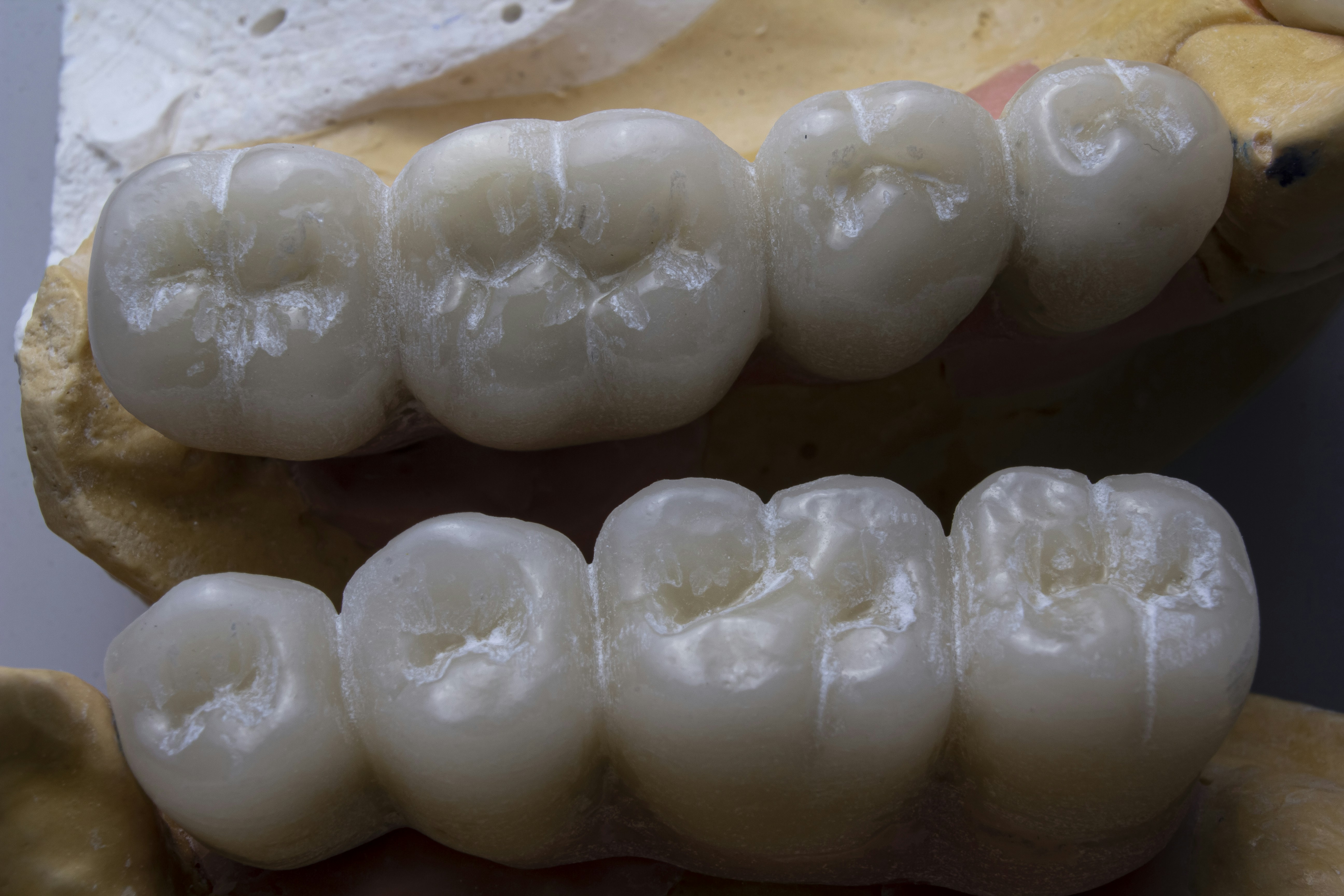
Introduction to CEREC Crown
CEREC crown represent a significant advancement in the field of restorative dentistry, providing patients with the ability to receive ceramic dental crowns in a single visit. Traditional dental crowns often require two appointments: the first for preparation and impression taking, and the second for fitting the final crown, which can take weeks due to off-site fabrication. In contrast, CEREC crown streamline this process through cutting-edge technology that allows for instant crown creation.
The term CEREC stands for Chairside Economical Restoration of Esthetic Ceramics and signifies a system that combines computer-aided design (CAD) and computer-aided manufacturing (CAM) to craft dental restorations. This process begins with a digital scan of the prepared tooth, eliminating the need for messy impressions with dental putty. The resulting 3D model is then utilized to design the crown on a computer, ensuring precise fit and aesthetics.
With the aid of specialized milling units, the crown is fabricated on-site using durable ceramic materials. This swift procedure not only saves time but also enhances the patient experience by minimizing the need for temporary crowns and multiple visits. The accuracy of the CEREC technology ensures that the final product integrates seamlessly with the surrounding teeth, both functionally and esthetically.
Moreover, CEREC crowns are often perceived as a more convenient choice for patients who might find it difficult to attend multiple appointments due to work or personal commitments. This innovative dental solution thus redefines traditional methods, offering a practical and effective alternative for those in need of dental restorations.
Benefits of CEREC Crowns
CEREC crowns offer numerous advantages over traditional crowns, making them a popular choice for patients seeking restorative dental solutions. One of the primary benefits is time efficiency. Traditional crown procedures often require multiple visits to the dental office, which can involve waiting for weeks while a dental lab fabricates the crown. In contrast, CEREC technology enables dentists to design, create, and place a custom crown in a single appointment, allowing patients to leave with a fully restored smile within hours.
Another significant advantage of CEREC crowns is their composition. These crowns are made from high-quality materials such as ceramic, which closely mimics the natural appearance of tooth enamel. The aesthetic outcomes achieved with CEREC crowns are often superior to those of traditional crowns, providing seamless integration with the existing dental structure. The precision of the digital design process means that CEREC crowns not only match the color and shape of the patient’s natural teeth but also offer excellent durability and resistance to wear.
Furthermore, the CEREC system greatly reduces the need for multiple dental visits and follow-up appointments, making it a more convenient option for patients with busy schedules. This streamlined process minimizes interruption to their daily lives, allowing individuals to receive quality dental care with less time investment. Additionally, the immediate placement of crowns means that patients can avoid the discomfort that often accompanies temporary crowns used during the waiting period for traditional crowns.
In summary, CEREC crowns stand out for their time-saving benefits, high-quality materials, and enhanced aesthetic results. In an era where convenience and efficiency are paramount, CEREC crowns present an innovative solution for those in need of dental restorations.
Who Should Choose CEREC Crowns?
CEREC crowns present an innovative solution for patients requiring dental crowns, offering various advantages over traditional methods. Patients who may benefit most from CEREC crowns typically include those with significant dental damage, including large cavities or cracks that compromise the structural integrity of a tooth. The strong, durable material used in CEREC crowns ensures that they provide reliable restoration for damaged teeth, making them particularly suitable for individuals with advanced wear and tear.
Additionally, time constraints often influence the choice of dental treatments. CEREC crowns can be fabricated and placed in a single visit, which makes them highly desirable for patients with busy schedules or those who seek immediate relief from dental issues. This immediate turnaround can significantly enhance a patient’s experience, reducing the need for multiple appointments and the discomfort of temporary crowns.
Personal preferences also play a crucial role in the selection of CEREC crowns. Many patients prioritize convenience and the latest technology when considering their options. CEREC technology uses state-of-the-art imaging and milling processes, which appeal to those who value modern advancements in dental care. Furthermore, individuals with a strong emphasis on aesthetics will appreciate that CEREC crowns offer a highly natural look and feel, closely resembling the appearance of their natural teeth.
Overall, individuals with moderate to severe dental damage, limited time for treatment, and a preference for modern, efficient dental solutions are ideal candidates for CEREC crowns. It is advisable for patients to consult with their dental professionals to evaluate their specific conditions and determine whether CEREC crowns are the best option for their oral health needs.
The CEREC Crowns Procedure: Step-by-Step
The CEREC crown procedure stands out for its efficiency and state-of-the-art technology, simplifying the process of obtaining a dental crown in a single visit. The journey begins with an initial consultation, where your dentist will evaluate your oral health and determine the necessity of a crown. This assessment includes a thorough examination of the affected tooth and surrounding areas, potentially using X-rays to obtain a complete picture of your dental structure.
Once the need for a crown is confirmed, the dentist will take digital impressions using an advanced intraoral camera. This innovative technology allows for precise measurements of the tooth, ensuring that the crown will fit perfectly. Unlike traditional methods that involve messy molds, digital impressions capture the tooth’s shape quickly and accurately, significantly enhancing patient comfort.
Following the impression, the data is sent to a computer-aided design (CAD) system, where the crown is custom-designed based on the specific contours of the tooth. The design process typically takes around 15-30 minutes. Once the design is complete, it is transferred to a milling unit, where the crown is crafted from a block of ceramic material. This milling process takes approximately 10-20 minutes.
After milling, the dentist will check the crown for fit, color match, and overall aesthetics. Once any necessary adjustments are made, the crown is polished for a smooth finish. The final step involves bonding the CEREC crown to the prepared tooth with a strong adhesive, ensuring durability and functionality. Utilizing this advanced technology, CEREC crowns can be completed in one appointment, offering patients the convenience of an immediate solution to their dental needs.
Caring for Your CEREC Crown
Ensuring the longevity of your CEREC crown involves diligent post-procedure care and maintenance. CEREC crowns, crafted from durable materials, can last many years with proper attention. Initially, it is crucial to allow the dental cement to fully set after your appointment. Refrain from placing excessive pressure on the crown for at least 24 hours, providing it time to bond effectively with your natural tooth.
Cleaning your CEREC crown is similar to cleaning your natural teeth. Brush twice daily with a soft-bristled toothbrush and fluoride toothpaste. Pay special attention to the area around the crown, effectively removing food particles and plaque buildup. Flossing remains essential; consider using waxed dental floss or an interdental brush to reach the crown’s edges without damaging it. Additionally, rinsing with an antimicrobial mouthwash can help maintain oral health and keep the surrounding gum tissue healthy.
While CEREC crowns are robust, it is prudent to avoid certain foods that may compromise their integrity. Hard items such as ice, hard candies, and nuts can exert excessive pressure, potentially leading to fractures. Similarly, sticky foods like caramel can dislodge the crown or displace it from its proper position. For the sake of your dental crown and overall oral health, consume a balanced diet and opt for softer foods, particularly during the initial days following the placement.
Regular dental check-ups are another vital component of care for your CEREC crown. Schedule appointments at least every six months to allow your dentist to monitor the condition of the crown and its surrounding structures. They can identify any issues early, ensuring that your CEREC crown serves its intended purpose effectively.
Comparing CEREC Crowns to Traditional Crowns
CEREC crowns and traditional crowns serve the same purpose in dental restoration; however, they differ significantly in their manufacturing processes, time requirements, materials, and patient satisfaction levels. Understanding these differences can aid patients in making informed choices regarding their dental treatment.
One of the most notable distinctions between CEREC crowns and traditional crowns is the time needed to complete the procedure. CEREC technology enables dentists to design, mill, and fit crowns during a single visit, typically lasting around two hours. Conversely, traditional crowns require multiple appointments due to the need for impressions, temporary crown fitting, and a waiting period for the dental lab to fabricate the final crown, which may take a week or more. This can be inconvenient for patients who prefer a quicker restoration process.
Materials used in CEREC crowns primarily include high-quality ceramic, engineered for durability and aesthetics. In contrast, traditional crowns can be fabricated from various materials such as porcelain, metal alloys, or a combination thereof. The choice of materials often influences the crown’s strength and appearance; however, CEREC crowns are increasingly competitive in both aspects due to advanced material technology.
When it comes to costs, CEREC crowns generally fall within a similar price range as traditional crowns. However, the potential for reduced appointment times and the convenience of same-day service may offer financial benefits in terms of time off work and travel expenses for multiple visits. As a result, many patients find that the overall experience with CEREC crowns leads to higher satisfaction rates.
In essence, the comparison of CEREC crowns to traditional crowns highlights several advantages for patients seeking effective and efficient dental solutions. The choice ultimately depends on individual preferences, budget, and the specific recommendations of dental professionals.
Despite the many advantages of CEREC crowns, potential drawbacks and considerations must be addressed to ensure patients make informed decisions. One primary concern is that CEREC crowns may not be suitable for individuals with certain dental conditions. For instance, patients with severe decay or extensive damage to a tooth may require more traditional restorative options that can better accommodate their needs. Furthermore, those with specific alignment issues or those requiring significant bite adjustments may not benefit from the immediate fabrication of a CEREC crown.
Another essential factor to consider is the patient’s expectations. The convenience of having a crown created and placed on the same day can lead some patients to presume this is a universal solution. However, it is important to note that while CEREC crowns can be completed in one appointment, patients must still be mindful of their oral health, including the overall integrity of the tooth being restored. For some, a more detailed treatment plan that involves multiple appointments may yield better long-term results.
Additionally, some patients may experience discomfort during the CEREC crown procedure. While many find the process relatively quick and comfortable, individuals with heightened dental anxiety or sensitivity might feel uneasy throughout the experience. Dentists typically provide local anesthesia to manage discomfort, yet the nature of the procedure may still produce anxiety for certain patients. It is crucial for patients to communicate their concerns and preferences with their dentist prior to the procedure.
In summary, while CEREC crowns present numerous benefits, including convenience and aesthetic appeal, patients should carefully weigh these considerations against their unique dental health circumstances and personal comfort levels. A thorough consultation with a dental professional can help highlight the most appropriate options for each individual.
Cost of CEREC Crowns
CEREC crowns represent a modern solution for dental restorations, allowing patients to receive their crowns in a single visit. However, the cost of CEREC crowns can vary significantly based on several factors. On average, patients can expect to pay between $800 and $2,500 per tooth for a CEREC crown. The actual cost often hinges on the complexity of the case, the geographical location of the dental practice, and the expertise of the dentist performing the procedure.
One significant factor influencing the cost of CEREC crowns is the material used. These crowns are typically crafted from high-quality porcelain, which can be more expensive than traditional materials. Additionally, the technology and equipment required to produce these crowns in-house can add to the overall cost. Therefore, patients should consider that while CEREC crowns may have a higher upfront expense, they often provide long-term advantages such as durability and aesthetic appeal.
Insurance coverage is another aspect to consider when evaluating the cost of CEREC crowns. Many dental insurance plans offer partial coverage for crowns, but it is crucial for patients to confirm the specifics of their policy. Some plans may cover traditional crowns while excluding CEREC options, stemming from the differences in costs associated with each type. Patients are encouraged to consult their insurance provider to understand their potential financial liability.
For those concerned about immediate out-of-pocket costs, financing options are available. Many dental practices provide payment plans or work with third-party financing companies, making dental care more accessible. Utilizing these options can help patients manage the expenses of CEREC crowns without compromising their oral health.
Conclusion and Final Thoughts
In summary, CEREC crowns represent a significant advancement in dental restoration technology. By utilizing state-of-the-art CAD/CAM (computer-aided design and computer-aided manufacturing) systems, CEREC allows dental professionals to create custom crowns in a single visit. This not only saves valuable time but also enhances patient comfort, eliminating the need for multiple dental appointments and temporary crowns.
The benefits of CEREC crowns extend beyond convenience. These crowns are made from high-quality materials that closely mimic the appearance and function of natural teeth, ensuring that they are both aesthetically pleasing and durable. Patients can expect long-lasting results, as CEREC crowns are designed to withstand the rigors of daily use while maintaining their integrity over time.
Moreover, the precision involved in the CEREC process minimizes the risk of fitting issues and enhances the overall satisfaction for patients. By opting for same-day crowns, individuals undergoing dental restoration can leave the office with their final crowns in place, which allows for a quicker return to normalcy.
In light of these advantages, it is recommended that anyone considering dental crowns consult with their dentist about the CEREC option. A dental professional can provide insights tailored to an individual’s unique situation and help determine if this innovative technology is the right choice for their restorative needs. Ultimately, embracing advancements like CEREC crowns can lead to a transformative experience in dental care and oral health.