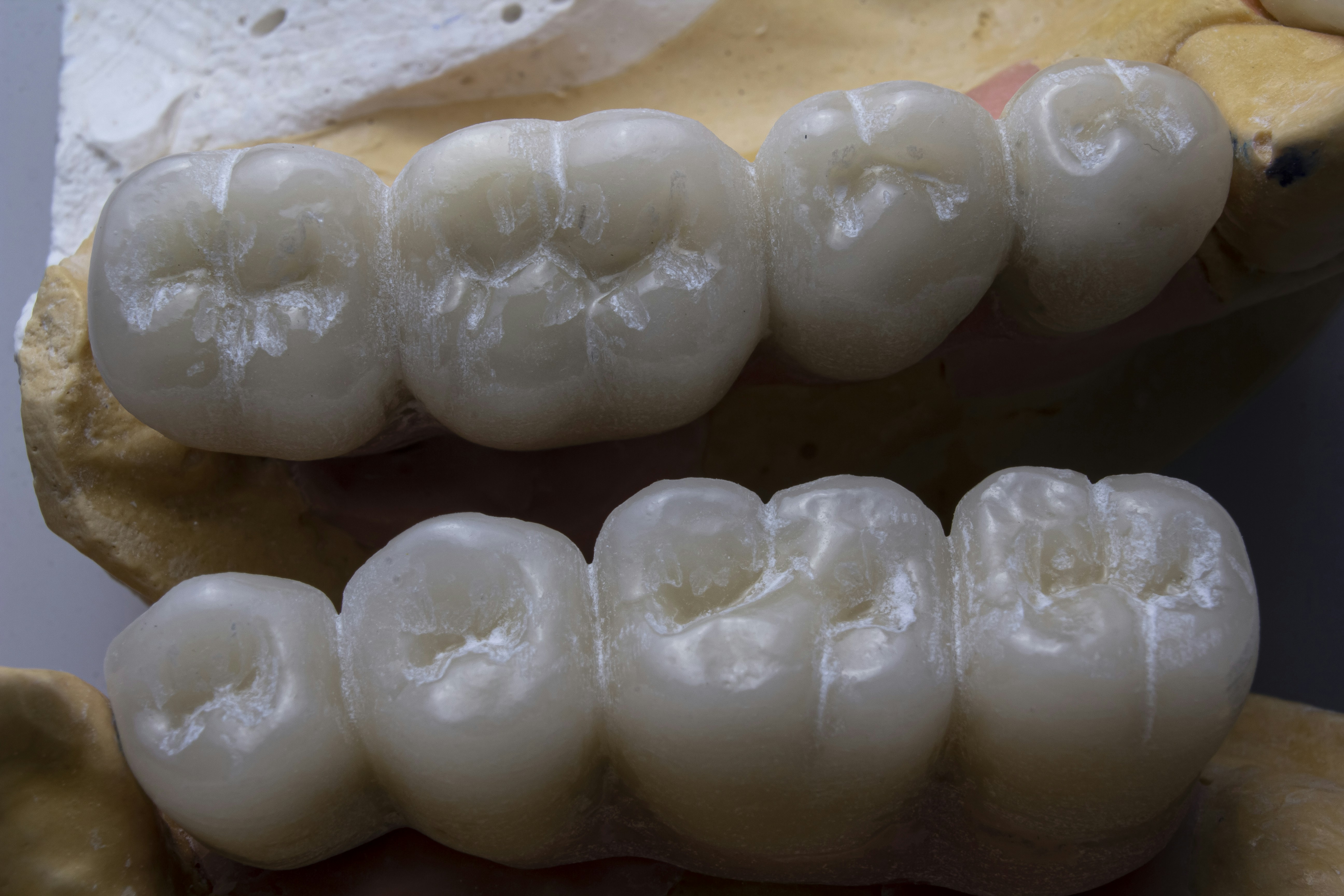
Introduction to Does Getting a Crown Hurt
Dental crowns are custom-made caps designed to cover a tooth, offering both protection and aesthetic appeal. These restorations are frequently employed in various dental procedures to address several issues. Their primary purpose is to strengthen a weakened tooth, restore functionality, and improve the tooth’s overall appearance. This method of tooth restoration can be crucial for preserving a tooth’s structure after significant damage or decay.
There are several common reasons for which an individual might require a dental crown. For instance, crowns are often recommended for teeth that have undergone root canal treatment. After such treatment, the tooth can become brittle, making it susceptible to fractures. A crown helps to reinforce the tooth, ensuring that it can withstand the forces of chewing and biting. Moreover, crowns can be utilized to protect a tooth that is significantly worn down or cracked, preventing further deterioration.
In addition to providing support to compromised teeth, dental crowns can also enhance the appearance of discolored or misshapen teeth. Patients seeking to achieve a more uniform and appealing smile might find that crowns serve as an effective solution. Furthermore, dental crowns can be used in conjunction with dental implants, where they are placed over an implant to recreate the natural function and appearance of a missing tooth.
Overall, understanding the role of dental crowns in oral health can help patients recognize when a dental crown may be necessary. Consulting with a dental professional is critical for assessing individual needs and determining the most suitable restorative options available, including the application of crowns where appropriate.
Understanding the Crown Procedure
The process of getting a dental crown typically begins with an initial consultation, where the dentist evaluates the condition of the tooth requiring restoration. During this visit, the dentist will discuss the reasons for the crown and the various materials available, enabling the patient to make an informed decision. This consultation is crucial for creating a tailored treatment plan that suits the patient’s specific needs.
Following the consultation, the tooth that is to be crowned needs to be prepared. This preparation involves adjusting the tooth to make space for the crown. The dentist will remove any decay and reshape the tooth to ensure a proper fit for the crown. Local anesthesia is often administered to minimize discomfort during this phase, ensuring that the patient does not experience pain as the procedure progresses.
After the tooth preparation, the dentist will take impressions of the treated tooth and the surrounding teeth. These impressions are essential for creating a custom-fit crown that matches the contours of the patient’s mouth. Modern dental practices may utilize digital scanning to obtain these impressions, which can enhance accuracy and comfort. The impressions will be sent to a dental laboratory, where the crown will be fabricated; this process usually takes a couple of weeks.
Once the crown has been prepared, the patient will return for a fitting appointment. During this session, the dentist will place the crown over the tooth to ensure that it fits properly and aligns with the patient’s bite. Minor adjustments can be made at this time to achieve the best fit. The entire procedure, including the initial consultation, tooth preparation, impressions, and fitting, can take anywhere from a few hours to a couple of appointments, depending on the individual case and the complexity of the restoration.
Pain Levels During Emplacement
The process of getting a dental crown can yield varying levels of discomfort depending on individual factors. Before the procedure begins, dentists typically administer a local anesthesia to numb the affected area. This crucial step is designed to minimize any pain that may arise during the crown placement. Most patients report that they feel little to no pain during the procedure thanks to this anesthesia, although some might experience minor sensations of pressure or vibrations due to the dental tools used.
The pain levels a patient may experience can vary significantly based on personal pain tolerance, anxiety levels, and the complexity of the dental issue being addressed. Individuals with a higher sensitivity may perceive the sensations differently compared to those with lower sensitivity. Additionally, underlying dental problems, such as infection or inflammation in the gums, may also influence the level of discomfort experienced during the crown emplacement.
Factors such as the technique employed by the dentist and the material of the crown may also play a role in perceived pain. For instance, a more invasive procedure or one that requires extra preparation of the tooth may result in increased discomfort. Furthermore, postpartum care and healing processes can affect how individuals perceive pain in the days following emplacement; it is not uncommon for patients to experience some soreness or sensitivity in the area once the anesthesia wears off.
In general, while the dental crown placement process may sound daunting, many patients find the experience to be manageable when proper pain management techniques are employed. Communication with the dental professional about any concerns regarding pain can further alleviate anxiety and enhance the overall experience during the procedure.
Post-Procedure Pain and Recovery
After the placement of a dental crown, patients may experience varying sensations that can include pain, sensitivity, or general discomfort. These symptoms typically arise as a natural response to the procedure, which involves altering the original tooth structure to accommodate the crown. It is not uncommon for individuals to report heightened sensitivity to temperature changes, particularly to hot and cold foods and beverages. This sensitivity is usually temporary, largely subsiding within a few days as the tooth and surrounding gum tissues heal.
The degree of discomfort experienced following the procedure can differ significantly among patients. Factors such as the complexity of the preparation needed for the crown, existing dental issues, and individual pain thresholds can all influence the level of post-procedure pain. Generally, any discomfort should be manageable and can often be alleviated with over-the-counter pain relief medications recommended by dental professionals.
In most cases, the acute pain associated with crown placement diminishes within a week. However, residual sensitivity may persist for up to two to three weeks as the mouth adjusts to having the crown in place. During this healing period, it is advisable for patients to maintain good oral hygiene and avoid particularly sticky or hard foods, which could put undue stress on the new crown.
Moreover, factors affecting recovery include oral health status, adherence to post-procedure care guidelines, and whether the crown was placed on a previously treated tooth, such as a root canal. Should any pain persist beyond the expected recovery period, patients are encouraged to consult their dental provider to assess for potential complications or the need for adjustments.
Managing Pain and Discomfort
After receiving a dental crown, it is common for patients to experience some level of discomfort or pain. Understanding how to effectively manage this discomfort is vital for a smooth recovery. One of the most straightforward methods involves utilizing over-the-counter pain medications such as ibuprofen or acetaminophen. These medications can help alleviate pain, reduce inflammation, and enhance the overall comfort of the affected area. However, it is essential to follow the recommended dosages and consult your dentist if pain persists.
In addition to medication, dietary adjustments can play a significant role in managing discomfort following a dental crown procedure. It is advisable to maintain a soft food diet during the initial days after getting the crown. Foods like yogurt, mashed potatoes, and soup can help minimize irritation to the crown and surrounding gums. Avoiding extremely hot or cold foods and beverages can also prevent unnecessary sensitivity, which is particularly beneficial in the tender weeks following the procedure.
Another effective strategy includes applying a cold compress to the side of the face where the crown was placed. This can help reduce swelling and numb the area, providing temporary relief from discomfort. Remember to apply the compress for 15-20 minutes at a time, allowing for breaks to avoid skin irritation.
Moreover, practicing good oral hygiene is crucial during this recovery phase. Gently brushing and flossing can prevent food particles from irritating the sensitive area around the crown, reducing the risk of infection and promoting faster healing. If you experience any unusual symptoms, such as excessive bleeding, persistent pain, or increased swelling, it is important to contact your dentist promptly for further evaluation. By following these practical tips, patients can effectively manage pain and discomfort, ensuring a more comfortable recovery period.
Dental Anesthesia Explained
Dental anesthesia is an essential component in ensuring patient comfort during dental procedures, including the placement of crowns. There are several types of anesthesia used in dentistry, and each serves a specific purpose to minimize pain and anxiety. The two primary categories are local and general anesthesia.
Local anesthesia, the most commonly used type in dental crown procedures, numbs only the area around the affected tooth. The anesthesia works by blocking nerve signals in the targeted region, rendering the area insensitive to pain while allowing the patient to remain fully conscious. Common local anesthetics include lidocaine and articaine, both of which have a rapid onset of action and are effective for various lengths of dental procedures.
General anesthesia, on the other hand, is typically reserved for more complex cases or for patients with severe anxiety, allowing them to remain completely unconscious throughout the procedure. While not common for crown placements, it can be relevant for patients with specific needs or for those undergoing multiple procedures in one sitting.
Before undergoing dental anesthesia, patients should discuss their medical history with their dentist, including any allergies or previous reactions to anesthesia. Understanding how the anesthesia will be administered, whether through injection or inhalation, is crucial. Patients should also be aware that minor side effects, such as temporary numbness or dizziness, may occur, but these typically resolve shortly after the procedure.
After the procedure, it is important for patients to follow any aftercare instructions provided by their dentist. This includes avoiding hot foods and beverages until the numbness has fully worn off, as well as monitoring for any unusual symptoms. By understanding dental anesthesia, patients can alleviate some of their apprehension and focus on a smooth recovery process.
Patient Experiences and Testimonials
Understanding pain levels associated with dental crowns can be subjective, as numerous factors influence individual experiences. Testimonials from patients highlight a spectrum of feelings regarding the comfort and discomfort involved in the procedure.
One patient recounted, “I was quite nervous about getting my crown. However, the dentist reassured me throughout the process. I felt some pressure but no sharp pain. It was much better than I had anticipated.” This sentiment echoes others who experienced minimal discomfort, indicating that effective communication and reassurance from dental professionals can significantly ease patient anxiety.
Conversely, some individuals have reported heightened discomfort during the procedure. A patient shared, “The sound of the drill was alarming, and although I was numbed, I felt a lot of vibrations. It wasn’t unbearable, but I did experience moments of soreness after the anesthesia wore off.” Such responses illuminate that while many patients describe their experiences positively, there are instances where discomfort can be more pronounced, especially if a significant amount of tooth structure is involved.
Another testimonial emphasized the recovery experience: “After receiving my crown, I was surprised by how tender my tooth felt for several days. I needed to stick to soft foods to avoid aggravating my tooth. However, the final result was worth the temporary discomfort.” Post-operative sensitivity is a common occurrence for many, suggesting that while the procedure may be relatively straightforward, the aftermath is an essential aspect of the overall experience.
Collectively, these experiences underline the importance of patient-dentist communication and the role of individual pain tolerance. Balancing testimonials provides a comprehensive view of what many may encounter while getting a crown, preparing future patients for both potential discomfort and positive outcomes.
Consulting with Your Dentist
Prior to undergoing a crown placement procedure, it is essential for patients to engage in open communication with their dentist regarding any anxiety or concerns related to potential pain. This dialogue not only helps to alleviate fears but also allows the dentist to tailor their approach to meet the individual comfort levels and preferences of the patient. Each patient has unique experiences and thresholds for pain, making it crucial for dentists to understand these factors to provide an optimal treatment experience.
During the consultation, patients should feel encouraged to express their worries about the procedure. Whether it is fear of discomfort during the crown fitting or anxiety about the effects of anesthesia, dentists are trained to listen and address these issues thoughtfully. Dentists can recommend various pain management strategies or sedation options that might be appropriate, thus helping to customize the experience to better suit the patient’s needs. This personalized approach reduces the likelihood of discomfort and enhances overall satisfaction with the dental care received.
Moreover, discussing prior experiences with dental procedures can provide dentists with valuable insights into how best to proceed. Some patients may have had uncomfortable experiences in the past that contribute to their anxiety, while others may have undergone similar procedures without significant pain. By understanding these backgrounds, dentists can adjust their techniques and make necessary accommodations that could lead to a more comfortable crown placement experience.
In summary, proactive communication with your dentist before the crown procedure is paramount. It ensures that any apprehensions regarding pain are addressed thoroughly and sets the stage for a positive patient experience, minimizing discomfort and enhancing treatment satisfaction.
Conclusion: What to Expect
When considering dental crowns, many individuals understandably have concerns about potential pain and discomfort associated with the procedure. As discussed, the process of receiving a dental crown typically involves several steps, including tooth preparation, potential impressions, and the fitting of the crown itself. During these stages, it is normal for patients to experience some level of discomfort; however, this is generally minimal and temporary.
Modern dental techniques and advancements in anesthesia have significantly reduced the pain associated with these procedures. Dentists often utilize local anesthesia, which numbs the area around the tooth being worked on, ensuring that patients feel little to no discomfort during the procedure. Additionally, the use of digital impressions and computer-aided design (CAD) technologies can streamline the process, further enhancing patient comfort and reducing the time spent in the dental chair.
It is also important to note that post-procedure sensitivity is common but manageable. Patients may experience mild discomfort or sensitivity in the days following the placement of a crown, but this usually resolves quickly. Over-the-counter pain relievers can often alleviate any minor pain that arises during this period.
In summary, while some discomfort may be expected when getting a crown, patients can feel reassured knowing that advancements in modern dentistry have greatly mitigated pain levels. With proper care and communication with their dental professionals, individuals can navigate the crown process with confidence and a clearer understanding of what to expect at each stage of treatment.