Introduction Zirconia Bridge Price

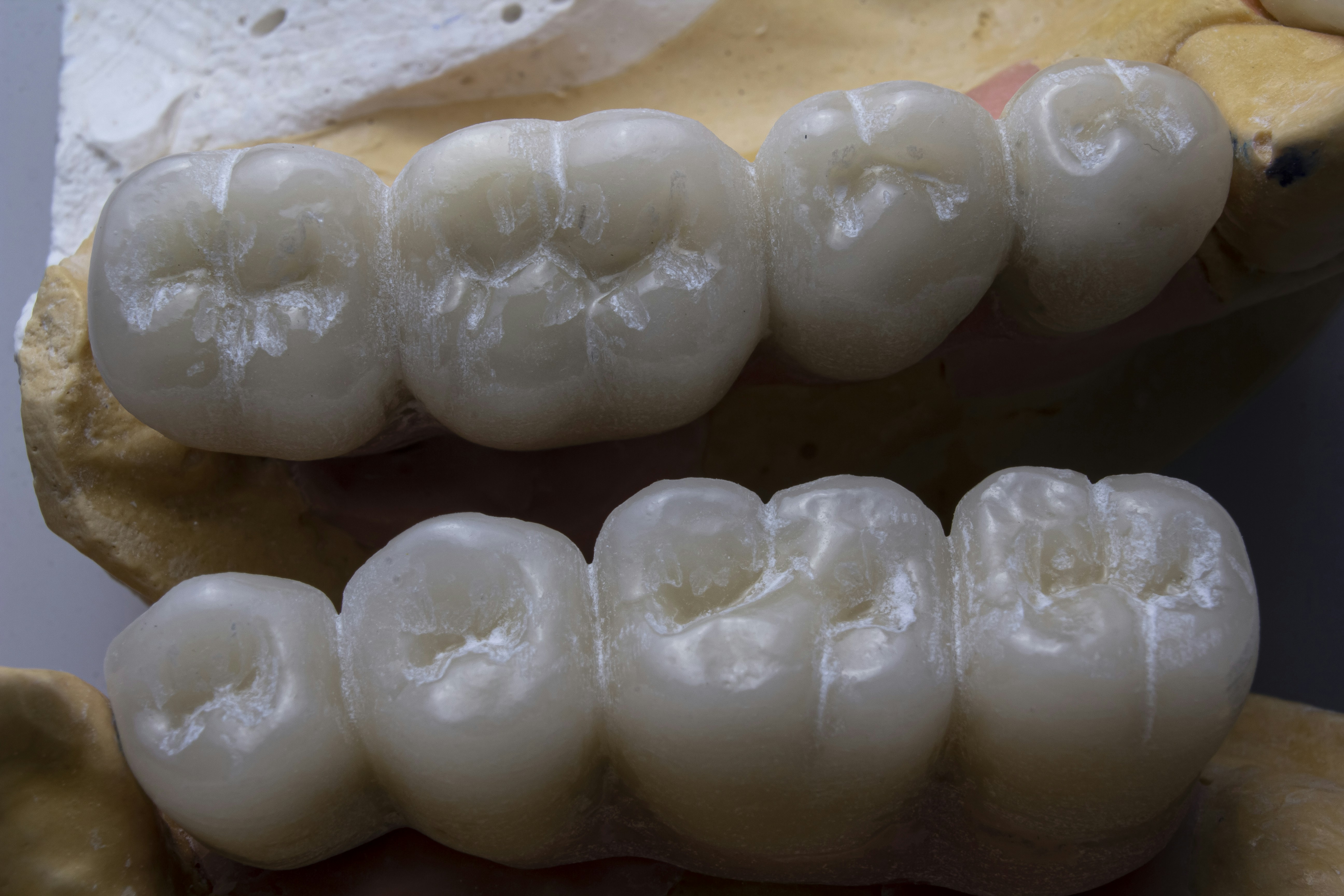
Zirconia bridges represent an advanced solution in restorative dentistry, offering both functionality and aesthetics. These dental prosthetics are crafted from zirconium dioxide, a high-strength ceramic material known for its durability and biocompatibility. Due to these properties, zirconia bridges have gained significant popularity among patients and dental professionals alike, effectively addressing the needs of individuals seeking robust and visually appealing tooth replacements.
One of the primary advantages of zirconia bridges is their natural appearance, which closely mimics that of natural teeth. Unlike traditional metal-based bridges, zirconia bridges do not possess a metallic hue, enhancing their cosmetic appeal. This makes them an excellent choice for visible areas in the mouth where aesthetics play a critical role. Furthermore, their resistance to wear and staining contributes to longevity, another essential factor for those considering dental restorations.
Despite their advantages, understanding the associated costs of zirconia bridges is crucial before proceeding with treatment. Prices can vary significantly based on various factors, including the complexity of the procedure, the experience of the dental professional, and geographical location. Additionally, it is imperative to consider that the total cost may encompass laboratory fees, materials, and any necessary preparatory procedures, such as tooth extractions or implants. As patients weigh their options, a comprehensive understanding of these factors can help in making informed decisions regarding their dental care.
In this blog post, we aim to delve into the intricacies of zirconia bridge pricing, exploring the factors influencing costs and setting realistic expectations for prospective patients in the USA. By doing so, we hope to equip individuals with the necessary knowledge to navigate their dental restoration journey effectively.
What is a Zirconia Bridge?
A zirconia bridge is a type of dental prosthesis designed to replace missing teeth. Fabricated from zirconium dioxide, this material is renowned for its strength, durability, and aesthetic appeal, making it a popular choice among dental professionals and patients alike. Zirconia bridges can come in two main forms: tooth-supported and implant-supported options. Tooth-supported bridges are anchored to adjacent teeth, while implant-supported bridges rely on dental implants that serve as artificial tooth roots.
Zirconia is often preferred over other materials, such as porcelain or metal, primarily due to its superior biocompatibility and resistance to wear. This makes zirconia especially appealing for those who may have sensitivities or allergies to metals. Additionally, zirconia bridges offer excellent aesthetic results, as they can be crafted to match the natural color of surrounding teeth, contributing to a more seamless and uniform smile.
Moreover, it is important to distinguish between fixed and removable zirconia bridges. A fixed zirconia bridge is permanently cemented in place and can only be removed by a dental professional, while a removable bridge can be taken out by the patient for cleaning and maintenance. Each type has its own set of advantages and considerations, depending on individual dental needs and preferences. Implant-supported bridges are generally more stable and can provide a long-term solution for patients with significant tooth loss, while tooth-supported alternatives offer a less invasive option for those retaining adjacent teeth.
Average Zirconia Bridge Price in the USA
The average cost of a zirconia bridge in the United States can vary significantly depending on several factors, including the number of units required, the location of the dental practice, and the complexity of the procedure. On average, patients can expect to pay between $1,000 and $3,000 for a single-unit zirconia bridge. This price generally encompasses the materials used in the fabrication of the bridge, laboratory fees, and the dentist’s professional fees.
For multiple-unit zirconia bridges, the total cost can range from $1,500 to $5,000 or more. Again, this wide price range is influenced by the number of units, the specific dental provider’s pricing structure, and local expenses related to dental services. For instance, urban areas with a higher cost of living, such as New York City or Los Angeles, may see prices on the higher end of the spectrum. Conversely, smaller cities or rural clinics might offer more affordable options.
Additionally, it is essential to note that these approximate prices might not include other necessary treatments that could be required before the placement of a zirconia bridge, such as tooth extractions or gum disease treatments. Patients should also consider the potential for insurance coverage, as some dental plans may partially reimburse the costs associated with zirconia bridges, specifically if they are deemed medically necessary.
Ultimately, while the costs associated with zirconia bridges can be substantial, many patients find these options worth the investment due to their aesthetic appeal and durability. Consulting with a dentist to receive a personalized treatment plan and cost estimate based on individual needs is advised.
Factors Affecting Zirconia Bridge Price
The price of zirconia bridges can vary significantly depending on several key factors. One primary influence is the number and size of the bridges required. Each additional bridge generally increases the overall cost due to the extra materials and labor involved in their fabrication. Additionally, larger bridges may demand more complex design and fabrication processes, thus driving up the price further.
Another critical factor is whether implant placement is necessary. If a patient requires implants to support the zirconia bridge, this will add to the overall cost. The process of placing implants itself involves surgical fees, additional materials, and often requires a lengthier treatment timeline. Hence, understanding the implications of implant placement is essential for estimating total charges when considering zirconia bridges.
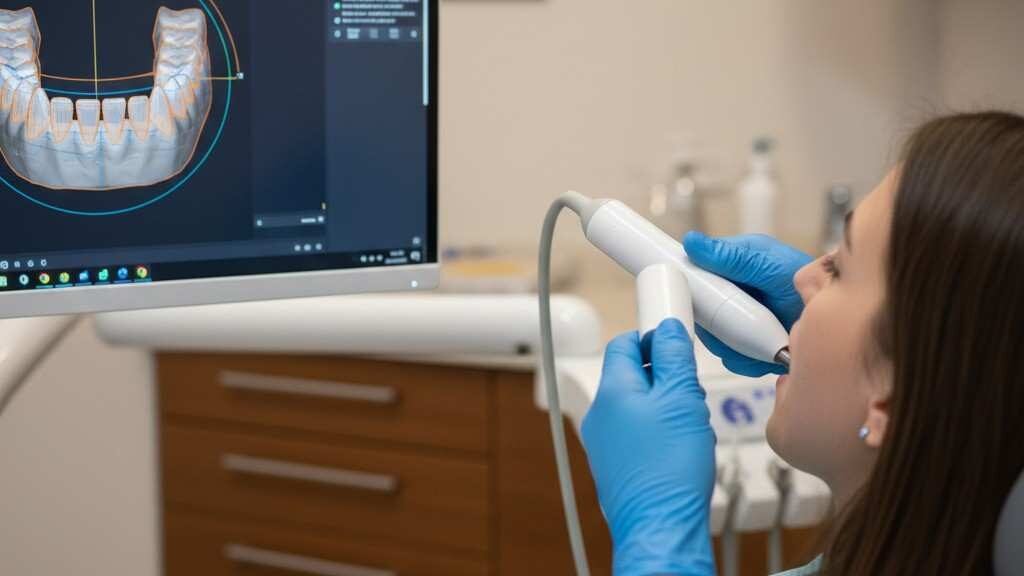
The dentist’s expertise and the technologies utilized in the procedure also play a significant role in determining zirconia bridge price. Dentists with advanced training in restorative dentistry or oral surgery may charge higher fees, reflecting their specialized skills and experience. Furthermore, modern technologies such as CAD/CAM systems can enhance precision and efficiency in creating zirconia restorations, potentially impacting overall costs.
The geographic location of the dental practice is another important determinant of price. Regions with a higher cost of living or greater demand for dental services may see elevated prices compared to other areas. Lastly, the quality of materials selected, specifically whether the zirconia chosen is monolithic or layered, can affect the cost substantially. Monolithic zirconia is generally less expensive and may be favored for its enhanced strength, while layered zirconia offers more aesthetic options, which can lead to increased pricing.
Zirconia Bridge vs Other Materials
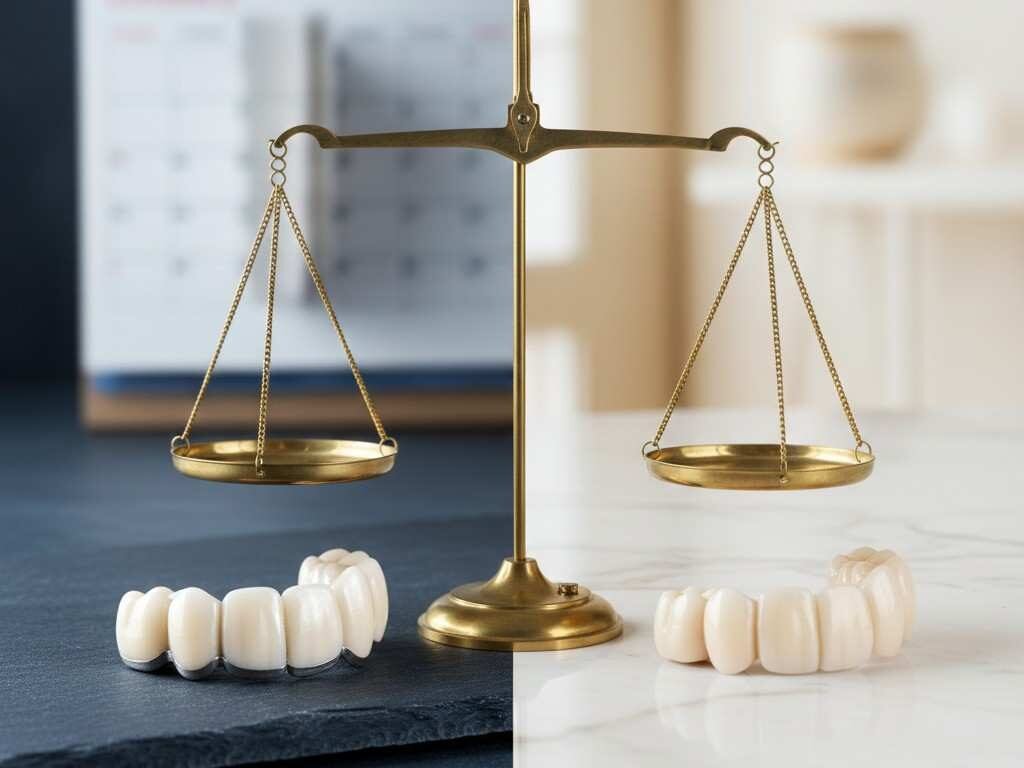
When considering dental bridges, patients often find themselves evaluating the benefits and drawbacks of different materials, such as zirconia, porcelain-fused-to-metal (PFM), acrylic, and composite bridges. Each type comes with its own cost implications and advantages, which can significantly impact decision-making.
Zirconia bridge price, known for their exceptional strength and aesthetics, typically range from $1,000 to $2,500 per tooth. Patients appreciate the natural appearance of zirconia, which closely resembles that of natural teeth due to its translucency. Furthermore, these bridges exhibit superior biocompatibility, reducing the likelihood of allergic reactions commonly associated with metal-based options.
In contrast, porcelain-fused-to-metal bridges are often less expensive, with prices usually ranging between $900 to $2,200. They provide a balance of durability and aesthetics; however, visibility of the metal framework may detract from their natural look. Additionally, PFM bridges can result in gum discoloration over time, affecting their overall appeal.
Acrylic bridges, typically used as temporary solutions, are generally the most affordable, costing between $300 and $750 per tooth. While these options are cost-effective, they lack durability and can wear down more quickly, necessitating frequent replacements. On the other hand, composite bridges, similar in price points to acrylic options, serve as a middle ground in affordability and functionality. However, they may not match the longevity and aesthetic quality of zirconia or PFM bridges.
Ultimately, each material possesses unique characteristics and pricing, making it crucial for patients to evaluate their specific needs and budget when deciding on a dental bridge. By understanding the differences, patients can make informed choices about the longevity and appearance of their dental restorations.
Insurance and Financing Options
When considering the cost of zirconia bridges, understanding the role of dental insurance is crucial. Many dental insurance policies may provide coverage for dental prosthetics, including zirconia bridges, particularly if they are deemed medically necessary. Coverage varies significantly by plan, so it is advisable for patients to review their specific policy details or consult with their insurance provider. Typically, insurance may cover a percentage of the overall procedure costs, which can help mitigate out-of-pocket expenses.
Most insurance plans, especially those with a broader provider network, usually cover a percentage of the cost after meeting a deductible. Patients should inquire whether their plan includes coverage for zirconia bridges and any associated services, such as diagnostic imaging or preparatory treatments. It is also beneficial to clarify any limitations, such as waiting periods or requirements for prior authorization before treatment.
In addition to insurance, there are various financing options available to patients seeking a zirconia bridge. Many dental practices offer payment plans that allow for the cost to be spread out over several months, which can accommodate different financial situations. Furthermore, third-party financing companies often specialize in healthcare-related expenses, providing patients with flexible payment solutions that may include low-interest rates or extended repayment terms.
To help reduce overall costs, patients should consider discussing the total costs with their dentist upfront and seeking recommendations for alternative treatment options that may also meet their dental health needs. Additionally, some dental practices offer promotions or discounts for patients paying in cash or upfront, further lowering the financial burden. By exploring these avenues, patients can manage their expenses more effectively while receiving quality dental care.
Choosing the Right Dentist for Zirconia Bridges
Selecting a qualified dentist for receiving zirconia bridges is a critical decision that can significantly affect the overall outcome of your dental restoration. The ability of the dentist to deliver high-quality results depends on various factors, starting with their credentials. Ensure the dentist has the necessary educational background, such as a degree from an accredited dental school, and check for additional certifications or specializations in restorative dentistry.
Experience plays a pivotal role in the success of any dental procedure, particularly complex ones like zirconia bridges. When researching potential dentists, inquire about their specific experience in implant dentistry. A professional with a wealth of experience is more likely to provide successful outcomes, as they will have encountered various cases and challenges that have honed their skills over time.
Furthermore, it is essential to examine the before-and-after results of previous cases handled by the dentist. Most reputable dentists will maintain a portfolio of their work, illustrating the transformations achieved through their procedures. This portfolio can provide insight into their aesthetic skill and the quality of their work, which is particularly important for visible dental restorations like bridges.
It is also crucial to consider the technology utilized in the dentist’s practice. Advances in dental technology can enhance precision and efficiency in the creation and placement of zirconia bridges. Look for practices that employ digital imaging, CAD/CAM technology, and other modern techniques to ensure that you receive a high standard of care.
Ultimately, choosing the right dentist involves thorough research and evaluation of their qualifications, experience, and the technologies they employ. Making an informed decision can lead to successful outcomes and a positive dental experience.
Frequently Asked Questions
When considering zirconia bridges, many patients have questions regarding pricing, durability, and possible alternatives. One of the most common inquiries concerns the price range of zirconia dental bridges in the USA. On average, the cost of a zirconia bridge typically falls between $1,000 and $2,500 per tooth, depending on factors such as the dentist’s expertise, the complexity of the case, and the geographic location of the practice.
Another frequent question pertains to the longevity of zirconia bridges. Generally, dental professionals note that zirconia bridges can last anywhere from 10 to 15 years, if not longer, especially with proper oral hygiene and regular dental check-ups. Their impressive resilience against wear and tear, as well as resistance to staining, makes them a popular choice amongst patients looking for both aesthetic and functional benefits.
Durability is often a point of concern for patients. Zirconia is renowned for its strength and biocompatibility, making it a suitable material for dental replacements. Unlike traditional porcelain, zirconia is less prone to chipping or cracking, thereby offering a dependable long-term solution for tooth loss.
In addition, potential patients frequently inquire about more affordable alternatives to zirconia bridges. While materials such as porcelain-fused-to-metal or resin can reduce upfront costs, they may not offer the same level of durability and longevity as zirconia. It is crucial to discuss these options with a qualified dentist who can provide tailored advice based on individual circumstances and needs.
Ultimately, understanding the common questions and concerns surrounding zirconia bridge pricing can help patients make informed decisions regarding their dental health. Consulting with dental professionals can further clarify how to best approach one’s specific dental needs.
Conclusion
In exploring the various aspects of zirconia bridge prices, it becomes evident that multiple factors influence the overall cost. Elements such as the complexity of dental work required, the quality of materials used, and the geographical location of dental practices can all significantly impact pricing. Generally, zirconia bridges tend to be a more expensive option than traditional alternatives due to their superior aesthetics, durability, and the advanced technology required for their fabrication. However, it is essential to view zirconia bridges not merely as a short-term expense but as a long-term investment in dental health.
One of the key advantages of choosing zirconia bridges lies in their ability to blend seamlessly with natural teeth, thereby enhancing overall appearance and confidence. Furthermore, their strength and resistance to wear make them a practical choice that can reduce the likelihood of future dental interventions. This aspect can lead to cost savings over time, as patients may encounter fewer instances requiring replacements or repairs.
For those considering a zirconia bridge, consulting with a dental specialist is vital. A professional can provide personalized advice based on individual dental needs, assist in understanding specific pricing structures, and outline what to expect throughout the process. Ultimately, while the upfront cost may be higher than traditional options, the long-term benefits of zirconia bridges position them as a worthwhile option for many patients seeking effective and aesthetically pleasing dental solutions.