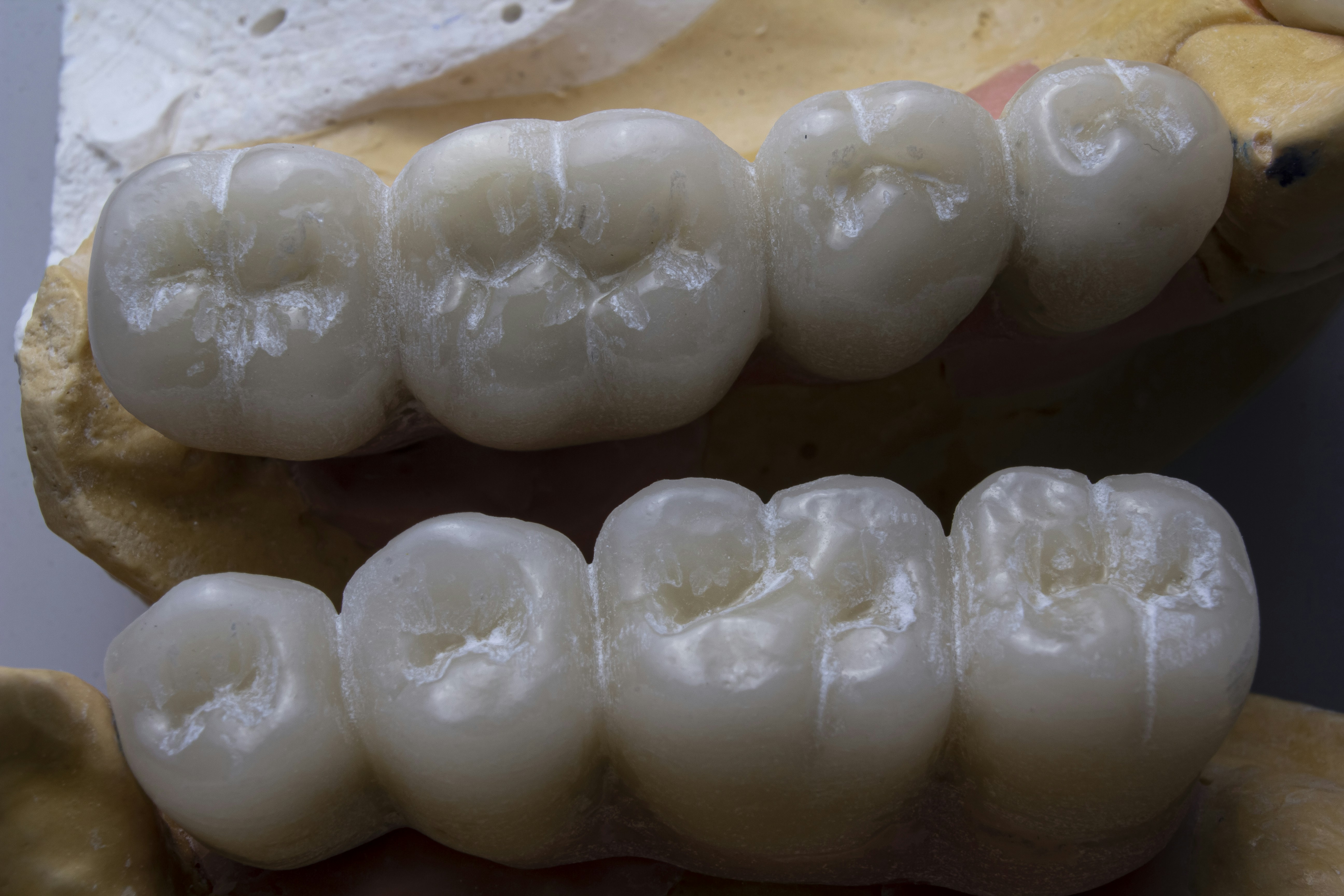
Introduction to Dental Bridges of Zirconia in Mexico
Dental bridges are a crucial component of restorative dentistry, designed to fill the gaps left by missing teeth. They serve the important purpose of restoring both the function and aesthetics of the mouth, allowing individuals to chew food comfortably and maintain a natural-looking smile. A typical dental bridge consists of two or more crowns for the teeth adjacent to the gap (known as abutment teeth) and a false tooth in between, referred to as a pontic. This structure effectively bridges the space created by the missing tooth or teeth, making it possible to restore symmetry and preserve facial shape.
The choice of materials for dental bridges is significant as it impacts longevity and appearance. Zirconia, a high-quality ceramic material, is increasingly becoming a favored option for dental bridges due to its excellent durability, aesthetic appeal, and biocompatibility. Unlike traditional materials, zirconia offers strength and resilience, making it an ideal choice for both anterior and posterior dental applications. Its natural translucency allows it to mimic the appearance of natural teeth closely, addressing concerns related to visual aesthetics in restorative procedures.
In recent years, there has been a notable trend of individuals seeking dental treatments, including zirconia bridges, in Mexico. This appeal can be attributed to the combination of affordable prices and quality care in dental practices across the country. Patients can find a range of specialized dental services at significantly lower costs than in their home countries without compromising on the quality of materials or expertise. As such, dental bridges of zirconia represent a practical solution for many looking to enhance their dental health while benefiting from valuable cost savings.
What Are Zirconia Dental Bridges?
Zirconia dental bridges are advanced dental prosthetics used to replace missing teeth, offering both aesthetic appeal and functional benefits. Composed primarily of zirconium dioxide, a biocompatible ceramic material, these bridges are known for their strength, durability, and natural appearance. Unlike traditional dental materials, zirconia is highly resistant to wear and fracture, making it a popular choice in modern dentistry.
The primary characteristic that sets zirconia apart from other dental bridge materials, such as porcelain or metal, is its impressive tensile strength. Zirconia bridges can withstand significant biting forces without compromising their structure. This resilience is particularly advantageous for those who rely on their dental bridges for daily functions like chewing and speaking.
In addition to its mechanical properties, zirconia is favored for its aesthetic qualities. Zirconia bridges can be precisely matched to the color of natural teeth, ensuring a seamless integration into the patient’s smile. The translucency of zirconia also mimics the natural appearance of tooth enamel, offering an attractive alternative to traditional porcelain or metal-based bridges, which may sometimes create an unnatural appearance.
It is important to note that while zirconia bridges offer numerous benefits, including lower chances of allergies and less gum irritation compared to metal counterparts, they may come at a higher initial cost. However, many patients find that the durability and lifespan of zirconia bridges make them a worthwhile investment in oral health.
Benefits of Zirconia Dental Bridges
Zirconia dental bridges have gained recognition as a premier option in restorative dentistry, largely due to their manifold benefits. One of the primary advantages is their remarkable durability. Zirconia is known for its strength and ability to withstand significant chewing forces, making it a practical choice for individuals who require long-lasting dental solutions. Unlike traditional materials, zirconia bridges are less susceptible to fractures, ensuring that patients can enjoy their favorite foods without fear of damaging their dental work.
Aesthetic appeal is another critical factor influencing the popularity of zirconia dental bridges. Their natural translucency closely resembles that of natural teeth, providing a seamless and attractive appearance. This quality makes zirconia an excellent option for individuals concerned about the visual aspects of their dental restorations. Furthermore, zirconia’s ability to be color-matched with existing teeth allows for a harmonious integration into the patient’s smile, enhancing overall facial aesthetics.
Biocompatibility is a crucial benefit associated with zirconia dental bridges. Patients often prioritize materials that do not induce allergic reactions or sensitivity, and zirconia fits this requirement perfectly. Its chemical properties reduce the likelihood of adverse reactions, promoting a safe and comfortable experience for wearers. This biocompatibility further extends to its ability to resist plaque accumulation, contributing to better oral hygiene.
The resistance to wear and tear is another significant advantage of zirconia. Over time, traditional dental materials can wear down or become discolored, necessitating replacement. Zirconia, on the other hand, offers remarkable resistance to staining and does not easily wear down, which ensures that patients maintain their treatment’s integrity and appearance for years to come. Overall, the outstanding durability, aesthetic qualities, biocompatibility, and resistance to wear associated with zirconia make it an increasingly favored choice for individuals seeking effective dental solutions.
Cost of Dental Bridges of Zirconia in Mexico
The pricing structure for zirconia dental bridges in Mexico is notably distinct from that in the United States and various other countries. Overall, patients can expect to pay significantly less for dental procedures in Mexico. On average, the cost of a zirconia dental bridge in Mexico ranges from $300 to $1,200 per unit, whereas, in the United States, prices can soar to $1,500 to $2,500 or more per unit. This substantial cost difference has led many individuals to seek affordable dental care in Mexico.
Several factors influence the pricing of zirconia dental bridges in Mexico. Firstly, the location of the dental clinic can play a critical role. Major cities like Tijuana, Cancun, and Guadalajara often have a larger influx of dental patients, which can impact the demand and ultimately the prices set by clinics. In contrast, smaller towns may offer lower prices due to lower operating costs and lesser demand.
Moreover, the reputation and credentials of the dental clinic significantly affect the cost of treatments. More established clinics with highly qualified professionals might charge higher fees compared to smaller or newly opened practices. Patients are often inclined to invest in clinics with proven track records of successful procedures, particularly in cosmetic dentistry like zirconia bridges.
Additionally, the complexity of individual cases can influence pricing. Customizations required to fit the patient’s specific dental needs, along with any necessitated preliminary treatments such as extractions or gum procedures, will contribute to the total cost. Therefore, it is essential for patients considering dental bridges in Mexico to consult with dental professionals to obtain a detailed estimate catered to their unique circumstances.
Finding Quality Dental Clinics in Mexico
When considering dental bridges made of zirconia in Mexico, it is essential to find reputable clinics that prioritize patient safety and treatment quality. A thorough research process is crucial in identifying dental clinics that offer these services effectively.
Firstly, verifying the credentials of the dental professionals is a pivotal step. Ensure that the dentists possess the necessary qualifications and specialize in dental restoration. Many clinics provide information on their staff’s education and training, which can offer insights into their expertise. It is advantageous to seek dentists who have received training from recognized institutions, particularly in the field of dental prosthetics.
Reading reviews from previous patients is another effective strategy to gauge the quality of a dental clinic. Websites, social media platforms, and dental tourism forums can serve as valuable resources for patient feedback. Look for comments regarding patient experiences, treatment outcomes, and the overall atmosphere of the clinic. Consistent positive reviews can be a strong indicator of reliable service.
Additionally, checking for quality accreditations can also bolster your confidence in a specific clinic. Reputable dental clinics in Mexico may be accredited by local or international dental organizations, which uphold high standards of care. Certifications not only highlight a commitment to excellence but may also indicate adherence to safety protocols and regulations.
Finally, seeking consultations with multiple dental clinics can provide firsthand experience of their services and approach to patient care. During these visits, pay attention to how clinics address questions and concerns regarding zirconia bridges, including the materials used and the procedures involved. This direct interaction can guide you in selecting a clinic that aligns with your needs and expectations for quality dental care.
The Procedure for Getting Dental Bridges in Mexico
Obtaining dental bridges, specifically zirconia bridges, in Mexico involves a systematic process that ensures patients receive high-quality care. Initially, patients must schedule a consultation with a reputable dental clinic. During this initial visit, the dentist will assess the patient’s oral health, discuss specific needs, and determine whether zirconia bridges are the appropriate solution for their dental issues.
Following the consultation, if dental bridges are deemed suitable, preparatory procedures may be necessary. This can involve dental X-rays to evaluate the underlying bone structure and the condition of surrounding teeth. If there are any existing dental issues, such as decay or infection, these will typically need to be addressed before moving forward with the bridge placement. In some cases, the teeth that will support the bridge may need to be slightly reshaped to ensure a proper fit.
Once the preparatory work is completed, impressions of the patient’s mouth are taken. These impressions are crucial for crafting the custom zirconia bridge, ensuring it matches the patient’s bite and aesthetic preferences. While waiting for the dental lab to fabricate the bridge, a temporary bridge may be provided to protect the prepared teeth and maintain function.
After a few days, the patient returns to the clinic for the fitting of the zirconia bridge. The dentist will carefully place the custom bridge, making necessary adjustments to guarantees comfort and alignment. Finally, follow-up visits will be scheduled to monitor the bridge and the health of surrounding gums, ensuring that the patient’s new dental work remains in optimal condition.
Patient Experiences and Testimonials
Dental bridges have become a popular solution for patients seeking to restore their smiles after tooth loss. Many individuals have turned to Mexico for zirconia dental bridges due to their affordability and high quality. Numerous testimonials from satisfied patients illustrate the positive impact that these bridges have had on their lives.
One patient, Maria, shared her transformative experience. After losing a tooth due to decay, she decided on zirconia dental bridges as a long-lasting option. “I was surprised at how affordable the treatment was in Mexico compared to prices in the United States. The process was seamless, and now I can smile confidently again,” she reflected. Maria’s story highlights the dual benefits of cost and quality that many patients find appealing.
Another patient, John, recounted his journey of selecting a dental clinic in Mexico. After extensive research and various candidacy assessments, he chose a reputable clinic that specialized in zirconia dental bridges. “The staff was incredibly professional, and they took the time to ensure my comfort throughout the entire process. The results were even better than I expected,” John reported. His experience underscores the importance of thorough preparation and selecting a trusted provider.
However, not all experiences were without challenges. Some patients, like Sarah, encountered minor adjustments after their initial fitting. “There was a slight discomfort that needed addressing, but the dental team was responsive and made the necessary changes promptly,” she recounted. Such accounts reflect that while the outcomes are predominantly positive, navigating post-procedure adjustments can sometimes occur.
Overall, patients who have opted for zirconia dental bridges in Mexico emphasize satisfaction and improved quality of life, even amidst the occasional hurdles. These testimonials serve to inform potential patients about the blend of affordability, craftsmanship, and patient care that awaits them in Mexico.
Post-Procedure Care and Maintenance
After receiving zirconia dental bridges, proper care and maintenance are crucial to ensure their longevity and effectiveness. Initially, it is important to adhere to any post-operative instructions provided by your dental professional, as each case may have unique requirements. Proper oral hygiene is one of the most significant factors in maintaining the integrity of your dental bridges.
Regular brushing and flossing should be a part of your daily routine. It is recommended to use a soft-bristled toothbrush and non-abrasive toothpaste to clean the areas surrounding the bridges gently. Patients should brush at least twice a day and ensure they also clean the adjacent natural teeth and gums to prevent plaque buildup, which can lead to gum disease surrounding the pontics and abutment teeth.
In addition to regular brushing, interdental cleaning is vital. Using dental floss or interdental brushes can effectively clean the spaces between the teeth and the dental bridge, where plaque may accumulate. It might be useful to consider using a water flosser as well, as it can help flush out food particles and debris that brushing alone may miss.
Avoiding certain hard or sticky foods can also protect your dental bridges. Hard foods may cause damage or dislodge the bridge, while sticky foods can remaining adhered to the structure, encouraging plaque and decay. Foods such as hard candies, nuts, or raw vegetables should be consumed with caution. Additionally, regular dental check-ups are essential; seeing your dentist at least twice a year can facilitate early detection of potential issues related to your zirconia dental bridges.
By following these aftercare practices, patients can maximize the lifespan of their zirconia dental bridges, ensuring they remain functional and aesthetically pleasing over time.
Conclusion: Making the Right Decision
In summary, dental bridges of zirconia in Mexico offer a blend of affordability, durability, and aesthetic appeal, making them an attractive option for many individuals seeking dental restoration solutions. As we have explored, the advantages of choosing zirconia over traditional materials include superior strength, a natural appearance, and significant resistance to wear and staining. However, while these benefits are compelling, potential patients must consider various factors before making a decision.
It is essential to thoroughly evaluate the costs involved, not only for the dental work itself but also for any associated travel and accommodation expenses if you are considering dental treatment abroad. Understanding the qualifications of the dental professionals, the standards of the facilities, and the potential for aftercare options is also vital. This information leads to making informed choices regarding your dental health.
Moreover, each patient’s circumstances are unique, and factors such as personal dental history, overall health condition, and specific aesthetic goals should guide the decision-making process. Consulting with a qualified dental professional, whether at home or in Mexico, can provide invaluable insights tailored to your needs.
Ultimately, choosing dental bridges of zirconia in Mexico can provide a solution that meets practical and aesthetic requirements, provided the necessary research and consideration are undertaken. We encourage readers to weigh both the advantages and potential drawbacks, ensuring that their choice aligns well with their overall dental health strategy. By emphasizing informed decision-making, one can embark on a journey towards achieving a beautiful and functional smile with confidence.