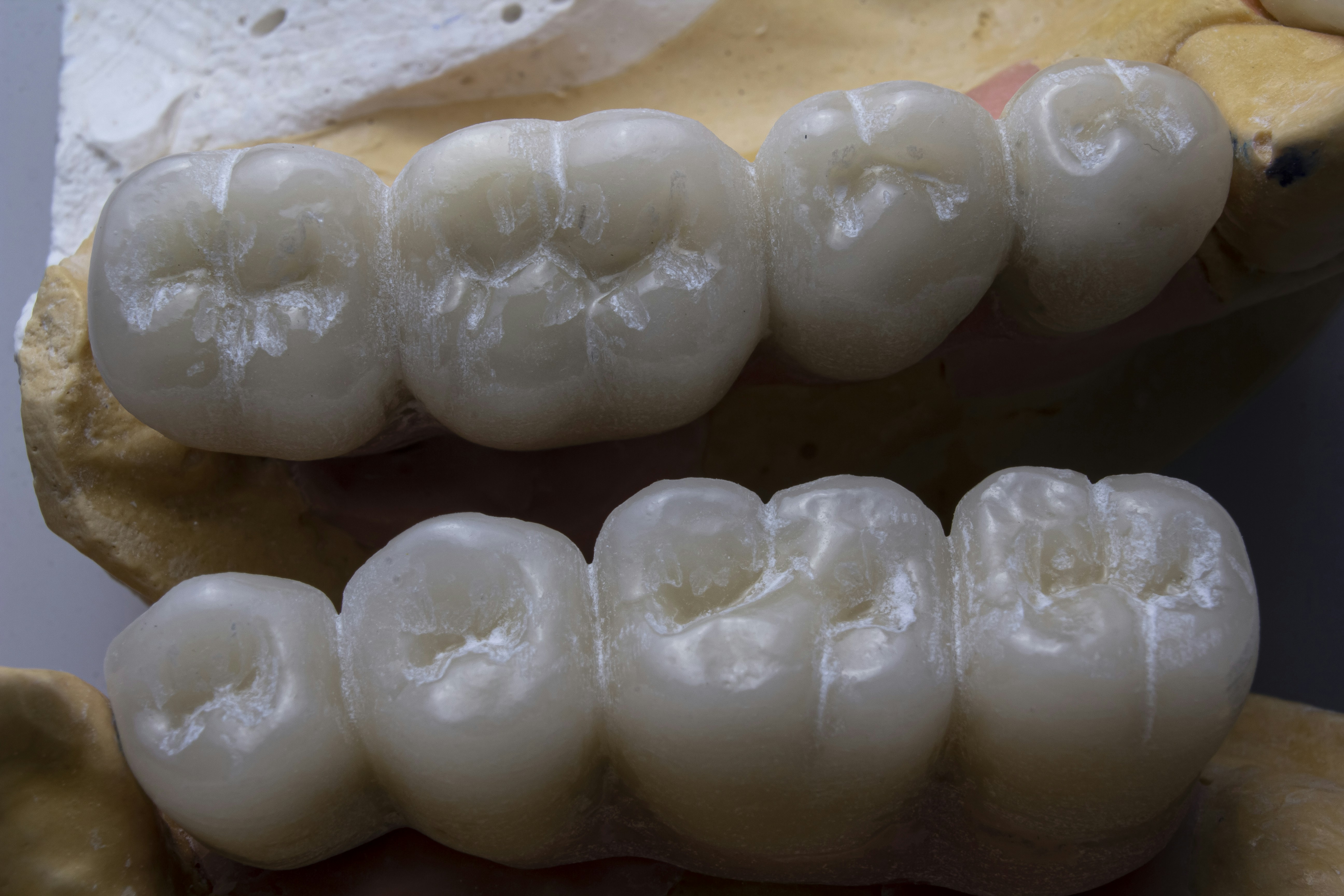
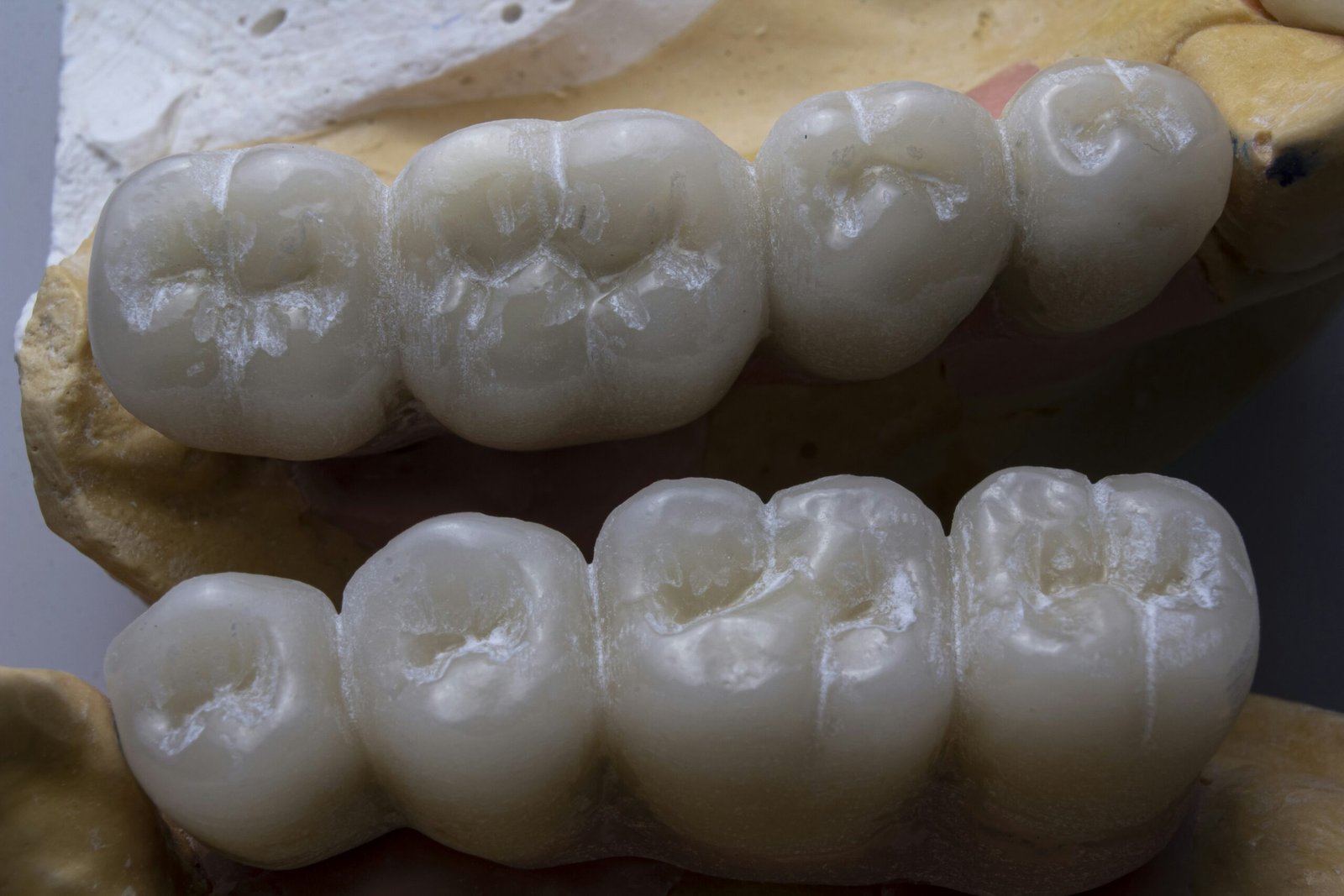
Introduction to Zirconia Implant Bridge
Zirconia implant bridge represent a modern and effective dental solution designed to address the challenges posed by missing teeth. These innovative structures are crafted from zirconia, a biocompatible material renowned for its strength and aesthetic properties. This makes zirconia implant bridges an increasingly preferred choice for patients seeking both functionality and natural appearance in tooth replacement.
The primary role of zirconia implant bridges is to restore the patient’s dental arch by replacing one or more missing teeth with durable and resilient dental units. Unlike traditional dental bridges, which may rely on surrounding teeth for support, zirconia implant bridges are anchored securely to dental implants, ensuring enhanced stability and longevity. This method helps to prevent further dental complications that can arise from tooth loss, such as bone degradation, misalignment, and affected chewing ability.
One of the standout features of zirconia implant bridges is their remarkable aesthetic quality. Zirconia possesses a tooth-like coloring and translucency that closely mimics natural teeth, providing an inconspicuous appearance that contributes to improved confidence in social situations. Additionally, the polished surface of zirconia is less prone to staining compared to other materials, which allows for easier maintenance and longer-lasting beauty.
The advantages of choosing zirconia implant bridges extend beyond aesthetics; they are also less likely to cause allergic reactions compared to metal-based options. The biocompatibility of zirconia ensures that patients experience a more comfortable fit, reducing the likelihood of irritation within the gums and oral tissues. As dental technology continues to evolve, zirconia implant bridges emerge as a leading option for individuals seeking an effective and aesthetically pleasing solution for missing teeth.
Advantages of Zirconia Material
Zirconia, a ceramic material, has gained significant recognition in the field of dental implants due to its unique properties that enhance the performance and aesthetics of dental restorations. One of the foremost advantages of zirconia is its exceptional biocompatibility. This characteristic ensures that the material interacts harmoniously with the body, significantly reducing the risk of allergic reactions or adverse tissue responses. As a result, zirconia implants foster a conducive environment for osseointegration, which is vital for the stability and longevity of dental fixtures.
In addition to its biocompatibility, zirconia boasts superior strength, making it an ideal choice for situations that demand durability. With high fracture toughness, zirconia implants can withstand significant chewing forces, thus ensuring their reliability over time. This strength is particularly beneficial for patients who are heavy grinders or clenchers, as it minimizes the likelihood of implant failure. Furthermore, the material’s resistance to wear is a crucial factor in maintaining the integrity of dental restorations, allowing them to retain their functional and aesthetic qualities much longer than traditional materials.
Another significant advantage of zirconia is its excellent aesthetic appeal. The material can be easily tinted to match the natural tooth color, resulting in restorations that blend seamlessly with surrounding teeth. This property is particularly important for anterior restorations where esthetics play a critical role. Additionally, zirconia is highly resistant to staining, ensuring that these restorations maintain their brightness and luster over time, unlike some other materials that may discolor or fade.
Overall, the unique properties of zirconia—including biocompatibility, strength, and resistance to wear—make it a superior choice for dental implants. These qualities not only contribute to the health of the patient but also enhance the longevity and effectiveness of dental restorations.
Natural Aesthetics and Functionality
Zirconia implant bridges are renowned for their exceptional ability to replicate the look and feel of natural teeth, offering a compelling solution for individuals seeking effective tooth replacement options. The use of zirconia, a high-strength ceramic material, alongside its superior biocompatibility, means that not only does it provide structural integrity, but it also significantly enhances the aesthetic quality of dental restorations.
One of the standout features of zirconia is its translucency, which closely mirrors the light transmission of natural enamel. This characteristic allows zirconia implant bridges to blend seamlessly with adjacent teeth, ensuring that the replacement teeth exhibit a realistic appearance. The translucency provides a depth of color that emulates the natural variations found in human teeth, making them virtually indistinguishable from real dentition.
Moreover, zirconia can be customized in terms of shade, texture, and finish. These adaptations enable dental professionals to match the implant bridges to the surrounding teeth, thereby enhancing not only the visual appeal but also promoting a cohesive smile. The advanced color-matching capabilities of zirconia ensure that the final prosthesis complements an individual’s specific dental aesthetic, significantly contributing to the overall satisfaction of the patient.
In addition to its aesthetic properties, zirconia also delivers significant functionality. The high strength of zirconia allows for better chewing efficiency, enabling patients to enjoy a varied diet post-treatment without concerns of breakage. This combination of natural appearance and durability ensures that zirconia implant bridges serve as a reliable and appealing option for those seeking to restore lost teeth, reaffirming their place as a leading choice in modern dental prosthetics.
Comparison with Traditional Bridges
Zirconia implant bridges have increasingly become a popular option compared to traditional metal-based bridges, offering various advantages that appeal to patients looking for tooth replacement solutions. One of the most notable differences is in appearance. Zirconia is known for its natural tooth-like color and translucency, making it an aesthetically pleasing alternative. In contrast, metal-based bridges may have a more noticeable appearance due to the reflective properties of metal, which can affect the overall aesthetic appeal of a patient’s smile.
When considering durability, zirconia implant bridges are equally impressive. Made from high-strength ceramic, zirconia offers greater resistance to wear and fracture when compared to traditional metal-based materials. This durability ensures that zirconia bridges can withstand the forces of chewing and last longer, reducing the need for replacements or adjustments over time. On the other hand, metal bridges may become prone to corrosion and degradation, which can compromise their structural integrity.
Comfort is another critical factor where zirconia implant bridges stand out. Patients often report less sensitivity and discomfort when using zirconia due to its biocompatibility; this means that it is less likely to provoke an allergic reaction or irritation compared to metal alternatives. Traditional metal bridges, particularly those containing nickel or other alloys, have been associated with discomfort for some patients, potentially leading to oral health issues.
In terms of health concerns, zirconia presents a safer option, as it is metal-free and does not carry the risks associated with metal sensitivity or reactions. Dental professionals often recommend zirconia implant bridges for individuals who may have existing sensitivities to metals, helping to ensure a comfortable and safe treatment experience.
The Procedure for Installing Zirconia Implant Bridges
The process of installing zirconia implant bridges involves multiple critical steps that ensure both functionality and aesthetics. Initially, patients begin with a comprehensive consultation with their dental professional. During this appointment, the dentist assesses the patient’s oral health, discusses expectations, and reviews the patient’s medical history. Diagnostic imaging, such as X-rays or 3D scans, may be conducted to evaluate bone structure and determine the precise location for implant placement.
Once the evaluation is complete, a treatment plan will be developed. This may include preparatory treatments if necessary. For instance, if there is a lack of bone density, bone grafting might be required to build up the jawbone. This preparation ensures that the implants have a firm foundation for support. After these preparatory steps, the patient is typically scheduled for the surgical placement of the zirconia implants.
The surgery is performed under local anesthesia or sedation. The dentist begins by creating a small incision in the gum tissue to expose the jawbone. Holes are then drilled into the bone, into which the zirconia implants are precisely placed. These implants serve as artificial roots, promoting the integration of the implant with the bone over time. Once the implants are securely in position, the incisions are sutured, and the healing process begins.
After surgery, patients enter a healing phase that can take several weeks to months, depending on individual circumstances and the type of implants used. During this time, adherence to post-operative care instructions is crucial for optimal healing. Once healed, the final fitting process begins, where custom-made zirconia bridges are fabricated and placed over the implants. Adjustments may be made for comfort and proper bite alignment. This meticulous procedure ensures a durable, aesthetically pleasing tooth replacement option.
Maintenance Tips for Longevity
Maintaining a zirconia implant bridge is essential for ensuring its durability and functionality over time. Implementing a robust oral hygiene routine is fundamental. Brush your teeth at least twice a day using a soft-bristled toothbrush, keeping in mind to be gentle around the implant area to prevent damaging the surrounding gum tissue. A fluoride toothpaste is advisable, as fluoride can help in remineralizing enamel and protecting against decay.
In addition to regular brushing, interdental cleaning is crucial. Use dental floss or interdental brushes designed for prosthetic devices. This will help remove food particles and plaque from areas that a toothbrush may not effectively reach. Special care should be taken to clean around the zirconia implant bridge; consider utilizing antimicrobial mouthwash to further reduce the risk of gum inflammation or infection.
Furthermore, maintaining regular dental check-ups is vital for the longevity of zirconia implant bridges. Dentists can monitor the condition of both the bridge and the underlying implants, making necessary adjustments or recommendations as needed. It is suggested to schedule visits at least every six months or sooner if you experience any discomfort or concerns.
When it comes to diet, while zirconia is resistant to staining and decay, it is still wise to avoid overly hard foods that could potentially crack the bridge. Additionally, refrain from chewing on ice or using your teeth as tools, as this can contribute to wear and tear over time.
Adopting these maintenance practices and caring appropriately for your zirconia implant bridge will not only enhance its lifespan but also promote overall oral health. By prioritizing hygiene and routine check-ups, you can ensure that your tooth replacement remains a reliable and aesthetically pleasing solution for years to come.
Potential Risks and Considerations
Zirconia implant bridges are regarded for their aesthetic appeal and durability; however, it is imperative to understand the potential risks and considerations associated with this dental solution. Firstly, careful planning is crucial in the successful implementation of zirconia implants. This involves an in-depth assessment of the patient’s oral health, overall medical condition, and specific dental needs. A thorough plan helps in identifying any underlying issues that may hinder the successful integration of the implants.
The condition of the jawbone is a significant factor to consider. Proper bone structure is essential for supporting zirconia implants. If the bone is insufficient or compromised due to previous periodontal disease or tooth loss, additional procedures such as bone grafting may be necessary. This not only increases the complexity of the procedure but may also prolong the treatment time and recovery period.
Moreover, the expertise of dental professionals plays a pivotal role in the success of zirconia implant bridges. It is vital that the dental team possesses specialized training and experience in performing implant surgeries. Inexperienced practitioners may inadvertently lead to complications, including implant failure or incorrect positioning, which can compromise the function and longevity of the bridge.
Another consideration is the risk of complications such as infection or inflammation during the healing process. While these risks are generally low, patients should be informed about the signs and symptoms to watch for during their recovery. Maintaining oral hygiene and following post-operative instructions are critical in minimizing these potential risks.
Patient Experiences and Testimonials
The journey towards opting for a zirconia implant bridge often stems from a desire for a long-lasting and aesthetically pleasing solution to tooth loss. Patients report various experiences, detailing their motivations and outcomes related to this innovative dental procedure. Each narrative illustrates a common outcome: enhanced satisfaction and improved quality of life.
Many patients begin their zirconia implant bridge journey with concerns about comfort and appearance. For instance, a 45-year-old woman shared her experience of struggling with traditional dentures. After undergoing the zirconia implant bridge procedure, she expressed relief and happiness upon discovering that her new dental bridge not only looked natural but also offered unparalleled comfort. As she stated, “I feel like I finally have my smile back, and I can eat without worries. It has changed my life!”
Another patient, an elderly gentleman, highlighted the positive shift in his social interactions after opting for a zirconia implant bridge. He explained how his self-esteem suffered following tooth loss, impacting his willingness to engage in conversations. After the treatment, he noticed a significant improvement. “I can talk without feeling self-conscious about my smile—the zirconia bridge has given me a new confidence. I can enjoy family gatherings again,” he enthused.
Encouragingly, patients often emphasize the durability of zirconia as a key advantage. Several testimonials mention their satisfaction with the implant’s resilience, which allows for normal eating habits without the fear of breaking a tooth or damaging the bridge. A 38-year-old patient remarked, “The zirconia implant has stood the test of time. I am able to chew comfortably on all types of food, which is something I thought I would never enjoy again.”
Through these narratives, it becomes evident that zirconia implant bridges not only fulfill a functional purpose but also significantly enhance personal well-being. Patients across various age groups frequently report their positive experiences, illustrating how this dental solution can lead to a profound transformation in their daily lives.
Conclusion: Why Choose Zirconia Implant Bridges
In the context of tooth replacement, zirconia implant bridges stand out due to their numerous benefits. Firstly, zirconia is a biocompatible material, ensuring a low risk of allergic reactions and supporting the overall health of the gum tissue. This feature makes zirconia bridges a safe choice, especially for individuals who may have sensitivities to metal-based dental solutions.
Additionally, zirconia implant bridges offer superior aesthetic appeal. The natural-looking color of zirconia mimics that of real teeth, allowing for a seamless blend within the dental arch. This characteristic is especially important for those looking to restore their smile without the visible signs associated with traditional metal implants. The translucency of zirconia further enhances its resemblance to natural tooth enamel, making it a preferred option for cosmetic considerations.
Another significant advantage of zirconia implant bridges lies in their durability. Zirconia is renowned for its robust structure, which can withstand substantial chewing forces. Its resistance to wear and fractures ensures longevity, often exceeding that of other materials. Patients can enjoy peace of mind knowing that their investment in dental restoration is likely to last for many years with proper care.
Moreover, the lower thermal conductivity of zirconia compared to metal helps in reducing sensitivity and discomfort, enhancing the overall patient experience. The ease of maintenance, combined with the remarkable durability, makes zirconia implant bridges an exceptional choice for individuals seeking tooth replacement solutions.
In recognition of the significant benefits they provide, patients are encouraged to consider zirconia implant bridges as a comprehensive option for their dental needs. With their combination of aesthetics, functionality, and biocompatibility, they undoubtedly represent the future of tooth replacement.