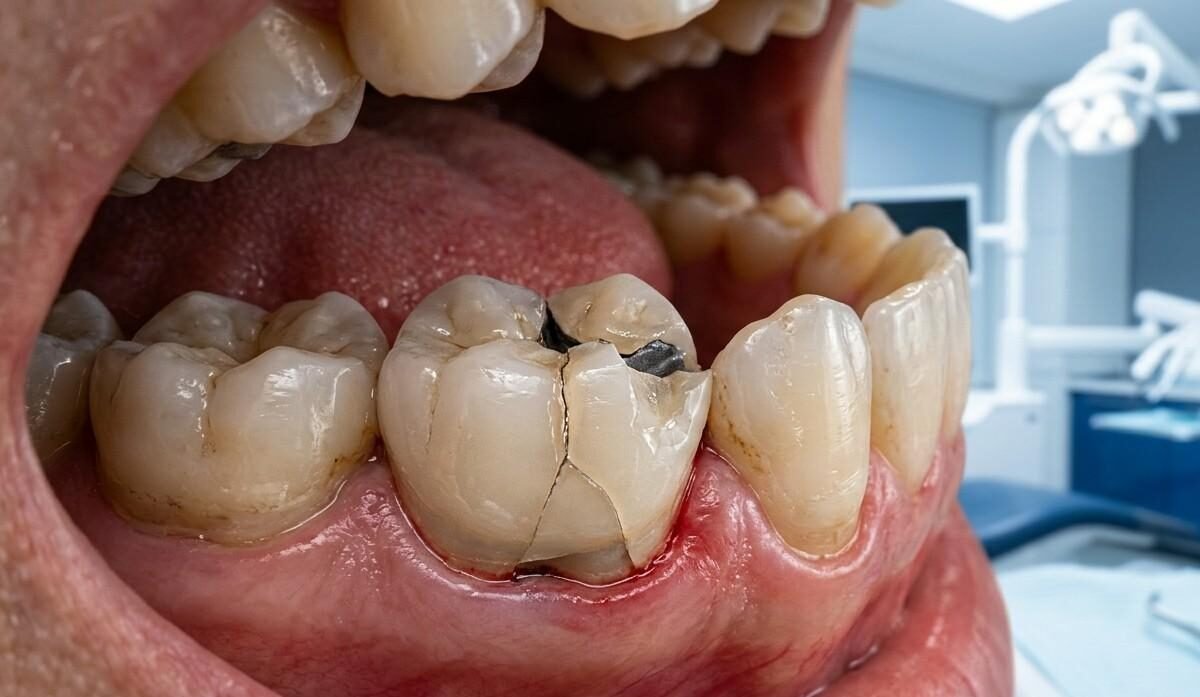
Chipped Tooth Crown Expert Guide 2026 Fixes
Key Takeaways
- A chipped tooth crown can expose underlying tooth structure and needs prompt attention
- Minor chips may be polished, but larger damage often requires crown repair or replacement
- Pain, sensitivity, or sharp edges are warning signs not to ignore
- Dental treatment costs in the USA vary widely depending on severity
- Early care prevents infection, further damage, and higher costs
What Is a Chipped Tooth Crown?
A chipped tooth crown refers to damage to a dental crown—the protective cap placed over a tooth. This chip may affect only the outer porcelain layer or extend deeper, exposing the inner structure.
In clinical practice, dentists commonly observe crown chips caused by everyday stress like chewing hard foods or accidental trauma. While some chips are cosmetic, others can compromise the tooth’s protection.
What Causes a Chipped Tooth Crown?
A chipped tooth crown usually results from physical stress or material wear.
Common Causes
- Biting hard foods (ice, nuts, hard candy)
- Teeth grinding (bruxism)
- Accidental injury or trauma
- Old or weakened crowns
- Poor crown fit or bonding issues
Dentists often report that older crowns are more prone to chipping due to gradual material fatigue.
Symptoms to Watch For
A chipped tooth crown may not always cause pain, but certain symptoms indicate a problem.
Warning Signs
- Sharp or rough edge on the crown
- Tooth sensitivity to hot or cold
- Pain when biting
- Visible crack or missing piece
- Gum irritation around the crown
Patients often report discomfort when chewing, especially if the chip exposes the inner tooth.
When to See a Dentist
You should see a dentist as soon as possible if your crown is chipped.
Seek Immediate Care If:
- You feel pain or sensitivity
- The chip is large or visible
- The crown feels loose
- There is bleeding or swelling
Even minor chips should be evaluated, as small damage can worsen quickly without treatment.
Home Care Before Dental Visit
While waiting for your appointment, you can protect your tooth safely.
Temporary Measures
- Avoid chewing on the affected side
- Use dental wax to cover sharp edges
- Maintain gentle oral hygiene
- Avoid very hot, cold, or sugary foods
⚠️ These are temporary solutions—not permanent fixes.
Professional Treatment Options
Treatment depends on the severity of the chipped tooth crown.
Common Dental Treatments
- Polishing or smoothing: For small chips
- Dental bonding: Repairs minor cosmetic damage
- Crown repair: If structure is mostly intact
- Crown replacement: For major damage
- Root canal + new crown: If pulp is affected
“In clinical settings, crown replacement is often recommended when structural integrity is compromised.”
Treatment Comparison Table
| Treatment Option | Best For | Durability | Estimated Cost (USA) |
|---|---|---|---|
| Polishing | Minor chips | Short-term | $50 – $150 |
| Bonding | Small cosmetic chips | Moderate | $150 – $400 |
| Crown Repair | Moderate damage | Good | $300 – $800 |
| Crown Replacement | Severe damage | Long-lasting | $800 – $2,500 |
Cost of Treating a Chipped Tooth Crown in the USA
The cost of fixing a chipped tooth crown varies based on severity, materials, and location.
Factors Affecting Cost
- Type of crown (porcelain, metal, zirconia)
- Extent of damage
- Dentist’s expertise
- Insurance coverage
Patients in the USA often pay more for full crown replacements, especially without insurance.
Risks of Ignoring a Chipped Tooth Crown
Ignoring a chipped tooth crown can lead to serious complications.
Possible Risks
- Tooth infection
- Increased sensitivity and pain
- Crown failure or complete breakage
- Damage to surrounding teeth
- Need for more expensive procedures
Dentists emphasize that early treatment prevents long-term damage and higher costs.
Prevention Tips
Preventing a chipped tooth crown is easier than repairing one.
Practical Tips
- Avoid chewing hard objects
- Wear a night guard if you grind teeth
- Maintain regular dental checkups
- Practice good oral hygiene
- Replace old crowns when recommended
Patients who follow these steps significantly reduce their risk of crown damage.
Special Considerations
For Children
Children with crowns should avoid hard candies and maintain regular dental visits.
For Pregnant Women
Safe dental care is possible during pregnancy, but always inform your dentist.
For Diabetic Patients
Proper oral care is critical, as healing may be slower and infection risk higher.
Conclusion
A chipped tooth crown may seem minor, but it can quickly lead to bigger dental problems if ignored. Whether caused by trauma, wear, or biting hard foods, prompt evaluation is essential. Treatment ranges from simple polishing to full crown replacement depending on severity.
The key is early action—addressing a chipped tooth crown quickly can prevent pain, infection, and costly procedures. If you notice any symptoms, consult a licensed dentist for proper diagnosis and care. Protecting your dental health today ensures a stronger, healthier smile for the future.
FAQ Section
1. Is a chipped tooth crown an emergency?
A chipped tooth crown is not always an emergency, but it should be checked quickly. If there is pain, sensitivity, or a large break, urgent dental care is needed to prevent infection or further damage.
2. Can a chipped crown be repaired without replacing it?
Yes, minor chips can often be repaired using polishing or bonding. However, larger damage usually requires crown replacement to restore full strength and function.
3. How long can I wait to fix a chipped crown?
You should not wait more than a few days. Delaying treatment increases the risk of infection, further breakage, and damage to the underlying tooth structure.
4. Does a chipped crown cause pain?
Not always. Some patients feel no pain, while others experience sensitivity or discomfort when chewing. Pain usually indicates deeper damage that needs immediate attention.
5. What should I avoid with a chipped tooth crown?
Avoid hard, sticky, or very hot and cold foods. These can worsen the damage or cause discomfort until the crown is repaired.
Internal & External Link Suggestions
Internal Links
- how to stop tooth nerve pain
- signs you need a root canal
- tooth infection symptoms guide
External References
- American Dental Association (ADA)
- CDC Oral Health page