Zirconia Bridges: A Durable, Natural-Looking Solution for Missing Teeth
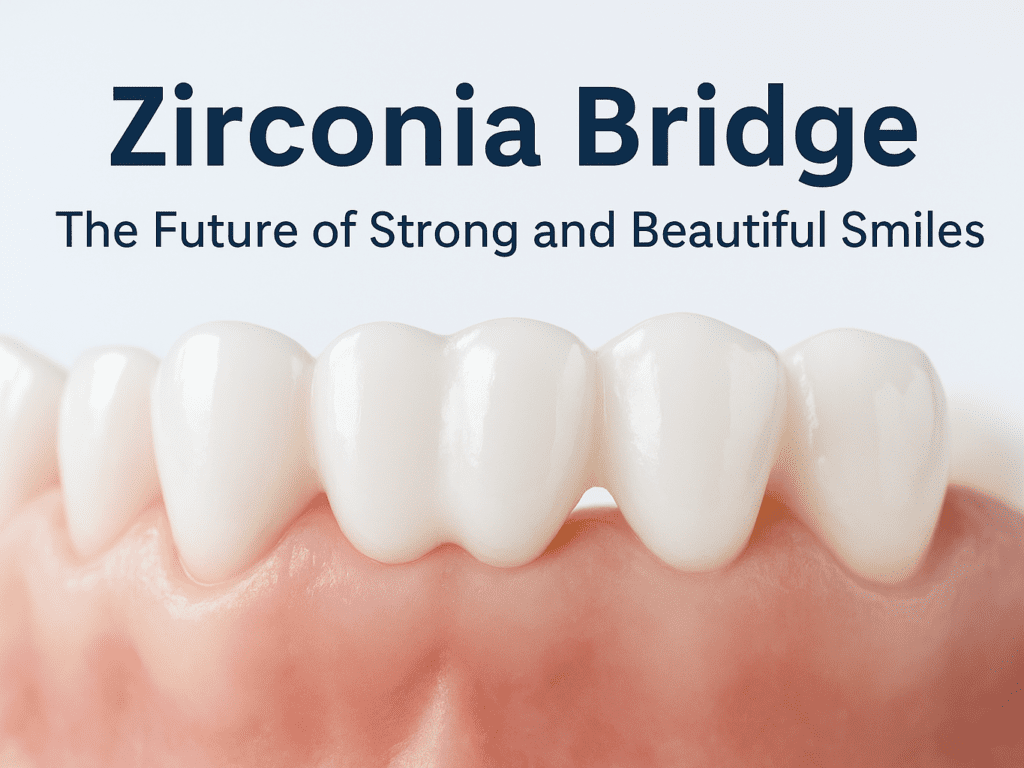
A zirconia bridge is an all-ceramic dental prosthesis made from zirconium dioxide (zirconia) that replaces one or more missing teeth. Unlike traditional metal-based bridges, zirconia bridges are metal-free and highly biocompatible【21†L174-L183】【9†L83-L90】. This means they blend seamlessly with natural teeth without any dark metal edges and are hypoallergenic, making them safe for patients with metal sensitivities【21†L174-L183】【5†L222-L231】. Because zirconia is an extremely strong dental ceramic, a zirconia bridge can withstand heavy chewing forces – roughly 10 times the strength of natural enamel【9†L117-L125】 – and resists fracturing under normal biting. These properties make zirconia bridges ideal for both front (anterior) and back (posterior) teeth restorations【21†L205-L213】【19†L121-L129】. In short, zirconia bridges offer the appearance of a natural tooth along with exceptional durability and longevity.
- Definition: A dental bridge spans the gap of one or more missing teeth by anchoring crowns to neighboring teeth or implants. A zirconia bridge uses crowns and a pontic (false tooth) made entirely from zirconia ceramic【21†L174-L183】.
- Material: Zirconia (zirconium dioxide) is a high-tech ceramic. It starts as zirconium metal processed into a white ceramic powder. The result is a metal-free, biocompatible ceramic with outstanding mechanical strength【9†L83-L90】【21†L199-L207】.
- Strength & Fracture Resistance: Because zirconia is exceptionally tough, it can endure the strong forces of chewing. Studies and practitioners note its fracture resistance is far superior to other dental ceramics【9†L83-L90】【21†L205-L213】. For example, one practice notes zirconia offers the highest mechanical strength of any non-metal dental material【9†L83-L90】. This allows zirconia bridges to last many years with minimal cracking or chipping.
- Natural Appearance: Zirconia’s color and translucency closely mimic natural tooth enamel. It comes in various shades of white, enabling a precise color match to surrounding teeth【21†L210-L213】【19†L121-L129】. Its smooth, glass-like surface reflects light just like real teeth, delivering a lifelike smile that is virtually indistinguishable from natural teeth. Unlike porcelain-fused-to-metal (PFM) bridges, zirconia bridges have no metal substructure, so there’s no gray line at the gumline【6†L254-L263】【19†L121-L129】.
- Biocompatibility: Zirconia is hypoallergenic and extremely gentle on gum tissues【5†L222-L231】【9†L105-L110】. Being metal-free, it eliminates the risk of metal allergies or tissue discoloration. Clinicians report that zirconia bridges are well tolerated and do not irritate gums, making them safe for virtually all patients【5†L222-L231】.
- Stain Resistance: The non-porous surface of zirconia repels stains from coffee, tea, and smoke【6†L237-L246】. Unlike acrylic or conventional porcelain, it does not absorb pigments, so the bridge maintains its brightness for years. Patients enjoy a long-lasting white smile because zirconia resists the discoloration that affects other materials【6†L237-L246】【19†L121-L129】.
- Low Wear on Opposing Teeth: Although very hard, zirconia is polished to reduce abrasion. In practice, it causes minimal wear on the opposing natural teeth【2†L153-L160】【38†L83-L90】. (Note: some dentists caution that if improperly finished, any hard ceramic can eventually wear against opposing teeth, so expert polishing is important.)
- Preventing Bone Loss: When supported on dental implants, a zirconia bridge helps preserve jawbone health. The implants mimic tooth roots, stimulating the bone and preventing the “sunken” facial look associated with dentures【9†L129-L135】【19†L109-L117】.
【9†L83-L90】【19†L121-L129】 Examples of zirconia bridge advantages: exceptional strength, natural enamel-like color, and biocompatibility.
How Zirconia Bridges Are Made and Placed
Creating a high-quality zirconia bridge involves advanced digital dentistry techniques. Typically the process includes:
- Consultation & Digital Planning: The dentist examines the patient, takes X‑rays and 3D scans or impressions of the mouth【22†L220-L228】. These digital models capture exact details of the adjacent teeth, jawbone, and bite. The dentist and lab then design the bridge virtually to ensure a perfect fit and proper alignment.
- Tooth (or Implant) Preparation: The supporting teeth (abutments) are gently ground down to make room for the crowns. If implants are used, posts are surgically placed in the jawbone first and allowed to integrate. (Occasionally, sedation or anesthesia is used for patient comfort during these steps.)
- Final Impressions: An impression material or intraoral scanner records the prepared teeth and bite【22†L237-L242】. This model is sent to the lab for bridge fabrication.
- Temporary Bridge: While the permanent bridge is being made, a temporary acrylic bridge is fitted over the prepared teeth【22†L244-L252】. This protects the exposed teeth and maintains appearance during healing or lab work.
- CAD/CAM Milling: Skilled technicians use CAD/CAM (computer-aided design/manufacturing) equipment to mill the bridge from a solid block of high-strength zirconia【5†L176-L184】【22†L254-L259】. The milled bridge is then sintered (heated) to increase its strength and finished (stained and polished) to match the patient’s tooth color【5†L176-L184】.
- Final Placement: The dentist checks the fit, makes any fine adjustments, and then cements or bonds the zirconia bridge in place【22†L261-L268】. The result is a solid, custom-fit restoration that blends seamlessly with the patient’s smile.
This digital workflow – from 3D scanning to milling – ensures precision and a snug fit【25†L256-L264】【22†L254-L259】. Patients often leave with fully functional teeth after just a couple of appointments. With modern CAD/CAM techniques, zirconia bridges can sometimes be delivered within days instead of weeks, minimizing inconvenience.
Benefits of Zirconia Bridges
Advantages of zirconia bridges include:
- Exceptional Durability: Zirconia is one of the toughest ceramics used in dentistry【9†L83-L90】【19†L109-L117】. A single zirconia bridge can resist chipping and cracking under everyday use. Patients often report that their zirconia restoration feels stronger than their natural teeth【19†L109-L117】.
- Superior Aesthetics: The translucent, enamel-like look of zirconia means a zirconia bridge virtually disappears in the mouth【19†L121-L129】【6†L254-L263】. Unlike PFM bridges that may show a dark metal margin, zirconia bridges have a uniform tooth-colored structure from top to bottom. Lab-customized shading and polishing give a lifelike sheen that reflects light like real teeth【19†L121-L129】【6†L254-L263】.
- Biocompatibility: As a hypoallergenic ceramic, zirconia causes negligible tissue reaction【5†L222-L231】. Patients with metal allergies or sensitivities benefit greatly from an all-ceramic bridge. Gum tissues stay healthy around zirconia restorations because zirconia does not corrode or release ions.
- Stain and Bacteria Resistance: The smooth, dense surface of zirconia discourages plaque and tartar accumulation【6†L237-L246】【9†L83-L90】. Foods and beverages that typically stain teeth (coffee, tea, red wine) leave little to no mark on zirconia. This helps maintain both oral hygiene and aesthetics.
- Minimal Preparation: In some cases, less natural tooth structure needs to be removed for zirconia than for metal-based bridges. Because zirconia is so strong, thinner but still durable bridge frameworks can be used. This conserves more of the patient’s own tooth.
- Functionality: Zirconia bridges restore near-100% of normal chewing ability【19†L99-L105】. Patients can bite and chew almost as forcefully as with healthy natural teeth. This strong support improves nutrition and overall oral function.
Illustration – Strength and Aesthetics:
- Strength: Zirconia has a flexural strength of around 900–1200 MPa, vastly higher than acrylic (about 100 MPa)【3†L127-L135】.
- Appearance: Each zirconia bridge is custom-shaded so that, once placed, it is hard to tell apart from adjacent teeth【19†L121-L129】. The material’s opacity and hue can be fine-tuned in the lab for a perfect match.
Zirconia vs. Other Bridge Materials
Compared to older materials, zirconia offers clear advantages:
- Zirconia vs. Porcelain (All-Ceramic) Bridges: Both are tooth-colored, but zirconia is much stronger【6†L254-L263】【33†L58-L61】. Pure porcelain bridges can chip or fracture more easily, especially on back teeth. Moreover, porcelain bridges often need a metal substructure (PFM), which can show a dark line at the gums. Zirconia, being monolithic ceramic, avoids this issue【6†L254-L263】. In practice, a zirconia bridge provides more longevity and fewer repairs than a porcelain-fused bridge【6†L254-L263】【33†L58-L61】.
- Zirconia vs. Metal/PFM Bridges: Metal-based bridges (like gold or PFM) are strong, but zirconia bridges match their strength while looking natural. Zirconia has no metal, so there’s no risk of metal allergy or unappealing metal shadows at the gumline【6†L269-L278】. Zirconia also does not corrode. Many patients prefer zirconia’s appearance and are willing to pay slightly more for the natural look and hypoallergenic benefits【6†L269-L278】【2†L179-L182】.
- Zirconia vs. Acrylic (Removable Dentures): Unlike removable dentures (which use acrylic teeth), a zirconia implant bridge is fixed permanently on implants or teeth【19†L99-L105】. Dentures require nightly removal and often need adjustments. In contrast, a zirconia bridge stays in place, improving comfort and speech. Denture teeth (acrylic) also tend to wear down or fracture over time. Zirconia offers a permanent solution that is far more durable【19†L99-L105】【3†L127-L135】.
- Zirconia vs. Implant-Supported Hybrids: Some implant bridges use a milled acrylic or metal framework (“hybrid” dentures). A full-zirconia implant bridge has no acrylic parts, making it more stable and stain-resistant【19†L109-L117】【3†L127-L135】. Patients get nearly full biting power back (often ~99% of natural function【19†L99-L105】) without the maintenance of a hybrid prosthesis.
Overall, zirconia bridges outperform traditional materials in strength, aesthetics, and long-term reliability【19†L99-L105】【6†L254-L263】. The only major trade-off is cost, since zirconia restorations use advanced fabrication techniques and premium materials.
Procedure and Who is a Candidate
A zirconia bridge requires a healthy foundation. Ideal candidates are individuals who:
- Have missing teeth (one or multiple adjacent teeth) and good oral health.
- Desire a fixed, non-removable replacement (as opposed to a removable partial denture).
- Maintain good oral hygiene and have no uncontrolled gum disease or severe bruxism.
- Prefer a metal-free restoration due to allergies or cosmetic concerns.
Before treatment, the dentist evaluates bone levels, bite alignment, and gum health【25†L323-L331】. If bone is insufficient (e.g. from long-standing tooth loss), bone grafting may be recommended first. With implants, careful 3D planning ensures precise placement of the posts that will support the bridge【25†L256-L264】.
Example Treatment Process:
Dentist checkup and imaging → Preparation of abutment teeth or implants → Impressions and CAD design → Temporary bridge → Lab milling of zirconia → Final placement of custom bridge【22†L220-L228】【22†L254-L262】. The whole process often takes a few weeks, with 2–3 dental visits for most patients.
Longevity and Care
With proper care, zirconia bridges last many years. Manufacturers and studies commonly cite lifespans of 15–25 years or more【22†L283-L292】【27†L540-L548】. In one review, well-made zirconia bridges remained functional for over a decade in most cases. However, longevity depends on good hygiene and avoiding excessive abuse.
To maximize lifespan:
- Oral Hygiene: Brush twice daily with a soft toothbrush and non-abrasive toothpaste. Floss meticulously around the bridge and abutment teeth【6†L328-L336】【22†L288-L296】. Even though zirconia itself doesn’t decay, the natural teeth beneath can still get cavities or gum disease if neglected【22†L288-L296】.
- Avoid Hard Trauma: Although zirconia is very strong, extremely hard or sharp objects (like biting nails or using teeth as tools) could chip the bridge or crack underlying teeth【22†L288-L296】.
- Night Guard (if needed): For patients who grind their teeth, a nightguard can protect the bridge from excessive forces. Zirconia can withstand bruxism, but a guard helps distribute stress【2†L155-L160】【38†L83-L90】.
- Regular Dental Checkups: Visit the dentist every 6 months. Professional cleanings keep gums healthy, and the dentist can detect any issues early. During check-ups, the bridge will be examined for proper fit, and surrounding teeth will be checked for decay or wear【6†L341-L349】【22†L288-L296】.
Risks and Disadvantages
While zirconia bridges offer many benefits, patients should be aware of potential drawbacks:
- Higher Initial Cost: Zirconia bridges cost more than traditional metal-ceramic bridges. The advanced CAD/CAM fabrication and premium material contribute to a higher price【2†L179-L182】【9†L163-L170】. For example, one practice notes zirconia implant bridges are “more expensive than less aesthetically pleasing options”【9†L163-L170】. However, many dentists argue the long-term value offsets this, since zirconia often avoids multiple replacements over time【6†L284-L293】.
- Chipping of Veneer Layer: In a systematic review, zirconia bridges showed more chipping of their porcelain veneer layer compared to PFM bridges【33†L58-L61】. Modern bridges are often monolithic (no veneer) or use stronger translucent zirconia to reduce this risk, but chipping is still a noted issue if technique is not ideal.
- Shade Matching Complexity: Dentists report that matching zirconia’s shade to adjacent teeth can be more challenging than with some other materials【38†L83-L90】. Achieving a perfect color requires skill in laboratory customization.
- Removal Difficulty: If a zirconia bridge ever fails or needs replacement, removing it can be difficult. Specialized diamond burs or burs designed for zirconia are typically required to cut through the very hard ceramic【38†L98-L104】. This means extra effort (and sometimes loss of more tooth structure) if it must be taken out.
- Opposing Tooth Wear: Although polished zirconia is relatively gentle, it is harder than natural enamel. Some studies note a small risk of it wearing down opposing teeth in certain situations【2†L179-L182】【38†L88-L90】. Proper adjustment and polishing are important to minimize this effect.
- Non-repairable if Broken: Unlike metal, a severely fractured zirconia bridge usually cannot be repaired and must be remade entirely.
In summary, the main trade-offs are cost and technical challenges. Most patients find the exceptional benefits of zirconia outweigh these downsides.
Cost Considerations and Insurance
The price of a zirconia bridge varies widely by region and complexity. Factors influencing cost include the number of teeth replaced, whether implants are used, and the dentist’s expertise【6†L291-L299】【9†L163-L170】. For context, one source cites a 3-unit zirconia bridge costing around 7,500–21,000 Turkish Lira (roughly \$400–\$1,100 USD)【22†L274-L281】 – though prices in the U.S. are generally higher. In practice, patients might pay anywhere from \$2,000–\$10,000 or more, depending on these factors.
Although more expensive upfront, zirconia bridges can be more cost-effective long-term. Their strength and longevity mean fewer replacements. Insurance coverage varies: if the bridge is deemed medically necessary (e.g. for chewing function or implant reconstruction), plans may cover part of the cost【6†L302-L310】. Purely cosmetic cases often see limited coverage. Patients should check with their insurer and ask about financing plans. Many dentists offer payment options to make the treatment affordable【19†L149-L158】.
Maintenance & Care Tips
- Daily Cleaning: Just like natural teeth, brush gently around the zirconia bridge twice daily. Floss or use interdental brushes to clean under and between the crowns and pontics【6†L328-L336】. An antibacterial mouthwash can help keep gums healthy.
- Protect from Damage: Avoid chewing ice, hard candy, or using teeth to open packages. These habits can chip any dental work.
- Nightguard If Needed: Patients who grind should wear a nightguard as recommended. Zirconia can handle grinding, but a guard helps extend the bridge’s life.
- Regular Dental Visits: Have professional cleanings and exams twice a year. The dentist will check the bridge’s fit, polish its surfaces if needed, and X-ray supporting teeth or implants to ensure they remain healthy【6†L341-L349】【22†L288-L296】.
Proper care ensures a zirconia bridge remains functional and beautiful for decades.
Internal and External Resources
- Internal Links (Suggestions): Articles on dental implants, cosmetic crowns, All-On-4 implants vs dentures, porcelain vs zirconia, and full-mouth restoration guides. Linking to in-depth pages on related topics (e.g., “Dental Implants Guide”, “Porcelain Crown vs Zirconia Bridge”) can enrich content.
- External Links (Authority): Authoritative sources on this topic include dental associations and peer-reviewed articles. For example, the American Dental Association (ADA) ACE Panel reports on zirconia【38†L62-L70】【38†L83-L90】, or studies in dental journals about ceramic restorations【33†L58-L61】. Useful links might include ADA’s clinical materials reports or journals like Journal of Prosthodontics and Dental Materials.
Image Suggestions
- Zirconia Bridge Close-up: A high-quality photo of a zirconia dental bridge fitted in a patient’s mouth, showing its natural color and texture. (Caption: “A custom zirconia bridge (far right) blends seamlessly with natural teeth.”)
- CAD/CAM Fabrication: An image of a dental lab technician milling a zirconia bridge on a CAD/CAM machine. (Caption: “Advanced CAD/CAM technology mills a precise zirconia bridge from a solid ceramic block.”)
- Before/After Restoration: Split image showing a smile before and after replacing missing front teeth with a zirconia bridge. (Caption: “Zirconia bridges restore missing front teeth with a lifelike appearance.”)
- Dental Examination: A dentist examining or digitally scanning a patient’s teeth in preparation for a bridge. (Caption: “Digital scanning captures exact tooth geometry for a custom-fit zirconia bridge.”)
These visuals would help illustrate the strength, aesthetics, and technology behind zirconia bridges.
Conclusion
Zirconia bridges represent the cutting edge of fixed dental prosthetics, combining strength, longevity, and outstanding esthetics. As an all-ceramic solution, they avoid the disadvantages of metal and provide a natural-looking smile with exceptional function. Patients benefit from durable bite force restoration (often ~99% of normal)【19†L99-L105】, a hypoallergenic material, and virtually no stain over the years【19†L121-L129】【6†L237-L246】. While the initial investment is higher, the long-term payoff in confidence and oral health is significant.
In summary, for patients seeking a permanent, strong, and beautiful tooth replacement, zirconia bridges are an excellent choice. By working with an experienced dentist and following proper care guidelines, individuals can enjoy the advantages of this advanced restoration for decades. Whether replacing a single front tooth or a full arch with implant-supported zirconia bridges, the result is a healthy, natural smile that looks great and lasts a lifetime【19†L121-L129】【9†L129-L135】.
FAQs
1. Are zirconia bridges better than traditional bridges?
Zirconia bridges are often considered superior to traditional metal-based bridges due to their high strength, durability, and lifelike appearance【6†L254-L263】【27†L540-L548】. They avoid metal allergies and the dark gumline seen in PFM bridges, and they resist staining.
2. How long do zirconia bridges last?
With proper care, zirconia bridges can last 15–20 years or more【22†L283-L292】【27†L540-L548】. They are highly fracture-resistant and, if well-maintained, often outlast other bridge materials. Lifespan depends on factors like oral hygiene and bite habits.
3. Are zirconia bridges safe for the body?
Yes. Zirconia is biocompatible and hypoallergenic【5†L222-L231】【9†L105-L110】. It does not release metal ions or cause allergic reactions. Dentists routinely use medical-grade zirconia knowing it poses minimal risk to patients’ health.
4. Can zirconia bridges be used on back teeth?
Absolutely. In fact, zirconia’s strength makes it ideal for molars and other high-pressure areas【21†L205-L213】【38†L79-L82】. Dentists commonly use zirconia for full-arch and posterior bridges because it withstands heavy chewing forces that would fracture other ceramics.
5. How do I care for a zirconia bridge at home?
Treat it like natural teeth: brush twice daily with a soft brush, floss carefully around the bridge, and use antibacterial rinse as recommended. Regular dental check-ups and cleanings are important to ensure the bridge and supporting teeth stay healthy【6†L328-L336】【22†L288-L296】. Avoid chewing extremely hard objects and consider a nightguard if you grind your teeth.