Zirconia Bridge: The Complete Guide to Cost, Benefits, Process & Lifespan
Everything you need to know before choosing a zirconia bridge — explained in plain English by a team that lives and breathes dental restorations.
Table of Contents
- What Is a Zirconia Bridge?
- How a Zirconia Bridge Works
- Types of Zirconia Bridges
- Benefits of a Zirconia Bridge
- Zirconia Bridge Cost: What to Expect
- Zirconia Bridge vs. Porcelain Bridge
- All-on-4 Zirconia Bridge: A Closer Look
- The Treatment Process, Step by Step
- How Long Does a Zirconia Bridge Last?
- Aftercare and Maintenance Tips
- Before and After: What Results Look Like
- Choosing the Right Zirconia Bridge Specialist
- Frequently Asked Questions
Losing one or more teeth can feel overwhelming, but modern dentistry has made tooth replacement stronger, faster, and more natural-looking than ever. Among the most trusted options today is the zirconia bridge — a restoration known for its durability, biocompatibility, and lifelike appearance.
In this guide, the team at ZirconiaBridge.blog breaks down everything patients want to know: how zirconia bridges work, what they cost, how they compare to porcelain, and how long they really last. Whether someone is exploring a single-tooth bridge or a full implant-supported zirconia bridge, this article has it covered.
What Is a Zirconia Bridge?
A zirconia bridge is a dental restoration made from zirconium dioxide, a ceramic material valued in both dentistry and medicine for its exceptional strength and biocompatibility. Unlike traditional porcelain-fused-to-metal bridges, zirconia bridges are metal-free, which means no dark line at the gum and no metal allergy concerns.
Zirconia bridges are used to replace one or several missing teeth by anchoring to adjacent natural teeth or dental implants. The material is milled using CAD/CAM digital technology, allowing for a precise, custom fit that closely mimics the translucency of natural enamel.
How a Zirconia Bridge Works
A bridge “bridges” the gap left by missing teeth. It consists of two main parts:
- Abutments — the supporting teeth or implants on either side of the gap.
- Pontic(s) — the artificial tooth or teeth that fill the space.
In a zirconia bridge, the entire structure — abutment crowns and pontics — is milled from a single, solid block of zirconia or layered with porcelain for enhanced aesthetics. This single-piece design is part of what makes it so resistant to fracture compared to multi-material bridges.

Types of Zirconia Bridges
1. Tooth-Supported Zirconia Bridge
Anchored to natural teeth on either side of the gap. This is the traditional bridge approach, ideal when the adjacent teeth are healthy and strong enough to support a crown.
2. Implant-Supported Zirconia Bridge
Anchored to dental implants rather than natural teeth, this option is ideal for patients missing multiple teeth or an entire arch. It avoids altering healthy adjacent teeth and offers superior long-term stability.
3. Full-Contour Zirconia Bridge
Made entirely from monolithic zirconia without a porcelain layer, full-contour zirconia bridges are extremely strong and chip-resistant — a popular choice for back teeth and full-arch restorations such as the all-on-4 approach.
4. Layered (Porcelain-Fused-to-Zirconia) Bridge
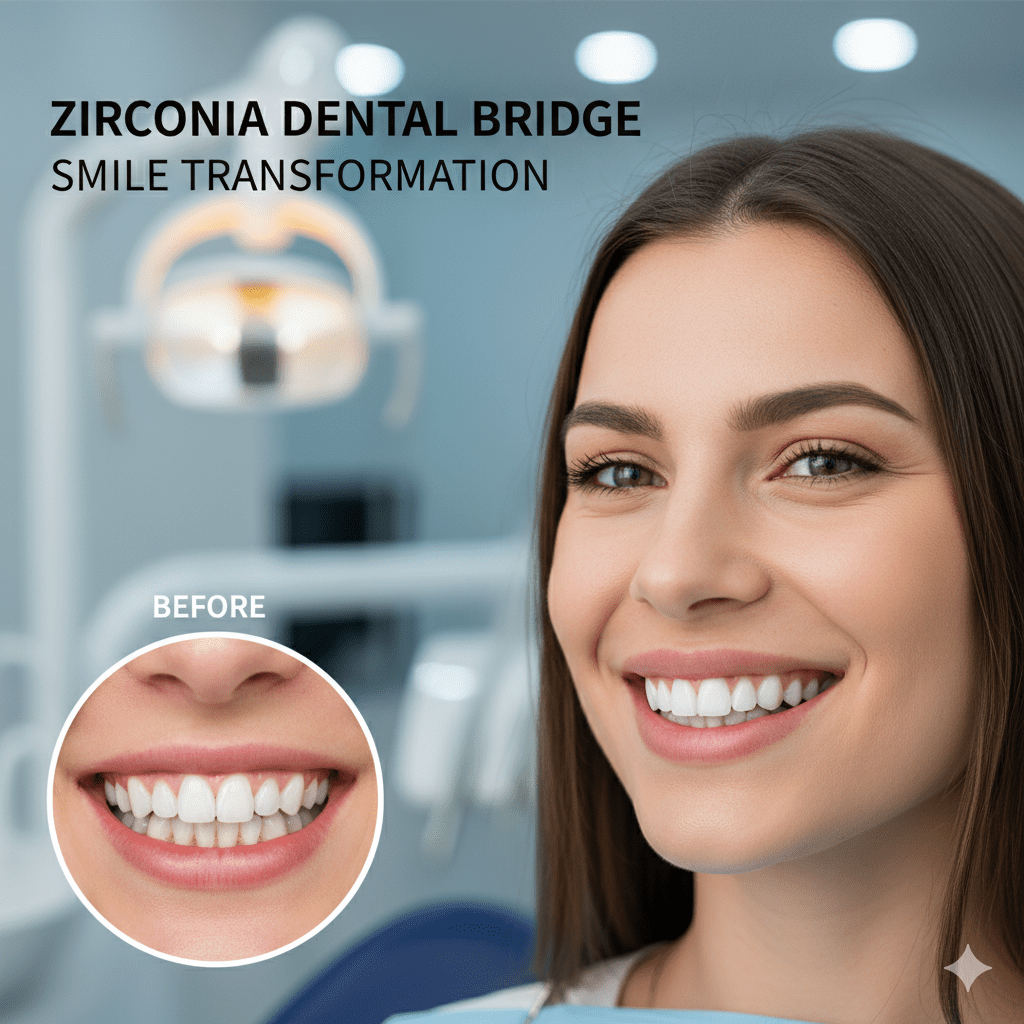
A zirconia core is layered with porcelain to achieve a softer, more natural translucency, often preferred for front teeth where aesthetics matter most.
5. Prettau Zirconia Bridge
A specific branded form of full-arch, full-contour zirconia bridge known for its high translucency and strength, commonly used in full-mouth reconstruction cases.
Benefits of a Zirconia Bridge
Patients and dentists alike favor zirconia bridges for several well-documented reasons:
- Exceptional strength — withstands the forces of chewing and grinding far better than acrylic or traditional porcelain.
- Natural appearance — translucent quality mimics real enamel, even under bright light.
- Biocompatibility — metal-free design reduces the risk of allergic reaction or gum irritation.
- Stain resistance — zirconia resists discoloration from coffee, tea, and wine far better than composite materials.
- Longevity — with good care, zirconia bridges can last well over a decade, often 15-20 years or more.
- Lower plaque accumulation — the smooth, dense surface of zirconia is less prone to bacterial buildup than some other materials.
Zirconia Bridge Cost: What to Expect
Cost is one of the most searched questions about zirconia bridges, and understandably so — pricing varies based on the number of teeth, whether implants are involved, the lab used, and geographic location.
| Type of Zirconia Bridge | Estimated Cost Range |
|---|---|
| Single tooth-supported zirconia bridge (3-unit) | $2,000 – $5,000 |
| Implant-supported zirconia bridge (per implant + crown) | $3,500 – $6,000 |
| All-on-4 zirconia bridge (per arch) | $15,000 – $30,000 |
| Prettau / full-contour full-arch zirconia bridge | $18,000 – $35,000 |
These figures are general estimates and can vary by clinic and region. Patients are encouraged to request a detailed quote after a consultation, since X-rays, bone grafting needs, and lab fees can all affect the final price.
Factors That Influence Zirconia Bridge Price
- Number of missing teeth being replaced
- Whether implants are required versus using natural teeth as anchors
- Geographic location and clinic overhead
- Lab quality and the specific zirconia brand used (e.g., Prettau, Lava, Katana)
- Need for extractions, bone grafting, or sinus lifts beforehand
Zirconia Bridge vs. Porcelain Bridge
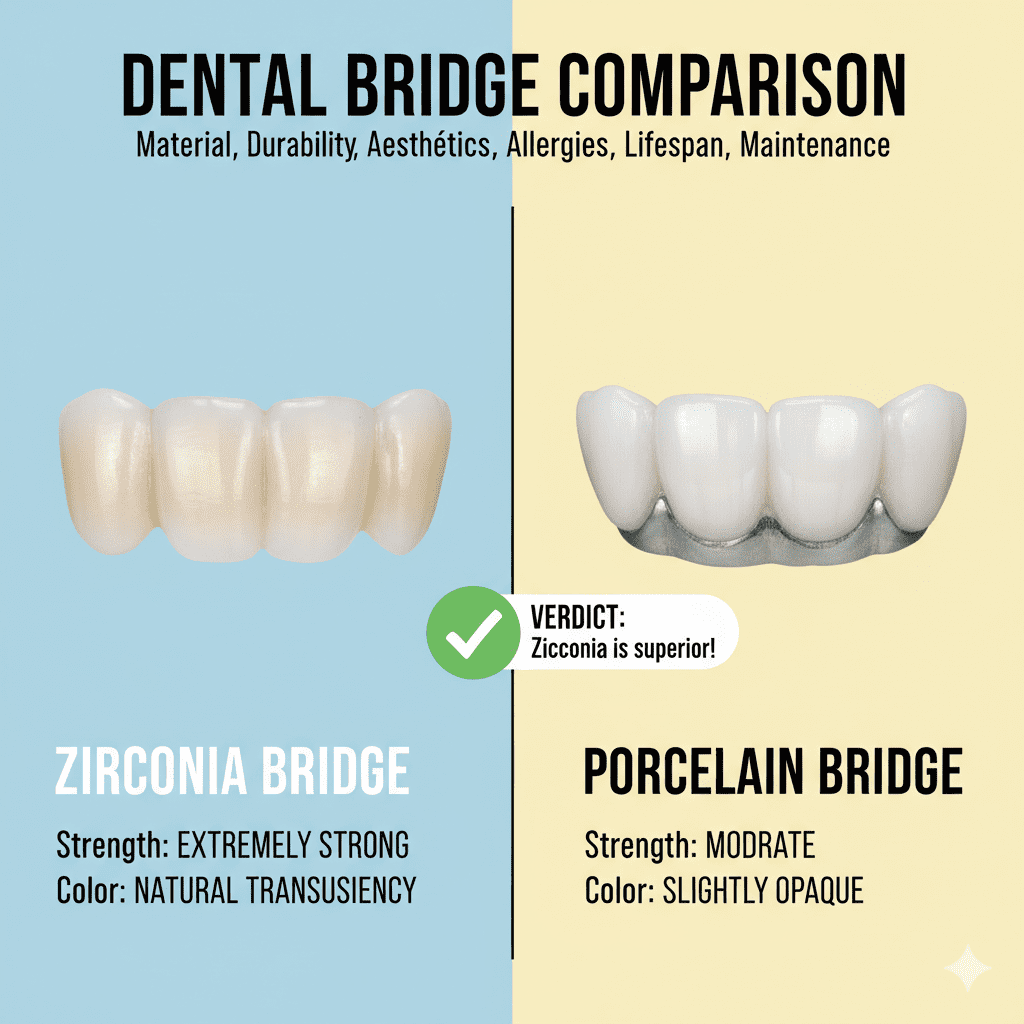
One of the most common comparisons patients research is zirconia versus traditional porcelain. Here’s how they stack up:
| Feature | Zirconia Bridge | Porcelain Bridge |
|---|---|---|
| Strength | Very high, fracture-resistant | Moderate, more prone to chipping |
| Aesthetics | Excellent, especially layered versions | Excellent, highly translucent |
| Metal content | None | May include metal substructure |
| Best for | Back teeth, full-arch, bruxism patients | Front teeth where maximum translucency is desired |
| Average lifespan | 15-20+ years | 10-15 years |
In short, zirconia tends to win on durability, while traditional porcelain can sometimes offer a slightly softer, more natural light reflection for visible front teeth. Many modern dental labs now combine both — a zirconia core layered with porcelain — to get the best of both worlds.
All-on-4 Zirconia Bridge: A Closer Look
The all-on-4 zirconia bridge has become one of the most popular full-mouth restoration solutions worldwide. It involves placing just four strategically angled implants per arch to support a complete fixed zirconia bridge — replacing an entire row of teeth without the need for one implant per tooth.
Why Patients Choose All-on-4
- Fewer implants mean lower overall cost compared to individual implants for each tooth.
- Many patients can leave with a temporary fixed bridge the same day as surgery.
- The angled implant placement often avoids the need for bone grafting in many cases.
- The final zirconia bridge is fixed in place — no removal needed like with dentures.
All-on-4 vs. All-on-6 Zirconia Bridge
Some patients with lower bone density or higher bite force may benefit from an all-on-6 approach, which uses six implants per arch for added support and load distribution. A qualified implant specialist can determine which option suits a patient’s bone structure and bite pattern best.
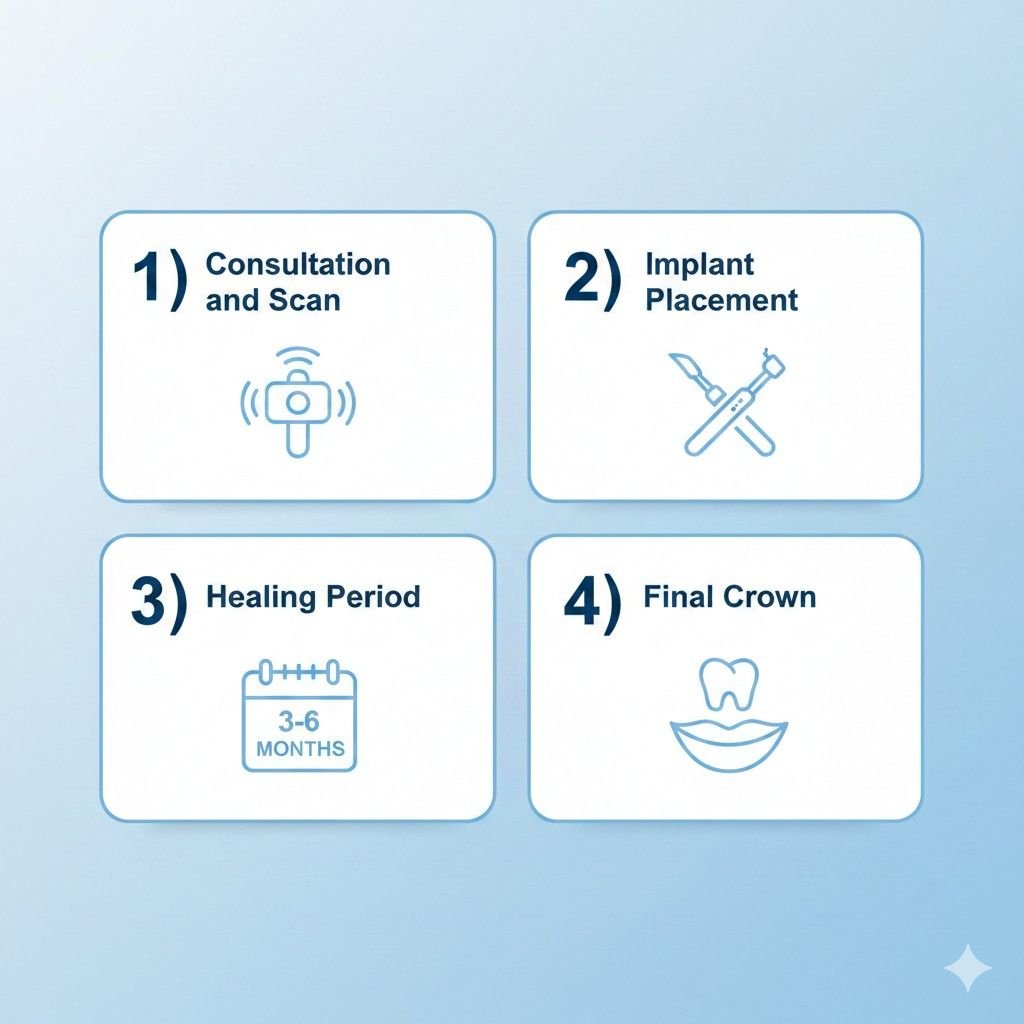
The Treatment Process, Step by Step
Step 1: Consultation and Imaging
The process begins with a thorough exam, including 3D CBCT scans to evaluate bone density, gum health, and the position of nerves and sinuses.
Step 2: Treatment Planning
The dentist or prosthodontist designs a digital treatment plan, mapping out implant placement (if applicable) and the shape, shade, and fit of the future bridge.
Step 3: Tooth Preparation or Implant Placement
For tooth-supported bridges, the abutment teeth are reshaped to receive crowns. For implant-supported bridges, titanium implants are surgically placed into the jawbone.
Step 4: Healing Period (If Implants Are Used)
Implants typically need three to six months to fully fuse with the jawbone — a process called osseointegration — before the final bridge is attached. A temporary bridge is usually worn during this time.
Step 5: Digital Scanning and Lab Fabrication
Once healing is complete, a digital scan is taken and sent to a dental lab, where the custom zirconia bridge is milled and finished to match the patient’s natural bite and smile.
Step 6: Final Fitting and Placement
The finished zirconia bridge is checked for fit, bite alignment, and appearance before being permanently cemented or screwed into place.

How Long Does a Zirconia Bridge Last?
This is one of the most frequently asked questions, and for good reason — longevity is a major factor in deciding whether the investment is worthwhile.
On average, a zirconia bridge lasts 15 to 20 years, and many patients report their restoration lasting even longer with consistent oral hygiene and regular dental visits. Several factors affect lifespan:
- Oral hygiene habits, including daily flossing under the bridge
- Regular professional cleanings and checkups
- Bite force and habits like teeth grinding (bruxism)
- Quality of the original fit and the skill of the dental lab
- Diet and avoidance of excessive force on the restoration (e.g., chewing ice)
Aftercare and Maintenance Tips
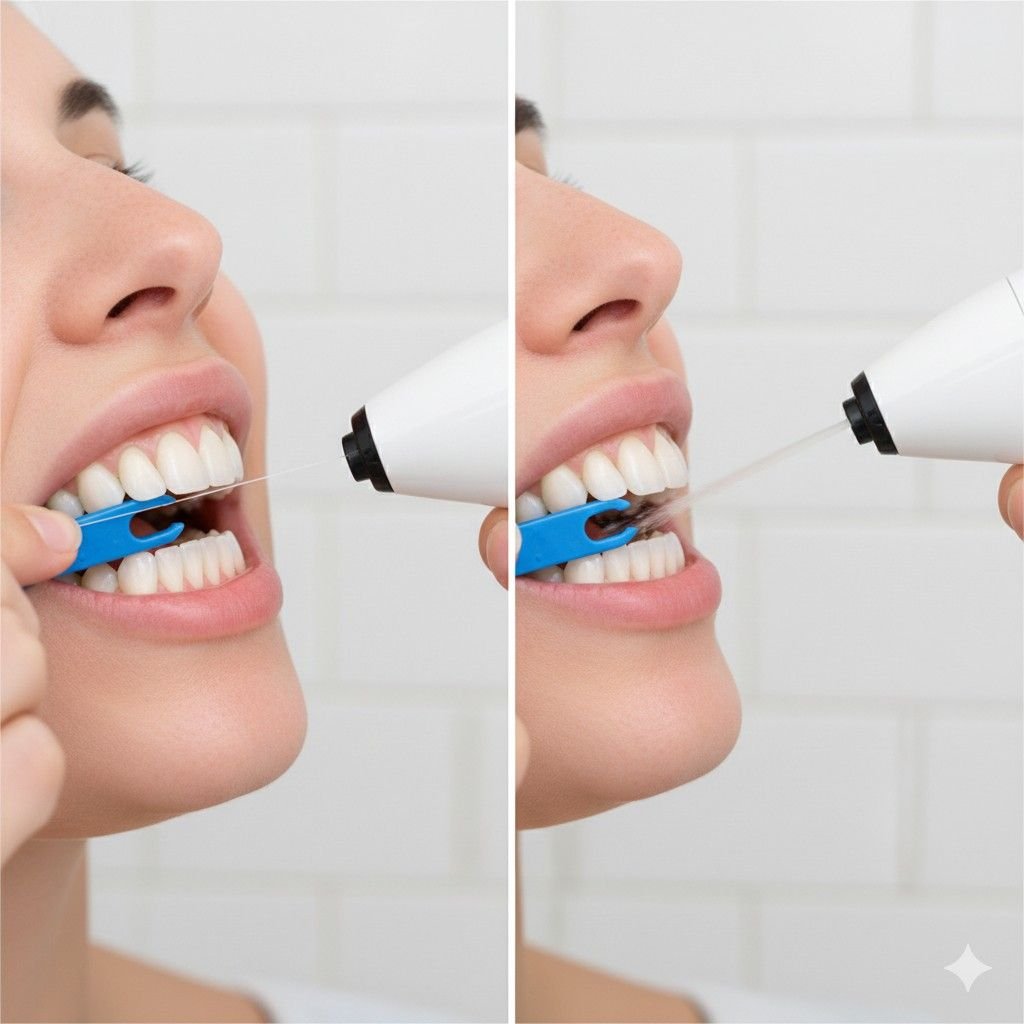
Caring for a zirconia bridge isn’t complicated, but a few consistent habits go a long way:
- Floss daily using a floss threader or water flosser to clean beneath the pontic.
- Brush twice a day with a soft-bristled brush and non-abrasive toothpaste.
- Avoid extremely hard foods like ice, hard candy, or unpopped popcorn kernels.
- Wear a night guard if grinding or clenching is a habit.
- Visit the dentist every six months for a professional cleaning and bridge check.
Before and After: What Results Look Like
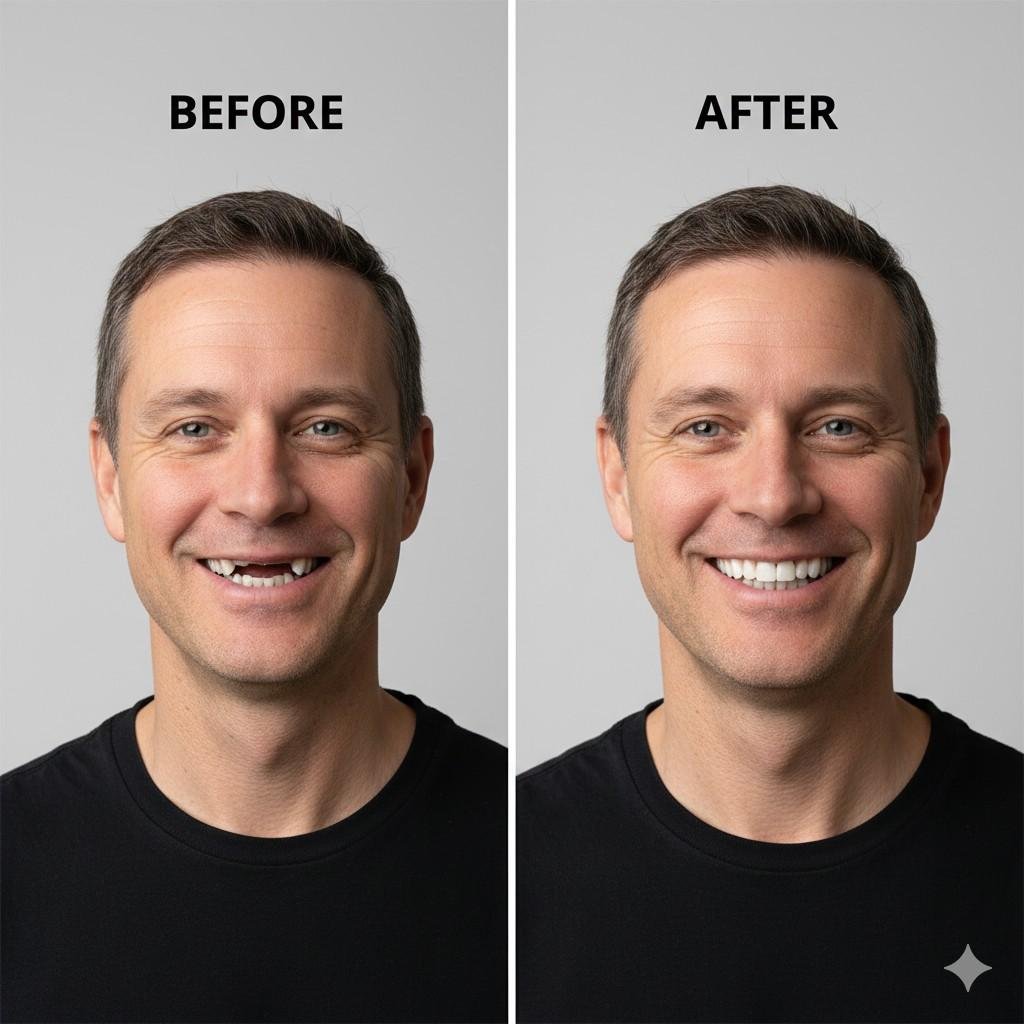
Patients researching “zirconia bridge before and after” results are usually looking for reassurance about how natural the final outcome will appear. In most successful cases, the difference is striking: gaps are closed, bite function is restored, and the shade is matched so closely to natural teeth that the restoration is virtually undetectable.
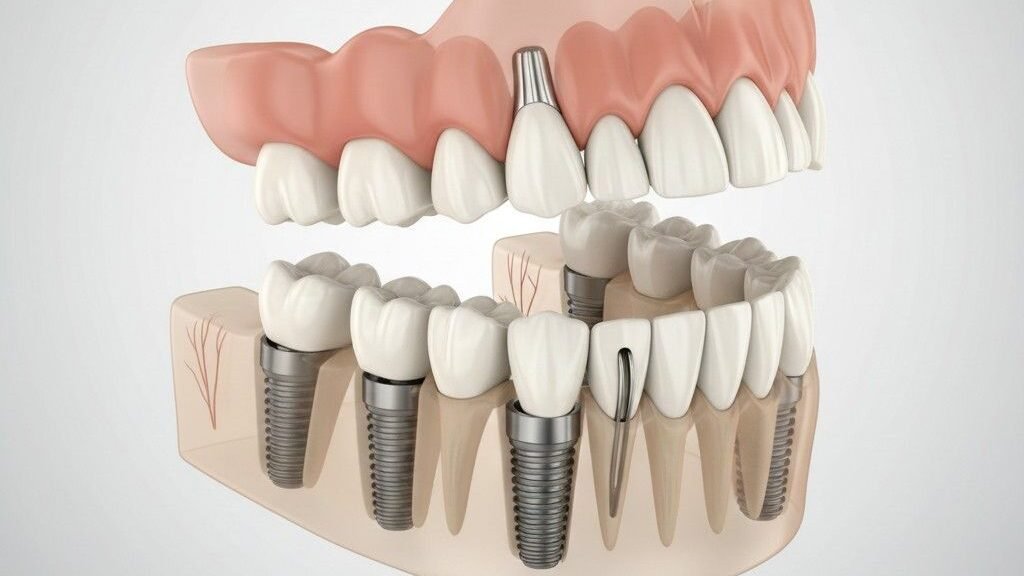
While individual results vary based on starting dental health, most patients report improved confidence, better chewing function, and a noticeably more youthful smile after treatment. Here’s a closer look at a few additional restoration outcomes:
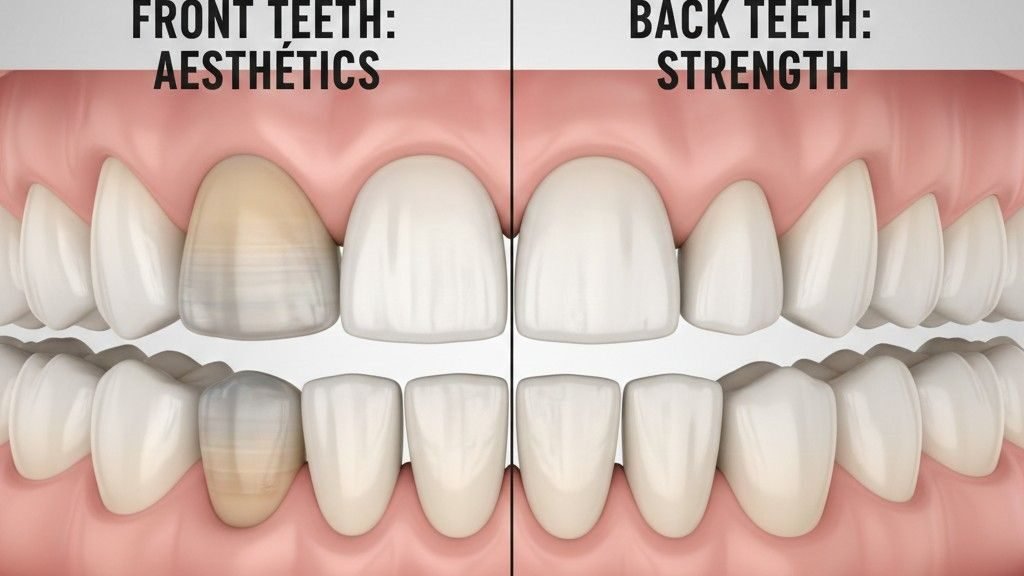
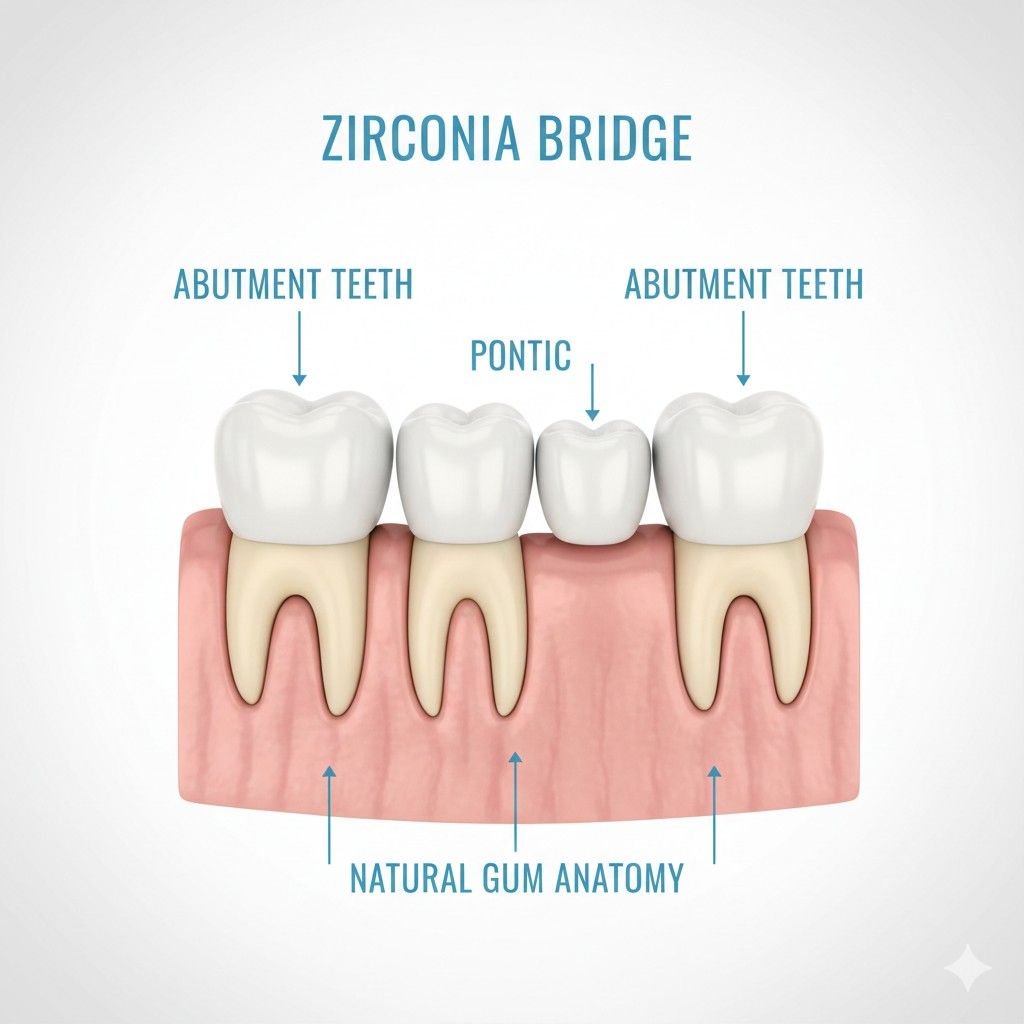
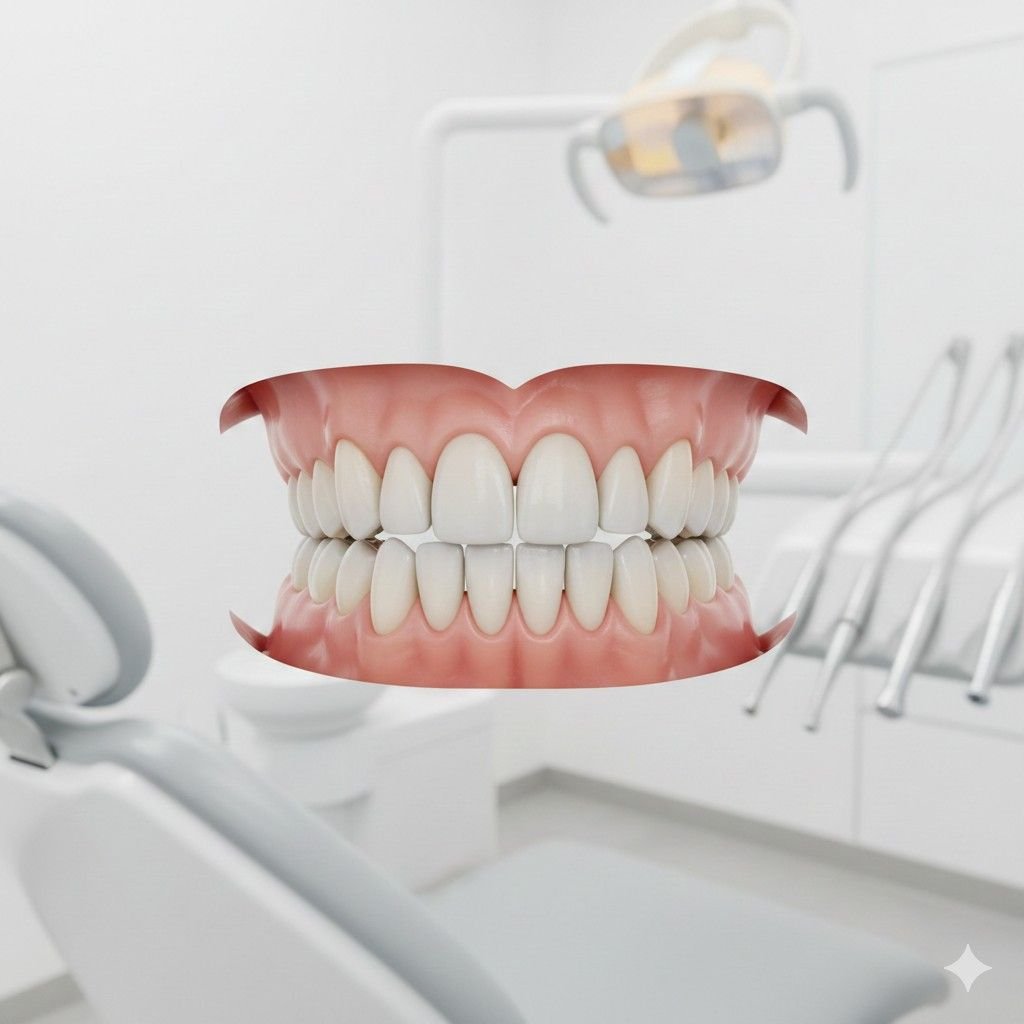
Sample restoration outcomes — actual results vary by individual case.
Choosing the Right Zirconia Bridge Specialist
Because a zirconia bridge — especially a full-arch implant-supported one — is a significant investment, choosing the right provider matters as much as choosing the right material. Patients should look for:
- A prosthodontist or implant specialist with documented case experience in zirconia restorations
- Access to in-house or trusted CAD/CAM digital lab technology
- Before-and-after case galleries or patient testimonials
- Transparent pricing and a detailed written treatment plan
- Use of 3D imaging (CBCT) for precise implant planning
It’s also worth asking how long the practice has been placing zirconia bridges and requesting to see examples of similar cases, particularly for full-mouth or all-on-4 restorations.
Thinking About a Zirconia Bridge?
Explore real patient stories and in-depth restoration guides on ZirconiaBridge.blog to make an informed decision.
Read More GuidesFrequently Asked Questions
How long does a zirconia bridge last?
Most zirconia bridges last between 15 and 20 years, and many patients enjoy their restoration for even longer with proper oral hygiene, regular dental visits, and avoidance of excessive bite force on the bridge.
What are the disadvantages of zirconia bridges?
The main drawbacks include a higher upfront cost compared to some traditional materials, the need for tooth or implant preparation, and a small risk of chipping under extreme bite force, though this is rare with full-contour zirconia.
Is a zirconia fixed bridge good?
Yes. Zirconia fixed bridges are widely regarded as one of the strongest, most biocompatible, and most natural-looking restorative options available today, making them a popular choice for both single-tooth and full-arch replacements.
How much do zirconia bridges cost?
Traditional tooth-supported zirconia bridges typically range from $2,000 to $5,000, while full-arch implant-supported options like all-on-4 zirconia bridges can range from $15,000 to $30,000 per arch, depending on the case and location.
Is zirconia better than porcelain for a dental bridge?
Zirconia generally offers superior strength and is more resistant to chipping, making it ideal for back teeth and full-arch restorations, while traditional porcelain may still be chosen for certain front-tooth cases where maximum light translucency is the top priority.
Further reading: American Dental Association · American Academy of Implant Dentistry