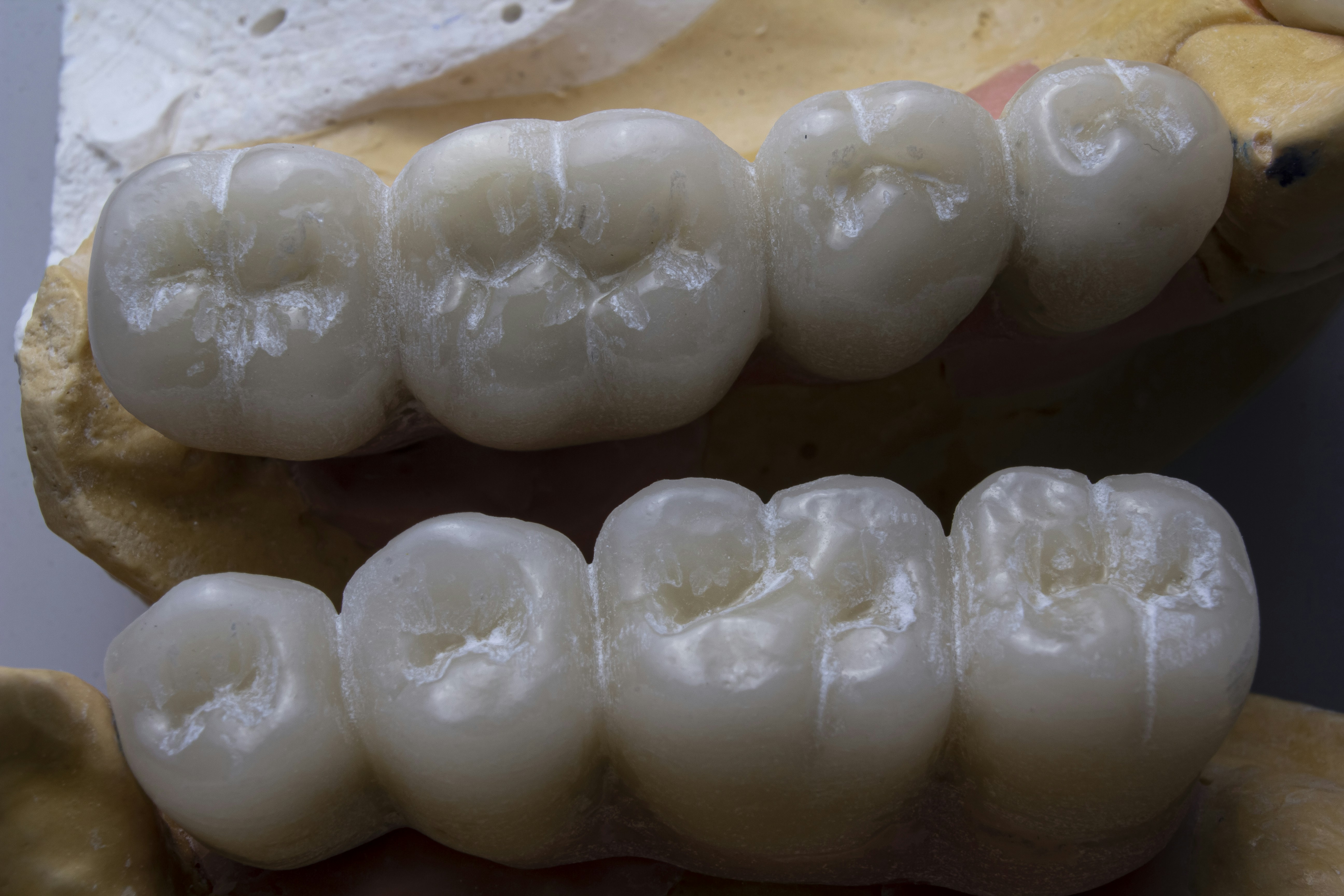
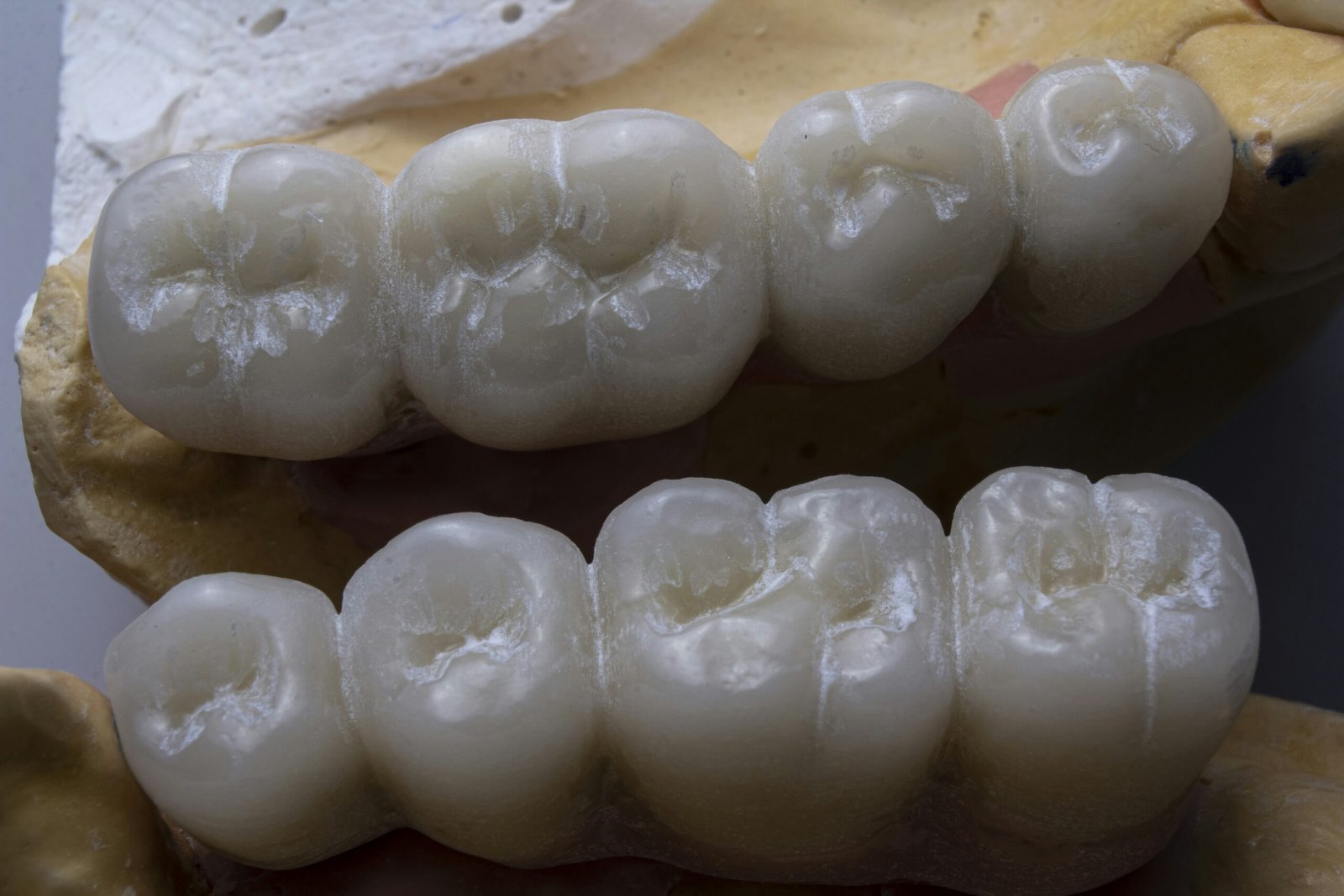
Introduction to Zirconia Bridge problems
Zirconia bridge are a type of dental restoration employed to replace missing teeth, providing strength, durability, and an aesthetically pleasing result. Made from zirconium dioxide, a biocompatible ceramic material, these bridges offer several advantages over traditional dental materials such as metals and porcelain. The unique properties of zirconia, including its exceptional strength and resilience, make it a preferred choice in contemporary dentistry, particularly in cases involving extensive tooth loss.
The primary characteristic of zirconia is its high flexural strength, allowing it to withstand significant chewing forces without fracturing. This durability minimizes the risk of breakage, offering a long-lasting solution for patients. Additionally, zirconia has an impressive resistance to wear and abrasion, further enhancing its longevity and performance as a dental restoration. Furthermore, zirconia can be crafted to closely mimic the color and translucency of natural teeth, providing a harmonious and natural appearance when placed in the dental arch.
Obtaining a zirconia bridge usually involves a multi-step procedure starting with a thorough dental examination and treatment planning. Initially, the dentist prepares the affected teeth and takes impressions, which may be done digitally or using traditional mold techniques. This information is then utilized to design and fabricate the zirconia bridge, typically through advanced CAD/CAM technology, ensuring precise fit and alignment. Once the bridge is ready, it is cemented into place, allowing for an immediate improvement in function and aesthetics.
Consequently, zirconia bridges represent a significant advancement in dental restoration technology. Their combination of strength, biocompatibility, and aesthetic appeal continues to make them a favored choice among dental professionals and patients alike.
Common Fitment Issues with Zirconia Bridges
Zirconia bridges are widely used in restorative dentistry due to their aesthetic appeal and durability. However, various fitment issues can arise during their placement, potentially compromising the outcome of the treatment. One of the common problems encountered is poor adaptation of the zirconia framework to the prepared teeth. If the fit is not precise, it can result in micro-gaps, facilitating plaque accumulation and increasing the risk of periodontal disease.
Another significant challenge is related to occlusion. Proper occlusal adjustment is crucial for ensuring that the dental bridge functions harmoniously with the patient’s natural bite. If occlusion is overlooked, it can lead to uneven wear, discomfort, and even temporomandibular joint (TMJ) disorders. Dental professionals must undertake thorough occlusal analysis before finalizing the bridge placement to mitigate such complications.
Incorrect impressions taken during the initial stages of treatment can also lead to fitment issues. If the impressions do not accurately capture the contours of the teeth and surrounding anatomy, the resulting zirconia restoration may not fit correctly. This emphasizes the importance of utilizing high-quality impression materials and techniques to ensure that the fabricated bridge aligns well with the patient’s dental structures.
To avoid these common fitment issues, several strategies can be employed. Firstly, ensuring that the dental laboratory is equipped with advanced digital technology for creating impressions can vastly improve accuracy. Additionally, engaging in a thorough evaluation of the prepared teeth and performing try-ins of the zirconia bridge prior to cementation can ensure optimal fit. Regular training and updates for dental practitioners on new techniques in zirconia bridge placement will further enhance the success rate and patient satisfaction.
Sensitivity and Discomfort After Placement
After the placement of zirconia bridges, some patients may experience sensitivity and discomfort. Understanding the underlying causes can help both patients and dentists manage this issue effectively. One common reason for heightened sensitivity is nerve exposure during the preparation of teeth that support the bridge. If the dentin is left exposed or if pulpal irritation occurs, patients may elicit sensations of pain or sensitivity to temperature changes.
Bite misalignment is another significant contributor to discomfort following the placement of zirconia bridges. If the occlusion is not properly adjusted, it can create excess pressure on the surrounding teeth and gums leading to soreness, discomfort, or even headaches. This pressure often manifests as pain that might be mistaken for issues with the bridge itself, complicating diagnosis and treatment.
To mitigate sensitivity, patients are advised to communicate openly with their dental professionals about any discomfort they experience. Early intervention can help identify the root cause, whether it be nerve exposure or occlusal discrepancies. Dentists may recommend desensitizing toothpaste to alleviate symptoms temporarily or professional treatments to protect the exposed dentin.
Additionally, meticulous bite adjustments during placement are crucial. Dentists can utilize articulating paper to ensure the patient’s bite is aligned correctly and prevent any undue pressure on the zirconia bridge. Regular follow-up appointments allow for any necessary adjustments, promoting patient comfort and satisfaction.
In summary, understanding the causes of sensitivity and discomfort after zirconia bridge placement is essential for both patients and dental professionals. By addressing issues of nerve exposure and bite misalignment proactively, strategies can be implemented to enhance comfort and ensure a positive experience with zirconia dental restorations.
The Role of High-Quality Materials
In the realm of dental prosthetics, the quality of materials plays a pivotal role in the performance and longevity of zirconia bridges. High-grade zirconia stands out for its superior properties, including strength, esthetics, and biocompatibility, making it a preferred choice for dental restorations. When fabricated with quality zirconia, bridges exhibit enhanced durability and resistance to fracture. This is particularly important in areas subject to high masticatory forces.
Moreover, the manufacturing processes employed in dental laboratories significantly impact the overall quality of zirconia bridges. Advanced technologies such as computer-aided design and computer-aided manufacturing (CAD/CAM) systems ensure precise measurements and fitting. The use of high-quality materials, paired with cutting-edge technology, results in bridges that not only fit better but also function more effectively. An ill-fitting bridge can lead to discomfort, altered bite, and potential complications, hence the need for meticulous attention to both material and fabrication processes cannot be overstated.
The sourcing of zirconia is equally critical; reputable suppliers ensure that their products meet stringent quality standards. By opting for dental laboratories that prioritize high-quality materials and skilled craftsmanship, dentists can significantly reduce the likelihood of issues associated with lower-grade zirconia. This diligence in selecting both materials and laboratory services contributes to the longevity of zirconia bridges, making them a worthwhile investment for dental patients seeking durable and aesthetic solutions.
Importance of Proper Dental Impressions
Accurate dental impressions are crucial in the creation of zirconia bridges, as they lay the foundation for proper fit and function. When the impressions do not capture all relevant anatomical details, the resulting crown or bridge may not align correctly with adjacent teeth or the occlusion, leading to discomfort and potential complications.
There are two primary methods for obtaining dental impressions: traditional and digital. Traditional impressions involve the use of impression materials that may be less forgiving in capturing intricate details of the oral cavity. In contrast, digital impressions utilize scanning technology to create a precise 3D representation of the teeth and gums. Research indicates that digital impressions can provide enhanced accuracy and better results, particularly in terms of fitting, as they offer a more comprehensive view of the oral structures.
To ensure that impressions meet the necessary standards, dental professionals should implement best practices during the impression-taking process. This includes thoroughly drying the tooth preparations, using adequate amounts of impression material, and allowing sufficient setting time. Additionally, incorporating retraction techniques, such as using gingival retraction cord, can help create a more accurate impression by minimizing the effects of soft tissue on the finalized mold.
Implementing the latest advancements in digital scanning technology further enhances the accuracy of dental impressions, as these systems are designed to minimize human error. Alongside this, regular training for dental professionals on the use of digital tools ensures that they are proficient in capturing the most detailed impressions possible.
Overall, careful attention to the dental impression process can significantly reduce potential issues associated with zirconia bridges, leading to better patient outcomes and satisfaction.
Expert Techniques for Ensuring a Perfect Result
Creating a successful zirconia bridge requires a combination of precise treatment planning, advanced technology, and excellent collaboration between dental professionals. Each of these elements plays a critical role in minimizing potential issues and ensuring the highest quality outcome for patients.
Firstly, meticulous treatment planning forms the foundation of any effective dental restoration process. Expert dentists assess the patient’s overall oral health, including gum condition and tooth alignment, to determine the most suitable approach for the zirconia bridge. They utilize diagnostic tools such as digital imaging, 3D modeling, and computer-aided design (CAD) software to visualize the final result. These technologies allow dentists to simulate the placement and appearance of the bridge, thus facilitating more informed decisions and ensuring an accurate fit.
Next, the use of advanced technology throughout the fabrication process contributes significantly to the success of zirconia bridges. Dental laboratories employ state-of-the-art equipment, such as computer-aided manufacturing (CAM) machines and high-precision milling systems. These machines enable the creation of zirconia frameworks that are not only aesthetically appealing but also durable and strong. Additionally, advancements in shading and layering techniques allow technicians to create a lifelike appearance that mimics natural teeth, thus enhancing patient satisfaction.
Furthermore, effective collaboration between the dentist and dental laboratory is crucial. Regular communication ensures that both parties are aligned regarding the specific needs and expectations related to the zirconia bridge. Sharing photos, digital impressions, and any information regarding the patient’s unique circumstances fosters a comprehensive understanding of the project, allowing for adjustments and refinements that lead to optimal results.
In summary, by prioritizing meticulous planning, embracing innovative technologies, and maintaining open communication, dental professionals can significantly reduce the likelihood of complications and achieve successful outcomes with zirconia bridges.
Post-Placement Care and Maintenance
After the successful placement of a zirconia bridge, it is crucial for patients to adopt proper care and maintenance practices to ensure the longevity and functionality of their dental restoration. Maintaining good oral hygiene is of utmost importance. Patients should brush their teeth at least twice a day using a soft-bristle toothbrush and fluoride toothpaste. Special attention should be given to the area around the bridge; patients are advised to use an interdental brush or dental floss designed for bridges to ensure that debris and plaque do not accumulate, as these could compromise the integrity of the bridge as well as the health of surrounding teeth and gums.
Dietary considerations also play a significant role in the maintenance of a zirconia bridge. While zirconia is known for its durability, patients should avoid hard, crunchy, or sticky foods that could place undue stress on the bridge. Such foods might cause wear over time or could even lead to dislodging the bridge. Additionally, it is advisable to limit the intake of sugary foods and beverages, as they can contribute to the development of cavities in the adjoining teeth, thereby affecting the entire dental structure.
Regular dental check-ups are essential for monitoring the condition of zirconia bridges. Patients should schedule appointments at least every six months, or as recommended by their dentist. During these visits, dental professionals can check for any signs of wear, evaluate the health of the gums supporting the bridge, and provide professional cleaning to maintain optimal oral health. Furthermore, these regular assessments can address any emerging issues before they escalate, ensuring that the zirconia bridge remains a reliable component of the patient’s dental structure. By following these care and maintenance guidelines, patients can enjoy the benefits of their zirconia bridges for many years.
Potential for Future Problems and How to Mitigate Them
Zirconia bridges, while known for their durability and aesthetic appeal, are not without potential issues that may manifest over time. As with any dental restoration, wear and tear can lead to complications, including structural failure or fractures in the material. One notable factor contributing to these future problems is the patient’s oral hygiene practices. Accumulation of plaque and bacteria can compromise the integrity of the bridge, making it susceptible to decay or discoloration.
Another potential issue is the misalignment of the zirconia bridge, which can occur due to changes in oral structure or improper fitting at the time of installation. Such misalignments may lead to uneven pressure on the bridge, resulting in undue stress and eventual failure of the restoration. To combat these future problems, regular check-ups with a dental professional are essential. Scheduling maintenance visits allows for the early detection of any misalignment or signs of wear. Dentists can provide professional cleanings that not only enhance the longevity of the bridge but also help maintain overall oral health.
Additionally, being proactive about any discomfort or changes in bite can aid in mitigating risks associated with zirconia bridges. Patients should pay attention to any sensitivity, unusual wear, or difficulty in chewing, and report these symptoms to their dentist promptly. These proactive measures will not only help preserve the restorations but also contribute to a healthy oral environment, reducing the likelihood of complicating factors that may lead to failure or deterioration.
Conclusion and Key Takeaways
Throughout this discussion on zirconia bridges, we have examined the various problems that can arise, such as wear and tear, discoloration, and potential misalignment. These issues, while manageable, underline the importance of paying attention to maintenance and care. Understanding these potential complications not only empowers patients but also encourages them to take an active role in their dental health.
One of the key takeaways is the critical need for a thorough consultation with an experienced dental professional. A skilled dentist can guide patients through the process, ensuring that the zirconia bridge is tailored to their unique dental needs, thus preventing many common complications. Proper installation and follow-up care can significantly increase the longevity and functionality of these dental restorations.
Moreover, regular check-ups and good oral hygiene practices are essential for avoiding common zirconia bridge problems. Patients should maintain an effective brushing and flossing routine, focusing not only on natural teeth but also on the bridge itself. Addressing any concerns early allows for timely interventions, thus preventing more serious issues from developing.
In summary, recognizing the potential challenges associated with zirconia bridges, alongside the importance of expertise in dental care, equips patients with the knowledge they need to secure their dental health. By prioritizing quality care and maintaining open communication with dental professionals, patients can enjoy the many benefits of zirconia bridges while minimizing the likelihood of complications. Ultimately, informed decision-making lays the groundwork for a healthier, more durable smile.