Are Dental Implants Safe?
Table of Contents
- Introduction: Understanding Modern Implant Safety
- What Is Dental Implant Safety?
- Benefits & Advantages of Safe Dental Implants
- How the Safe Dental Implant Process Works: A Step-by-Step Guide
- Comparison With Alternative Tooth Replacement Options
- Cost Breakdown & Pricing Factors for Safe Implant Procedures
- Aftercare & Long-Term Maintenance for Implant Safety
- Common Problems & Real, Proactive Safety Solutions
- Expert Insights & Real-World Case Examples
- Frequently Asked Questions (FAQs) on Implant Safety
- Conclusion: Making an Informed Decision for Your Oral Health
- Summary / Key Takeaways
1. Introduction: Understanding Modern Implant Safety
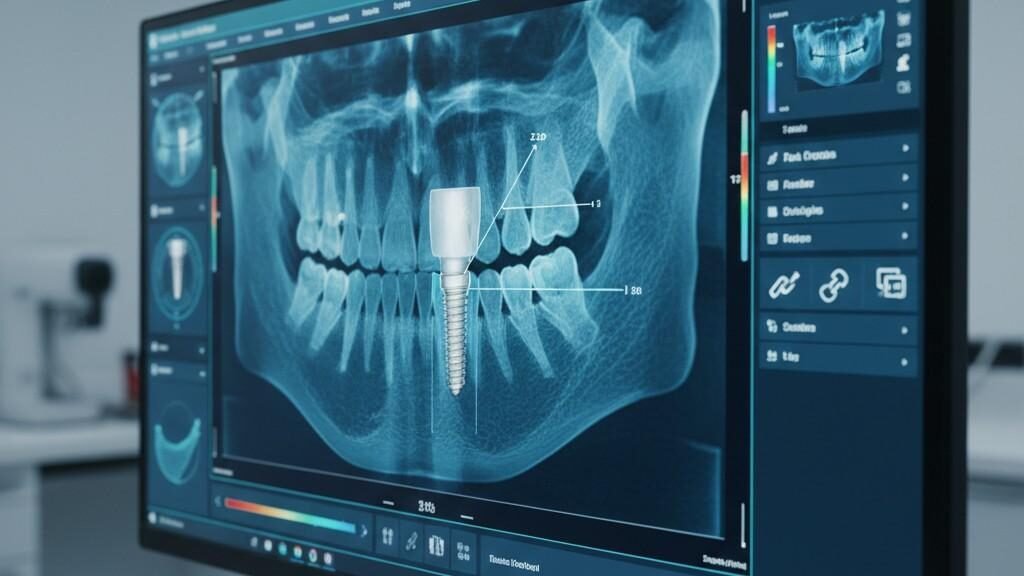
When facing tooth loss, the decision to replace it is significant, and the primary concern for most patients is not just aesthetics or function, but fundamentally, safety. The question “are dental implants safe?” is not just common; it is crucial. In 2026, with decades of clinical research, technological refinement, and millions of successful procedures globally, the safety profile of dental implants is exceptionally well-established. This article will delve deep into the multifaceted concept of safety in implant dentistry. We will move beyond the simple yes or no to explore what makes modern implants safe, how safety is engineered and maintained throughout the process, and why they are considered the gold standard for tooth replacement. Our goal is to provide you with a transparent, expert-level understanding of the materials, surgical protocols, biological processes, and long-term care that collectively answer the critical question: are dental implants safe? By examining the science, the statistics, and the standards of care, you will be equipped with the knowledge to have confident, informed discussions with your dental professional.
2. What Is Dental Implant Safety?
The concept of dental implant safety is a comprehensive umbrella term that encompasses several critical dimensions: biological compatibility, procedural precision, long-term stability, and overall risk mitigation. It is not merely the absence of harm but the proactive establishment of conditions for predictable, healthy integration.
First and foremost, safety is rooted in biocompatibility. Modern dental implants are typically crafted from medical-grade titanium or zirconia. Titanium’s unique property of osseointegration—the process where bone cells directly attach to the implant surface—has been the cornerstone of implant safety and success since the 1960s. The body does not recognize titanium as a foreign object to be rejected; instead, it welcomes it, forming a strong, living bond. Zirconia, a ceramic material, offers a metal-free alternative with similar biocompatible properties and excellent gum response.
Secondly, safety is a product of sterilization and surgical protocol. Every component is sterilized and handled in a manner that prevents infection. The surgical procedure itself follows strict aseptic techniques, and detailed 3D CBCT scans allow for precise virtual planning, ensuring the implant is placed in the optimal position away from vital structures like nerves and sinuses. This planning minimizes anatomical risks.
Third, safety involves long-term health of surrounding tissues. A safe implant does not decay like a natural tooth, but its success depends on the health of the surrounding gum and bone. The design of the abutment (the connecting piece) and the crown must allow for proper hygiene and not trap bacteria. Safety, therefore, extends to the prevention of peri-implant diseases, which are conditions similar to gum disease that can affect the soft and hard tissues around an implant.
Finally, patient-specific factors are integral to the safety equation. A thorough medical and dental evaluation assesses conditions like uncontrolled diabetes, smoking habits, osteoporosis, or gum disease, all of which can influence healing and long-term success. A safe implant procedure is one tailored to the individual’s health profile, with risks properly managed or mitigated through pre-treatment care. In essence, dental implant safety is a synergistic outcome of advanced materials, meticulous science-driven planning, expert surgical execution, and dedicated patient maintenance.
3. Benefits & Advantages of Safe Dental Implants
Choosing a safe, well-integrated dental implant system offers a multitude of advantages that extend far beyond simply filling a gap. These benefits impact oral function, overall health, aesthetics, and long-term financial and biological health.
1. Preservation of Jawbone and Facial Structure: This is perhaps the most significant biological benefit. When a tooth root is lost, the jawbone in that area begins to resorb or melt away due to lack of stimulation. This can lead to a sunken facial appearance and weakening of adjacent teeth. A dental implant acts as an artificial root, transmitting chewing forces to the bone, which continues to be stimulated and maintained. This preserves your natural facial contours and prevents the bone loss associated with other replacement options.
2. Unparalleled Function and Comfort: Because they are anchored in the jawbone, implants function like natural teeth. They restore near-natural biting force, allowing you to eat all your favorite foods—apples, steak, corn on the cob—without hesitation or discomfort. Unlike removable dentures, there is no slipping, clicking, or gum irritation. They become a seamless part of you, eliminating the psychological burden of a prosthetic device.
3. Protection of Adjacent Healthy Teeth: Traditional tooth-supported bridges require grinding down the healthy teeth on either side of the gap to serve as anchors. This irreversible alteration weakens those teeth. Dental implants are standalone units; they do not require any alteration or support from neighboring teeth, thereby conserving your natural tooth structure.
4. Exceptional Longevity and Reliability: With proper care and maintenance, dental implants are designed to last a lifetime. The titanium fixture itself can last indefinitely if osseointegration is successful. While the crown atop the implant may need replacement due to wear every 10-15 years, the implant root is a permanent solution. This makes them a cost-effective long-term investment compared to bridges or dentures that have shorter lifespans and require periodic replacement or refitting.
5. Improved Oral Hygiene and Health: Implants allow for easy cleaning. You can floss around them and brush them just like your natural teeth. There is no need for special adhesives or cleaning tablets as with dentures. This promotes better overall oral hygiene, making it easier to keep the surrounding gums and teeth healthy, thus contributing to your systemic health by reducing oral inflammatory burden.
6. Enhanced Confidence and Quality of Life: The stability, natural appearance, and functional restoration provided by implants eliminate the social anxieties often associated with missing teeth or loose dentures. They restore a natural smile and the confidence to speak, laugh, and eat in public without worry, profoundly improving psychological and social well-being.
4. How the Safe Dental Implant Process Works: A Step-by-Step Guide
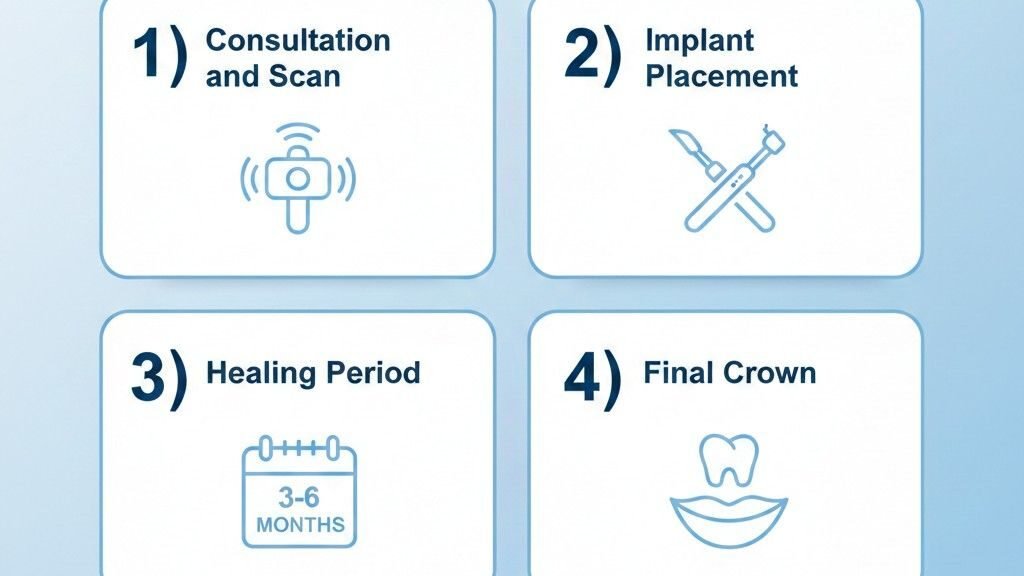
Understanding the meticulous, multi-stage process is key to appreciating how safety is engineered into every phase of receiving dental implants. This is not a single appointment procedure but a carefully orchestrated journey to ensure predictable, long-term success.
Step 1: Comprehensive Consultation and 3D Diagnostic Planning.
Safety begins long before the surgery. The process starts with an in-depth examination, including a review of your medical history, a clinical oral exam, and advanced imaging. A Cone Beam Computed Tomography (CBCT) scan is the gold standard. This 3D image provides a detailed view of your jawbone’s density, height, and width, and precisely maps the location of nerves, sinuses, and blood vessels. Using this data, your surgeon can virtually plan the exact size, angle, and position of the implant with sub-millimeter accuracy, minimizing surgical risks and optimizing the functional and aesthetic outcome.
Step 2: Treatment of Pre-Existing Conditions (If Necessary).
A safe foundation is critical. If active gum disease (periodontitis) or tooth decay is present, these must be fully treated and controlled before implant placement. An unhealthy oral environment significantly increases the risk of implant failure. Similarly, if bone loss has occurred, a bone grafting procedure may be recommended to build up the jawbone to adequately support the implant. This graft must heal and integrate, which can take several months, before proceeding.
Step 3: The Implant Placement Surgery.
Performed under local anesthesia (often with sedation options for comfort), the surgeon makes a small incision in the gum to expose the bone. Using the surgical guide generated from the 3D plan, a precise channel is prepared in the jawbone. The sterile titanium implant fixture, which resembles a small screw, is then gently inserted into this prepared site. The gum is typically sutured closed over the implant, or a healing abutment may be placed. The surgery itself is usually less uncomfortable than a tooth extraction.
Step 4: The Osseointegration Healing Phase.
This is the most critical biological phase for long-term safety and success. Over the next 3 to 6 months, the jawbone biologically fuses with the titanium implant surface in a process called osseointegration. During this time, you will eat a soft diet. The implant must remain undisturbed as it becomes a stable, load-bearing part of your anatomy. This healing period is non-negotiable and is what gives an implant its fundamental strength.
Step 5: Abutment Placement and Impressions.
Once osseointegration is confirmed, a minor second procedure is performed to attach the abutment. This involves reopening the gum to expose the implant head and screwing on the abutment, which will serve as the connection point for the final crown. Impressions or digital scans of your mouth are then taken to custom-fabricate your permanent crown.
Step 6: Delivery of the Final Restoration.
The custom crown, crafted from high-strength, tooth-colored materials like porcelain or zirconia, is securely attached to the abutment. Your dentist will check the fit, bite, and aesthetics meticulously. Once approved, the restoration is cemented or screw-retained into its final position. You now have a fully functional, natural-looking, and safe replacement tooth.
5. Comparison With Alternative Tooth Replacement Options
To fully grasp the safety and value proposition of dental implants, it is essential to compare them directly with traditional alternatives. The following table provides a detailed, point-by-point analysis.
| Feature | Dental Implants | Traditional Fixed Bridge | Removable Partial Denture | Complete Dentures |
|---|---|---|---|---|
| Bone Preservation | YES. Stimulates bone, prevents resorption. | NO. Does not replace root function; bone under bridge continues to resorb. | NO. Can accelerate bone loss due to pressure on gums. | NO. Accelerates bone resorption, leading to facial collapse and fit issues over time. |
| Impact on Adjacent Teeth | NONE. Standalone; no preparation of healthy teeth needed. | NEGATIVE. Requires grinding down and capping of two healthy teeth. | VARIABLE. Clasps can place stress on abutment teeth, potentially loosening them. | N/A for full arches, but can affect any remaining teeth if an overdenture. |
| Longevity & Durability | VERY HIGH. Implant fixture can last a lifetime; crown may last 15+ years. | MODERATE. Average lifespan of 10-15 years before replacement is needed. | LOW-MODERATE. Typically lasts 5-8 years before requiring repair or replacement. | LOW. Require relining every few years and replacement every 5-8 years due to bone changes. |
| Function & Comfort | EXCELLENT. Feels and functions like a natural tooth. Stable, no slippage. | GOOD. Fixed and stable, but relies on support of altered natural teeth. | FAIR. Can slip or move while eating/speaking. May cause gum soreness. | POOR to FAIR. Significantly reduced biting force. Often slip, require adhesives, cause sore spots. |
| Oral Hygiene | EASY. Brushed and flossed like a natural tooth. | DIFFICULT. Requires special floss threaders to clean under bridge pontic. | DIFFICULT. Must be removed to clean; can trap food and plaque against teeth and gums. | DIFFICULT. Must be removed and cleaned separately; oral tissues need care. |
| Long-Term Cost | HIGH INITIAL, LOW LONG-TERM. One-time major investment with minimal future cost. | MODERATE INITIAL, MODERATE LONG-TERM. Lower upfront cost but will need replacement, potentially involving new crowns on abutment teeth. | LOW INITIAL, HIGH LONG-TERM. Low upfront cost but ongoing costs for adjustments, relines, and replacements. | MODERATE INITIAL, HIGH LONG-TERM. Cost of dentures, adhesives, relines, and replacements adds up significantly. |
| Safety & Health Impact | HIGH. Prevents bone loss, preserves tooth structure, promotes hygiene. | MODERATE. Compromises healthy teeth, allows hidden bone loss, hygiene challenges. | LOWER. Can contribute to decay on abutment teeth, gum disease, and accelerated bone loss. | LOWEST. Leads to significant bone resorption, nutritional challenges, and potential for oral lesions. |
6. Cost Breakdown & Pricing Factors for Safe Implant Procedures
The cost of dental implants is a significant consideration, and understanding the breakdown demystifies the investment. A single dental implant procedure is not a single item but a collection of specialized services and components.
Typical Cost Breakdown for a Single Implant:
- Initial Consultation & 3D Imaging (CBCT Scan): $150 – $500
- Implant Fixture (Titanium or Zirconia Post): $1,000 – $2,500
- Abutment (The Connector): $300 – $800
- Custom Crown (Porcelain/Zirconia): $1,000 – $2,500
- Bone Grafting (If Required): $300 – $1,200 per site
- Surgical Placement Fees: $500 – $2,000
- TOTAL ESTIMATED RANGE (Per Tooth): $3,250 – $8,500+
This wide range is due to several key factors:
- Geographic Location & Practice Overhead: Fees are typically higher in major metropolitan areas compared to rural or suburban practices.
- Expertise of the Provider: A board-certified oral surgeon or periodontist with extensive implant training may command higher fees than a general dentist offering the service. This expertise is a critical component of safety and success.
- Material Quality and Brand: Premium, well-researched implant systems from leading manufacturers (e.g., Nobel Biocare, Straumann, Zimmer Biomet) often come at a higher cost but offer proven long-term track records and extensive compatibility with parts.
- Case Complexity: A straightforward case in the front of the mouth with ample bone is less expensive than a complex case in the back of the mouth requiring sinus lift surgery, multiple bone grafts, or nerve repositioning.
- Technology Utilized: Practices investing in guided surgery software, 3D printers for surgical guides, and digital impression scanners often incorporate these costs, which enhance precision and safety.
- Type of Restoration: A standard crown costs less than a custom-made, high-end zirconia crown designed for optimal aesthetics in the “smile zone.”
Insurance and Financing: Most dental insurance plans now provide some coverage for implants, though it is often limited (e.g., covering the crown portion similarly to a bridge). Medical insurance may contribute if tooth loss was due to an accident or disease. Many dental practices offer third-party financing plans (like CareCredit) or in-house payment options to make the treatment accessible. Viewing the cost as a long-term investment in your health, rather than a mere dental expense, is crucial for perspective.
7. Aftercare & Long-Term Maintenance for Implant Safety
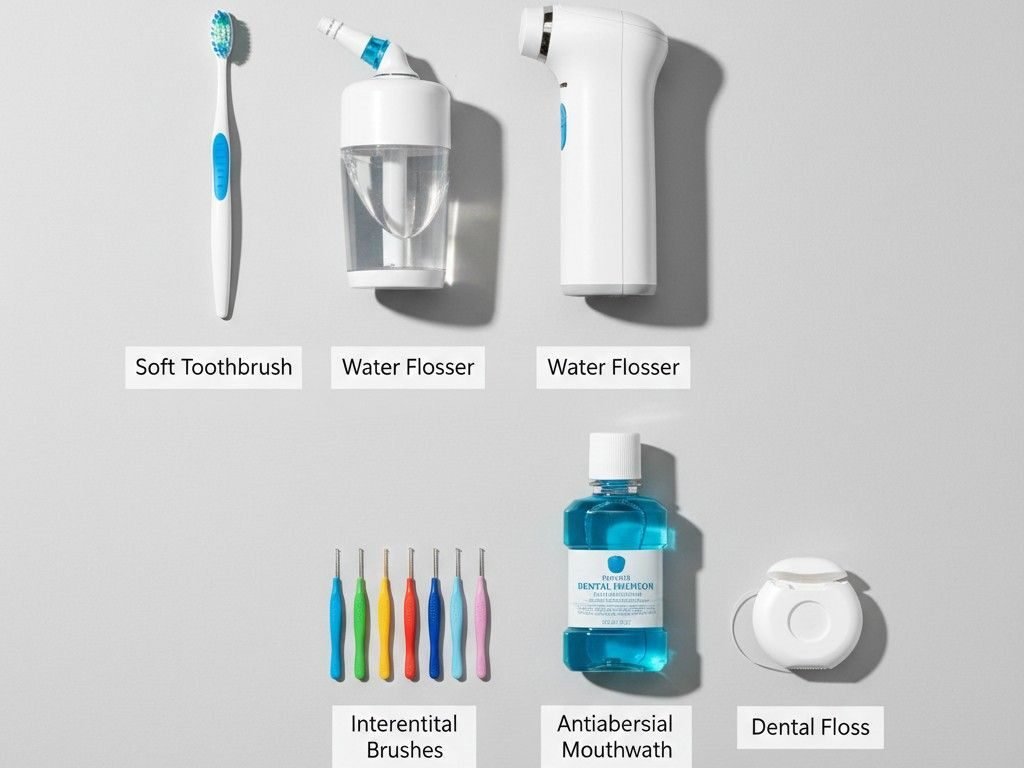
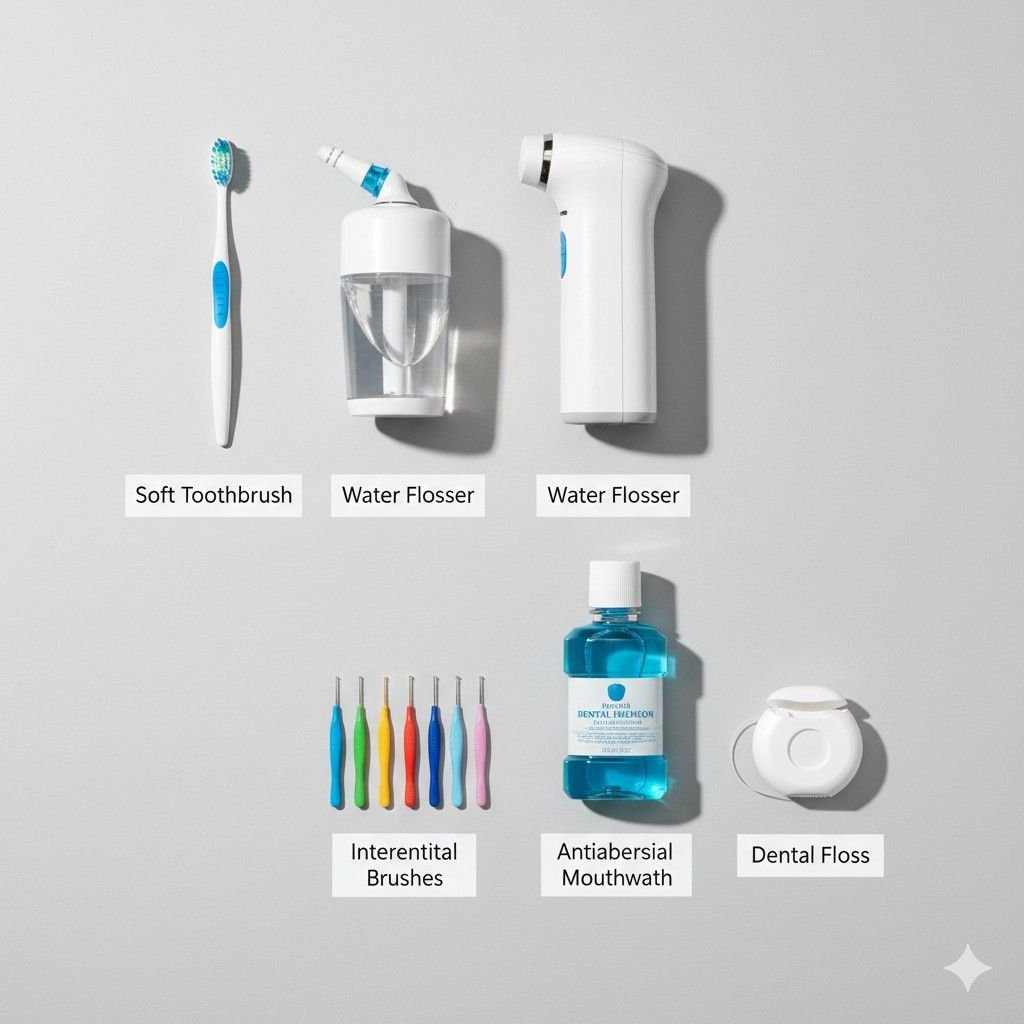
The long-term safety and success of a dental implant are directly proportional to the quality of care it receives. While the implant itself cannot decay, the surrounding tissues are still susceptible to disease. A proactive maintenance regimen is non-negotiable.
Immediate Post-Surgical Care (First 2 Weeks):
- Manage Discomfort & Swelling: Use prescribed or over-the-counter pain medication as directed. Apply ice packs to the cheek near the surgical site for the first 48 hours to minimize swelling.
- Diet: Stick to a soft, cool, or lukewarm diet (soups, yogurt, mashed potatoes, smoothies). Avoid hot foods, crunchy items, and using a straw (suction can dislodge the blood clot).
- Oral Hygiene: Be extremely gentle. You may be given a prescription antimicrobial rinse (like chlorhexidine). Avoid brushing the surgical site directly for the first few days, gently rinsing with salt water instead. Keep the rest of your mouth clean.
- Lifestyle: Avoid strenuous exercise, smoking, and alcohol, as these can hinder healing and increase the risk of complications like infection or implant failure.
Long-Term, Lifetime Maintenance:
- Meticulous Oral Hygiene: This is the cornerstone. Brush at least twice daily with a soft-bristled or electric toothbrush. Floss daily using implant-specific floss (e.g., super floss, threaded floss) or interdental brushes designed to clean around the implant abutment and under the crown. Water flossers can be a useful adjunct but are not a replacement for mechanical cleaning.
- Professional Maintenance Visits: Schedule professional cleanings and implant check-ups every 3 to 6 months, as recommended by your dentist. These visits are different from standard cleanings. Hygienists use special plastic or titanium instruments to clean the implant surfaces without scratching the titanium (scratches can harbor bacteria). They will assess the health of your gums, check for bleeding, measure pocket depths around the implant, and take periodic X-rays to monitor bone levels.
- Lifestyle Choices: Do not smoke. Smoking is one of the greatest risk factors for implant failure, as it constricts blood flow, impairs healing, and increases susceptibility to peri-implantitis. Managing systemic conditions like diabetes is also vital.
- Protective Measures: If you grind or clench your teeth (bruxism), wear a custom night guard. Excessive force can overload an implant and its components, leading to mechanical failure or bone loss. Also, avoid using your implants as tools to open packages or bite nails.
Consistent, dedicated aftercare transforms a successful surgical procedure into a lifelong, safe, and functional asset.
8. Common Problems & Real, Proactive Safety Solutions
Even with a high success rate (over 95% for healthy patients), being aware of potential complications and their solutions is part of a comprehensive safety understanding. Early detection and intervention are key.
1. Peri-Implant Diseases:
- Problem: Peri-implant mucositis is a reversible inflammation of the soft gums around an implant, similar to gingivitis. If left untreated, it can progress to peri-implantitis, a destructive inflammatory process affecting both soft tissue and bone, leading to bone loss and potential implant failure.
- Proactive Solution: Meticulous oral hygiene and regular professional cleanings are the absolute best prevention. At the first sign of redness, swelling, or bleeding around the implant, see your dentist. Treatment may involve specialized deep cleanings, antimicrobial therapy, and in advanced cases, surgical access to decontaminate the implant surface and possibly regenerate lost bone.
2. Implant Failure (Lack of Osseointegration):
- Problem: This is an early failure, occurring before the final crown is placed. The implant does not fuse with the bone and becomes loose. Causes can include infection, poor bone quality, excessive immediate force, or systemic factors like uncontrolled diabetes or smoking.
- Proactive Solution: Rigorous patient screening and treatment planning are preventative. Ensuring all systemic issues are managed and following post-op instructions meticulously (e.g., a soft diet) is critical. If early failure occurs, the implant can usually be removed, the area allowed to heal, and a new implant placed after a few months, often with a high chance of success.
3. Mechanical Issues:
- Problem: Over years of function, the prosthetic components can wear or break. This includes a loose or fractured abutment screw, or chipping/fracture of the ceramic crown.
- Proactive Solution: These are generally straightforward to repair and do not mean the implant itself has failed. Using a night guard if you have bruxism prevents overload. Regular check-ups allow your dentist to tighten screws (called “re-torquing”) and inspect the crown for early signs of stress. Most crowns can be repaired or replaced without disturbing the integrated implant.
4. Nerve or Sinus Damage:
- Problem: Temporary or permanent numbness (paresthesia) in the lip, chin, or gums can occur if an implant in the lower jaw encroaches on the inferior alveolar nerve. In the upper back jaw, an implant can protrude into the sinus cavity.
- Proactive Solution: This is where modern 3D CBCT planning is the ultimate safety tool. It allows the surgeon to see these structures in 3D and plan implant placement with a safe margin of error. Procedures like sinus lifts are performed precisely to create space and avoid sinus perforation.
Understanding that problems have solutions, and that the dental team is equipped to manage them, is part of a mature perspective on the safety and viability of implant therapy.
9. Expert Insights & Real-World Case Examples
To bridge the gap between theory and practice, let’s examine insights from leading specialists and anonymized real-world scenarios that illustrate the principles of safe implant dentistry.
Expert Insight from a Prosthodontist (Dr. A. Lee, DDS, MS): “The safety and success of an implant are determined in the planning phase, not just the surgical phase. We now use digital workflows to not only place the implant safely but also to design the final crown’s emergence profile—how it meets the gum. A poorly designed crown can create a hygiene nightmare, trapping bacteria and leading to peri-implantitis. The safest implant is one that is restoreable, cleansable, and maintains tissue health for decades.”
Expert Insight from an Oral Surgeon (Dr. R. Patel, DMD, MD): “Patient selection and communication are paramount. For a patient with a history of severe periodontitis, we would not proceed to implants until their gum disease is under stable control for at least 6 months, often with the help of a periodontist. We treat the patient, not just the missing tooth. Informed consent involves discussing all risks, including the small chance of failure, so the patient’s expectations are grounded in reality.”
Real-World Case Example 1: The Bone Graft Success.
- Scenario: John, 58, lost a molar 10 years ago and had significant bone loss. He wanted an implant but was told he didn’t have enough bone.
- Safety Protocol Applied: His surgeon recommended a block bone graft, taking a small piece of bone from his chin and securing it to the deficient area with screws. After 6 months of healing, a new CBCT scan confirmed sufficient, dense bone had regenerated.
- Outcome: The implant was placed into the newly grafted site using a surgical guide. It integrated perfectly. John now has a fully functional tooth, and the grafted bone is maintained by the implant, preventing future collapse. This case highlights how advanced grafting techniques safely expand treatment possibilities.
Real-World Case Example 2: Managing a Compromised Site.
- Scenario: Maria, 45, had a front tooth implant placed elsewhere that developed peri-implantitis, with 4mm of bone loss and a pus-draining fistula.
- Safety Protocol Applied: Her new periodontist performed a surgical intervention. The area was opened, the implant surface was thoroughly decontaminated using specialized instruments and lasers, and a regenerative material (bone graft + membrane) was placed to encourage new bone growth.
- Outcome: At her one-year re-evaluation, the infection was resolved, the gum was healthy, and new bone fill was visible on the X-ray. The implant was saved. This demonstrates that even when problems arise, specialized interventions can rescue an implant and restore its safety and function.
These insights and cases underscore that safety is a dynamic process involving prevention, precise intervention, and sometimes, sophisticated salvage procedures, all underpinned by expert knowledge.
10. FAQs (Featured Snippet Optimized)
Q1: What is the success rate for dental implants, and are they safe for everyone?
Dental implants boast a remarkably high success rate, consistently reported in scientific literature at over 95% for healthy, non-smoking patients with adequate bone over a 10-year period. However, “safe for everyone” requires nuance. While most adults in good general and oral health are excellent candidates, safety is optimized through careful screening. Uncontrolled systemic diseases (e.g., severe diabetes, osteoporosis treated with high-dose bisphosphonates), heavy smoking, and untreated periodontal disease can increase risk. A thorough evaluation by a qualified dental professional is essential to determine if implants are a safe and viable option for your specific health profile.
Q2: How long do dental implants last compared to natural teeth?
The titanium implant fixture itself, once successfully integrated with the jawbone, is designed to be a permanent structure and can last a lifetime with proper care. This longevity often exceeds that of traditional bridges or dentures. The attached dental crown, however, is subject to wear and tear like a natural tooth and may need replacement every 10 to 15 years. While a natural tooth is susceptible to decay and root canal issues, an implant cannot decay. The primary threat to an implant’s longevity is peri-implant disease, making impeccable oral hygiene and regular dental visits the keys to its lifelong safety and durability.
Q3: Does the dental implant procedure hurt?
Patients are consistently surprised by how minimal the discomfort is. The procedure is performed under local anesthesia, ensuring the area is completely numb. You may feel pressure but not pain. Post-operatively, any discomfort is typically mild to moderate and can be effectively managed with over-the-counter pain relievers like ibuprofen for a few days. Discomfort is generally less than that following a tooth extraction. Modern techniques, including guided surgery, also minimize tissue trauma, leading to faster and more comfortable healing.
Q4: Can my body reject a dental implant?
True “rejection,” as seen in organ transplants where the immune system attacks foreign tissue, does not occur with titanium dental implants. Titanium is bio-inert and highly osteophilic (bone-loving), promoting integration rather than rejection. The primary reason for early implant failure is a lack of osseointegration due to factors like infection, poor blood supply, or premature loading, not an immune response. Allergies to titanium are exceedingly rare but can be addressed with alternative materials like zirconia.
Q5: How do I clean and care for my dental implants at home?
Cleaning implants is straightforward but requires diligence. Use a soft-bristled manual or electric toothbrush. Floss daily using implant-specific floss (threader style) or interdental brushes to clean around the abutment. Avoid abrasive toothpastes. An oral irrigator (water flosser) on a low setting can be a helpful adjunct to flush out debris. Most importantly, attend all scheduled professional maintenance appointments, where your hygienist will use special tools to clean the implant surfaces without damaging them.
Q6: Are “same-day” or “teeth in a day” implants safe?
Immediate load protocols can be safe and successful in carefully selected cases. They require ideal conditions: excellent bone density and quality, primary stability of the implant, and often the use of multiple implants to cross-splint and share force (like in an All-on-4® procedure). For a single tooth, immediate loading carries a slightly higher risk of failure if the implant micro-moves during healing. The safety of a same-day procedure depends entirely on a comprehensive 3D evaluation and the surgeon’s judgment that your specific anatomy and situation meet the strict criteria for success.
Q7: What are the signs of a failing or unsafe implant?
Be vigilant and contact your dentist immediately if you notice: 1) Mobility (the implant or crown feels loose), 2) Persistent Pain or Discomfort that doesn’t resolve after healing, 3) Signs of Infection such as swelling, redness, bleeding, or pus discharge from the gums around the implant, 4) Gum Recession exposing more of the implant metal, or 5) A strange taste or odor. Early detection of issues like peri-implantitis is critical to saving the implant and preserving bone.
11. Conclusion: Making an Informed Decision for Your Oral Health
The journey to answer the question “are dental implants safe” reveals a resoundingly positive answer, grounded in decades of scientific research and clinical success. Safety in implant dentistry is not a happy accident; it is a deliberately engineered outcome achieved through biocompatible materials, precision planning via 3D imaging, meticulous surgical execution, and a committed partnership in long-term maintenance. While no medical procedure is entirely without risk, the protocols surrounding modern implantology are designed to identify, minimize, and manage those risks effectively. When compared to the long-term consequences of tooth loss—bone deterioration, compromised nutrition, and the limitations of traditional replacements—a well-planned and cared-for dental implant represents one of the safest and most health-positive investments you can make in your overall well-being. It restores not just a tooth, but function, confidence, and quality of life. If you are considering this path, your next step is to seek a consultation with a qualified dental implant provider who can evaluate your unique situation, discuss your options transparently, and create a personalized roadmap to a safe and successful outcome.
Ready to explore how safe, modern dental implants can transform your smile and health? Schedule a comprehensive, no-obligation consultation with our implant specialis
10 Focus Keywords:
- are dental implants safe
- dental implant safety
- are tooth implants safe
- safe dental implant procedure
- risks of dental implants
- dental implant success rate
- long-term safety of implants
- are implants safe for everyone
- peri-implantitis prevention
- safe tooth replacement op
Internal Link Suggestions:
- “For more on the initial consultation process, read our guide to What to Expect at Your Dental Implant Consultation.”
- “Understanding the financial aspect is key. Explore our detailed breakdown of Dental Implant Costs and Financing Options.”
- “If bone loss is a concern, learn how modern dentistry addresses it in our article on Bone Grafting for Dental Implants: What You Need to Know.”
- “Considering full-arch restoration? Compare the safety and efficacy of All-on-4 Dental Implants vs. Traditional Dentures.”
5 SEO-Optimized FAQs (for standalone snippet):
- What is the success rate of dental implants?
- How long do dental implants last?
- Does getting a dental implant hurt?
- Can your body reject a dental implant?
- How do you clean dental implants?
Short Author Bio (Expert-based):
Dr. shahadat Reed is a certified Prosthodontist with over 15 years of experience specializing in advanced implant and restorative dentistry. A fellow of the American College of Prosthodontists, she is dedicated to translating complex dental technology into clear, patient-focused education. Her practice utilizes the latest digital planning and guided surgery protocols to ensure optimal safety and outcomes.