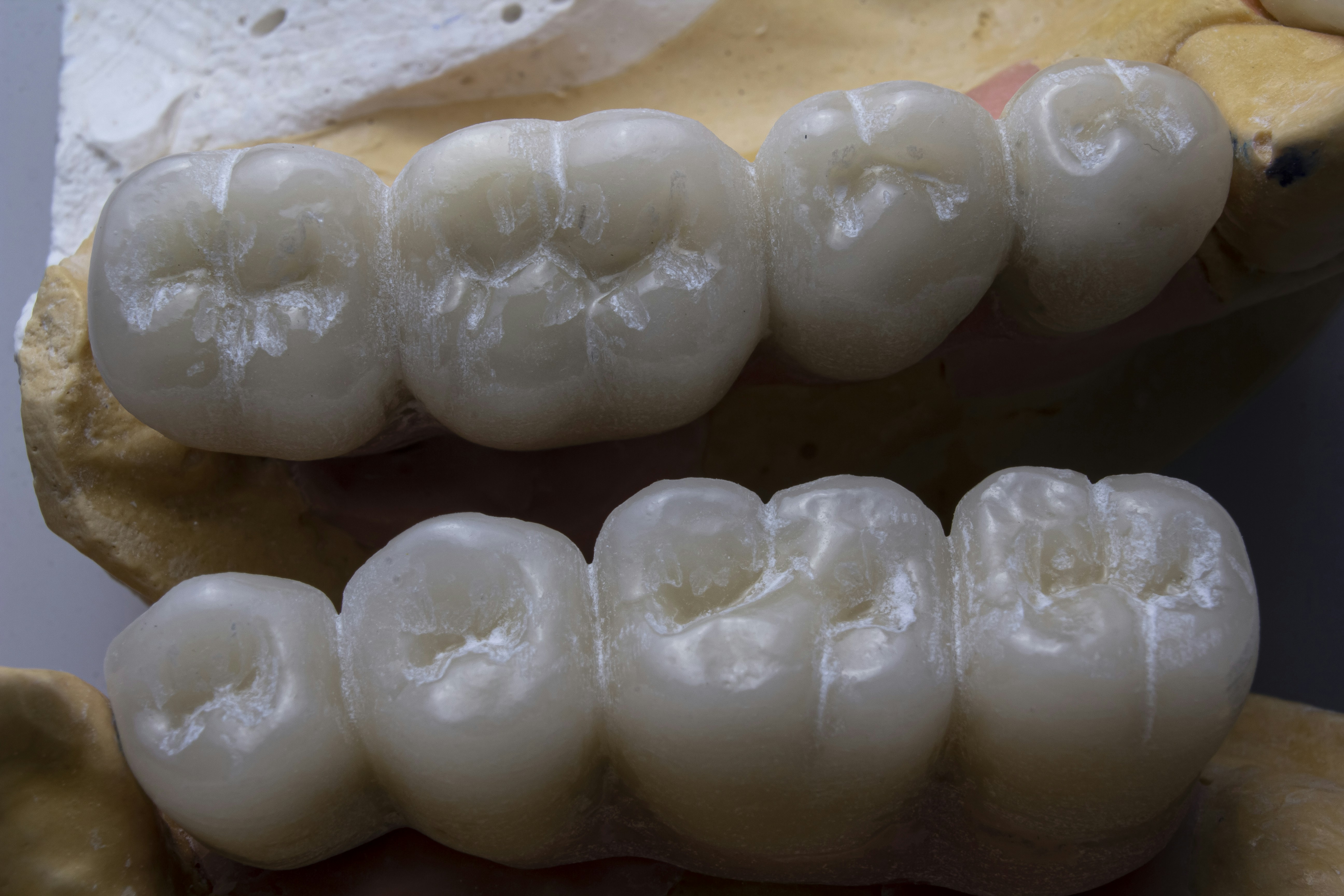
Introduction to Full Arch Zirconia Implant Bridge
Full arch zirconia implant bridges represent a significant advancement in dental restoration technology. Designed to replace an entire arch of missing teeth, these prosthetic solutions use a combination of dental implants and high-quality zirconia material. This innovative approach not only improves aesthetics but also enhances functionality for candidates who may have experienced severe tooth loss.
One of the primary differences between full arch zirconia implant bridges and traditional dental solutions, such as dentures, lies in their stability and durability. While traditional dentures may require adhesives and can become loosened over time, zirconia implant bridges are securely anchored to dental implants that are surgically placed into the jawbone. This secure fit allows for greater chewing efficiency and eliminates the concerns associated with mobility or slippage.
The purpose of full arch zirconia implant bridges is to restore smiles while supporting oral health. Individuals with missing teeth often face various challenges, including difficulty in speaking and eating, as well as a potential decline in self-esteem. By addressing these issues, zirconia implant bridges not only restore functionality but also provide a natural-looking appearance that can boost confidence.
Moreover, the use of zirconia, a biocompatible material highly resistant to wear and staining, further enhances the longevity and aesthetic appeal of the implant. Unlike traditional materials, zirconia does not absorb food particles and bacteria, which contributes to better oral hygiene and overall health.
This technological advancement signifies a shift in the field of dentistry, promoting healthier lifestyles and more satisfying dental outcomes. As the demand for effective and aesthetic tooth replacement options continues to grow, full arch zirconia implant bridges stand out as a reliable solution for individuals seeking to recover their smiles.
The Benefits of Full Arch Zirconia Implant Bridges
Full arch zirconia implant bridges have emerged as an optimal solution for individuals seeking to restore their smile after significant tooth loss. One of the primary advantages of zirconia implants is their exceptional durability. Compared to traditional dental solutions, zirconia bridges are designed to withstand significant wear and tear, making them an excellent long-term investment for oral health. Their robust nature ensures they can endure the forces of chewing, thus preventing the need for frequent replacements or repairs.
Aesthetics is another compelling benefit of full arch zirconia implant bridges. These implants can be crafted to closely resemble natural teeth, giving patients a seamless and beautiful smile. The material itself has a translucent quality that mimics the appearance of enamel, enhancing the overall cosmetic appeal. This aesthetic similarity contributes to a significant boost in self-confidence and improves the quality of life for individuals who have struggled with missing teeth.
Biocompatibility is also a crucial factor in the choice of zirconia for dental implants. The material is known for its compatibility with human tissue, reducing the chance of allergic reactions or rejection. This characteristic makes zirconia implants a safer alternative for patients who may be sensitive to metals commonly used in traditional dental implants.
Moreover, the maintenance of a full arch zirconia implant bridge is straightforward. Unlike removable dentures, these implants are fixed in place, eliminating the need for daily removal and maintenance rituals. Patients can enjoy their favorite foods without fear of dislodgement, as well as engage in routines of oral hygiene similar to that of natural teeth, which enhances overall oral health.
Overall, full arch zirconia implant bridges provide a compelling combination of durability, aesthetic appeal, biocompatibility, and ease of maintenance, making them an excellent restorative option for individuals looking to improve their dental health and self-esteem.
Understanding the Cost of Full Arch Zirconia Implant Bridges
When considering full arch zirconia implant bridges, it is essential to understand the financial commitment associated with this dental procedure. The overall cost can vary widely based on several key factors. One primary determinant is the number of dental implants required, which typically ranges from four to six implants for a full arch rehabilitation. This variation can significantly impact the total expense involved.
The materials used in the construction of the zirconia bridges also play a crucial role in the final pricing. Zirconia, known for its strength and aesthetic appeal, can be more expensive than other materials like acrylic. Consequently, the choice between high-quality zirconia and less expensive alternatives can influence the cost substantially.
Geographic location is another important factor that can affect pricing. Dental practices situated in urban areas or regions with a higher cost of living generally charge more than those in rural settings. Additionally, the expertise and reputation of the dental practitioner can also lead to varying costs, reflecting their skill level and experience in performing such complex procedures.
Patients should also consider financing options available to ease the financial burden. Many dental practices offer payment plans that allow patients to spread the cost over time, making it more manageable. Moreover, insurance coverage can differ significantly from one policy to another. Some dental insurance plans may cover a portion of the cost for implant procedures, while others may not cover them at all. Thus, it is recommended that patients consult their insurance provider to clarify specific coverage details.
In summary, the overall cost of full arch zirconia implant bridges is influenced by multiple factors including the number of implants, materials used, geographic location, and available financing options. Understanding these elements is crucial for individuals considering this restorative dental procedure.
The Procedure for Full Arch Zirconia Implant Bridges
The journey toward obtaining a full arch zirconia implant bridge begins with a comprehensive initial consultation. During this preliminary appointment, the dentist evaluates the patient’s oral health, taking into account factors such as bone density, gum health, and overall dental condition. Diagnostic imaging techniques, including 3D scans and X-rays, are utilized to gather critical information about the jawbone structure, the positioning of existing teeth, and pertinent anatomical details. This assessment not only helps in planning the most effective treatment but also in anticipating any potential complications.
Once the initial evaluation is complete, the next step involves implant placement. Under local anesthesia, the dentist strategically positions titanium implants into the jawbone, often requiring several implants to securely support the full arch zirconia bridge. The implant serves as a robust anchor for the bridge and allows for stable support throughout the healing process. After placement, the implants necessitate a healing period of several months, during which they integrate with the bone through a process known as osseointegration. During this time, patients may receive temporary prostheses to aid in functionality and aesthetics.
Following successful healing, the dentist will fabricate the custom zirconia bridge, ensuring a precise fit and natural appearance. The fitting process involves multiple appointments, where adjustments may be made to guarantee optimal comfort and functionality. Once the final bridge is ready, it is securely attached to the implants. This process not only restores the appearance of a full set of teeth but also reinstates vital functions such as biting and chewing. Adhering to the dentist’s post-operative care instructions is essential for the longevity of the implants and the overall success of the full arch zirconia implant bridge.
Who is a Good Candidate for Full Arch Zirconia Implant Bridges?
Candidacy for full arch zirconia implant bridges is determined by several dental and medical factors, which ensure successful implant placement and longevity. One of the primary considerations is bone density. Candidates must have sufficient jawbone density to support the implants, as this structural foundation is crucial for their stability. In instances where bone density is inadequate, bone grafting procedures may be required to enhance support.
Gum health is another critical factor in determining a candidate’s eligibility. Individuals suffering from gum disease or significant periodontal issues may not be ideal candidates, as these conditions can hinder healing and affect the overall success of the implants. A thorough dental assessment and treatment of existing conditions are essential prior to considering implants.
Overall health plays an important role as well. Candidates should be in generally good health, as chronic conditions such as uncontrolled diabetes, heart disease, or autoimmune disorders can complicate surgery and healing processes. It is advisable for candidates to discuss their medical history and any existing health issues with their dental provider to assess risks effectively.
Age is another aspect to consider. While there is no strict age limit for receiving implant bridges, younger individuals may still experience changes in jaw structure, potentially affecting implant positioning and stability. Conversely, older patients may have better bone density but may face other health considerations. Ultimately, personal preferences, including aesthetic desires and lifestyle choices, can also influence the decision regarding full arch zirconia implant bridges.
Aftercare and Maintenance of Full Arch Zirconia Implant Bridges
Proper aftercare and maintenance of full arch zirconia implant bridges are pivotal for ensuring their longevity and functionality. Once the procedure has been completed, patients must adhere to specific guidelines to promote healing and preserve oral health. First and foremost, maintaining exceptional oral hygiene is crucial. This involves brushing the teeth at least twice a day with a soft-bristled toothbrush, ensuring that all surfaces of the dental implants are thoroughly cleaned. Flossing is equally important; using dental floss or interdental brushes specifically designed for dental implants can effectively remove debris and plaque that may accumulate between teeth and around the implant fixtures.
Additionally, patients should use an antibacterial mouthwash to help reduce the risk of infection and promote healing in the first few weeks post-surgery. While it is critical to keep the area clean, patients should avoid aggressive cleaning techniques that might jeopardize the integrity of the bridge or damage the surrounding gum tissue. Regular dental check-ups, ideally every six months, are essential not only for professional cleanings but also for monitoring the health of the implants and gums. During these visits, dental professionals can identify any potential issues early, such as signs of peri-implantitis, which is an inflammation of the tissues surrounding an implant.
It is also advisable for patients to refrain from certain habits that could compromise their implants, such as grinding teeth or using teeth as tools. Adopting a diet that minimizes hard or sticky foods can significantly contribute to the durability of the full arch zirconia implant bridge. In summary, diligent oral care and routine dental visits are key elements in ensuring the success and longevity of full arch zirconia implant bridges, allowing patients to enjoy a healthy and functional smile for many years to come.
Common Concerns and Misconceptions About Full Arch Zirconia Implant Bridges
Full arch zirconia implant bridges have gained popularity as effective solutions for individuals with significant tooth loss. However, misconceptions regarding these dental restorations often create anxiety among potential patients. It is essential to address these common concerns to provide clarity and reassurance.
One prevalent myth is that full arch zirconia implant bridges are extremely painful to receive. In reality, the procedure involves advanced dental techniques and anesthesia, ensuring that patients experience minimal discomfort during the surgical process. Many individuals report a smooth recovery, often experiencing less pain than they anticipated.
Another misunderstanding relates to the longevity of full arch zirconia implant bridges. Some individuals fear that these restorations will not last as long as traditional dentures. In contrast, zirconia is known for its durability and resistance to wear, often providing a lifespan of over ten years when properly maintained. Regular dental check-ups and good oral hygiene can significantly extend the longevity of these implants, making them a dependable investment.
Compatibility is also a concern for many contemplating this treatment. Patients may worry whether they are suitable candidates for full arch zirconia implant bridges. Generally, individuals with healthy gums and sufficient bone density can qualify for this procedure. Dental professionals conduct thorough evaluations to determine each patient’s unique needs, ensuring tailored solutions are provided.
Additionally, some patients are hesitant to switch from traditional dentures to a full arch zirconia implant bridge due to apprehensions about change. While traditional dentures can be effective, they often come with drawbacks such as movement, discomfort, and dietary restrictions. Full arch zirconia implant bridges, on the other hand, provide enhanced stability and comfort, allowing patients to enjoy a more natural experience when eating and speaking.
Testimonials and Success Stories
Many patients have experienced life-changing results following the full arch zirconia implant bridge procedure. For instance, one patient, Linda, shared her story of overcoming years of dental issues that had severely affected her self-esteem. After receiving the zirconia bridge, she described how she could smile confidently again, transforming not only her dental health but also her social interactions. Linda emphasized that the procedure restored her ability to eat her favorite foods without pain, stating that the quality of life improvements were beyond her expectations.
Similarly, Mark, a 57-year-old retiree, recounted his journey of struggling with traditional dentures. He underwent the full arch zirconia implant bridge procedure and reported that the stability and comfort he gained were revolutionary. “I can finally enjoy meals with my family without worrying about my dentures slipping or causing discomfort,” he mentioned. His enthusiasm for the results reflects a commonly shared sentiment among patients who find the zirconia implants to be more functional and aesthetically pleasing than their previous dental solutions.
Another inspiring account comes from Sarah, who highlighted the expedited recovery associated with the procedure. After a seamless operation, she was amazed by her quick return to normal activities. In her testimonial, Sarah stated that there was minimal discomfort and swelling compared to her past experiences with alternative dental procedures. This aspect of efficiency is frequently noted in patient reviews, where many express relief at the short recovery times offered by the implants. The success stories from these individuals, among many others, illuminate the significant benefits that full arch zirconia implant bridges can provide—transforming lives by restoring dental aesthetics and functionality.
Conclusion: The Future of Full Arch Zirconia Implant Technology
In recent years, the field of dental restoration has seen remarkable advancements, particularly with the introduction and widespread adoption of full arch zirconia implant bridges. These innovative solutions have redefined the standards of dental restorations, offering a high level of durability, esthetics, and functionality. The benefits inherent in zirconia implants include their biocompatibility, resistance to staining, and the ability to closely mimic the appearance of natural teeth, making them a desirable choice for patients seeking transformative dental solutions.
Furthermore, the cost-effectiveness of full arch zirconia implant bridges makes them an attractive option for many individuals. While the initial investment may appear substantial, the long-term benefits, such as reduced maintenance and potential for enhanced oral health, truly justify this expenditure. Patients also benefit from a shortened overall treatment time, allowing for a speedy return to normal activities.
As technological advancements continue to progress, we can anticipate even greater improvements in this area. Innovations in 3D printing, imaging techniques, and implant materials are paving the way for the next generation of full arch dental solutions. These future developments promise to enhance precision in implant placement, further improving patient outcomes and satisfaction. It’s an exciting era for dental technology, and as full arch zirconia implant bridges become more refined, they will likely play a pivotal role in the realm of restorative dentistry.
In conclusion, the journey of full arch zirconia implant technology is not merely limited to the present achievements; it heralds a future where dental restoration will become increasingly sophisticated, ensuring that more patients can benefit from the advantages these implants offer.