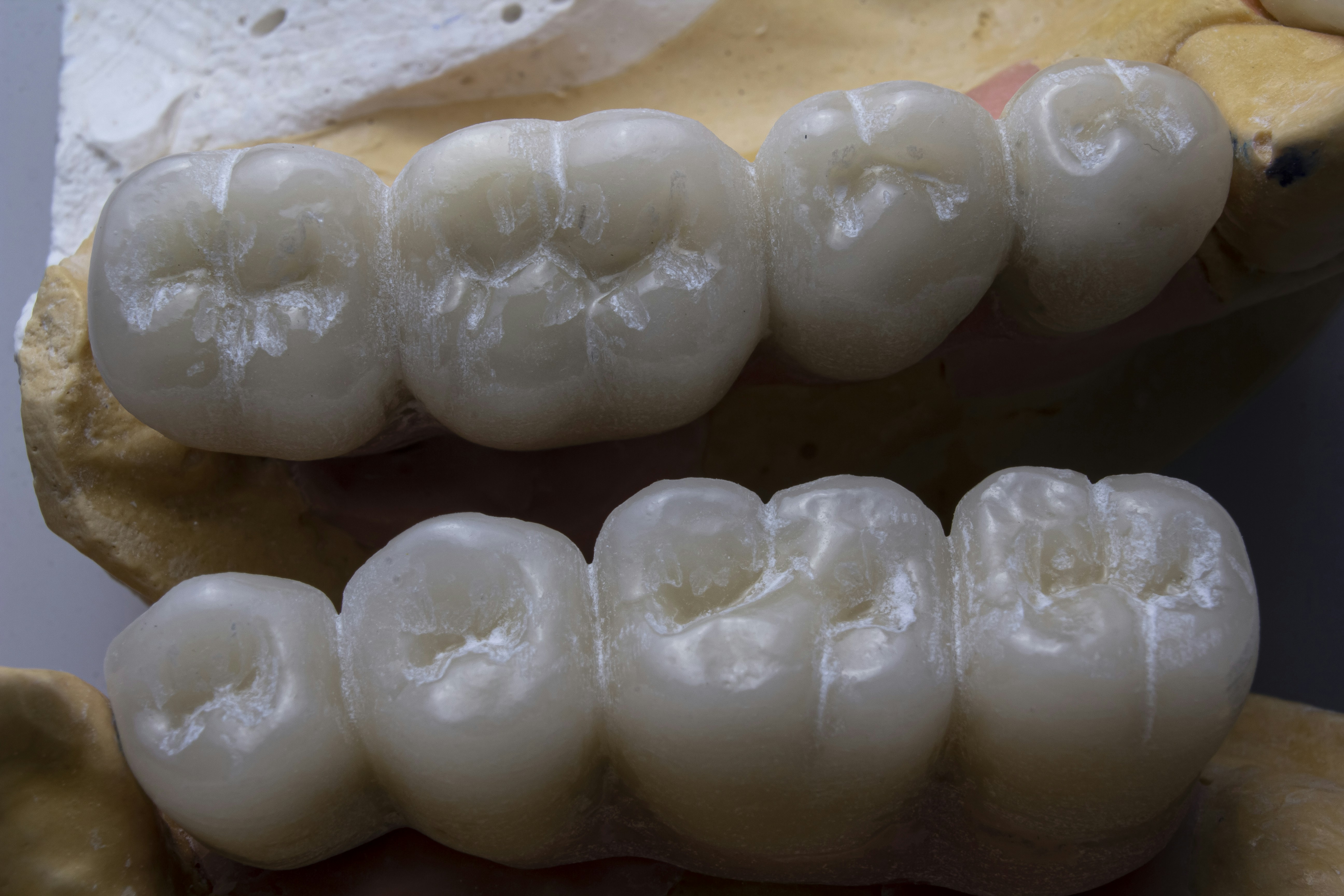
Introduction
In the field of dentistry, the quest for durable, aesthetically pleasing, and biologically compatible restorative materials has led to the rising adoption of full-contour zirconia bridge. These innovative solutions are increasingly preferred by both dental professionals and patients due to their unique combination of strength and appearance. Full-contour zirconia bridge are crafted from advanced ceramic materials that provide exceptional durability, making them suitable for various restorative applications.
One of the primary factors driving the popularity of full-contour zirconia bridges is their unparalleled strength. Unlike traditional porcelain bridges, zirconia bridges are less susceptible to chipping or fracturing, ensuring long-lasting performance even under considerable biting forces. This durability is particularly advantageous for patients who require dental restorations in areas subject to significant stress, such as molar regions.
Furthermore, the aesthetic appeal of full-contour zirconia cannot be understated. The material closely resembles natural tooth enamel in color and translucency, enabling dental professionals to create highly lifelike restorations that blend seamlessly with adjacent teeth. Patients benefit from this realistic appearance, as it enhances their overall smile and confidence.
Longevity is another noteworthy characteristic of full-contour zirconia bridges. Research indicates that these restorations can last upwards of 10 to 15 years with proper care and maintenance. This remarkable lifespan alleviates concerns regarding the frequency of replacements, ultimately providing patients with a more cost-effective solution over time.
As advancements in dental technology continue to emerge, full-contour zirconia bridges remain at the forefront of modern dentistry, offering a compelling option for those seeking a resilient and visually appealing restorative treatment.
Understanding the Full-Contour Zirconia Bridge
A full-contour zirconia bridge is a dental prosthetic solution designed to restore missing teeth. Composed entirely of zirconium dioxide, this type of bridge offers a solid, durable structure that is capable of withstanding the significant forces exerted during chewing. Unlike traditional dental materials such as porcelain or metal, full-contour zirconia is known for its impressive strength and resilience, making it an increasingly popular choice among dental professionals.
The defining characteristic of a full-contour zirconia bridge is its monolithic design. This means that the entire bridge is made from a single piece of zirconia, as opposed to layered zirconia bridges which incorporate multiple materials to achieve a desired aesthetic effect. The layering technique can sometimes compromise strength due to the bonding between different materials. By contrast, the monolithic structure of a full-contour zirconia bridge eliminates this concern, providing a robust solution that maintains its integrity over time.
Furthermore, the composition of full-contour zirconia enables it to seamlessly blend with natural teeth, offering a highly aesthetic result. The high translucency and color-matching capabilities of zirconia contribute to a natural appearance that is difficult to distinguish from genuine teeth. This aesthetic quality, combined with its superior strength, positions full-contour zirconia bridges as an ideal choice for both patients and dentists.
In summary, the full-contour zirconia bridge stands out in the field of dental prosthetics due to its monolithic design, exceptional strength, and aesthetic appeal. Its single-material construction promotes longevity and resistance to wear, setting it apart from traditional layered alternatives and solidifying its status as a reliable option for tooth restoration.
Benefits of a Full-Contour Zirconia Bridge
A full-contour zirconia bridge offers a multitude of advantages that make it an excellent choice for dental restoration. One of the standout features of this material is its exceptional strength and fracture resistance. Unlike traditional porcelain bridges, full-contour zirconia is highly durable, significantly reducing the risk of breakage under normal biting forces. This robust nature allows for greater versatility in placement, even in areas subject to substantial chewing pressure.
Another notable benefit is its minimal chipping compared to porcelain-fused-to-metal bridges. While porcelain can chip and wear over time, the solid structure of full-contour zirconia minimizes this concern, offering a more consistent performance throughout its service life. Patients can enjoy the peace of mind that comes with a restoration designed to withstand daily use without compromising its structural integrity.
A full-contour zirconia bridge also closely resembles the natural appearance of teeth, making it an attractive option for patients seeking a seamless cosmetic solution. Its translucency and shading can be customized to match surrounding teeth, providing a natural look that is often preferred by individuals worried about the aesthetics of their dental work. This high level of customization is ideal for achieving a harmonious smile.
Moreover, biocompatibility is a significant benefit of zirconia. The material is known for its safety and compatibility with gum tissues, which helps in preserving oral health. Patients often experience less inflammation and irritation due to the absence of metal components, making it a safer long-term option for dental restoration. In conclusion, the benefits of a full-contour zirconia bridge extend beyond aesthetics, offering strength, durability, and comfort for patients seeking effective solutions for dental rehabilitations.
Full-Contour Zirconia Bridge vs Other Dental Bridges
When considering dental restoration options, it is essential to compare the full-contour zirconia bridge with alternative types, such as porcelain-fused-to-metal (PFM) bridges and layered zirconia bridges. Each type of dental bridge has its unique features, benefits, and limitations that cater to different dental needs.
Full-contour zirconia bridges are known for their remarkable strength and aesthetic appeal. Made entirely from solid zirconia, these bridges provide excellent durability and resistance to fracture. They are particularly suitable for patients who require significant strength due to heavy bite forces, often seen in posterior restorations. Their all-ceramic composition allows for a highly natural appearance, closely mimicking the translucency and color of natural teeth.
On the other hand, porcelain-fused-to-metal (PFM) bridges combine the strength of a metal framework with the aesthetic quality of porcelain. However, PFM bridges can be prone to chipping of the porcelain over time. Moreover, the metal base may be visible as a dark line at the gum line, potentially detracting from the overall appearance, particularly in anterior restorations.
Layered zirconia bridges use a combination of a zirconia framework topped with a porcelain overlay. While they can provide better aesthetics than PFM bridges, they still fall short of the strength offered by full-contour zirconia. Patients who prefer a more lifelike appearance may choose layered zirconia, although they must be aware of the potential for chipping.
In summary, while choosing between full-contour zirconia bridges and other types, consider factors such as durability, aesthetics, and specific dental needs. Full-contour zirconia bridges often emerge as the most suitable option for patients prioritizing both strength and an attractive appearance, particularly in high-stress areas of the mouth.
The cost of a full-contour zirconia bridge can vary significantly based on several factors. On average, patients can expect to pay between $1,000 to $2,500 per unit. However, the total price can increase depending on the specific requirements of the case. One important consideration is the number of units needed; larger bridges that cover multiple missing teeth will increase the overall cost.
Another critical factor affecting the price is the location of the dental clinic. Practices located in major metropolitan areas typically charge higher fees than those in rural regions. This is often due to increased overhead costs and higher demand for dental services. Additionally, the expertise and qualifications of the dentist undertaking the procedure play a vital role in determining the final cost. Highly experienced specialists may charge more for their services, but may also offer enhanced precision and superior results.
When considering the investment of a full-contour zirconia bridge, it is important to evaluate the long-term value it provides. While the upfront costs may seem substantial, zirconia is known for its durability and aesthetic appeal, often making it a worthwhile investment. The longevity of these bridges, often exceeding ten years with proper care, can offset their initial costs by reducing the need for frequent replacements or repairs. Thus, patients should weigh the initial expenditure against the bridge’s lifespan and overall benefits when making their decision.
Full-contour zirconia bridges are increasingly becoming the preferred choice for a variety of dental restoration cases. One of the primary considerations when determining the appropriate candidates for this type of bridging is the patient’s specific dental needs and characteristics.
Individuals who possess a heavy bite force or suffer from bruxism, a condition characterized by grinding or clenching of teeth, typically benefit greatly from a full-contour zirconia bridge. The inherent strength and durability of zirconia make it suitable for patients who exert significant pressure on their dental restorations. Unlike other materials that may be more prone to wear or fracture under high stress, full-contour zirconia retains its structural integrity, providing a long-lasting solution for such individuals.
Patients requiring restorations for their back teeth are also ideal candidates for a full-contour zirconia bridge. Back teeth, or molars, play a crucial role in chewing and are continually subjected to substantial force. Therefore, opting for the robust nature of zirconia is advantageous, as it ensures that the bridge is functional while maintaining its sheer strength necessary for the posterior region of the mouth.
Moreover, those seeking durability over aesthetic considerations may find full-contour zirconia bridges to be especially suitable. While layered ceramic options can offer more natural-looking aesthetics, they may not provide the same level of durability and resilience. For individuals who prioritize lasting performance for their dental restorations, full-contour zirconia serves as a superior alternative.
In summary, the ideal candidates for full-contour zirconia bridges are individuals with heavy bite forces, those in need of robust restorations for back teeth, and patients who prioritize durability over sheer aesthetics in their dental solutions.
Treatment Process
The process of obtaining a full-contour zirconia bridge involves several key steps, beginning with an initial consultation. During this appointment, the dental professional will evaluate the patient’s oral health, discuss options, and determine if a zirconia bridge is suitable for the individual’s needs. This assessment often includes taking dental X-rays and possibly a 3D scan of the patient’s mouth to provide detailed insights into the jaw structure and tooth alignment.
Following the initial consultation, the next step is tooth preparation. This entails reshaping the teeth that will support the bridge, ensuring that there is enough space for the final restoration. The dentist will remove any decayed tissue and reduce the size of the adjacent teeth so that the full-contour zirconia bridge fits properly.
Once the teeth are prepared, digital impressions of the mouth are taken. This modern technique allows for precise measurements and captures the anatomy of the patient’s mouth, ensuring an accurate fit for the bridge. These impressions are important as they can be used in the Computer-Aided Design and Computer-Aided Manufacturing (CAD/CAM) process, which is integral to creating the bridge.
The CAD/CAM system fabricates the full-contour zirconia bridge using the digital impressions. This process involves designing the bridge digitally, followed by milling it from a solid block of zirconia, leading to a highly durable and aesthetically pleasing restoration. After the fabrication is complete, the dentist will check the fit and make any necessary adjustments to ensure comfort and functionality.
The final step involves the placement and adjustment of the bridge. The dentist will carefully position the bridge over the prepared teeth and verify that it aligns properly with the patient’s bite. Adjustments may be necessary to guarantee optimal fit and comfort. Once secure, the full-contour zirconia bridge is polished and the procedure is completed, allowing the patient to enjoy the benefits of this durable dental solution.
How Long Does a Full-Contour Zirconia Bridge Last?
A full-contour zirconia bridge is lauded for its strength and durability, making it a preferred choice for dental restorations. Typically, the lifespan of such a bridge can range from 10 to 15 years, with some instances of longevity extending even further, depending greatly on the individual’s oral health and maintenance habits.
To ensure that a full-contour zirconia bridge endures for as long as possible, proper oral care is paramount. Patients are encouraged to maintain a rigorous oral hygiene routine, which includes daily brushing and flossing. It is essential to use a soft-bristled toothbrush and non-abrasive toothpaste to prevent scratching or damaging the surface of the bridge. Additionally, utilizing interproximal brushes or dental floss is vital to remove plaque and food particles that can accumulate between the teeth and the bridge.
Regular dental check-ups every six months are essential as well. During these visits, dental professionals will check the integrity of the bridge and the surrounding gums, addressing any potential issues early on. They may also provide professional cleanings to remove tartar that home care might miss. Moreover, it’s advisable to avoid hard foods, as they can impose excessive stress on the bridge, possibly leading to fractures or other complications.
Furthermore, adopting habits like not using teeth to open packages or chew on hard objects is crucial. These precautions can significantly affect the longevity of the bridge. Ultimately, with appropriate care and diligent dental hygiene practices, a full-contour zirconia bridge can serve patients effectively, providing not only functionality but also aesthetic appeal for many years.
Pros and Cons of Full-Contour Zirconia Bridges
Full-contour zirconia bridges have gained popularity in restorative dentistry due to their unique combination of aesthetic and functional benefits. One of the most significant advantages of these bridges is their exceptional durability. Made from zirconium dioxide, a highly robust material, they can withstand considerable chewing forces, making them suitable for both anterior and posterior restorations. This strength directly translates into a longer lifespan compared to many traditional dental materials, allowing patients to enjoy their dental work for many years without the need for replacement.
Another notable benefit is the low maintenance required for full-contour zirconia bridges. Patients appreciate that these bridges do not require special cleaning techniques or procedures, which simplifies oral hygiene practices. Regular brushing and flossing, similar to natural teeth, can often be sufficient to maintain the appearance and function of these restorations. Additionally, full-contour zirconia is resistant to staining and discoloration, contributing to its long-term aesthetic appeal.
However, it is essential to consider some drawbacks alongside the numerous benefits. One potential con of full-contour zirconia bridges is their slightly lower translucency compared to layered zirconia options. This may affect their aesthetic appearance, especially in highly visible areas where a more natural appearance is desired. Patients seeking a lifelike appearance might prefer thicker porcelain or layered zirconia for a more translucent finish.
Furthermore, the initial cost of full-contour zirconia bridges tends to be higher than that of some alternative materials. While the long-term savings due to their durability can offset the initial investment, the upfront expense may deter some patients. It is crucial for individuals to discuss these factors with their dental professionals to make informed decisions based on their specific needs and budget.
Conclusion
In the realm of dental solutions, full-contour zirconia bridges emerge as a robust choice, providing a unique balance between aesthetic appeal and strength. Their durability is notable, making them a resilient option for patients requiring long-term dental restorations. These bridges are capable of withstanding significant wear and tear, significantly reducing the likelihood of fractures or breakage, which can be a common concern with other types of dental restorations.
The aesthetic benefits of full-contour zirconia bridges cannot be overlooked. Their ability to mimic the natural appearance of teeth makes them an attractive option for patients seeking not only functionality but also visual appeal. This biocompatibility further enhances their suitability, reducing the risk of adverse reactions for those with metal sensitivities.
Moreover, full-contour zirconia bridges represent a cost-effective dental solution in the long run. Although the initial investment may appear higher than other dental options, their longevity and minimal maintenance needs ensure that patients can save on potential replacement costs over time. This longevity, combined with the bridges’ strength and aesthetic advantages, positions them as a preferred choice for many dental professionals.
Ultimately, individuals considering a full-contour zirconia bridge should seek the expertise of a qualified dentist. A dental professional can provide tailored guidance, addressing specific needs, and ensuring that patients are well-informed about their options. The personalized consultation process is integral to achieving optimal results and maintaining dental health.