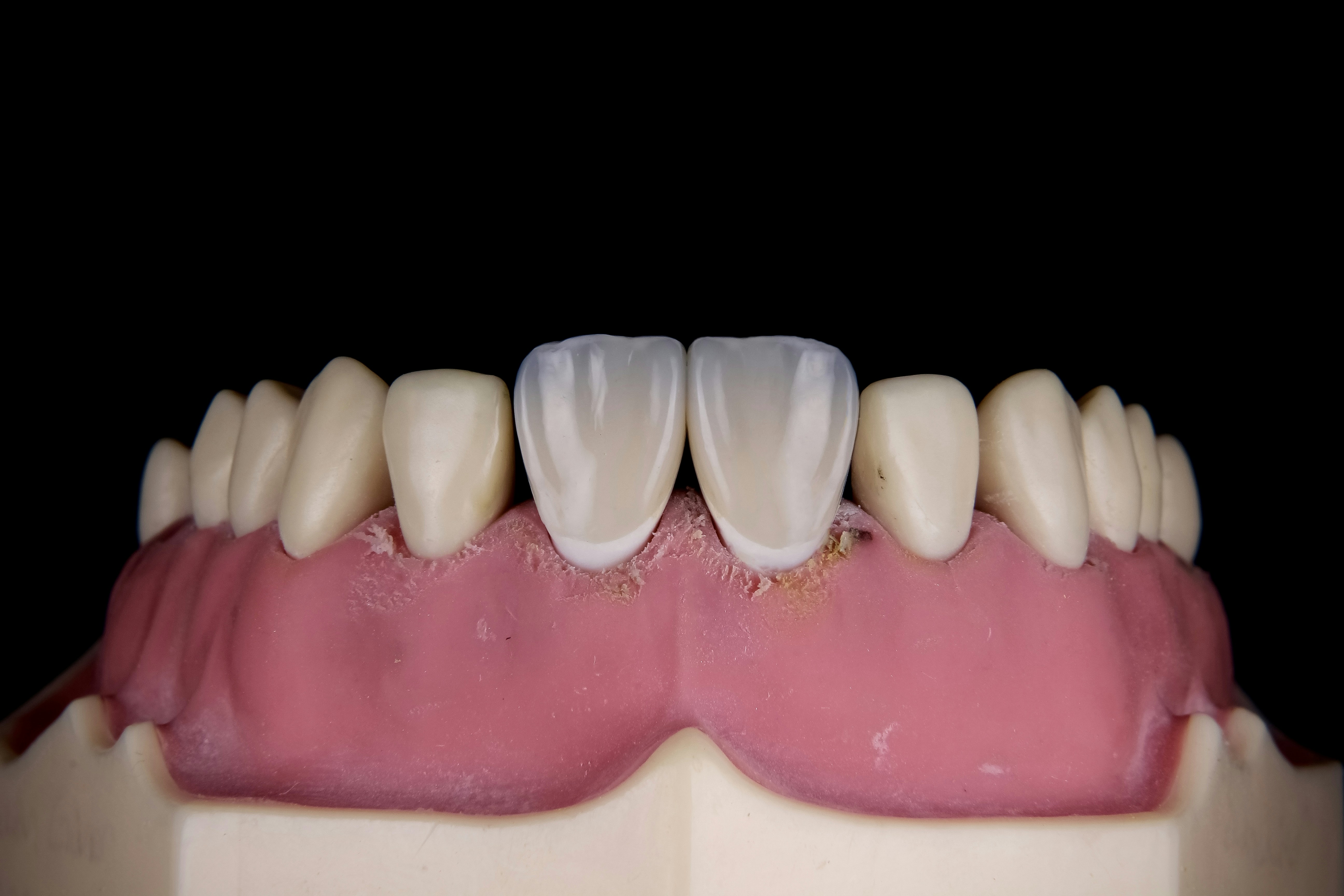
Introduction to Inlay Zirconia Bridges
Inlay zirconia bridges represent an advanced restorative dental solution designed to effectively replace missing teeth while preserving the integrity of adjacent tooth structures. These dental appliances incorporate high-strength zirconia, known for its durability and aesthetic qualities, making it a favored choice among both dentists and patients. The use of zirconia not only provides a robust framework for arched dental structures but also mimics the natural coloration and translucency of natural teeth, thereby enhancing cosmetic outcomes.
One of the primary advantages of inlay zirconia bridges is their ability to conserve as much of the healthy tooth tissue as possible. Unlike traditional dental bridges that often require extensive reshaping of neighboring teeth, inlay zirconia bridges can be designed to minimize the amount of tooth structure that must be sacrificed. This conservativeness in tooth preparation is especially beneficial for patients concerned about maintaining as much of their natural dentition as feasible.
Moreover, inlay zirconia bridges exhibit exceptional biocompatibility, making them ideal for patients with sensitivities or allergies to metals often found in other bridge materials. Additionally, they offer remarkable resistance to wear, stains, and fractures, contributing to long-term success in dental restorations. The cosmetic benefits are equally significant; zirconia bridges can enhance confidence while enabling patients to smile freely without the anxiety of unsightly dental work.
Inlay zirconia bridges thus emerge as a commendable option within modern dentistry. They combine restorative efficacy with aesthetics and tissue preservation, setting a benchmark for quality in prosthodontics. As advancements in dental materials continue, inlay zirconia bridges will likely play a crucial role in the future of tooth replacement strategies.
What Are Inlay Zirconia Bridges?
Inlay zirconia bridges represent a significant advancement in dental prosthetics, providing patients with a reliable and aesthetically pleasing option for tooth replacement. These dental restorations primarily utilize zirconia, a strong, biocompatible material, known for its excellent strength and flexibility. Unlike traditional dental bridges that often incorporate metal substructures, inlay zirconia bridges feature a fully ceramic design that closely mimics the natural appearance of teeth.
The structure of inlay zirconia bridges typically consists of a framework made entirely from zirconia, which is meticulously designed to fit the patient’s unique dental anatomy. This is achieved through precise digital impressions that allow for a customized fit, ensuring both comfort and functionality. The non-metallic nature of zirconia not only enhances aesthetics by providing a more translucent appearance similar to natural teeth but also reduces the risk of allergic reactions common with metal components.
One of the key differences between inlay zirconia bridges and traditional dental bridges lies in their application. Traditional bridges may rely on neighboring teeth for support and may involve the removal of healthy tooth structure for anchoring. In contrast, inlay zirconia bridges can often be placed with minimal alteration to surrounding teeth, showcasing their conservative nature. Furthermore, they offer durability akin to that of traditional options while eliminating the metallic reflection associated with metal-based restorations.
Overall, inlay zirconia bridges blend cosmetic appeal with functional restoration, making them a preferred choice among patients seeking natural-looking replacements for missing teeth.
Benefits of Inlay Zirconia Bridges
Inlay zirconia bridges have emerged as a popular choice for tooth replacement, mainly due to their remarkable benefits that cater to both aesthetic and functional needs. One of the primary advantages of inlay zirconia bridges is their exceptional aesthetic qualities. The material closely mimics the natural appearance of teeth, providing a seamless integration with the surrounding dentition. This aesthetic appeal is particularly significant for patients concerned about the visibility of dental work, as inlay zirconia bridges can restore confidence and enhance overall smile aesthetics.
Durability is another key benefit associated with inlay zirconia bridges. Zirconia is renowned for its strength and resistance to wear, making it an ideal choice for dental restorations that are subjected to considerable chewing forces. Unlike other materials that may chip or fracture over time, zirconia holds up well against daily use, ensuring that patients can enjoy their restored teeth for many years with minimal maintenance.
Biocompatibility also distinguishes inlay zirconia bridges from other options. Since zirconia is a biocompatible material, it is less likely to provoke allergic reactions or adverse responses in the body. This quality significantly enhances patient comfort and reduces the likelihood of complications, allowing for a smoother recovery and long-term success of the dental restoration.
Furthermore, inlay zirconia bridges contribute positively to overall oral health. By effectively filling in gaps created by missing teeth, these bridges prevent neighboring teeth from shifting out of alignment, thereby promoting better bite conditions. Proper alignment aids in efficient chewing and digestion, making inlay zirconia bridges a conservative tooth replacement option that supports not only aesthetic goals but also functional oral health.
The Procedure: How Inlay Zirconia Bridges Are Placed
The process of placing inlay zirconia bridges involves several key steps to ensure accuracy and patient satisfaction. Initially, an extensive consultation takes place where the dentist assesses the patient’s oral health and discusses the benefits of inlay zirconia bridges as a conservative tooth replacement option. This stage is crucial for evaluating the condition of existing teeth and determining whether additional procedures, such as extractions or root canal treatments, are necessary.
Once the consultation is complete, detailed imaging of the teeth is acquired, typically through X-rays or 3D scans. This imaging allows the dentist to create a precise treatment plan tailored to the individual’s anatomical structure. During this step, the dentist also communicates with the patient regarding the timeline and expected outcomes of the procedure, ensuring realistic expectations are established.
The next phase involves preparing the affected tooth or teeth. This preparation may include reducing the size of these teeth to accommodate the inlay zirconia bridge. Local anesthesia is often administered to ensure the patient’s comfort throughout the procedure. Following tooth preparation, impressions are taken to create a custom bridge that will seamlessly integrate with the patient’s existing dentition.
After the impressions are sent to a dental lab, the fabrication of the inlay zirconia bridge begins. This process can take anywhere from a few days to a couple of weeks. During this waiting period, temporary bridges might be placed to preserve the aesthetics and functionality of the patient’s smile. Upon completion of the lab work, the final inlay zirconia bridge is fitted into place, requiring another dental visit. The dentist checks for appropriate fit and adjustments are made as necessary before securing the bridge permanently.
Finally, after cementation, patients receive instructions on care and maintenance to ensure longevity. Regular check-ups are essential moving forward, as they help monitor the condition of the inlay zirconia bridges and overall oral health.
Comparison with Other Tooth Replacement Options
When considering tooth replacement options, several methods exist, each with distinct characteristics. Inlay zirconia bridges are a popular choice due to their aesthetic appeal and conservative approach in tooth restoration. However, it is essential to compare them with traditional bridges, dental implants, and removable dentures to make an informed decision.
Traditional bridges often require the alteration of adjacent healthy teeth for support, which can compromise their integrity. Although they are generally less expensive and quicker to place than implants, they may not offer the long-term durability that other treatments provide. Unlike inlay zirconia bridges, which closely mimic natural teeth in both appearance and function, traditional bridges can be less aesthetic and may eventually need replacement due to wear or decay in supporting teeth.
Dental implants are another robust alternative for tooth replacement. They integrate into the jawbone, providing excellent stability and a solution that mimics the function of a natural tooth. However, the process involves surgical placement and a longer duration for healing and bone integration. The cost of dental implants can also be significantly higher compared to inlay zirconia bridges, making them less accessible for some patients. While implants may offer a definitive solution, they may not be suitable for everyone, especially those with insufficient bone density.
Removable dentures, while convenient and easy to replace, often lack the stability and natural feel of fixed options like zirconia bridges and implants. They may require adjustments over time, and some users experience discomfort or difficulty in chewing. However, they remain a viable choice for those seeking a cost-effective solution without extensive dental work.
In conclusion, the choice between inlay zirconia bridges and other tooth replacement options hinges on a balance of factors such as aesthetics, longevity, cost, and overall oral health. Understanding the pros and cons of each method can guide patients in selecting the right treatment for their individual needs.
Caring for Your Inlay Zirconia Bridges
Maintaining proper care for your inlay zirconia bridges is essential to ensure their longevity and functionality. As with any dental restoration, optimal oral hygiene practices play a crucial role in preserving not just the bridges themselves but also the surrounding natural teeth and gums.
To begin with, adopting a rigorous dental hygiene routine is imperative. Brushing your teeth at least twice a day with a soft-bristled toothbrush and fluoride toothpaste will help remove plaque and food particles that can accumulate. Pay particular attention to the areas surrounding your inlay zirconia bridges, as this can be a breeding ground for bacteria if neglected.
Additionally, using dental floss daily is vital for cleaning between your teeth and around your bridges. Consider using a water flosser or interdental brushes to enhance cleaning capabilities, particularly in hard-to-reach areas. This practice can effectively reduce the risk of gum disease and cavities, which can threaten the stability of your bridges.
Dietary considerations also play a significant role in the care of zirconia bridges. While zirconia is highly durable, it is still advisable to avoid extremely hard or sticky foods that could potentially damage the material or dislodge the bridges. Opting for a well-balanced diet rich in vitamins and minerals can support the overall health of your teeth and gums.
Lastly, regular dental check-ups are vital for the maintenance of your inlay zirconia bridges. Visiting your dentist at least twice a year enables proactive monitoring for any signs of wear, damage, or decay, allowing for timely interventions if necessary. Your dentist may also recommend special cleaning treatments to keep your bridges in optimal condition.
Frequently Asked Questions About Inlay Zirconia Bridges
When considering inlay zirconia bridges for tooth replacement, numerous inquiries often arise regarding their effectiveness and practical aspects. One of the primary concerns is the lifespan of inlay zirconia bridges. Typically, these dental restorations can last from 10 to 15 years, depending on factors such as oral hygiene, the patient’s lifestyle, and regular dental care. With proper maintenance, which includes routine dental check-ups and good at-home oral hygiene, the longevity of inlay zirconia bridges can be extended.
Another critical consideration is the cost associated with inlay zirconia bridges. The price can vary significantly depending on geographical location, the experience of the dental professional, and the specifics of each case. On average, the cost can range between $1,000 and $2,500 per bridge. It is crucial for patients to understand that while inlay zirconia bridges may represent a higher initial investment compared to traditional options, their durability often justifies the expense.
Insurance coverage is another common query. Many dental insurance plans offer some level of coverage for restorative procedures, including inlay zirconia bridges. However, patients are encouraged to check with their insurance provider for precise details regarding eligibility and coverage limits, as policies can vary widely.
Lastly, potential risks or side effects associated with inlay zirconia bridges warrant attention. While these restorations are regarded as biocompatible and possess low allergic reaction rates, some patients may experience sensitivity to changes in temperature. Additionally, improper fitting can lead to discomfort or bite issues. Consulting with a qualified dental professional can help mitigate these risks and ensure the suitability of inlay zirconia bridges for individual cases.
Real-Life Experiences: Patient Testimonials
Many patients have shared their positive experiences with inlay zirconia bridges, emphasizing the benefits and satisfaction they derived from the procedure. One patient, Mary, a 56-year-old dental patient, recounted her journey of receiving inlay zirconia bridges after suffering from severe tooth decay. Before the procedure, Mary expressed feeling self-conscious about her smile, which greatly affected her confidence. After receiving the inlay zirconia bridges, she noted a remarkable difference, stating, “I can smile again without feeling embarrassed. The color and shape are so natural!” This highlights the aesthetic appeal and functional benefits of inlay zirconia bridges.
Another patient, John, a 45-year-old man who had previously lost several teeth due to gum disease, described his experience as life-changing. Before opting for the inlay zirconia bridges, John struggled with discomfort and frustration related to eating and speaking. He reported, “I didn’t know how much I missed biting into an apple until after getting my bridges. It feels great to chew without pain. Plus, I can’t stop smiling!” This statement emphasizes the practicality and comfort that inlay zirconia bridges provide, allowing patients to return to normal activities without discomfort.
In addition to the functional benefits, patients have also commented on the minimal invasiveness of the inlay zirconia bridge procedure. For instance, Emily, a 30-year-old patient, appreciated how the procedure was less daunting compared to traditional dental implants. She mentioned, “The process was quick and straightforward, and I experienced very little discomfort during recovery. It felt good to know that I chose a conservative approach to restoring my teeth.” The testimonials from these patients collectively underscore the effectiveness and satisfaction associated with inlay zirconia bridges, illustrating how they can significantly enhance both the quality of life and self-esteem of individuals seeking tooth replacement options.
Conclusion: The Future of Tooth Replacement with Inlay Zirconia Bridges
As we delve into the evolving landscape of dental restorations, inlay zirconia bridges emerge as a prominent option for individuals seeking effective and aesthetically pleasing solutions for tooth replacement. These innovative dental prosthetics not only serve as a remarkable alternative to traditional methods but also underscore a commitment to conservative dentistry. By prioritizing minimal invasiveness, inlay zirconia bridges allow for the preservation of surrounding tooth structure, which is crucial for maintaining overall oral health.
The exceptional durability and biocompatibility of zirconia make it an ideal material for dental bridges, ensuring longevity and reducing the likelihood of complications often associated with other materials. Additionally, the superior aesthetic appeal of zirconia provides patients with options that closely mimic the natural appearance of teeth, thereby enhancing confidence and comfort.
Furthermore, the adaptability of inlay zirconia bridges supports various clinical applications, ranging from single-tooth replacements to broader dental restoration cases. Their compatibility with advanced dental technologies facilitates a streamlined treatment process, leading to quicker recoveries and improved patient satisfaction.
In essence, the emergence of inlay zirconia bridges represents a significant advancement in dental restoration, emphasizing the importance of patient-centered care in contemporary dentistry. As we move forward, it is essential for patients and practitioners alike to recognize the myriad benefits that inlay zirconia bridges offer. We encourage readers to consider this innovative solution for their dental needs, exploring how it aligns with their preferences for safety, aesthetics, and functionality in tooth replacement.