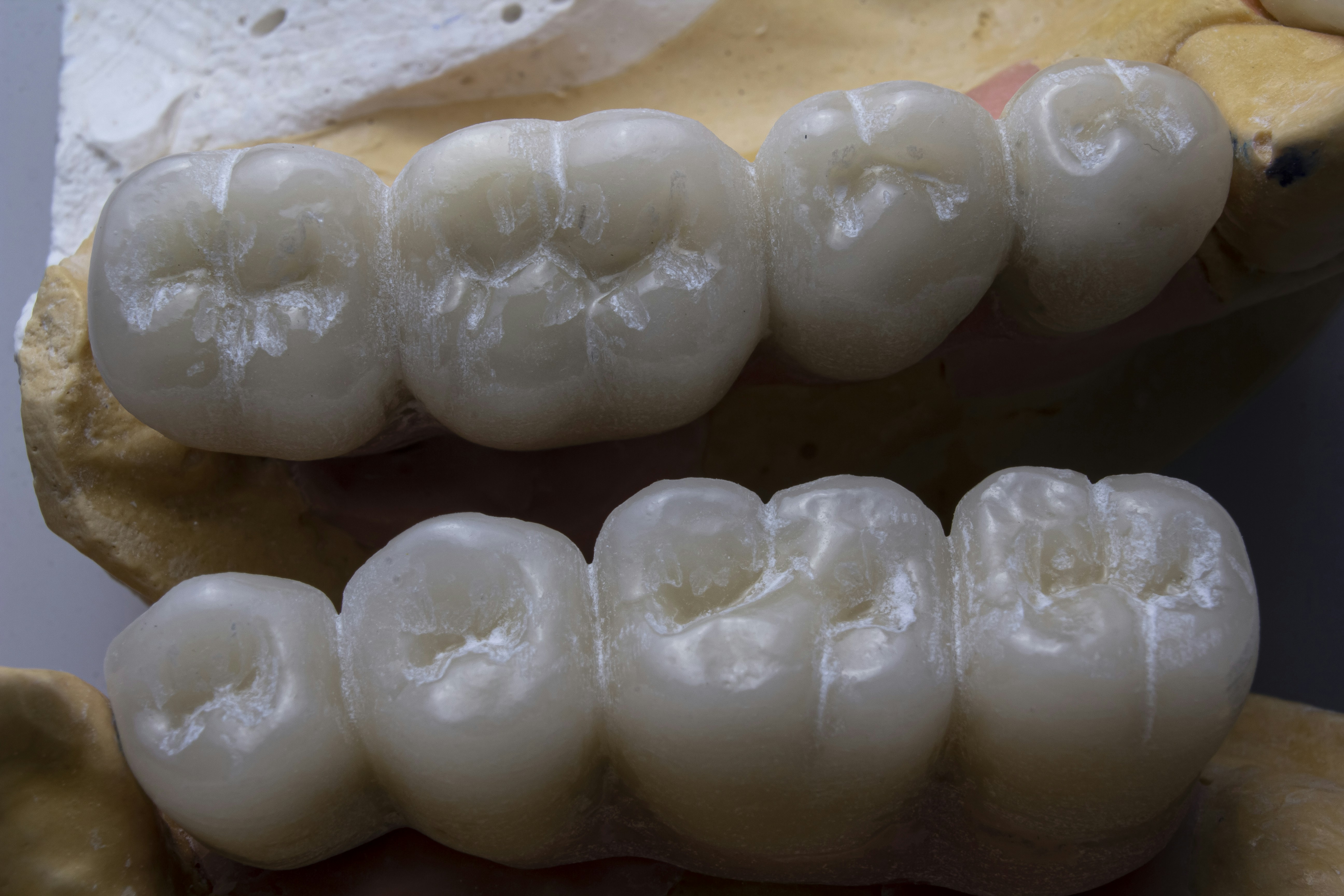
Introduction to Monolithic Zirconia Bridge
Monolithic zirconia bridges represent a significant advancement in dental restorative techniques, especially in the realm of prosthetic dentistry. These bridges are constructed entirely from zirconia, a highly durable ceramic material known for its high strength and longevity, making it a favored choice for restoring posterior teeth. The structure of monolithic zirconia allows for a seamless design devoid of layering, which enhances its overall strength and minimizes the risk of fracture, a common concern in dental restorations.
The composition of zirconia is primarily based on zirconium dioxide, which has been refined to create a material that is not only robust but also aesthetically pleasing. This is particularly relevant in modern dentistry, where the demand for natural-looking restorations is paramount. Monolithic zirconia bridges effectively emulate the translucence and color of natural teeth, offering an improvement in visual appeal over traditional materials such as metal ceramics.
With the increasing emphasis on aesthetics in dental care, the popularity of zirconia bridges continues to rise. The combination of durability and aesthetic qualities makes them especially suitable for back teeth restorations where functional demands are high. Patients benefit from the resilience of these bridges, which can withstand the significant forces generated during chewing without compromising their appearance. Furthermore, the ease of fabrication of monolithic zirconia bridges contributes to their growing acceptance among dental professionals and patients alike. As these bridges are used more frequently in restorative practices, their long-term success rates and patient satisfaction will likely continue to bolster their reputation in dentistry.
Understanding the Strength of Monolithic Zirconia
Monolithic zirconia has emerged as a leading material in dental prosthetics due to its unparalleled strength and durability. One of the key attributes of monolithic zirconia is its exceptional resistance to wear and crack formation, positioning it as an ideal choice for dental bridges and other restorations. This material demonstrates remarkable flexural strength, typically exceeding 1,200 MPa. In contrast, traditional materials such as porcelain or resin can exhibit flexural strengths as low as 70-150 MPa, highlighting a significant difference in load-bearing capacity.
The advanced manufacturing processes used to create monolithic zirconia also contribute to its strength. Techniques such as computer-aided design and computer-aided manufacturing (CAD/CAM) allow for precise shaping and fitting, ensuring that the final product meets stringent durability requirements. This precision reduces the likelihood of defects that can compromise the structural integrity of the dental bridge.
Moreover, monolithic zirconia’s resistance to chipping is a major advantage when compared to porcelain, which is more susceptible to fracture under heavy biting forces. Reports indicate that restorations made from monolithic zirconia can withstand significantly higher occlusal forces, making them particularly suitable for patients who exhibit bruxism or other conditions that place excessive stress on dental structures.
Clinical studies comparing the longevity of various materials indicate that monolithic zirconia bridges not only last longer but maintain their aesthetic qualities over time. This durability further cements monolithic zirconia as a superior option, offering both function and aesthetics to patients seeking robust dental solutions.
The Aesthetic Appeal of Zirconia Bridges
Monolithic zirconia bridges are becoming an increasingly popular choice in restorative dentistry, largely due to their remarkable aesthetic qualities. One of the most significant features of these dental restorations is their natural tooth-like appearance. Zirconia, a highly durable ceramic material, can be crafted to effectively mimic the texture and color of natural teeth, making it difficult to distinguish them from surrounding dentition.
The translucency of zirconia bridges further enhances their visual appeal. Real teeth possess a certain degree of translucency, allowing light to penetrate and reflect in a way that contributes to the authentic look of healthy teeth. Monolithic zirconia bridge is specifically designed to replicate this effect. Unlike traditional porcelain veneers, which may appear opaque or artificial, zirconia bridges offer a lifelike quality that patients find appealing.
Additionally, the color matching capabilities of zirconia bridges are exceptional. Dental professionals utilize advanced shading techniques to ensure that the final restoration matches the patient’s natural tooth color precisely. This attention to detail allows for a harmonious blend with existing teeth, ultimately aiding in achieving an overall aesthetic harmony in the patient’s smile. As a result, patients seeking both functionality and beauty in their dental treatments often turn to monolithic zirconia bridges.
In conclusion, the aesthetic properties of monolithic zirconia bridges—encompassing their natural appearance, translucency, and color matching versatility—make them an ideal choice for individuals prioritizing both the strength and aesthetic aspects of their dental restorations.
Comparison with Other Dental Materials
Monolithic zirconia bridges have rapidly gained popularity in dental restorative procedures due to their remarkable properties. When comparing monolithic zirconia to traditional dental materials, such as porcelain-fused-to-metal (PFM) and composite resin, several factors including strength, aesthetics, and longevity emerge as critical determinants.
Firstly, regarding strength, monolithic zirconia exhibits superior fracture resistance compared to PFM and composite resin. Zirconia’s inherent strength allows it to withstand biting forces effectively, making it suitable for high-stress areas in the mouth. In contrast, PFM, while strong, is prone to chipping of the porcelain layer, which can compromise longevity and aesthetic appeal. Composite resin, although aesthetically pleasing, lacks the durability and resistance to wear exhibited by zirconia, making it a less ideal option for long-term restorations.
Aesthetically, both monolithic zirconia and porcelain hold competitive advantages, yet they cater to different needs. Monolithic zirconia bridges can achieve a natural appearance with advancements in shading and translucency techniques. However, the aesthetic output may not rival that of high-quality PFM, which can mimic natural tooth color and translucency effectively. Composite resins can also provide a good aesthetic finish for marginal restorations, but they are more susceptible to staining and may not maintain their appearance over time as effectively as zirconia or porcelain.
Longevity is another essential consideration. Monolithic zirconia bridges are known for their durability and resistance to wear, often lasting well beyond the lifespan of PFM and composite resin alternatives. PFM bridges typically have a good lifespan but can deteriorate due to the porcelain layer chipping. Composite resins, on the other hand, generally have a shorter lifespan due to their potential for wear and staining, which can necessitate more frequent replacements.
In conclusion, while monolithic zirconia bridges provide impressive strength and longevity, they may not always match the aesthetic appeal of PFM in certain cases. Composite resins offer a temporary solution for aesthetic concerns but fall short in durability compared to zirconia. As such, the choice between these materials should be tailored to the specific clinical needs and preferences of the patient.
Applications of Monolithic Zirconia Bridges
Monolithic zirconia bridges have emerged as a significant advancement in restorative dentistry, particularly for posterior teeth, where strength and durability are crucial. These bridges are primarily utilized in clinical scenarios where patients require robust and aesthetically pleasing solutions for tooth loss or significant decay. The inherent properties of zirconia make it an ideal choice for areas subject to high occlusal forces, resulting in minimal wear against opposing teeth.
One of the outstanding clinical applications of monolithic zirconia bridges is in the rehabilitation of patients with extensive tooth wear or fractures, which are common in molar regions. In such cases, these bridges can restore functionality, allowing for better mastication and comfort. Additionally, individuals suffering from bruxism, or teeth grinding, often benefit from the resilience of zirconia, as it can withstand the significant stresses associated with this condition.
Moreover, monolithic zirconia bridges are particularly advantageous for patients with limited space or those requiring shorter span restorations. The bridges are less prone to chipping compared to traditional ceramic options, ensuring a longer lifespan and reduced need for replacements. This feature not only enhances patient satisfaction but also represents a cost-effective solution for both patients and dental practitioners.
Patients with specific aesthetic concerns can also benefit from monolithic zirconia bridges. Although their opaque qualities may pose challenges in anterior applications, advancements in the material’s shade options allow for better aesthetic outcomes in the posterior area, effectively meeting the desires of the patient for natural-looking restorations.
In conclusion, monolithic zirconia bridges present substantial advantages in numerous clinical situations, particularly for posterior teeth restoration. Their strength, durability, and aesthetic versatility cater to a diverse range of patients, making them an optimal choice in modern dentistry.
Long-term Durability and Maintenance
Monolithic zirconia bridges have gained significant popularity in modern dentistry due to their superior strength and aesthetic appeal. One of the most compelling attributes of these dental restorations is their long-term durability. Made from high-density zirconia, they are less susceptible to wear and fracture compared to traditional porcelain-fused-to-metal bridges. This high strength means that monolithic zirconia can withstand the biting forces experienced in daily chewing, making them particularly suitable for patients with a strong bite or those prone to bruxism.
According to dental professionals, the longevity of monolithic zirconia bridges often extends beyond 10 to 15 years, given proper care and maintenance. Regular dental check-ups and cleanings are essential to monitor the condition of these restorations. During these appointments, dentists can evaluate the integrity of the zirconia material, ensuring that no underlying issues arise. Furthermore, the smooth, non-porous surface of zirconia minimizes plaque accumulation, which is advantageous for maintaining periodontal health.
In terms of maintenance, patients are advised to adopt a diligent oral hygiene routine that includes brushing twice daily and flossing. Dental professionals recommend using non-abrasive toothpaste to prevent scratching on the zirconia surface. Additionally, patients should avoid using hard-bristled toothbrushes, as they can negatively impact the surface finish of the zirconia material over time.
While monolithic zirconia bridges are designed for durability, some may experience wear or discoloration from extrinsic factors such as dietary choices and tobacco use. Regular visits to the dentist for polishing or adjustments can help maintain the appearance and functionality of these restorations. In essence, with appropriate care, monolithic zirconia bridges can provide both aesthetic appeal and robust durability for years to come.
Patient Experience and Satisfaction
The introduction of monolithic zirconia bridges in dental restorations has had a significant impact on patient experience and satisfaction. Numerous surveys and testimonials indicate that patients appreciate not only the strength of these restorations but also their aesthetics and comfort. Comparative studies show that patients often report higher satisfaction levels when treated with monolithic zirconia compared to traditional materials.
One noteworthy aspect of patient feedback highlights comfort. Patients often describe monolithic zirconia bridges as feeling more natural compared to older materials. A survey conducted among 500 patients indicated that over 85% reported little to no discomfort after the procedure, which is a remarkable improvement from earlier alternatives. This enhanced comfort is attributed to the precise fit and the smooth surface of the zirconia material, which minimizes irritation to gums and oral tissues.
Aesthetics is another area where patients express considerable gratification. The dental industry’s advancements have allowed for monolithic zirconia bridges to exhibit a lifelike appearance. Many patients emphasize the realism and translucency that zirconia bridges provide, making it difficult to distinguish between natural teeth and restorations. Testimonials from patients often describe how they can smile more confidently, boosting their self-esteem and enhancing their overall quality of life.
Moreover, long-term satisfaction appears to be a significant trend, as many individuals note the durability of monolithic zirconia bridges in their testimonials. Patients appreciate the reduced need for replacements and repairs as these bridges hold up well against wear and tear. Overall, this evidence suggests that monolithic zirconia bridges do not only meet the functional requirements but also fulfill aesthetic desires, leading to high levels of patient satisfaction post-restoration.
The Future of Dental Restorations
The landscape of dental restorations is undergoing a significant transformation, propelled by ongoing advancements in materials and techniques. Among these materials, monolithic zirconia is emerging as a leading choice due to its exceptional strength and aesthetic qualities. As dental professionals strive for outcomes that blend durability with visual appeal, the evolution of zirconia products plays a pivotal role in shaping the future of restorative dentistry.
Recent developments in dental technology have facilitated the enhanced utilization of zirconia in various restorative procedures. Innovations in manufacturing processes, such as computer-aided design and computer-aided manufacturing (CAD/CAM), allow for the precise fabrication of monolithic zirconia restorations. This process not only increases efficiency but also reduces the margin for error, ensuring more predictable results for clinicians and better outcomes for patients.
Moreover, advancements in surface treatment techniques are enhancing the bond strength of zirconia restorations to tooth structures. Surface modifications, such as air abrasion and the application of bonding agents, improve retention and longevity, mitigating common complications associated with traditional restorative materials. These improvements make monolithic zirconia a compelling option for a wide range of applications, from single crowns to full-arch restorations.
As the field continues to evolve, the integration of digital workflows in dental practices promises to streamline the restoration process further. The shift towards digital impressions and virtual simulations not only improves patient experience but also allows for greater customization of zirconia restorations. This shift reflects a broader trend in dentistry’s move towards patient-centered, technology-driven solutions.
Overall, the future of dental restorations will likely see monolithic zirconia cement its status as a premier material choice, driven by ongoing technological innovations and a growing emphasis on aesthetic outcomes. This trajectory not only signifies a promising future for dental restorations but also highlights the need for continuous research and development in zirconia and other emerging materials.
Conclusion: Why Choose Monolithic Zirconia Bridges
In the realm of dental restorations, monolithic zirconia bridges stand out for their remarkable combination of strength and aesthetics. Their inherent durability is a crucial factor, ensuring they can withstand significant bite forces while maintaining their shape and function over time. Unlike traditional materials, monolithic zirconia is resistant to chipping and cracking, making it an ideal choice for long-term dental solutions.
Aesthetically, monolithic zirconia bridges are designed to mimic the natural appearance of teeth. Their lifelike translucency and ability to blend seamlessly with surrounding dental structures make them a favored option among patients seeking natural-looking results. More importantly, the advancement in zirconia technology allows for customization in color and shading, providing patients with tailored solutions that meet their unique dental needs.
Furthermore, the biocompatibility of zirconia minimizes the risk of adverse reactions, promoting overall oral health. The material is not only strong and durable but also physiologically friendly, making it suitable for most patients seeking restorative dentistry. Its resistance to plaque accumulation further supports the longevity of monolithic zirconia bridges, which is advantageous for maintaining oral hygiene.
Considering these factors, it is clear that monolithic zirconia bridges present a comprehensive solution for individuals in need of dental restorations. Their strength, aesthetic appeal, and functional benefits place them at the forefront of modern dental technology. It is advisable for individuals to consult with their dentist to discuss how monolithic zirconia can enhance their dental experience. This approach will ensure informed decision-making, tailored to individual needs, leading to optimal outcomes in dental health and aesthetics.