Introduction to Benefits of Zirconia Dental Bridges
Dental bridges are a common restorative dental solution designed to replace one or more missing teeth, effectively bridging the gap created by tooth loss. The primary purpose of a dental bridge is to restore the functionality of the mouth, making it easier for individuals to chew and speak. Additionally, bridges enhance aesthetic appeal and help maintain facial structure by preventing the remaining teeth from shifting out of place.
Dental bridges can be classified into several types, including traditional, cantilever, and Maryland bridges. Each type serves a similar function but may differ in design and application depending on the specific needs of the patient. The most commonly used materials for constructing dental bridges include porcelain-fused-to-metal (PFM), resin, and zirconia. While PFM bridges have been widely adopted for their strength and durability, they come with certain disadvantages that warrant consideration.
One of the most significant drawbacks of PFM bridges is the potential for a metallic taste in the mouth, which can occur due to the metal components used in their construction. Additionally, PFM bridges may not blend seamlessly with natural teeth, leading to visible differences in appearance. This can be particularly concerning for individuals who prioritize aesthetics in their dental treatments. In contrast, newer materials, such as zirconia, offer various benefits, including a more natural appearance and reduced risk of taste interference. As patients become increasingly informed about their options, the interest in zirconia dental bridges has surged, indicating a preference for materials that align more closely with both functionality and aesthetics.
The metallic taste often experienced by individuals with metal dental work can be attributed to several factors, leading to discomfort and even impairment in the overall quality of life. One significant cause of this sensation is metal allergies. Materials such as nickel, cobalt, and chromium, commonly used in dental alloys, can trigger allergic reactions in some patients. This reaction results in a metallic taste, potentially exacerbating a pre-existing sensitivity or condition.
Another important factor is the interaction between saliva and metal alloys. When metal dental bridges are placed in the mouth, saliva can react with the metallic components. This process, known as galvanic reaction, occurs when different metals come into contact with each other, resulting in a release of metallic ions into the saliva. Subsequently, these ions may lead to a tingling or metallic taste, further contributing to the discomfort experienced by the patient.
Additionally, the psychological impact of taste cannot be disregarded. The perception of taste is closely linked with one’s overall oral health and emotional well-being. A persistent metallic taste can lead to increased anxiety, affecting an individual’s eating habits and social interactions. Such feelings can derail one’s confidence and enthusiasm about oral hygiene practices, further impacting health. In many cases, the psychological repercussions of enduring a metallic taste can be far-reaching, particularly if the individual struggles with discomfort on a daily basis.
Understanding the various causes of the metallic taste associated with metal dental work is crucial in forming effective strategies to enhance oral health and patient satisfaction. Awareness of potential allergies, chemical reactions, and psychological responses can inform decisions regarding dental materials and pave the way for alternatives such as zirconia dental bridges, known for their metal-free composition and biocompatibility.
What is a Zirconia Dental Bridge?
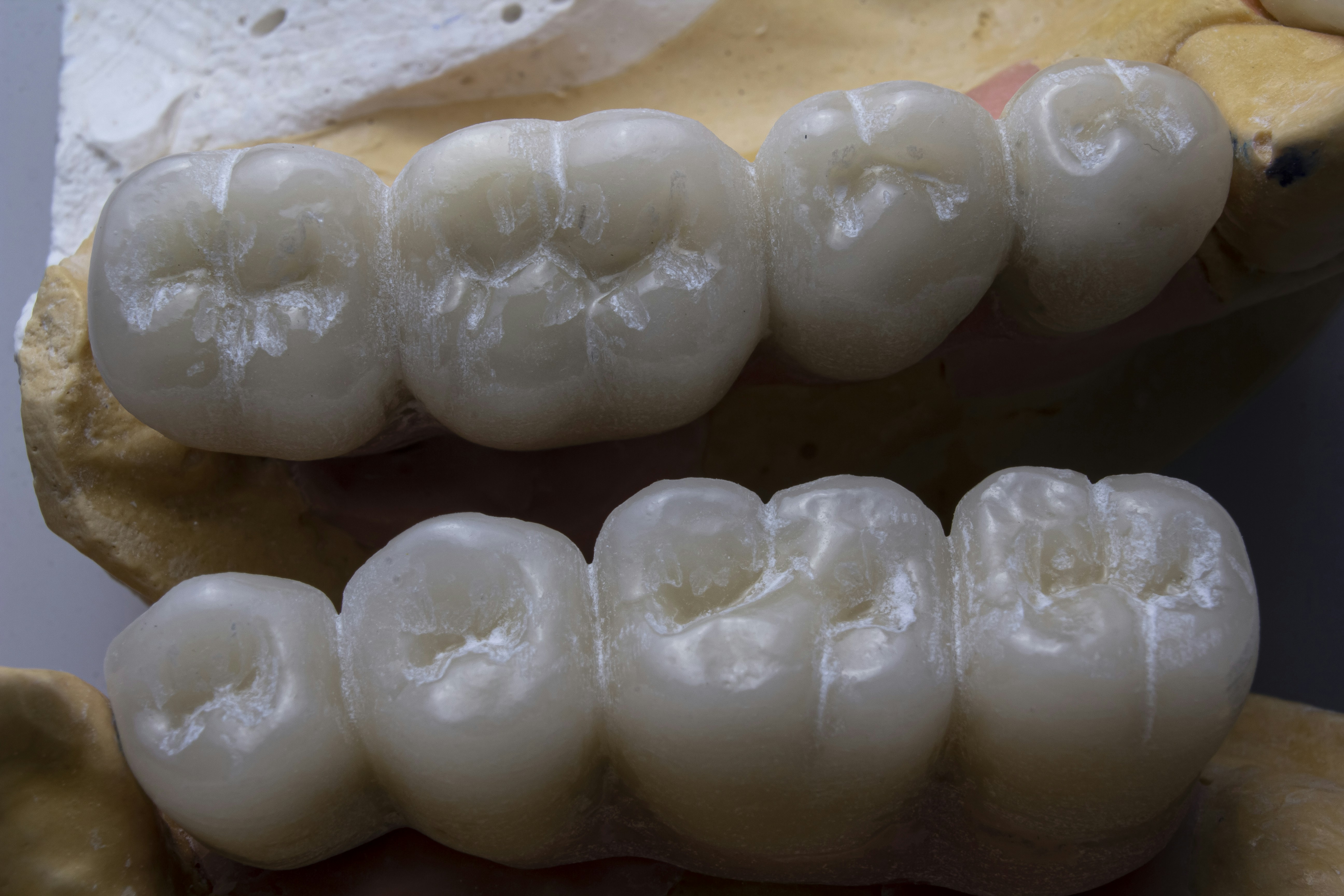
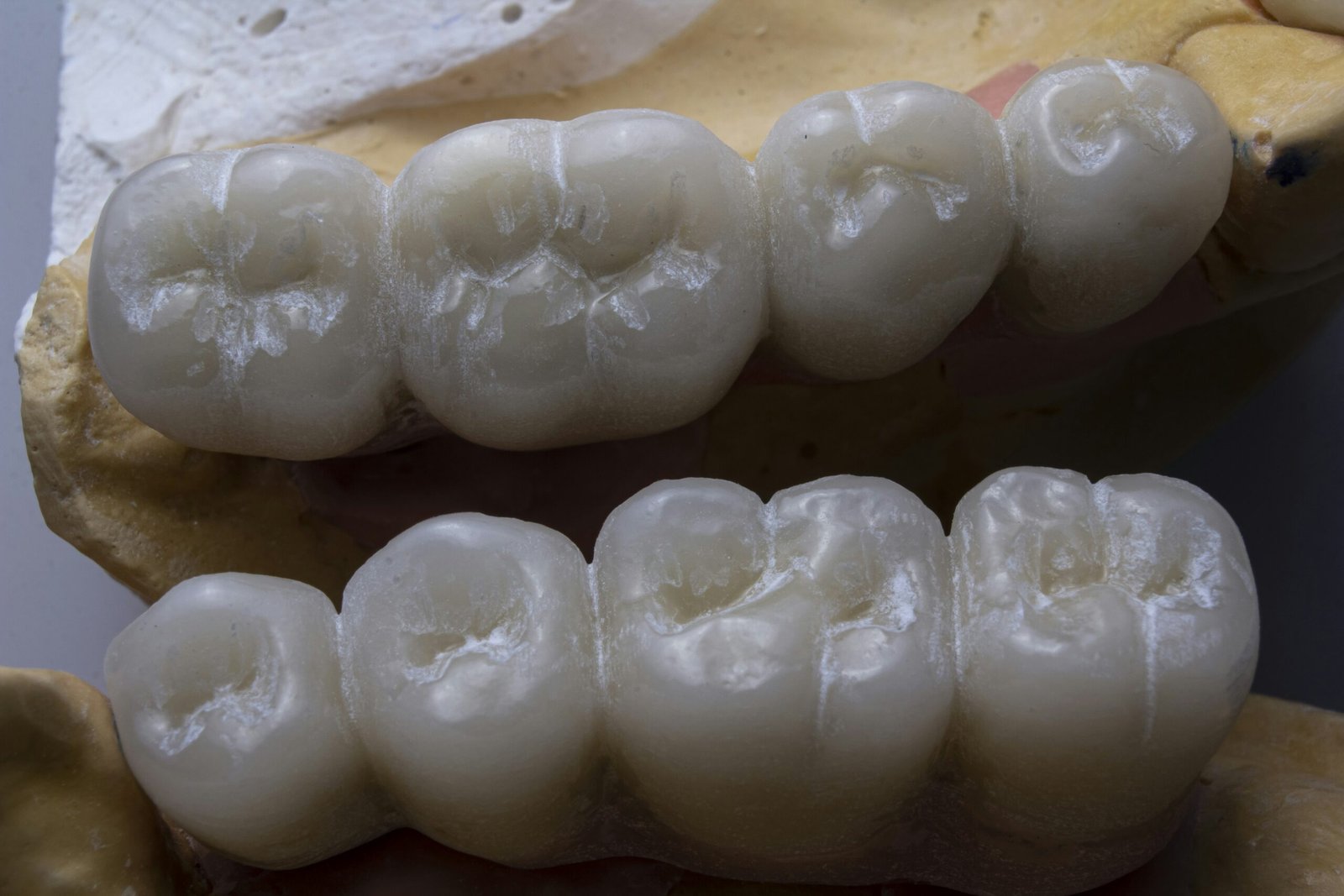
A zirconia dental bridge is a type of dental restoration that replaces missing teeth with prosthetics made primarily from zirconium dioxide, a ceramic material known for its durability and aesthetic qualities. Unlike traditional porcelain-fused-to-metal (PFM) bridges, zirconia bridges are entirely metal-free, making them a favorable option for individuals seeking a more natural appearance as well as enhanced biocompatibility. The absence of metal not only contributes to a more lifelike appearance but also helps to mitigate the risk of allergic reactions or sensitivity that some patients may experience with metal components.
Zirconia, a robust material, boasts impressive strength and resilience, making it highly suitable for dental applications. This strength enables zirconia bridges to withstand significant biting forces, reducing the likelihood of chipping or breaking compared to other materials. Additionally, zirconia can be custom-colored to match the surrounding teeth, helping to achieve a seamless integration with one’s smile.
The growing acceptance of zirconia in restorative dentistry can be attributed to the material’s excellent aesthetic and mechanical properties. Dentists and patients alike are increasingly choosing zirconia dental bridges due to their natural appearance along with their superior longevity. Recent technological advancements have further enhanced the manufacturing process of these bridges, leading to improved precision and fit. This means that not only do zirconia bridges look like natural teeth, but they also provide a functional, long-lasting solution for those who have lost teeth. Overall, the trend towards zirconia dental bridges reflects an evolving understanding of patient preferences and the importance of combining functionality with aesthetics in dental restorations.
Benefits of Switching to Zirconia Bridges
Transitioning from porcelain-fused-to-metal (PFM) dental bridges to zirconia dental bridges offers numerous advantages that enhance both the functionality and aesthetics of dental restoration. One of the most significant benefits of zirconia bridges is the elimination of the metallic taste that some patients experience with PFM bridges. This metallic taste can be unpleasant and often leads to dissatisfaction with the dental prosthetic. Zirconia bridges are made entirely of ceramic material, ensuring a taste-free experience, which contributes positively to the overall comfort of the patient.
Another crucial benefit is the aesthetic quality of zirconia. Zirconia bridges can be expertly crafted to closely match the natural color of the patient’s teeth, making them virtually indistinguishable from surrounding dentition. Dental aesthetics play a vital role in patient satisfaction, and zirconia’s ability to blend seamlessly allows individuals to smile confidently without fear of their dental work being noticeable.
Furthermore, zirconia bridges overcome the common issue of dark gum lines, which are often associated with the metal bases of PFM bridges. Over time, the metal can show through the gums and lead to an unsightly appearance. By using a zirconia base, patients can enjoy a more natural gum line and overall better appearance of their smile. The biocompatibility of zirconia also minimizes the risk of gum irritation and promotes healthier tissue response compared to metal alternatives. These factors combined underscore the compelling reasons to consider switching to zirconia bridges for dental restoration needs, allowing patients not only improved functionality and aesthetics but also enhanced comfort and confidence in their dental health.
Comparative Analysis: PFM vs. Zirconia Bridges
Dental bridges serve as an effective solution for patients with missing teeth, with two prominent materials utilized in construction: porcelain-fused-to-metal (PFM) and zirconia. Both options provide distinct advantages, but a comparative analysis reveals key differences in durability, comfort, maintenance, and overall patient satisfaction.
Durability stands as a cornerstone in the evaluation of dental bridges. PFM bridges feature a metal substructure that gives them considerable strength, often lasting a decade or longer with proper care. However, the metal core can sometimes lead to a noticeable gray line at the gum line, potentially affecting aesthetics. In contrast, zirconia bridges are well-regarded for their robustness, offering superior strength and fracture resistance without compromising the appearance. The absence of metal in zirconia bridges ensures a more natural look, particularly beneficial for anterior teeth.
Comfort and fit are also crucial factors for patients. PFM bridges, while generally well-tolerated, can sometimes lead to sensitivity or discomfort due to the metal base reacting to temperature changes. Conversely, zirconia bridges tend to provide a more comfortable experience with minimized chances of irritation, as they are biocompatible and less likely to provoke an adverse reaction.
Maintenance and hygiene practices differ between the two types as well. PFM bridges may accumulate plaque more readily due to the rough surface of the metal, necessitating diligent oral hygiene to avoid decay in the supporting teeth. On the other hand, zirconia’s smooth surface makes it less prone to staining and easier to maintain. Consequently, many patients report higher satisfaction levels with zirconia bridges, not only due to their aesthetics but also owing to their ease of care and comfort throughout the dental restoration period.
In conclusion, while both PFM and zirconia bridges hold significant advantages, the latter emerges as a preferred choice for many individuals. The combination of aesthetic appeal, comfort, durability, and ease of maintenance positions zirconia bridges as a favorable alternative, particularly for those seeking to eliminate the undesirable metal taste associated with traditional options.
Who is an Ideal Candidate for Zirconia Bridges?
Zirconia dental bridges serve as an effective solution for individuals seeking a durable and aesthetically pleasing alternative to traditional metal bridges. Ideal candidates for these bridges typically exhibit good overall oral health, which includes maintaining diligent oral hygiene practices and having untreated gum disease or tooth decay addressed prior to any restorative procedures.
Furthermore, individuals who have lost one or more teeth due to decay, trauma, or other dental issues may find zirconia bridges particularly advantageous. Unlike metal options, zirconia offers a natural appearance that makes it appealing to those concerned about the visibility of dental prosthetics. Patients with metal allergies or sensitivities may also prefer zirconia, as it is biocompatible and free of metal components.
Personal preferences significantly influence the candidacy for zirconia dental bridges. Those who prioritize aesthetics alongside functionality will likely be drawn to zirconia due to its tooth-like color and translucency. Moreover, individuals who have had negative prior experiences with metal-based dental treatments may prefer zirconia bridges for their natural feel and reduced risk of adverse side effects.
The consultation process plays a crucial role in determining the suitability of zirconia for each patient. During this initial visit, dentists evaluate various factors, including the condition of adjacent teeth and gums, the patient’s bite, and any underlying health concerns. Diagnostic imaging and thorough assessments provide insights that aid in deciding the best course of action for restoration. It is essential for candidates to discuss their dental history openly, as previous treatments and experiences can significantly impact the choice of materials and techniques employed. This collaborative discussion ensures that dental professionals can tailor solutions that best meet the needs of each individual.
What to Expect During the Procedure
When considering a zirconia dental bridge, patients can expect a multi-step process that begins with an initial consultation. During this appointment, the dentist will evaluate the patient’s oral health and discuss the advantages of zirconia bridges. This is a crucial step as it allows the dentist to determine if the patient is a suitable candidate for this type of dental restoration.
Following the consultation, the next step involves taking precise impressions of the patient’s teeth. These impressions are essential for creating a custom fit for the zirconia bridge, ensuring it seamlessly integrates with the patient’s existing dental structure. Advanced digital imaging may be utilized to enhance the accuracy of these impressions.
Once the impressions are complete, the preparation of the existing teeth begins. This process often entails the removal of a small amount of enamel from the adjacent teeth to accommodate the bridge. The amount of preparation required will depend on the specific case and the number of teeth that the bridge will span. It is vital for patients to understand that this step may involve some temporary discomfort, but local anesthesia is typically administered to manage pain.
After preparing the teeth, a temporary bridge may be placed to protect the exposed surfaces until the permanent zirconia bridge is ready. The final step is the fitting of the zirconia bridge itself, which involves the dentist ensuring that it fits comfortably in the mouth. Adjustments can be made at this time to guarantee the optimal fit and function. Once satisfied, the permanent bridge is securely cemented in place, providing a durable and aesthetically pleasing solution. Overall, patients can anticipate a thorough and structured approach, resulting in enhanced oral function and appearance.
Aftercare Tips for Your Zirconia Bridge
After the placement of a zirconia dental bridge, proper aftercare is essential to ensure its longevity and maintain your oral health. One of the primary considerations for aftercare involves oral hygiene practices. Patients are advised to continue with their regular brushing and flossing routines, focusing on the bridge and the surrounding teeth. Use a non-abrasive toothpaste and a soft-bristled toothbrush to avoid damaging the zirconia surface. It may be beneficial to incorporate an antimicrobial mouth rinse into your routine to reduce plaque buildup.
Dietary habits also play a crucial role in aftercare. Immediately following the procedure, it is advisable to consume softer foods to provide comfort during the initial healing phase. Gradually, you can reintroduce a normal diet, but it is best to avoid exceptionally hard or sticky foods, as these can put undue stress on the dental bridge. Additionally, steering clear of excessive sugars can prevent dental caries and promote overall oral health.
Regular dental check-ups cannot be overstated in importance as part of post-procedure care. Scheduling visits with your dentist every six months allows for a professional assessment of your zirconia bridge, ensuring that it remains intact and functioning properly. During these appointments, your dental health can be monitored, and any minor issues can be addressed before they become major concerns.
In summary, following these aftercare tips can significantly improve the lifespan and comfort of your zirconia dental bridge. Being proactive with oral hygiene, making thoughtful dietary choices, and maintaining regular dental appointments is critical to safeguarding your investment in dental health.
Conclusion: A Lasting Solution to Dental Metal Taste
In summary, the persistent metal taste associated with traditional dental appliances can negatively impact one’s quality of life. This unpleasant sensation often arises from the presence of metal compounds in dental work, which can interfere with taste perception and overall dental comfort. Fortunately, zirconia dental bridges present an innovative solution to this issue. Made from high-quality, biocompatible materials, zirconia eliminates the risk of metallic taste while providing exceptional durability and aesthetic appeal.
Zirconia dental bridges mimic the look and feel of natural teeth, allowing for a seamless transition in dental aesthetics. Their ability to resist staining and their exceptional strength not only enhance the functionality of dental restorations but also positively influence patients’ self-esteem. The smooth, non-porous surface of zirconia further reduces the likelihood of plaque accumulation, contributing to improved oral hygiene and health.
As dental technology continues to advance, professionals are increasingly recognizing the benefits of using zirconia in restorative dentistry. For patients experiencing discomfort due to metal taste or considering replacements for traditional bridges, consulting with a qualified dentist about zirconia options is highly advisable. Each individual’s dental situation can vary, making personalized treatment essential for achieving optimal results.
In conclusion, by choosing zirconia dental bridges, patients can enjoy a comfortable and aesthetically pleasing alternative to metal options, thereby alleviating the unpleasant metal taste while ensuring long-lasting dental health. The integration of zirconia into modern dental practice represents a significant step forward in addressing patient concerns and enhancing overall treatment satisfaction.