Understanding Cheap Zirconia Bridge
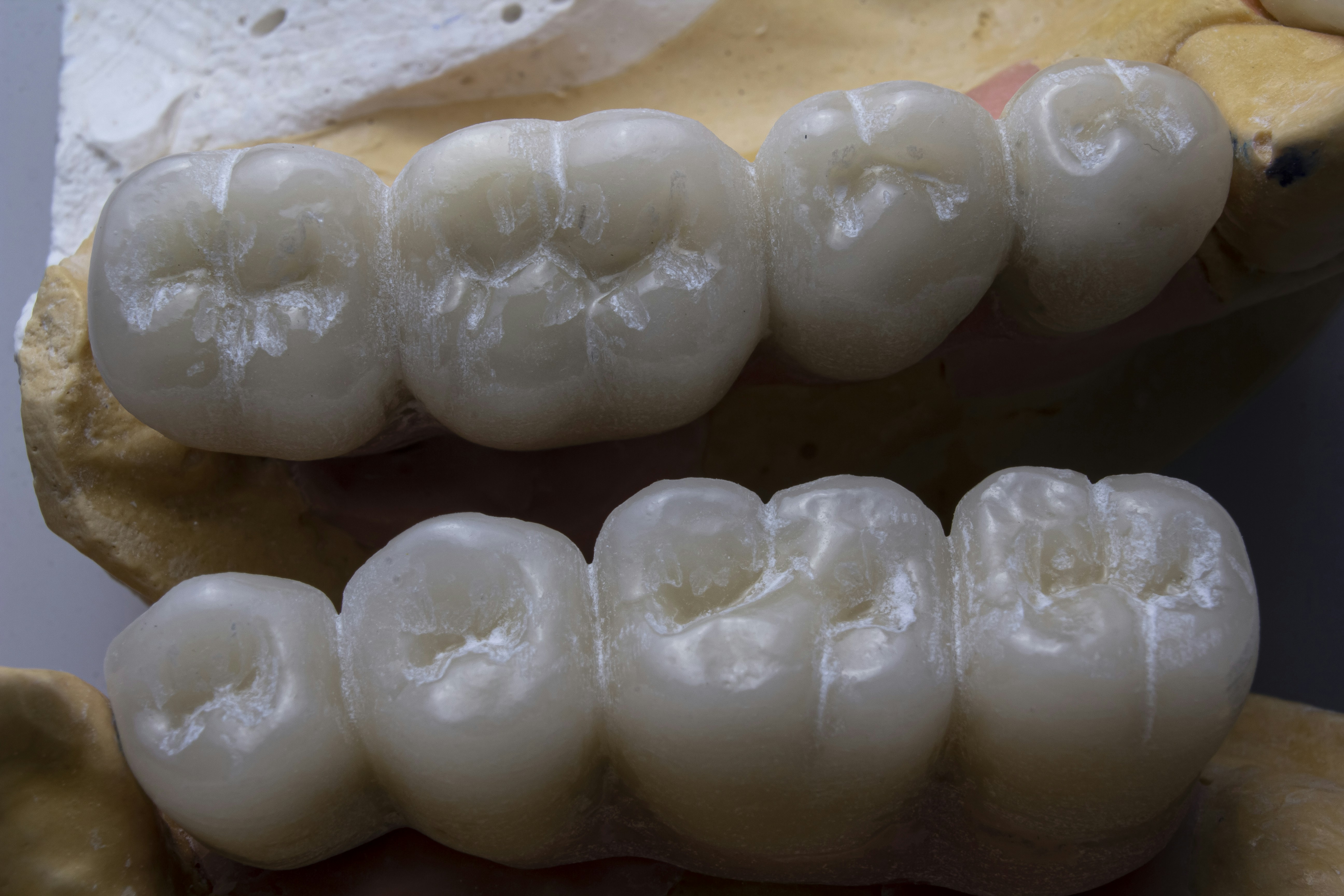
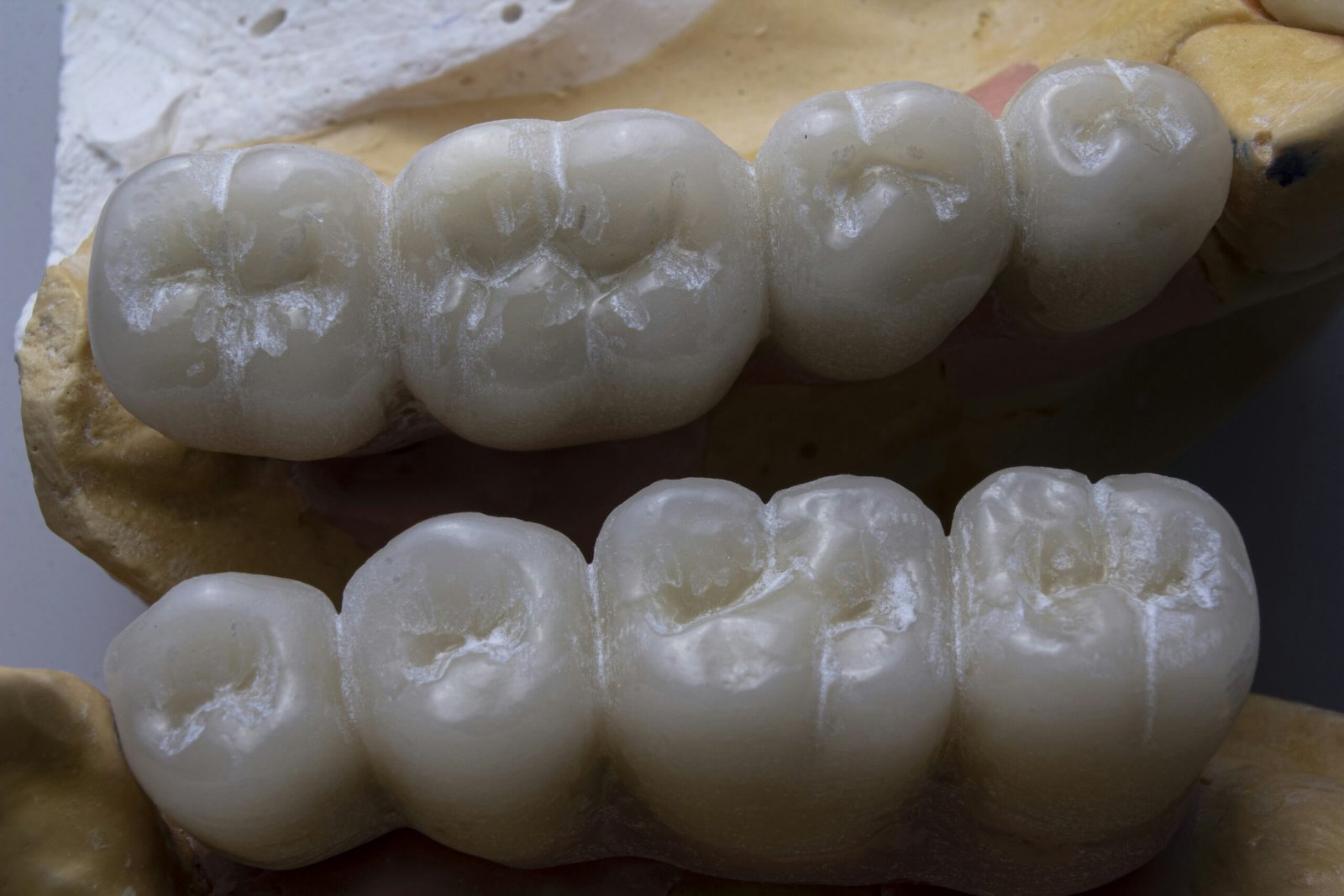
Zirconia bridges represent a significant advancement in dental restoration, characterized by their durability and aesthetic appeal. These dental prostheses are composed of zirconium dioxide, a ceramic material known for its high strength and biocompatibility. Unlike traditional materials such as metal, zirconia is less likely to cause allergic reactions and offers a more natural appearance, closely resembling the color of natural teeth.
The functionality of zirconia bridges involves their use in replacing missing teeth and restoring the structure of the mouth. They are typically used when a patient is missing one or more teeth and seeks a durable, long-lasting solution. The zirconia material allows for the creation of a strong, stable bridge that can withstand the forces of chewing while also providing a natural-looking smile.
Over the years, zirconia has gained immense popularity among dental professionals and patients alike. This surge can be attributed to its superior mechanical properties, such as fracture resistance and the ability to withstand wear over an extended period. Additionally, zirconia is easy to work with during the fabrication process, allowing for more precise fittings and better overall results compared to conventional materials.
However, it is essential to recognize that not all zirconia bridges are created equal. The quality of the zirconia used can significantly affect the outcome of the dental restoration. Innovative techniques and superior-grade materials can make a difference in both the aesthetics and longevity of the bridge. Therefore, patients seeking dental implants should consult with their dental care providers to understand the quality and origins of the zirconia being utilized in their treatment.
The Importance of Material Quality
In the realm of dental restorations, such as zirconia bridges, the quality of the material plays a significant role in determining both the performance and longevity of these appliances. Zirconia ceramics have emerged as a popular choice in dentistry due to their aesthetic appeal and impressive mechanical properties. However, not all zirconia materials are created equal, and understanding the various types available is essential for making informed decisions.
The quality of zirconia can be assessed using several critical metrics, including density, translucency, and strength. High-density zirconia tends to exhibit superior durability, making it less prone to wear and fracture under masticatory forces. Strength is another crucial factor; a zirconia bridge requires sufficient mechanical strength to withstand the rigors of everyday use without compromising functionality.
Translucency is also an important characteristic, particularly in aesthetic procedures. A highly translucent zirconia material can better mimic the appearance of natural teeth, providing a more appealing and lifelike restoration. This is especially relevant in cases involving anterior teeth, where aesthetics are of utmost importance.
Choosing lower-quality zirconia may save costs initially but can lead to more significant issues down the line. Appliances made from inferior materials may not only exhibit reduced performance but can also compromise patient safety due to increased breakage rates. Furthermore, such risks might necessitate repeated procedures, ultimately leading to higher long-term costs and patient dissatisfaction.
In conclusion, the significance of high-quality zirconia materials cannot be overstated. Investing in superior zirconia ceramics for dental applications ensures not only the longevity and effectiveness of restorations but also the overall safety of patients. It is advisable for dental professionals and patients alike to prioritize material quality to achieve optimal results in dental restorations.
The Risks of Low-Quality Zirconia
Opting for cheap zirconia bridges may seem financially attractive initially, but the hidden risks associated with low-quality materials can lead to significant complications. One of the primary concerns is structural failure. Low-grade zirconia may lack the necessary durability and strength, making it susceptible to chipping or breaking under normal biting forces. This imperfection leads to the need for costly replacements or repairs, which ultimately nullifies any initial savings.
Moreover, wear is another critical issue. Inadequate quality zirconia can wear down natural teeth more quickly than higher-quality alternatives. This phenomenon is particularly alarming as it can lead to an increased risk of tooth sensitivity and the potential for additional dental treatments. Research indicates that inferior zirconia can cause excess abrasion and enamel reduction, ushering patients toward further dental issues.
Adverse reactions to low-quality zirconia are also noteworthy. Patients may experience allergic reactions or sensitivities to the materials used in poorly manufactured zirconia bridges. There are documented cases where individuals have suffered from gum irritation and inflammation due to low-quality dental work, leading to discomfort and compromised oral health. A study published in the Journal of Prosthetic Dentistry highlighted cases of patients who faced significant complications from low-cost zirconia products, stressing the importance of selecting reputable manufacturers.
In light of these risks, it is essential to harbor caution when choosing affordable zirconia bridges. While the upfront costs may be appealing, the long-term implications of investing in lower-quality dental solutions often outweigh the temporary financial benefits. It is advisable to consult a qualified dental professional and opt for zirconia from well-established sources that meet industry standards for quality and safety.
Identifying Cheap Zirconia Products
As patients increasingly consider zirconia bridges for their dental needs, recognizing cheap or low-quality zirconia products becomes essential. Low-cost options may tempt patients; however, these products often compromise both durability and aesthetics. One of the first indicators of low-quality zirconia is its translucency. High-quality zirconia exhibits a natural appearance, blending seamlessly with surrounding teeth. If the dental provider presents a product that appears too opaque or unnatural, it could be a sign of subpar material.
Next, inquiring about the manufacturer’s reputation can provide insights into the quality of zirconia being used. Reputable manufacturers typically adhere to strict production standards and invest in thorough quality control processes. Patients should not hesitate to ask their dentists about the source of the zirconia. Furthermore, ensure that the products have appropriate certifications, such as ISO 13485, which indicates compliance with international standards for medical devices. This certification suggests that the product has undergone rigorous testing.
Additionally, it is prudent for patients to inquire about the specific properties of the zirconia being utilized. Providers should be able to discuss the material’s strength, hardness, and resistance to cracking or chipping. Recognizing the engineering behind high-quality zirconia can equip patients to differentiate between reliable products and those that are merely low-cost alternatives.
Finally, patients should consider the overall value rather than just the price. A cheaper zirconia bridge may initially save money, but if it leads to complications or replacements, the long-term costs could outweigh initial savings. By asking the right questions, such as about warranties, laboratory partnerships, and previous patient experiences, individuals can make more informed decisions regarding their dental care.
The Role of Certified Dental Labs
When it comes to dental work, particularly the fabrication of zirconia bridges, the role of certified dental laboratories cannot be overstated. Certified dental labs are recognized for adhering to strict industry standards and regulations, ensuring that the materials and products they provide are safe and of high quality. This accreditation reflects a commitment to excellence, something essential when dealing with prosthetic components that will be integrated into a patient’s mouth.
Accreditation serves as an important benchmark against which the performance and reliability of dental labs are measured. Certified labs are typically required to follow specific protocols that include not only the use of superior materials but also stringent manufacturing processes. This is especially relevant for zirconia bridges, which demand precision in fabrication to prevent issues such as misalignment or premature wear. In contrast, cheaper alternatives often emerge from laboratories that may lack appropriate certifications, which raises concerns about the adequacy of their quality control systems.
Utilizing dental laboratories that are certified ensures that practitioners can trust the reliability of the products they receive. Many certified labs engage in continuous training and education to stay updated on the latest technologies and techniques, allowing them to produce high-quality dental restorations that meet patient specifications. Furthermore, patients are provided with peace of mind knowing that their dental restorations have been manufactured in compliance with established safety standards, minimizing risks associated with subpar materials.
Ultimately, opting for dental work through certified laboratories not only supports the use of high-quality zirconia bridges but also safeguards patient wellbeing. This foundational aspect of dental care cannot be overlooked, especially in a market where the temptation of lower costs might compromise quality. Therefore, engaging with certified dental labs represents an investment in health and safety for both dental professionals and patients alike.
Cost Analysis: Quality vs. Cheap Solutions
When considering dental restorations, such as zirconia bridges, patients often face the dilemma of opting for low-cost solutions versus investing in higher-quality alternatives. The initial allure of cheaper zirconia products can mask significant long-term cost implications that may arise from compromised quality. While a lower price point may seem attractive, understanding the overall value of dental materials is crucial.
Low-quality zirconia bridges can lead to a range of issues, including compromised aesthetics, reduced durability, and increased susceptibility to wear and fracture. This diminished performance not only leads to dissatisfaction among patients but often necessitates re-treatment, driving up costs over time. The expenses associated with replacements and repairs can quickly surpass the initial savings of choosing a cheaper option. Moreover, the potential for health impacts due to inferior materials can further complicate the cost equation.
https://zirconiabridge.blog/zirconia-dental-bridge-procedure/Patients seeking dental restorations should consider the holistic implications of their choices. A higher-quality zirconia bridge may entail a greater upfront investment but is likely to provide enhanced longevity and satisfaction. The durability of premium zirconia can reduce the need for future interventions, providing peace of mind and maintaining the integrity of a patient’s dental health.
Ultimately, the choice between a cost-effective solution and a quality investment requires careful consideration of the long-term benefits versus initial savings. A thorough analysis reveals that opting for a well-established, high-quality zirconia product can be a more economical decision in the context of overall health, satisfaction, and financial planning for dental care.
Patient Testimonials and Case Studies
In the realm of dental solutions, particularly in the case of zirconia bridges, firsthand experiences reveal the critical impact of quality on long-term outcomes. Numerous patients have shared their stories regarding the ramifications of opting for cheaper zirconia bridges, often marketed as budget-friendly alternatives. One patient recounted how a low-cost zirconia bridge, though initially appealing, led to complications that included persistent discomfort, discoloration, and an unsatisfactory fit. This ultimately necessitated multiple return visits to correct the issues, revealing that the initial savings were overshadowed by added expenses and stress.
Conversely, several individuals who invested in certified zirconia bridges have reported vastly superior experiences. A patient highlighted their journey toward choosing a reputable dental provider who utilized high-quality materials. After receiving a premium zirconia bridge, they described not only the enhanced aesthetics and comfort but also the peace of mind that accompanied their decision. Their bridge seamlessly integrated with natural teeth, providing both functionality and an improved quality of life.
Case studies further reinforce these testimonials, illustrating stark contrasts in longevity and performance between cheap and high-quality zirconia bridges. Research indicates that certified zirconia bridges can maintain their integrity and appearance for a significantly longer duration, leading to less frequent replacements and ultimately a better investment over time. Moreover, patients who chose quality often reported faster recovery periods and lesser incidences of complications, underscoring the importance of prioritizing quality over cost.
These narratives serve as powerful reminders that while affordability is a concern for many, the hidden risks of choosing a cheap zirconia bridge can lead to severe consequences. In evaluating options for dental procedures, the experiences of others can provide critical insights that emphasize the benefits of selecting high-quality products from trusted providers.
Choosing the Right Dentist
Selecting a dentist is a crucial step in ensuring optimal dental care, particularly when considering dental procedures involving materials like zirconia bridges. Patients should prioritize dentists who not only possess the proper credentials but also display a commitment to utilizing high-quality materials throughout their practices. One effective way to identify such dentist is by seeking recommendations from trusted sources. Friends, family, or even healthcare providers can offer insights into their experiences, helping to establish a shortlist of potential candidates.
Once potential dentists have been identified, it is essential to conduct diligent research. Most dental practices today maintain websites that detail their services, specializations, and the materials they use. Look for clinics that emphasize their dedication to patient care and high-quality materials. Moreover, patient reviews and testimonials can provide valuable information regarding the experiences of others and the quality of craftsmanship associated with the dentist in question.
Before committing to any procedure, patients should schedule a thorough consultation with the dentist of their choice. During this visit, patients can discuss their dental needs and ask pertinent questions regarding the materials used for procedures like zirconia bridges. Inquire specifically about the origin of the zirconia, its durability, and how it compares to other materials available. This consultation is also the ideal time to evaluate the dentist’s communication style and willingness to explain treatment options in detail.
Lastly, consider obtaining a second opinion, particularly for significant procedures. A different perspective can provide additional clarity and reinforce confidence in the chosen course of action. Ultimately, choosing the right dentist involves being proactive, educated, and thorough in the decision-making process to ensure dental work that prioritizes quality and longevity.
Conclusion: Prioritize Quality for Safety
Throughout this discussion, we have highlighted numerous risks associated with opting for a cheap zirconia bridge. While affordability may be an attractive factor, the potential complications can far outweigh the initial savings. Low-cost zirconia bridges may compromise on material quality, leading to aesthetic issues, structural instability, and, most worryingly, health risks. Ensuring long-lasting dental solutions while prioritizing your overall well-being is paramount.
One significant concern is the possibility that cheaper alternatives may use substandard materials that can cause allergic reactions or other adverse health effects. Furthermore, the craftsmanship involved in producing these bridges can vary drastically, impacting both their functionality and longevity. It is essential to remember that a properly crafted zirconia bridge can not only enhance your appearance but also improve your quality of life.
When seeking dental restorations, it is crucial to consult with certified dental professionals who can provide high-quality materials and services. Investing in a well-constructed zirconia bridge ensures that you are not only achieving a desirable aesthetic outcome but also safeguarding your dental health. Adopting this approach will minimize the risk of further dental complications and the associated costs of remedial procedures.
In conclusion, the hidden risks associated with cheap zirconia bridges are not to be taken lightly. By emphasizing quality over cost, you are making a conscious decision to protect yourself against potential pitfalls. Your dental health deserves investment; prioritize quality to ensure not only a beautiful smile but also a safe and healthy mouth.