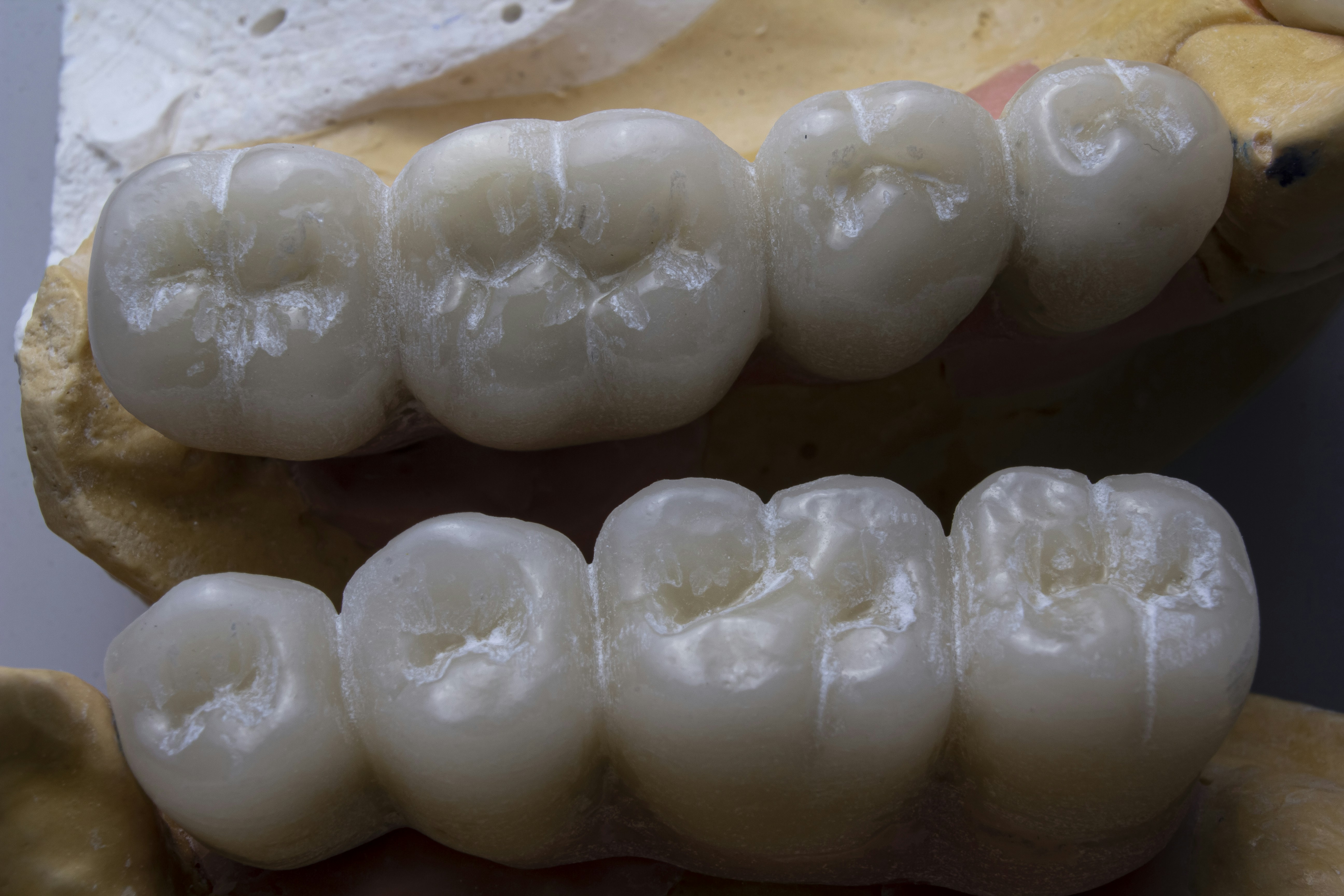
Introduction to Dental Crowns
Dental crowns play a pivotal role in restorative dentistry, serving as a reliable solution for various dental problems. These custom-made caps are designed to cover the entire visible portion of a tooth, restoring its shape, size, strength, and appearance. When a tooth is compromised due to decay, damage, or other issues, a dental crown offers the necessary protection while enhancing the tooth’s functionality.
The significance of a dental crown extends beyond aesthetics; it is a crucial component in maintaining the structural integrity of a tooth. Crowns can effectively prevent further damage by encasing weak teeth, thereby reducing the risk of fracture or loss. Additionally, they can support teeth that have undergone root canal therapy, ensuring that the treated tooth continues to function properly within the dental arch.
Common reasons for needing a crown include severe tooth decay that cannot be treated with fillings, a cracked or worn tooth requiring support, or to cover a tooth that has undergone significant restoration. Moreover, dental crowns can also be utilized to anchor dental bridges, providing stability and maintaining dental alignment. In cases of cosmetic imperfections, crowns can enhance the appearance of discolored or irregularly shaped teeth, contributing to a more harmonious smile.
Overall, understanding the various applications and benefits of dental crowns is imperative for individuals seeking solutions for damaged or decayed teeth. This introduction lays the groundwork for discussing the different types of crowns available, each offering unique materials and advantages tailored to individual dental needs.
Materials Used in Dental Crowns
The choice of material for dental crowns is critical as it greatly influences not only the functionality but also the aesthetic appeal of the dental restoration. The most commonly used materials for crowns include porcelain, ceramic, metal, and resin, each offering distinct benefits and drawbacks.
Porcelain crowns are often favored for their natural appearance, closely resembling the color and translucency of natural teeth. They are particularly suitable for front teeth restorations due to their aesthetic properties. However, porcelain can be less durable than some metal options, making them potentially less ideal for areas subject to heavy chewing forces.
Ceramic crowns, another popular choice, are similar to porcelain crowns but are often stronger and more resistant to wear. They are an excellent option for patients looking for aesthetically pleasing restorations that also offer durability, making them suitable for both anterior and posterior teeth.
Metal crowns, including those made from gold or other alloys, are known for their exceptional strength and longevity. They can withstand significant chewing pressure, making them ideal for molars. However, their metallic appearance may make them less desirable for visible areas in the mouth.
Resin crowns are less commonly used but can be a cost-effective alternative for certain situations. While more affordable, resin crowns generally wear down faster than their porcelain or metal counterparts, leading to a shorter lifespan. They are often used as temporary crowns until a more permanent solution is chosen.
In summary, the choice of material in dental crowns should be guided by factors such as location in the mouth, patient preferences, and financial considerations. Understanding the unique characteristics of each material can help patients make informed decisions about their dental treatments.
Types of dental Crowns
Dental crowns serve as a vital restorative solution in dentistry, providing both functional and aesthetic benefits. Various types of crowns are available, each with unique properties that cater to different patient needs and preferences. Understanding the differences among these crown types can aid in making informed decisions tailored to individual circumstances.
One of the most popular choices is the all-ceramic crown. These crowns are renowned for their natural appearance, making them an excellent option for front teeth restoration. Their composition allows for effective light transmission, mimicking the look of natural teeth. However, all-ceramic crowns may not be as durable as some alternatives, making them less suitable for high-bite areas.
Porcelain-fused-to-metal (PFM) crowns combine the aesthetic appeal of porcelain with the strength of metal. The metal substructure provides durability, making them a viable option for restoration in areas subjected to significant pressure. PFM crowns are optimal for posterior teeth where strength is paramount. However, they may expose a dark line at the gum line due to metal visibility as gums recede over time.
Gold crowns, while less common for visible teeth, offer exceptional strength and longevity. They resist wear and are less abrasive on adjacent teeth, making them a robust choice for restoring molars. Their aesthetic appeal is often deemed less favorable compared to ceramic options, yet they are highly effective in terms of functionality.
Resin crowns, made from composite materials, provide a cost-effective option. They can seamlessly blend with natural tooth colour, though they may wear down more quickly and are less durable than other crowns. As a temporary solution, resin crowns can be advantageous while patients consider more permanent options.
In summary, choosing the right type of dental crown hinges on a balance of aesthetic goals, durability requirements, and cost considerations. Each type possesses its unique advantages and disadvantages, catering to specific needs and preferences within restorative dentistry.
Advantages of Dental Crowns
Dental crowns offer a wide array of benefits, making them a popular choice for individuals seeking restorative dental solutions. One of the primary advantages is their ability to significantly improve the strength of a damaged tooth. Crowns are designed to encase the entire tooth structure, providing reinforcement that can withstand daily functions such as chewing and speaking. This added strength is crucial, particularly for teeth that have been compromised due to extensive decay or injury.
In addition to enhancing durability, dental crowns also play a vital role in preventing further decay. By covering vulnerable areas of a tooth, crowns offer a protective barrier against bacteria and plaque, reducing the likelihood of additional cavities forming. This preventative aspect underscores the importance of crowns in maintaining long-term oral health. Moreover, when coupled with a proper oral hygiene routine, crowns can help maintain the integrity of surrounding teeth, minimizing the risk of adjacent teeth shifting or becoming misaligned.
Another significant benefit of dental crowns is their aesthetic appeal. Modern crowns can be crafted from materials that closely mimic the natural color and translucence of teeth, resulting in a seamless appearance. This feature is especially advantageous for crowns placed in visible areas, allowing patients to smile with confidence. Moreover, crowns can restore the shape and contour of misshapen or worn-down teeth, contributing further to a harmonious smile.
Overall, the utilization of dental crowns offers a multitude of advantages that extend beyond mere restoration. They not only enhance the functionality and longevity of a tooth but also contribute positively to one’s overall oral health and aesthetic appearance.
Disadvantages of Dental Crowns
While dental crowns serve multiple purposes in restoring teeth, they come with a set of disadvantages that potential patients should consider. One of the primary concerns is the cost implications associated with the procedure. Dental crowns can be expensive, especially if they are made from high-quality materials such as porcelain or gold. These costs can add up if multiple crowns are needed, potentially making them inaccessible for some patients without dental insurance coverage.
Another factor to consider is the longevity of dental crowns. Although they are designed to be durable, crowns are not permanent solutions. Over time, they may require replacement or repair due to wear and tear, possible fractures, or decay of the underlying tooth structure. This means that patients need to factor in the future costs and maintenance that may come with having dental crowns.
There are also potential complications that may arise in the surrounding tissues. For example, if a crown does not fit correctly, it can lead to gum irritation or inflammation. Additionally, some patients may experience sensitivity or discomfort after the placement of a crown, especially if the tooth was previously sensitized due to decay or trauma. In more unfortunate cases, reactions to specific crown materials can occur, leading to allergic responses. Thus, prior to choosing a crown, patients should discuss any known allergies or sensitivities with their dental professional.
In conclusion, while dental crowns are effective in restoring function and aesthetics to damaged teeth, it is important for individuals to understand the disadvantages involved. Balancing the benefits with these potential downsides is crucial for making an informed decision regarding dental crown procedures.
Choosing the Right Crown for You
Selecting the appropriate dental crown is a crucial decision that can significantly influence both the functionality and appearance of your teeth. Several factors should be carefully considered to determine the most suitable crown type for individual needs.
First, the location of the tooth requiring restoration plays a vital role. For instance, crowns placed on front teeth typically demand a more aesthetically pleasing material, such as porcelain or ceramic, to ensure a natural appearance. Conversely, for molars that endure substantial pressure during chewing, a metal crown such as gold or a porcelain-fused-to-metal crown may be more appropriate for enhanced durability.
Moreover, a patient’s oral health status must be taken into account. Those with significant tooth decay or gum disease may need a dental crown that prioritizes resilience over aesthetics. Dentists often recommend materials that provide both strength and a degree of visibility when necessary. This emphasizes the importance of consulting with your dental professional to evaluate your oral health and get tailored recommendations.
Lifestyle factors also influence the choice of a dental crown. Patients who clench or grind their teeth may benefit from stronger materials, while those who prioritize natural appearance may opt for lifelike options. Furthermore, individual preferences regarding maintenance and longevity can also affect the decision. Some materials require more upkeep or may be more prone to staining than others.
In summary, a well-informed decision regarding dental crowns should depend on the tooth’s location, your oral health, lifestyle factors, and aesthetic desires. Consulting with a dental professional will provide personalized guidance that takes all these factors into consideration, ensuring you select the best option for your situation.
The Crown Placement Procedure
The procedure for placing a dental crown generally involves several steps, ensuring that the patient receives a crown that fits well and restores function to the tooth. Initially, a thorough evaluation of the tooth and the surrounding gums is crucial. This assessment may include X-rays to determine the extent of any decay or damage, as well as evaluating the structure of the tooth to make an informed decision regarding the type of crown required.
Once the evaluation is complete, the next step is tooth preparation. During this phase, the dentist will remove any decay and shape the tooth to accommodate the crown. This shaping allows the crown to fit securely and function correctly. If the tooth is severely compromised, a buildup may be created using composite resin to provide a stable base for the crown.
After preparing the tooth, the dentist will take an impression, which serves as a detailed model of the tooth and the surrounding area. This impression can be made using traditional materials or advanced digital scanning technology. The accuracy of the impression is vital, as it ensures that the crown will fit seamlessly over the prepared tooth.
In many cases, a temporary crown may be placed to protect the prepared tooth while the permanent crown is fabricated, which typically takes a couple of weeks. Once the permanent crown is ready, the patient will return for the final fitting. During this appointment, the dentist will carefully check the fit and alignment of the crown, make any necessary adjustments, and then bond the crown securely to the tooth. This comprehensive process ensures that the crown not only restores the tooth’s functionality but also enhances its appearance.
Cost Considerations for Dental Crowns
The expense of dental crowns can fluctuate significantly based on several factors, including the type of material used, the complexity of the case, and the geographical location of the dental practice. Generally, dental crowns can range from $800 to $3,000 per tooth, with porcelain crowns and those requiring extensive preparation typically falling on the higher end of that spectrum. Understanding these financial variables is crucial for patients considering this type of restorative dental work.
One primary factor impacting the cost is the material of the crown. Common options include porcelain, metal, and porcelain-fused-to-metal, each carrying distinct price points. Porcelain crowns tend to provide a more aesthetic finish and generally cost more due to their appearance and the difficulty in fabrication. Conversely, metal crowns, while more durable, might be less expensive. Factors such as the complexity of the tooth needing restoration also play a significant role; complex cases may require more time and resources to complete, thus resulting in higher charges.
Additionally, dental insurance can significantly influence the out-of-pocket costs for dental crowns. Many plans cover a portion of the crown’s expense, typically ranging from 50% to 80%, but coverage specifics can vary widely. It is advisable for patients to review their policy details carefully to understand the extent of their benefits and limitations. In some cases, a dental office may offer financing options to help patients manage their costs more effectively, which can be a viable solution for those needing immediate treatment but facing prohibitive costs.
In light of these various considerations, establishing a budget for dental crown treatment is essential. By being aware of the potential costs associated with the different types of crowns and factoring in any applicable dental insurance, patients can approach their treatment options more confidently and make informed decisions that best suit their financial circumstances.
Maintaining Your Dental Crown for Longevity
To ensure the durability and functionality of your dental crowns, implementing a diligent maintenance routine is essential. Like natural teeth, dental crowns require regular care and attention to maximize their lifespan and retain their aesthetic qualities.
Start with oral hygiene practices. Brush your teeth at least twice a day using a fluoride toothpaste. It is vital to gently brush around the crown to remove plaque buildup effectively. Additionally, utilizing dental floss daily can help prevent food particles from accumulating between the crown and the gum line, which may lead to decay if left untreated. Consider using an anti-bacterial mouth rinse to provide an extra layer of protection against potential infections and to maintain a healthy oral environment.
Dietary considerations also play a crucial role in preserving the integrity of dental crowns. While crowns are designed to endure normal chewing forces, avoid excessively hard or sticky foods, such as ice, hard candies, or chewing gum, as they may compromise the bond of the crown or cause it to chip. Instead, focus on a balanced diet that supports overall oral health, including fruits, vegetables, lean proteins, and dairy products.
Regular dental check-ups are paramount for maintaining the longevity of your dental crowns. Schedule visits to your dentist at least every six months for professional cleanings and examinations. During these appointments, your dentist can identify any potential issues early on, such as crown wear or gum recession, allowing for timely interventions and preventing more substantial problems.
By adhering to these essential practices—consistent oral hygiene, mindful dietary choices, and regular dental visits—you can significantly enhance the longevity of your dental crowns. Remember, proactive maintenance safeguards your investment and promotes lasting oral health.