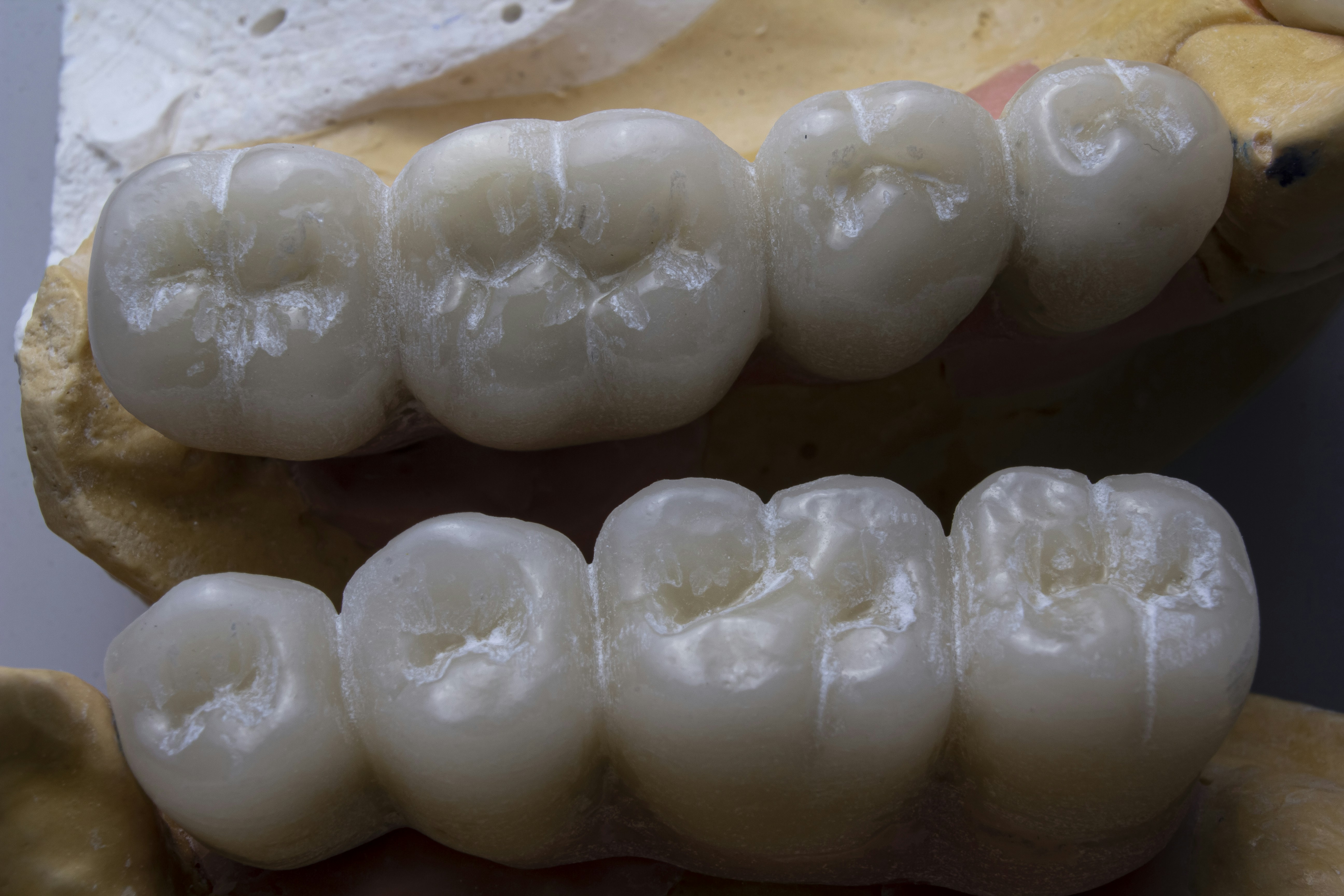
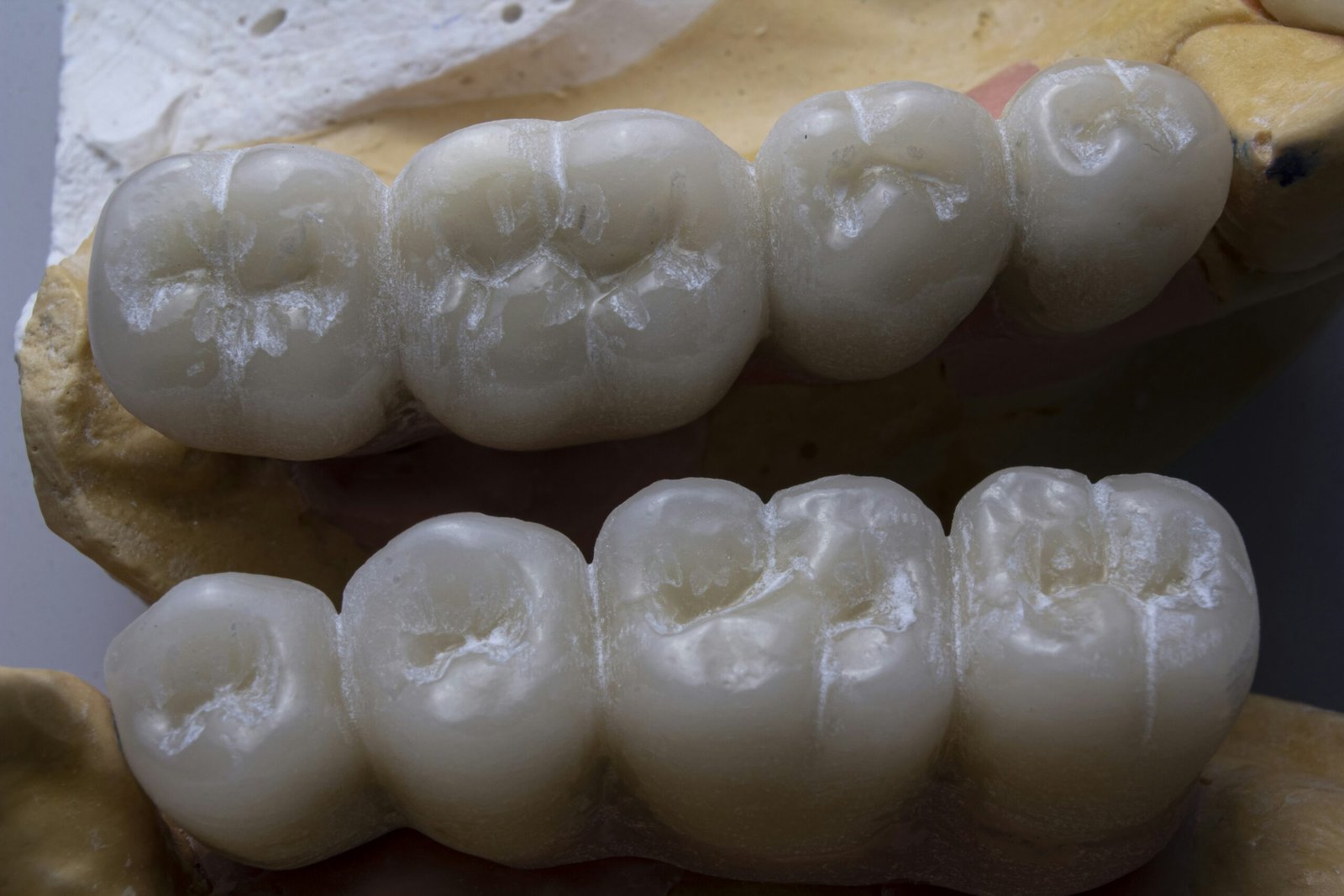
Introduction to Maryland Zirconia Bridges
The Maryland zirconia bridge is a specialized type of dental restoration designed to replace missing teeth while preserving the integrity of surrounding structures. This innovative dental solution addresses common issues faced by individuals with gaps in their dentition, including functional challenges and aesthetic concerns. A dental bridge, in general, acts as a support system that fills the space left by a missing tooth or teeth, effectively restoring the patient’s ability to chew and speak comfortably, as well as improving their smile.
What sets the Maryland zirconia bridge apart is its unique bonding mechanism and materials used. Unlike traditional dental bridges that require extensive preparation of adjacent teeth, Maryland bridges utilize a minimally invasive approach. They are often made from zirconia, a strong and biocompatible material that closely resembles the natural color and translucency of teeth. This enhances the appearance of the bridge while providing durability and strength.
The Maryland design typically involves two wings that are bonded to the back of the adjacent teeth. This feature allows for a more conservative approach, as it requires less alteration to the tooth structure. The primary aim of a Maryland zirconia bridge is to offer a reliable and aesthetically pleasing solution for tooth replacement, particularly for those who may not be candidates for more invasive procedures like dental implants due to various reasons, such as insufficient jawbone density or personal preference.
In essence, Maryland zirconia bridges serve as an effective solution for those seeking a less invasive method for achieving improved dental function and aesthetics. They solve problems related to tooth loss without compromising the health of nearby teeth, thereby promoting long-term dental health.
Benefits of Choosing Maryland Zirconia Bridges
When considering dental prosthetics, opting for a Maryland zirconia bridge offers numerous benefits that are both functional and aesthetic. One of the primary advantages is the excellent aesthetic appeal these bridges provide. Fabricated from high-quality zirconia, they closely resemble the natural color and translucency of teeth, allowing for a seamless blend with existing dentition. This makes them especially suitable for individuals concerned about the visual impact of dental restorations.
Durability is another significant factor that makes Maryland zirconia bridges attractive to patients. Zirconia is known for its high strength and resistance to wear over time. Unlike other materials, such as porcelain, which may chip or crack, zirconia maintains its integrity and performance, even under the pressures of biting and chewing. This longevity means that patients can enjoy the benefits of their bridge for many years with proper care.
Moreover, one notable aspect of Maryland zirconia bridges is their minimal invasiveness. The preparation process for these bridges requires less alteration of the adjacent teeth compared to traditional bridge options, which often demand substantial tooth reduction. This preservation of the natural tooth structure not only safeguards the health of neighboring teeth but also contributes to maintaining bone density and overall jaw integrity. By minimizing the need for invasive procedures, Maryland zirconia bridges enhance the comfort level for patients while ensuring effective treatment outcomes.
In summary, the decision to choose a Maryland zirconia bridge encompasses various advantages, including remarkable aesthetic qualities, superior durability, and the benefit of minimal invasiveness. These characteristics make them an appealing choice for anyone looking to improve both the function and appearance of their smile while ensuring the preservation of natural dental structures.
The Application of Zirconia in Dentistry
Zirconia, a crystalline form of zirconium dioxide, has become increasingly popular in dental applications due to its remarkable properties. One of the most significant characteristics of zirconia is its exceptional strength, making it highly resistant to fracture and wear. This is particularly important in dental applications where durability is a critical requirement. The rigidity of zirconia allows it to withstand the significant forces exerted during chewing, which is essential for maintaining the integrity of dental restorations.
Another notable attribute of zirconia is its biocompatibility. As a material, zirconia does not produce adverse reactions in the body, making it suitable for use in various dental treatments, including the fabrication of Maryland bridges. Biocompatibility is crucial in dentistry, as materials that can cause inflammation or allergic reactions can compromise oral health. Zirconia’s compatibility with human tissue ensures that it can be used safely within the oral cavity.
When comparing zirconia with other commonly used dental materials, such as metal alloys and porcelain, zirconia stands out for its aesthetic appeal as well. Unlike metals, which can result in a grayish hue at the gumline, zirconia can be manufactured to closely resemble the natural color of teeth, offering a more visually appealing outcome. Moreover, unlike porcelain, which can chip or crack under stress, zirconia’s inherent toughness significantly reduces the likelihood of damage.
Additionally, zirconia’s ability to be easily manipulated and shaped during the fabrication process enhances its versatility, allowing dental professionals to create customized solutions that meet the individual needs of patients. As a result, zirconia is increasingly recognized as a preferred choice for constructing Maryland bridges, providing both functional and aesthetic benefits in restorative dentistry.
The Minimal Prep Concept
The minimal prep concept in dentistry emphasizes the preservation of natural tooth structure while ensuring functional and aesthetic outcomes. This approach is particularly relevant when discussing the Maryland zirconia bridge, a dental restoration method aimed at replacing one or more missing teeth with minimal alterations to adjacent teeth. By utilizing this technique, dentists can significantly mitigate the necessary preparation of the surrounding enamel, reducing the risk of future complications and improving long-term dental health.
One of the primary advantages of minimal preparation is the conservation of valuable tooth structure. When traditional dental bridges are implemented, they typically require extensive reshaping of the supporting teeth. In contrast, the Maryland zirconia bridge involves minimal alterations, allowing the adjacent teeth to retain their original structure. This preservation not only aids in maintaining the integrity of the surrounding teeth but also supports overall oral health by preventing issues related to tooth sensitivity or damage.
Moreover, a minimal prep approach is associated with lower complications. By reducing the extent of preparation, there is less likelihood of nerve exposure, which can lead to infections or prolonged discomfort. Additionally, patients often experience a more comfortable application process, as less drilling and invasive procedures are involved. Therefore, the Maryland zirconia bridge not only enhances aesthetic appeal but also contributes to a more stable dental environment.
In summary, the minimal prep concept is a cornerstone of modern dentistry, especially when implementing restorations like the Maryland zirconia bridge. This innovative technique offers significant benefits in terms of preserving tooth structure, reducing complications, and promoting better long-term dental health, making it an attractive option for both dentists and patients.
The Procedure for Getting a Maryland Zirconia Bridge
The journey to obtaining a Maryland zirconia bridge commences with an initial consultation, where the dentist will evaluate the patient’s oral health and discuss their specific needs and concerns. This is a crucial step, as it sets the foundation for the treatment plan. During this appointment, the dentist will conduct a thorough examination of the teeth and gums, take X-rays if necessary, and may also assess the bite alignment and overall dental structure.
After the initial consultation, diagnostic assessments are usually performed to collect detailed information about the patient’s dental landscape. This may involve impressions or 3D scans to create a precise model of the teeth. These assessments enable the dentist to design an accurate Maryland zirconia bridge that not only fits seamlessly but also complements the patient’s natural dentition. This phase typically takes one to two weeks, depending on the complexity of the case.
Once the dental design is finalized, the fitting process will commence. During this stage, the dentist will temporarily place the Maryland zirconia bridge to ensure proper alignment and comfort. Adjustments may be made at this time to guarantee a precise and snug fit. Patients will be advised about potential adjustments and what to expect after the bridge is placed. This fitting session can often be completed in one visit, but additional appointments may be scheduled if adjustments are necessary.
Patients can generally expect the entire process—from the initial consultation to the final fitting—to span a few weeks, allowing sufficient time for preparing the dental work and ensuring optimal results. The benefits of a Maryland zirconia bridge, including improved aesthetics and function, make the procedure worthwhile for those seeking dental solutions.
Aftercare and Maintenance of Maryland Zirconia Bridges
Taking proper care of your Maryland zirconia bridge is essential for maintaining its longevity and functionality. Effective aftercare includes daily hygiene practices that should not be overlooked. Regular brushing with a soft-bristled toothbrush is recommended to clean the bridge and adjacent teeth effectively. It is advisable to use a non-abrasive toothpaste to prevent scratching the zirconia material. Daily flossing is equally important, as it helps remove food particles and plaque between the bridge and surrounding teeth, which can be prone to cavities if neglected.
In addition to regular brushing and flossing, it is beneficial to incorporate an antimicrobial mouthwash into your daily routine, which can help reduce the risk of gum disease and promote overall oral health. It is essential to remember that while the zirconia material is durable, it is still vital to be gentle during the cleaning process.
Your diet also plays a significant role in the maintenance of Maryland zirconia bridges. It is wise to avoid hard or excessively sticky foods that may place undue stress on the bridge. Foods such as hard candies, ice, and overly chewy substances can potentially damage the structure of the bridge. Furthermore, it is advisable to limit sugary foods and beverages, as they can contribute to plaque build-up and compromise oral hygiene.
Lastly, routine dental check-ups are crucial for ensuring the health of your Maryland zirconia bridge. Regular visits allow dental professionals to inspect the bridge for any signs of wear or damage and to conduct thorough cleanings that enhance oral hygiene. Typically, a dental check-up every six months is recommended, though your dentist may suggest more frequent visits based on your individual oral health needs. Prioritizing these aspects of care will promote not only the durability of your Maryland zirconia bridge but also the overall health of your smile.
Potential Risks and Considerations
While Maryland zirconia bridges provide a viable solution for tooth replacement, potential risks and considerations must be acknowledged. One significant factor is the variability in individual cases. Each patient’s oral health, jaw structure, and specific dental needs can greatly influence the outcome of the procedure. For some individuals, the fit of the Maryland bridge may not be ideal, potentially leading to discomfort or complications.
Another consideration involves the adhesive bonding method utilized in attaching the zirconia bridge to the existing teeth. Although these adhesives are designed to create a strong bond, there may be instances of bond failure, especially in patients with high bite forces or those who engage in teeth grinding (bruxism). If the bond fails, this may necessitate further dental intervention, which could complicate the overall treatment plan.
Moreover, potential complications can arise during the placement of the Maryland zirconia bridge. Issues such as misalignment or improper seating of the bridge could lead to uneven pressure on adjacent teeth, causing stress or injury to the surrounding gum tissue. Additionally, while zirconia is a highly durable material, it may not be immune to fracture under certain stresses. This is especially pertinent when considering the overall occlusal dynamics of the patient’s bite.
It is crucial for patients to discuss these potential risks thoroughly with their dentist prior to the procedure. Understanding individual factors that affect the success of a Maryland zirconia bridge can empower patients to make informed decisions. As with any dental treatment, proper planning and communication between the patient and dental professional are key aspects to achieving satisfactory and long-lasting results.
Patient Testimonials and Case Studies
The Maryland zirconia bridge has gained significant attention among dental professionals and patients alike for its aesthetic appeal and functional advantages. Real-life experiences from patients who have opted for this dental solution illustrate its effectiveness. One patient, Jane D., recounts her transformation after receiving a Maryland zirconia bridge. “I had been living with an incomplete smile for years due to missing teeth. The zirconia bridge not only restored my confidence but also provided a natural appearance that blends seamlessly with my existing teeth. I can now eat and smile with ease, which has significantly improved my quality of life.”
Another testimonial by Mark T. highlights the minimal preparation required for this procedure. “I was pleasantly surprised by how non-invasive the Maryland zirconia bridge was compared to other dental options I had considered. The procedure was quick, and the healing time was minimal. My dentist assured me that this bridge would be durable, and so far, I couldn’t be happier with the results. I feel as if I have my original teeth back!”
Case studies further exemplify the successful outcomes associated with Maryland zirconia bridges. In one documented instance, a 45-year-old patient underwent the procedure after suffering from tooth loss due to gum disease. Within a few months, follow-up evaluations revealed that the bridge remained stable, showing no signs of wear. Radiographic analysis confirmed the healthy condition of the surrounding gum tissues.
These testimonials and case studies collectively underscore the benefits of choosing a Maryland zirconia bridge, emphasizing not only improved aesthetics but also functional longevity. Patients appreciate the meticulous attention given by dental professionals, making the transition to a new smile both rewarding and reassuring.
Conclusion: Is a Maryland Zirconia Bridge Right for You?
In reviewing the advantages and considerations of a Maryland zirconia bridge, it is essential to evaluate your individual dental needs and preferences. The Maryland zirconia bridge is known for its minimally invasive nature, which entails little to no tooth reduction compared to traditional bridges. This characteristic allows for a more conservative approach, preserving the integrity of adjacent teeth. Moreover, its aesthetic appeal, thanks to the natural-looking zirconia material, makes it a favorable choice for those seeking dental restoration that blends seamlessly with existing teeth.
While the benefits of a Maryland zirconia bridge are notable, including durability and ease of placement, it is vital to consider alternative options such as traditional bridges or implants. Each of these alternatives comes with its own set of advantages and potential drawbacks. Factors such as the condition of the remaining teeth, gum health, and personal oral hygiene habits play a crucial role in determining the most suitable option for an individual.
Ultimately, the decision regarding whether a Maryland zirconia bridge is appropriate for you should involve a thorough discussion with your dental professional. They can provide insights tailored to your specific dental situation and help you weigh the pros and cons of a Maryland zirconia bridge compared to other available treatments. Taking this proactive step can lead to a more informed decision, ensuring that your choice aligns with your long-term oral health goals. If you are considering dental restorations, it is advisable to schedule a consultation to explore your options and determine the best path forward for your smile.