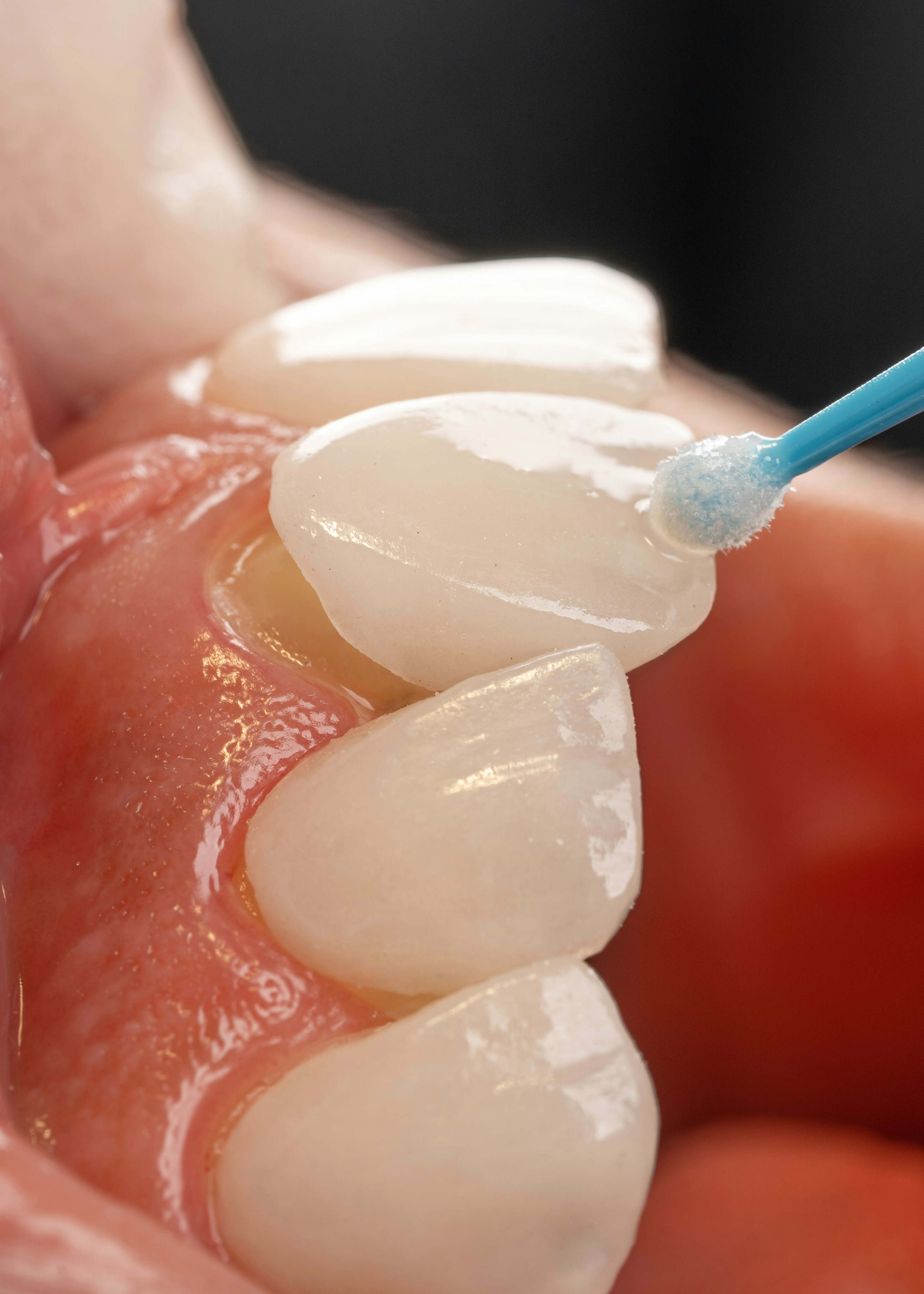
Understanding Zirconia Bridge Loosens
Zirconia bridges Loosens are a popular dental prosthesis used to restore missing teeth, typically in patients who have lost one or more teeth due to decay, injury, or periodontal disease. Made from a durable ceramic material called zirconium oxide, these bridges offer several advantages over traditional dental bridges, including their strength, longevity, and natural appearance.
The primary function of a zirconia bridge is to support and fill gaps in the dental arch caused by missing teeth. They are commonly cemented onto healthy adjacent teeth or dental implants, providing a stable and secure solution. Unlike metal-based bridges, zirconia bridges are favored for their aesthetic appeal, as they closely resemble the color and translucency of natural teeth. This quality ensures that patients achieve a seamless look, enabling them to smile confidently.
Furthermore, zirconia is known for its remarkable durability; it can withstand significant biting forces and resist wear over time. This longevity, combined with its biocompatibility, makes zirconia an excellent choice for dental restorations, minimizing the risk of allergic reactions. However, as with any dental appliance, issues can arise. A common problem is loosening, which may occur due to various factors. Potential reasons for a zirconia bridge becoming loose include improper bonding techniques during installation, recurrent gum inflammation, or natural bone loss surrounding the supporting teeth. In some cases, trauma to the area or excessive biting forces can also contribute to this loosening effect.
Overall, understanding zirconia bridges’ structure, function, and potential issues is crucial for patients and dental professionals alike, ensuring that appropriate measures can be taken in the event of complications.
Signs Your Zirconia Bridge Loosens
Recognizing the signs of a loose zirconia bridge is crucial for preventing potential complications and ensuring effective emergency care. Patients may experience a range of physical sensations indicating that their zirconia bridge may have loosened. One common symptom is discomfort, which can manifest as a nagging pain around the site of the bridge. This discomfort may be accompanied by pressure sensations, particularly when chewing or biting down, making it difficult to eat certain foods.
Moreover, changes in bite are another notable indicator. If the patient notices a misalignment in their bite or feels that the bridge does not fit snugly against adjacent teeth, it is essential to seek dental advice as soon as possible. Such changes could suggest that the supporting structures of the bridge are not functioning correctly, potentially leading to further issues.
In addition to these physical sensations, visual signs can also provide clues about the condition of a zirconia bridge. Patients should look for gaps between the bridge and the underlying gums or teeth, as these spaces can be indicative of loosening. Additionally, any visible movement of the bridge when pressure is applied could signify that it is not securely in place.
Awareness of these signs allows for prompt intervention, which is critical for maintaining oral health. Early detection of a loose zirconia bridge not only minimizes discomfort but also prevents more extensive dental work from being necessary in the future.
Immediate Steps to Take If Your Bridge Feels Loose
Experiencing a loose zirconia bridge can be distressing and may indicate underlying issues that need to be addressed. If you find that your bridge feels unstable, it is imperative to take immediate action to minimize any potential discomfort or further complications.
First and foremost, avoid applying excessive pressure to the bridge. Refrain from chewing hard or sticky foods that may exacerbate the looseness. Instead, consume a soft diet consisting of items such as yogurt, mashed potatoes, or smoothies to reduce strain on the bridge while you seek help. Chewing gum or biting fingernails are also activities best avoided during this time to prevent any additional loosening.
Next, assess the situation. If the bridge is only slightly loose, you might feel a shift but it may not be painful. In such instances, rinse your mouth gently with warm salt water to help alleviate any irritation and promote oral hygiene. However, if you experience significant pain, swelling, or bleeding, it’s crucial to seek medical assistance immediately.
It is vital not to ignore the issue of a loose zirconia bridge. Delaying treatment can lead to more severe complications, including the risk of damaging the underlying teeth or the need for more invasive procedures. Schedule an appointment with your dentist as soon as possible to discuss the problem. Bring any relevant information regarding your oral health and the circumstances that led to the bridge feeling loose.
In summary, addressing a loose zirconia bridge promptly and carefully is crucial. By taking these immediate steps, you can manage discomfort, avoid harmful foods, and prepare for a timely consultation with your dental professional.
If your zirconia bridge has loosened, it is important to take measures to protect your remaining teeth and ensure the stability of the bridge until you can see your dentist. First and foremost, maintaining excellent oral hygiene is essential. Gently brush your teeth, including the area around the affected bridge, with a soft-bristled toothbrush. This helps to remove food particles and plaque that can accumulate and lead to further issues.
Using dental wax can provide a temporary solution to cover any exposed areas of the bridge. Dental wax forms a protective barrier over rough edges, reducing the risk of injury to your gums or mouth. Simply take a small amount of wax, roll it into a ball, and press it onto the affected area of the bridge. This is particularly helpful if the loosened bridge causes discomfort or irritation.
Additionally, it is advisable to avoid eating hard, crunchy, or sticky foods that might exacerbate the situation. Foods such as nuts, hard candies, or chewy snacks could loosen the bridge further or cause discomfort. Instead, opt for softer foods that require minimal chewing, such as yogurt, mashed potatoes, or smoothies, until you can visit your dentist.
Keeping hydrated is also crucial; drinking plenty of water helps to wash away food particles and bacteria. If needed, using an antibacterial mouthwash can provide added protection against infection while promoting overall oral health. Maintaining a consistent routine of brushing and rinsing gently can offer significant benefits in safeguarding your teeth and bridge.
By following these preventive care measures, you can help maintain the stability of your zirconia bridge and protect your remaining teeth until you receive professional dental care.
When to Seek Emergency Dental Care
Understanding when to seek emergency dental care can significantly affect the outcome of dental issues, particularly pertaining to a loose zirconia bridge. A zirconia bridge, while designed for durability and longevity, can experience loosening due to various factors such as wear and tear, decay in the supporting teeth, or even trauma to the mouth. Recognizing the symptoms that require immediate attention is essential for maintaining oral health and preventing further complications.
A primary indicator that you should seek emergency care involves experiencing significant discomfort or pain associated with the loose bridge. Pain can signal underlying issues such as infection or damage to supporting teeth, making it crucial to address the problem immediately. If the loose zirconia bridge causes any bleeding, this too necessitates emergency intervention, as it may indicate damage to the gum tissue or bone structure beneath.
Moreover, if the bridge becomes dislodged entirely, it is imperative to consult a dentist promptly. A dislodged bridge can lead to the misalignment of surrounding teeth or exacerbate existing dental problems. Failing to act quickly in this scenario can result in long-term consequences such as shifts in bite alignment and increased sensitivity or discomfort in adjacent teeth.
In cases where a loose zirconia bridge is accompanied by swelling of the gums, jaw, or face, it might indicate a more serious infection that could spread if left untreated. Additionally, if you are experiencing difficulty speaking or chewing due to the instability of the bridge, it is advisable to seek emergency dental care.
The Role of Your Dentist in Re-Cementing the Bridge
If you find that your zirconia bridge has loosened, the expertise of your dentist becomes paramount in re-cementing the bridge for optimal functionality. The process begins with a thorough evaluation, where the dentist assesses the condition of the bridge and the surrounding structures. This evaluation involves checking for any signs of wear, damage, or infection that could compromise the integrity of the dental work. Additionally, the dentist will examine the fit of the bridge to ensure it can be properly reattached without complications.
Following the initial assessment, the next step involves a comprehensive cleaning process. This is crucial as any debris or plaque on the dental surfaces can prevent a secure bond from forming. The dentist uses specialized tools, including ultrasonic scalers, to meticulously clean both the inner surface of the bridge and the underlying natural teeth or implants. By ensuring that the surfaces are free of contaminants, the longevity and effectiveness of the re-cementing procedure are greatly enhanced.
Once cleaning is completed, the dentist will select an appropriate dental cement specifically designed for zirconia bridges. This choice is critical because the adhesive properties of the cement must be sufficient to withstand the forces of biting and chewing. The dentist carefully applies the cement to the bridge and positions it back onto the teeth or implants, ensuring that it is perfectly aligned. After proper positioning, the dentist may use a light or heat to set the cement, solidifying the bond. Throughout this process, the dentist’s expertise ensures that the bridge is securely reattached, restoring your smile effectively.
Preventive Tips to Avoid Future Issues
Maintaining the integrity and stability of your zirconia bridge requires a proactive approach. One of the most effective ways to minimize the risk of a loosening bridge is through regular dental check-ups. Visiting your dentist at least twice a year allows for early detection of any potential issues that may compromise the health of your dental structures, including the support for your bridge. Your dentist will perform thorough examinations, ensuring that your bridge remains secure and that surrounding teeth and gums are in optimal condition.
In addition to routine visits, maintaining excellent oral hygiene is crucial. Brushing your teeth at least twice a day and flossing daily can significantly reduce the build-up of plaque and tartar around dental work. This is particularly important for patients with a zirconia bridge, as any inflammation or infection in the gums can compromise the fit and stability of the bridge. Consider using an antimicrobial mouthwash to further enhance your oral hygiene routine and to keep your mouth free from harmful bacteria.
Lifestyle factors also play a significant role in the longevity of zirconia bridges. A well-balanced diet, rich in vitamins and minerals, supports dental health. Foods high in calcium and vitamin D are particularly beneficial for maintaining strong bones and teeth. Additionally, habits such as smoking and excessive alcohol consumption should be avoided, as they can lead to gum disease and other oral health problems. Staying hydrated and limiting sugary foods can also contribute to better dental health overall.
By adopting these preventive measures, you can help ensure the longevity of your zirconia bridge, reducing the likelihood of loosening and the need for further emergency care. By prioritizing dental check-ups, impressive oral hygiene, and healthy lifestyle choices, you can maintain the functionality and aesthetics of your dental work for years to come.
Frequently Asked Questions (FAQs)
Zirconia bridges are highly durable and aesthetically pleasing options for dental restoration. However, patients may have questions regarding their maintenance and care. Below are some common inquiries and their respective answers to assist in addressing concerns related to zirconia bridges.
1. How should I care for my zirconia bridge?
Proper maintenance of a zirconia bridge involves regular oral hygiene practices. Patients should brush their teeth at least twice a day using a soft-bristle toothbrush and fluoride toothpaste. Additionally, daily flossing is essential to remove food particles and plaque buildup around the bridge. It is also advisable to use a non-abrasive mouthwash to help maintain oral health.
2. What are potential issues with zirconia bridges?
Although zirconia bridges are known for their durability, patients may encounter certain issues. These may include loosening due to gum recession or excessive biting forces. In some cases, aesthetic concerns may arise if the bridge does not match the natural tooth color or if the gums recede and expose the underlying structure. Regular dental checkups can help identify these problems early.
3. What should I do if my zirconia bridge feels loose?
If you notice that your zirconia bridge feels loose, it is essential to contact your dentist immediately. Do not attempt to fix it yourself, as this could exacerbate the problem. Your dentist will evaluate the bridge and surrounding oral structures to determine the cause of the looseness. Based on their assessment, they may recommend adjustments, relining, or even replacement of the bridge if necessary.
4. Can I eat normally with a zirconia bridge?
Yes, patients can generally eat normally with a zirconia bridge. However, it is advisable to avoid extremely hard or sticky foods that could compromise the integrity of the bridge. Starting with softer foods can also help during the initial adjustment period after placement.
Maintaining communication with your dental professional and adhering to care guidelines is fundamental for longevity and performance, ensuring that your zirconia bridge remains a reliable component of your dental health.
Conclusion: Ensuring the Longevity of Your Dental Work
Addressing a loose zirconia bridge is critical to maintaining both the functionality and aesthetic appeal of your dental restoration. Throughout this discussion, we have highlighted the importance of promptly recognizing the signs of a loose bridge, which may include discomfort, difficulty in chewing, or noticeable movement of the bridge itself. Timely intervention is essential to prevent any further complications that could arise from neglecting the issue.
Your oral health is a vital aspect of your overall well-being, and it is crucial to treat dental concerns with the urgency they deserve. Regular dental check-ups play a key role in preventing potential issues with your zirconia bridge, ensuring that it remains securely in place and functions as intended. Additionally, maintaining proper oral hygiene is instrumental in prolonging the lifespan of not just your bridge, but your natural teeth as well.
We encourage you to consult with your dentist at the first sign of a loose bridge. A professional evaluation will provide you with personalized advice and care tailored to your specific situation. Your dentist can recommend the best course of action, whether it involves adjustments, re-cementation, or even replacement if necessary. Investing time in your dental health can safeguard the longevity of your zirconia bridge and preserve your smile for years to come.