Introduction zirconia bridge
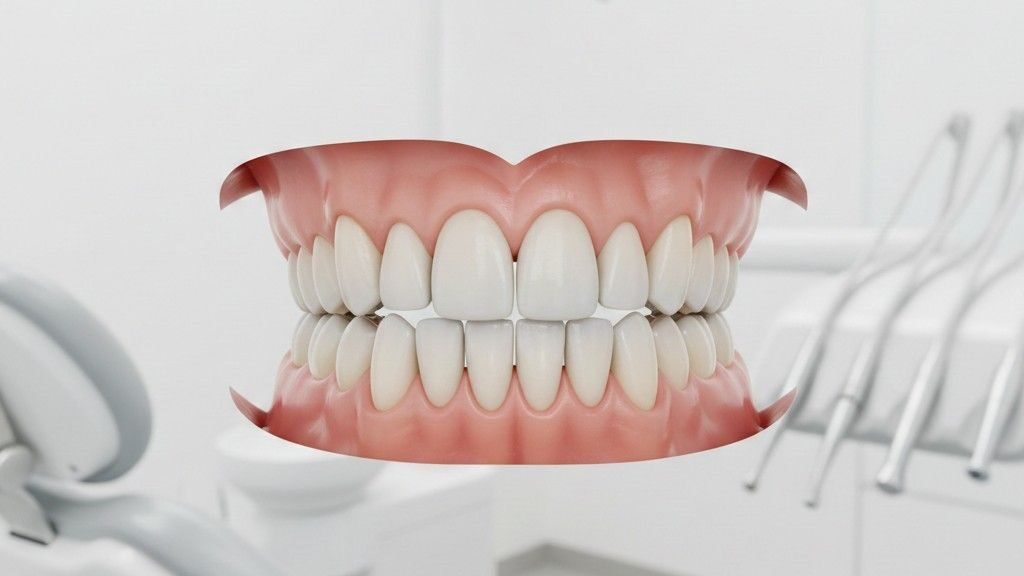
Tooth loss is more than a cosmetic issue. It directly impacts chewing efficiency, jaw alignment, speech clarity, and long-term oral health. In the United States, millions of adults search for fixed, long-lasting solutions that restore both function and appearance without the drawbacks of traditional metal-based restorations. This is where the zirconia bridge has gained significant attention in modern dentistry.
Patients today want restorations that look natural, feel comfortable, and last for years. Older bridge materials often caused dark gum lines, allergies, or premature wear. Advances in dental materials and CAD/CAM technology have changed expectations. Zirconia has become one of the most trusted materials due to its strength, biocompatibility, and aesthetic stability.
This in-depth guide is designed for USA-based patients who want clear, expert-level information before choosing treatment. You will learn what a zirconia dental bridge is, how it works, who it is best for, and why dentists increasingly recommend it. This article also serves as a central resource that connects cost, lifespan, comparisons, preparation, and long-term outcomes in one place.
What Is a Zirconia Bridge?
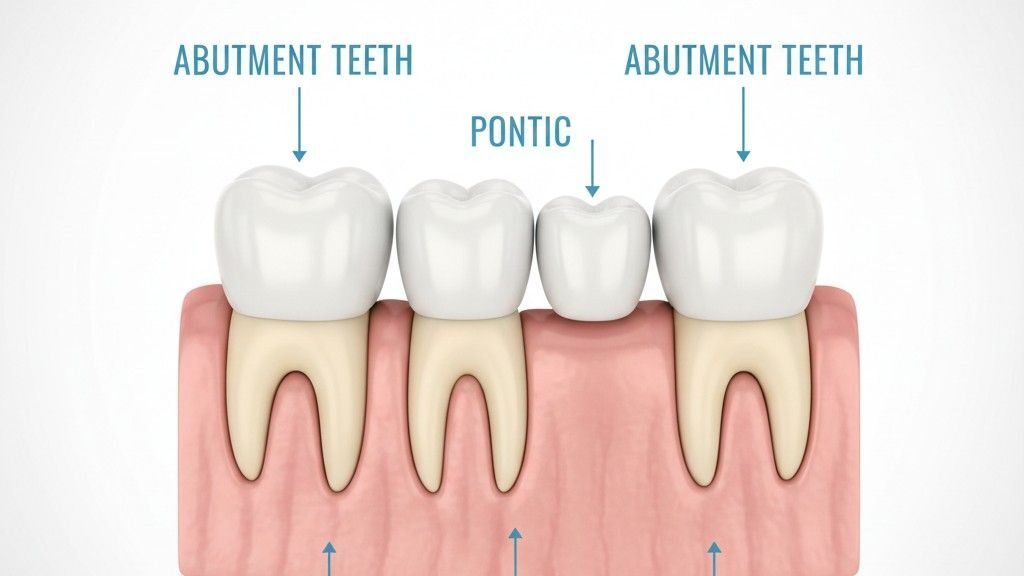
A zirconia bridge is a fixed dental restoration used to replace one or more missing teeth. It is fabricated from zirconium dioxide, a high-strength ceramic material widely used in modern restorative dentistry.
Unlike removable dentures, a dental zirconia bridge is permanently cemented in the mouth. It relies on either adjacent natural teeth or dental implants for support. The missing tooth area, known as the pontic, is fused to supporting units to create a single, stable structure.
Why Zirconia Is Used in Dental Bridges
Zirconia is not chosen by chance. It offers a rare balance between durability and aesthetics.
Key properties include:
- Extremely high fracture resistance
- Metal-free and corrosion-resistant structure
- Excellent gum tissue compatibility
- Minimal plaque accumulation
- Long-term color stability
These qualities make zirconia suitable for both front teeth and back teeth restorations.
Types of Zirconia Bridge Used in the USA
Not all zirconia bridges are the same. Dentists select the design based on bite force, location, and cosmetic requirements.
Monolithic Zirconia Bridges
A monolithic zirconia bridges is milled from a single solid block of zirconia.
Advantages:
- Exceptional strength for molars
- Low risk of chipping
- Ideal for patients with teeth grinding
Considerations:
- Slightly less translucency than layered designs
Layered Zirconia Bridge
This design features a zirconia core with a porcelain overlay.
Advantages:
- More natural enamel-like appearance
- Preferred for anterior zirconia dental bridge cases
Considerations:
- Porcelain layer may chip under excessive force
Full Zirconia Bridge
A full zirconia dental bridge is commonly used in high-stress areas and full-arch restorations.
Common uses:
- Posterior bridges
- All-on-4 zirconia dental bridges cases
- All-on-6 zirconia dental bridges designs
How a Zirconia Bridges Works
A zirconia bridge restores missing teeth by distributing chewing forces evenly across the dental arch. It prevents surrounding teeth from shifting and helps maintain jaw alignment.
Support Options
- Tooth-supported bridge: Uses natural teeth as anchors
- Implant-supported bridge: Uses implants instead of teeth
Implant-supported zirconia dental bridge options are increasingly popular because they do not require reshaping healthy teeth.
Zirconia Bridge for Front Teeth vs Back Teeth
Location matters when selecting a bridge.
Front Teeth (Anterior Zirconia Bridges)
- High aesthetic demand
- Natural translucency is critical
- Often layered for cosmetic reasons
Back Teeth (Posterior Bridges Zirconia)
- High chewing force
- Strength is the priority
- Monolithic zirconia is preferred
Dentists evaluate bite pressure and smile line before recommending the design.
Advantages of a Zirconia Bridges
Patients across the USA choose zirconia dental bridges due to consistent long-term performance.
Strength and Durability
Zirconia is significantly stronger than porcelain and many ceramic alternatives. It resists fractures even under heavy bite forces.
Natural Appearance
Modern shading techniques allow zirconia to closely match surrounding teeth. It avoids the gray shadows common with metal bridges.
Biocompatibility
Zirconia is well-tolerated by gum tissue and suitable for patients with metal allergies.
Long Lifespan
With proper care, zirconia bridges often last 10 to 20 years or longer.
Zirconia Bridge Problems to Consider
While benefits are substantial, informed decisions require understanding limitations.
Tooth Preparation
Tooth-supported zirconia bridges require reshaping of adjacent teeth.
Cost Factor
Zirconia bridge cost is generally higher than traditional options.
Technique Sensitivity
Success depends heavily on dentist skill and lab precision.
These concerns are minimized when treatment is planned correctly.
Zirconia Bridge vs Porcelain and PFM Bridges
Comparing materials helps patients choose wisely.
Zirconia Bridge vs Porcelain Bridge
- Zirconia: stronger, longer-lasting
- Porcelain: more translucent, less durable
PFM vs Zirconia Bridge
- PFM: metal core may show gum lines
- Zirconia: metal-free and aesthetic
Emax Bridge vs Zirconia Bridge
- Emax: superior translucency
- Zirconia: superior strength
Who Is a Good Candidate for a Zirconia dental Bridge?
Most adults qualify, but ideal candidates include those who have:
- One or more missing teeth
- Healthy gums
- Stable bite alignment
- Adequate bone support
Patients with bruxism may still qualify with protective night guards.
Zirconia Bridge Preparation Process
Proper preparation ensures longevity.
Step 1: Consultation
- Digital X-rays
- Bite evaluation
- Treatment planning
Step 2: Tooth or Implant Preparation
- Tooth reshaping or implant placement
Step 3: Digital Impressions
- High-precision scans for accuracy
This precision reduces future complications.
Zirconia Bridge Before and After Results
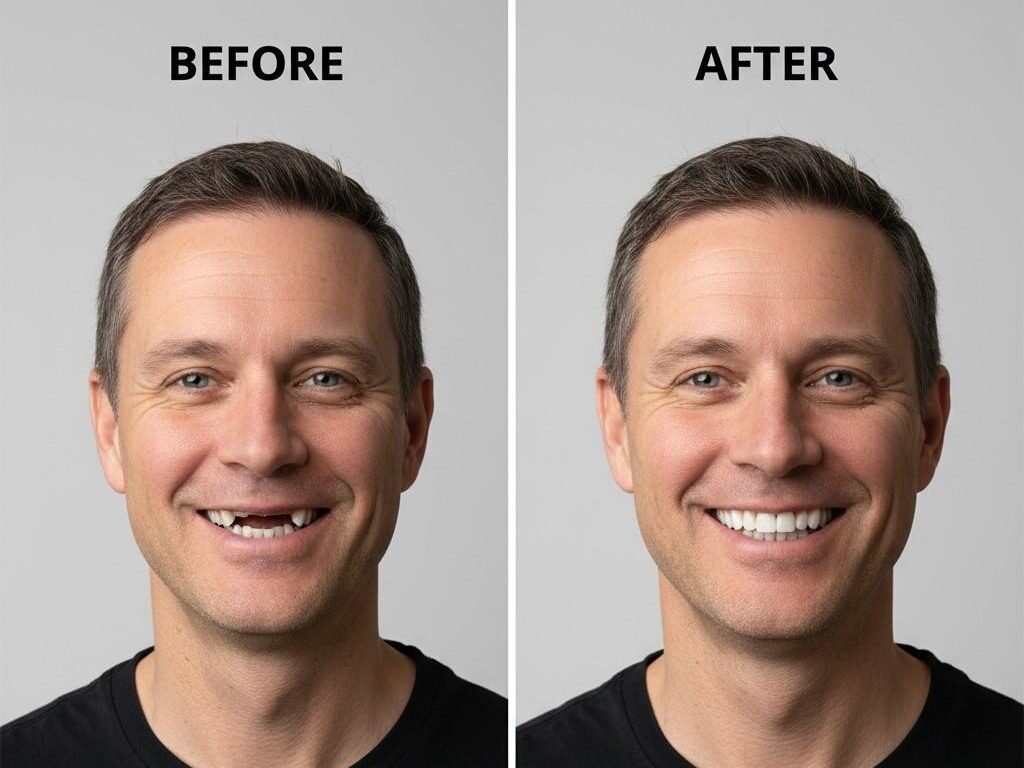
Patients often notice:
- Improved chewing function
- Better speech clarity
- Enhanced smile symmetry
Before-and-after zirconia bridge results are especially noticeable in front teeth cases.
How Long Does a Zirconia Bridge Last?
Many patients ask, how long does a zirconia dental bridge last?
With good oral hygiene and routine dental visits, the lifespan often exceeds 15 years.
Factors affecting longevity:
- Oral hygiene habits
- Bite force
- Regular professional care
Cost of Zirconia Bridge in the USA
Zirconia dental bridges price varies by region and complexity.
Average Cost Range
- $1,200 to $2,500 per unit
- Implant-supported bridges cost more
Dental insurance may cover part of the cost depending on the plan.
Zirconia Bridge vs Dental Implants: Which Is Better for USA Patients?
One of the most common questions from patients in the United States is whether a zirconia bridges or a dental implant is the better option. The answer depends on oral health, budget, treatment timeline, and long-term goals.
Zirconia Bridge (Tooth-Supported)
A traditional zirconia dental bridge relies on adjacent natural teeth for support.
Advantages
- Faster treatment timeline
- No surgical procedure required
- Lower upfront cost
- Suitable when neighboring teeth already need crowns
Limitations
- Requires reshaping healthy teeth
- Does not prevent bone loss in the missing tooth area
Dental Implants
Dental implants replace the tooth root and support a crown or bridge.
Advantages
- Preserves jawbone structure
- Does not affect adjacent teeth
- Extremely long lifespan
Limitations
- Higher cost
- Requires surgery
- Longer healing time
Clinical Insight (USA Practice):
When adjacent teeth are already compromised, a zirconia dental bridge is often the more practical and cost-effective choice. When bone health and long-term independence are priorities, implants may be preferred.
Implant-Supported Zirconia Bridge
An implant-supported zirconia dental bridge combines the benefits of implants with the strength of zirconia.
Why USA Dentists Recommend This Option
- No natural teeth are trimmed
- Excellent stability and bite strength
- Ideal for multiple missing teeth
- Common in full-arch restorations
This option is frequently used in All-on-4 and All-on-6 zirconia bridge cases across the United States.
Zirconia Bridge vs Other Dental Bridge Materials
Zirconia Bridge vs Porcelain Bridge
- Zirconia: Higher fracture resistance, longer lifespan
- Porcelain: Better translucency, but more fragile
Porcelain bridges are now used less frequently in high-stress areas.
Zirconia Bridge vs PFM (Porcelain-Fused-to-Metal)
PFM bridges were once the standard in the USA, but they have drawbacks.
PFM Limitations
- Dark metal margins over time
- Possible gum discoloration
- Metal allergies in some patients
Zirconia Advantages
- Metal-free
- Better gum response
- Cleaner, more natural appearance
Zirconia Bridge vs Emax Bridge
- Emax: Excellent aesthetics for front teeth
- Zirconia: Superior strength for back teeth and long spans
Many dentists now use zirconia for posterior teeth and Emax selectively for highly visible anterior cases.
Zirconia Bridge Cost in the USA (In-Depth Breakdown)
Cost is a major factor for most American patients.
Average Zirconia Bridges Cost
- Per unit: $1,200 – $2,500
- Three-unit bridge: $3,000 – $6,000
- Implant-supported zirconia bridge: $5,000 – $15,000+
Prices vary significantly by state and city.
Factors That Affect Cost
- Geographic location (California and New York are typically higher)
- Dentist experience and specialization
- Dental lab quality
- Number of units
- Use of implants
Dental Insurance Coverage
Most dental insurance plans in the USA:
- Cover 40%–60% of bridge costs
- Do not cover cosmetic upgrades
- May require waiting periods
Patients should ask their dentist about ADA procedure codes before treatment.
Zirconia Bridge Procedure: Step-by-Step (USA Standard)
Understanding the procedure helps reduce anxiety and sets realistic expectations.
Step 1: Initial Consultation
- Comprehensive oral exam
- Digital X-rays or CBCT scan
- Bite and gum evaluation
Treatment planning is customized to the patient’s oral condition.
Step 2: Tooth or Implant Preparation
Tooth-Supported Bridge
- Adjacent teeth are reshaped
- Temporary bridge is placed
Implant-Supported Bridge
- Implants are surgically placed
- Healing period of 3–6 months
Step 3: Digital Impressions
Most modern U.S. clinics use:
- Intraoral scanners
- CAD/CAM systems
This improves accuracy, comfort, and fit.
Step 4: Final Placement
- Zirconia dental bridges is permanently cemented
- Bite adjustments are made
- Occlusion is carefully checked
Proper placement is critical for long-term success.
Recovery and Aftercare
Recovery from a zirconia bridges procedure is typically straightforward.
First Few Days
- Mild sensitivity
- Soft foods recommended
- Avoid extreme hot or cold foods
Long-Term Care
- Brush twice daily
- Use floss threaders or water flossers
- Avoid chewing ice or hard objects
- Schedule regular dental visits
Consistent care significantly extends bridge lifespan.
Common Zirconia Bridges Problems and Risks
While zirconia dental bridges are highly reliable, no dental restoration is risk-free.
Possible Issues
- Cement loosening
- Bite imbalance
- Gum inflammation
- Porcelain chipping (layered zirconia only)
How Dentists Reduce Risk
- Precise bite analysis
- High-quality lab fabrication
- Night guards for bruxism patients
Most complications are preventable with proper planning.
How Long Does a Zirconia Bridge Last?
A frequent USA search query is: How long does a zirconia dental bridge last?
Average Lifespan
- 10–20 years
- Often longer with excellent care
Factors Affecting Longevity
- Oral hygiene habits
- Bite force and grinding
- Smoking
- Regular dental maintenance
Zirconia is one of the most durable materials currently available.
Zirconia Bridge for Front Teeth vs Back Teeth
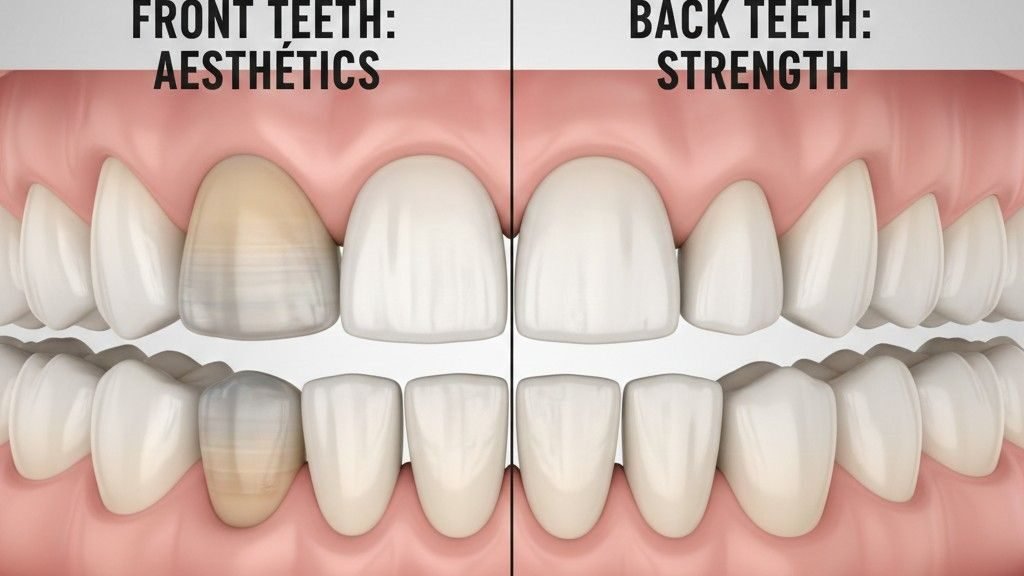
Front Teeth (Anterior Zirconia Bridge)
- High aesthetic demand
- Shade matching is critical
- Layered zirconia often preferred
Back Teeth (Posterior Zirconia Bridge)
- High chewing pressure
- Strength is the priority
- Monolithic zirconia recommended
Material selection depends on location and function.
All-on-4 and Full-Arch Zirconia Bridges
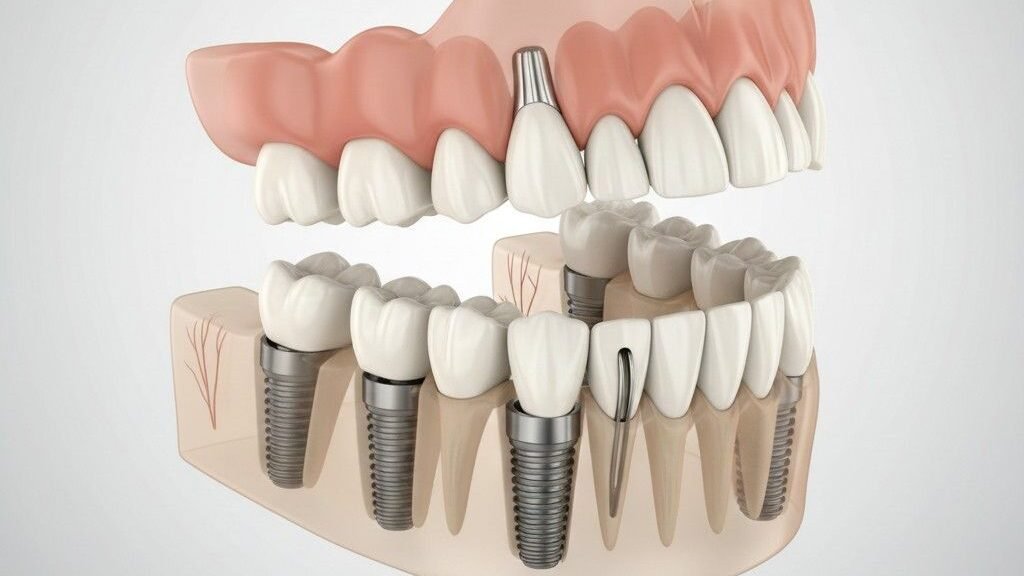
Full-arch zirconia dental bridge are increasingly popular in the USA.
Why Patients Choose This Option
- Fixed, non-removable teeth
- Natural appearance
- Strong bite function
- Improved quality of life
This option is ideal for patients with extensive tooth loss.
Zirconia Bridge Maintenance and Long-Term Care
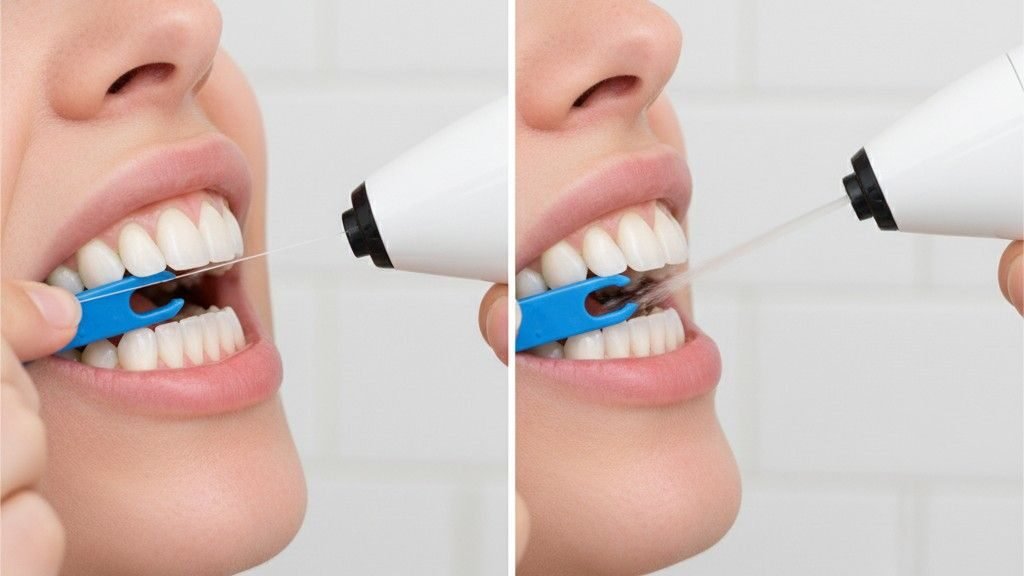
A zirconia dental bridges is designed to be durable, but its longevity depends heavily on daily care and professional maintenance. In the United States, dentists emphasize prevention because repairs or replacements can be costly.
Daily Oral Care Routine
Patients with a zirconia dental bridge should follow a consistent routine:
- Brush twice daily using a soft-bristle toothbrush
- Use non-abrasive toothpaste
- Clean under the bridge using super floss or a water flosser
- Rinse with an alcohol-free mouthwash
Plaque accumulation around the supporting teeth or implants is the most common cause of bridge failure.
Professional Dental Visits
Routine dental checkups every six months allow dentists to:
- Monitor gum health
- Check cement integrity
- Adjust bite alignment
- Identify early wear patterns
Preventive care significantly extends the functional life of the restoration.
Can a Zirconia Bridge Be Repaired?
One of the most common concerns among USA patients is whether a zirconia dental bridge can be repaired if damaged.
Minor Issues
- Cement loosening
- Bite discomfort
- Gum irritation
These can usually be corrected without replacing the bridge.
Structural Damage
Zirconia itself is extremely strong. However, in layered zirconia dental bridges, porcelain chipping may occur. In some cases, chairside polishing or composite repair is possible. Severe fractures typically require replacement, which is rare when the bridge is properly designed.
Zirconia Bridge and Gum Health
Gum response plays a critical role in long-term success.
Why Zirconia Is Gum-Friendly
- Smooth surface reduces plaque adhesion
- No metal corrosion
- Minimal inflammatory response
Patients with sensitive gums or previous reactions to metal restorations often tolerate zirconia better than traditional materials.
Zirconia Bridge vs Removable Dentures
Many patients compare fixed bridges with removable options.
Zirconia Bridges
- Fixed and non-removable
- Feels like natural teeth
- No movement while eating or speaking
- Higher initial cost, lower long-term inconvenience
Removable Dentures
- Lower upfront cost
- Require daily removal
- Can shift during function
- May accelerate bone loss
For patients seeking stability and comfort, zirconia dental bridges are often the preferred solution.
How to Choose the Right Dentist in the USA
The success of a zirconia dental bridge depends more on the dentist than the material itself.
What to Look For
- Experience with zirconia restorations
- Use of digital scanning and CAD/CAM
- Access to high-quality dental laboratories
- Clear communication and treatment planning
Board-certified prosthodontists or experienced general dentists typically deliver the most predictable outcomes.
Authoritative External References (Suggested)
For credibility and trust:
- American Dental Association (ADA) – patient education pages
- National Institutes of Health (NIH) dental materials research
These references reinforce E-E-A-T signals.
Frequently Asked Questions (AI Overview Optimized)
Is a zirconia bridge permanent?
Yes. A zirconia dental bridge is considered a permanent dental restoration, although it may need replacement after many years due to normal wear.
How long does a zirconia bridge last?
With proper care, most zirconia bridges last between 10 and 20 years, and many last even longer.
Is zirconia safe for dental use?
Yes. Zirconia is biocompatible, metal-free, and FDA-approved for dental restorations in the USA.
Does a zirconia bridge look natural?
Modern zirconia dental bridge are designed to closely match natural teeth in color and shape, especially when customized digitally.
Can zirconia bridges be used on implants?
Yes. Implant-supported zirconia dental bridge are common in the USA and provide excellent strength and stability.
Is zirconia better than porcelain for bridges?
Zirconia is generally stronger and more durable than traditional porcelain, making it suitable for both front and back teeth.
Final Conclusion
Choosing the right solution for missing teeth requires balancing durability, aesthetics, cost, and long-term oral health. For many patients in the United States, a zirconia dental bridges offers a reliable and modern answer. It combines exceptional strength with natural appearance, making it suitable for both cosmetic and functional restoration.
Advancements in digital dentistry and material science have positioned zirconia as one of the most trusted options available today. When properly planned and maintained, it restores confidence, improves chewing efficiency, and supports overall oral stability.
Before making a decision, patients should consult an experienced dental professional who can evaluate individual needs and recommend the most appropriate treatment. A well-designed zirconia dental bridge can be a long-term investment in both oral health and quality of life.