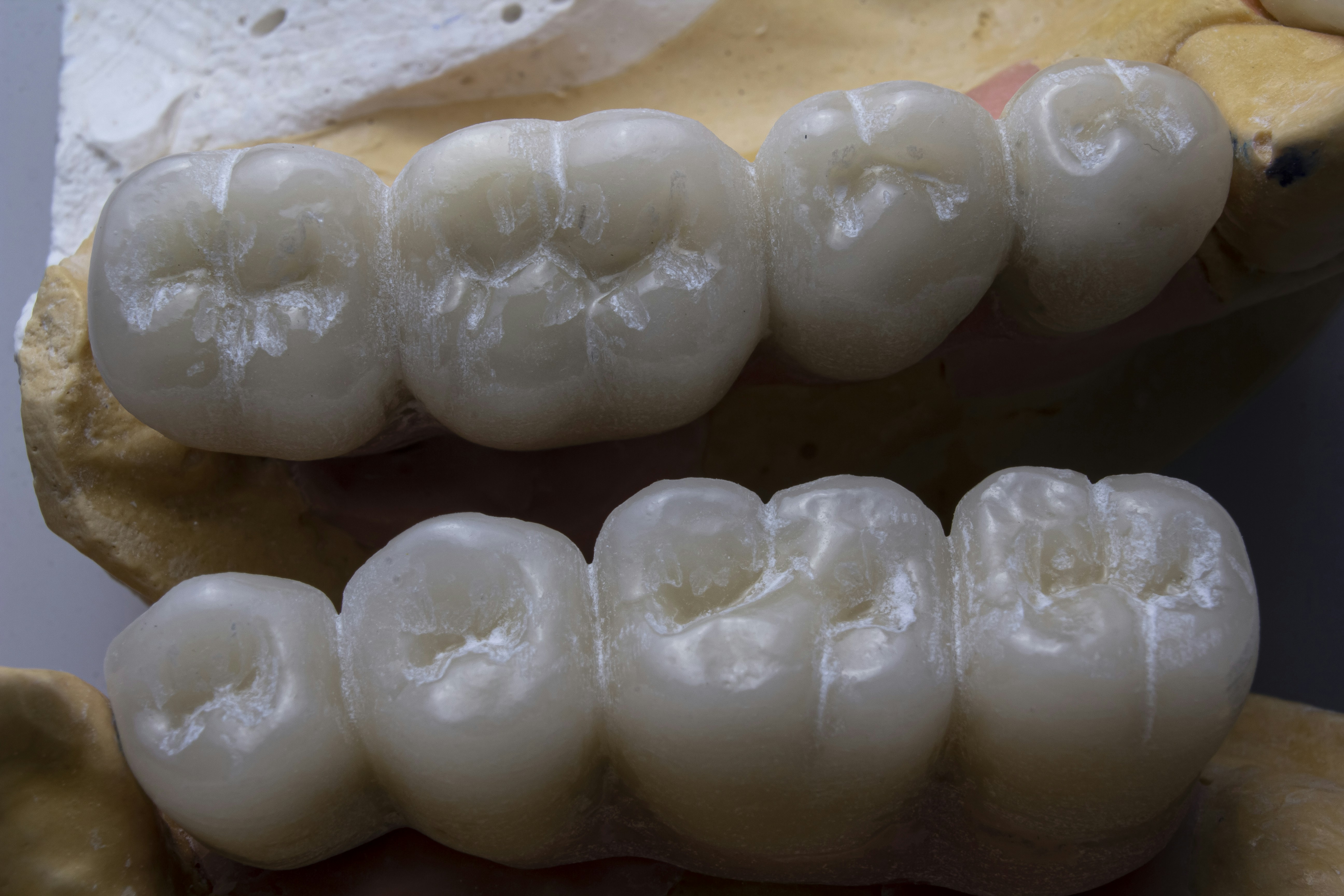
Dental solutions for restoring damaged or missing teeth are a critical aspect of modern oral health care. Among the various options available, zirconia bridge vs. multiple crowns is a common comparison patients consider due to their strong aesthetic and functional benefits. These restorative solutions address not only the structural integrity of the teeth but also the cosmetic concerns many patients face.
Zirconia bridges offer a seamless combination of durability and beauty, making them a popular choice in the zirconia bridge vs. multiple crowns debate. Manufactured from high-strength ceramic material, zirconia is well known for its ability to withstand chewing forces while closely mimicking the natural appearance of teeth. This option is especially beneficial for patients requiring replacement of multiple missing teeth, as a zirconia bridge can efficiently fill gaps and provide a stable, long-term solution. With advancements in digital dentistry, zirconia bridges now deliver enhanced precision and superior smile aesthetics.
In contrast, multiple crowns are an effective alternative for restoring individual damaged teeth. When evaluating zirconia bridges vs. multiple crowns, crowns are often preferred in cases where damage is localized and preserving natural tooth structure is a priority. Crowns can be fabricated from ceramic or porcelain materials and are customized to match surrounding teeth in color, shape, and size, ensuring a natural and harmonious appearance.
Ultimately, deciding between zirconia bridges vs. multiple crowns requires careful consideration of aesthetic goals, oral health condition, bite strength, and long-term durability. Consulting with a qualified dental professional is essential, as they can assess individual needs and recommend the most suitable treatment plan for optimal function and appearance.
Understanding Zirconia Bridge vs Multiple Crowns
A zirconia bridge is a type of dental prosthesis that is used to replace missing teeth by connecting multiple crowns together. Constructed from zirconia, a high-quality ceramic material known for its strength and aesthetic appeal, these bridges are an increasingly popular choice in restorative dentistry. The construction of a zirconia bridge involves creating a framework using this durable material, which is then covered with a layer of porcelain to mimic the natural look of teeth. This combination ensures both resilience and a pleasing appearance.
The process of obtaining a zirconia bridge typically begins with an initial consultation where the dentist assesses the patient’s oral health and discusses treatment options. Diagnostic imaging may be utilized to gain a deeper understanding of the patient’s dental structure. After the assessment, the dentist prepares the adjacent teeth to support the bridge and takes impressions of the mouth. These impressions serve as a model for the custom fabrication of the zirconia bridge, which is later designed in a dental lab.
One of the key benefits of zirconia as a material for bridges is its exceptional durability. Unlike traditional ceramics, zirconia has a higher fracture toughness, making it less likely to chip or break under pressure. Additionally, zirconia is biocompatible, meaning it is well-tolerated by the body, reducing the risk of allergic reactions or inflammation. Furthermore, the aesthetic qualities of zirconia allow the bridge to blend seamlessly with the surrounding teeth, providing a natural appearance that can enhance a patient’s smile. Overall, zirconia bridges offer an effective long-term solution for tooth replacement, combining functionality with cosmetic benefits.
Exploring Multiple Crowns
Dental crowns, often referred to as caps, are prosthetic devices that encase a damaged tooth or serve as a component for supporting a dental bridge. They provide protection, restore functionality, and ensure a natural appearance in the mouth. There are various materials utilized in the fabrication of crowns, including ceramic, porcelain-fused-to-metal (PFM), gold, and resin. The choice of material largely depends on the location of the tooth, the extent of discoloration, and the overall desired aesthetics.
The procedure for placing crowns typically involves several steps. Initially, the dentist will assess the tooth’s condition through examinations and possibly X-rays. If the tooth is deemed appropriate for a crown, the dentist will then prepare it by removing decay and shaping it to fit the crown snugly. Impressions of the tooth are then taken to ensure a precise fit, which will be sent to a dental laboratory for production. While waiting for the permanent crown, a temporary crown is usually placed to protect the tooth. Once the permanent crown is ready, the dentist will check its fit and aesthetics before permanently cementing it in place.
Dental crowns are recommended in specific situations. They are often used when a tooth is severely damaged, decayed, or weakened from root canal treatment. Additionally, crowns can also enhance the appearance of discolored or misshapen teeth. The advantages of multiple crowns lie in their ability to restore function and improve aesthetics, giving patients a confident smile. It is essential to also note that opting for crowns can minimize further damage to natural teeth, thus maintaining oral health in the long term.
Aesthetic Outcomes of Zirconia Bridges and Individual Crowns
When considering dental restorations, aesthetic outcomes are paramount, particularly when evaluating zirconia bridges and multiple crowns. Both options have their unique advantages, which can significantly impact the overall appearance of a patient’s smile.
Zirconia bridges, known for their outstanding durability and strength, are also highly regarded for their aesthetic properties. One of the primary benefits of zirconia is its excellent color matching capabilities. This material can be made to closely resemble natural teeth, which allows for seamless integration into a patient’s existing dental structure. Unlike metal-ceramic crowns, zirconia does not possess an opaque layer, enabling a more realistic, tooth-like translucence that mimics the natural appearance of enamel. This translucence is crucial for achieving an aesthetic result, especially in visible areas of the mouth.
On the other hand, individual crowns can also provide excellent aesthetic outcomes, particularly when crafted from high-quality materials such as porcelain or porcelain fused to metal. These crowns can be customized in terms of color and shape, allowing for a tailored fit to suit the patient’s facial structure and smile design. However, achieving the right translucence and color match can be more challenging, especially when multiple crowns are used across the dental arch. The potential for discrepancies in shade due to the underlying metal framework in some crowns can affect the uniformity of the smile, which may be a consideration for patients desiring an ideal aesthetic result.
In summary, both zirconia bridges and individual crowns can deliver attractive outcomes, yet zirconia may have an edge in mimicking the natural qualities of teeth. Of course, individual circumstances, including the patient’s oral health needs, and preferences, should guide the ultimate choice between these two restorative dental solutions.
Comparative Analysis: Structural Benefits
When considering the structural integrity of dental solutions, it is essential to analyze both zirconia bridges and multiple crowns in relation to their strength, stability, and longevity. Both options provide unique advantages, with zirconia known for its remarkable durability. Zirconia is a high-density ceramic material that can withstand significant biting pressure, making it an ideal choice for those requiring long-lasting dental restorations. In addition to its strength, zirconia is resistant to wear and chipping, which contributes to its longevity as a dental solution.
On the other hand, multiple crowns, typically made from either porcelain or metal, also offer considerable structural benefits. While traditional crowns can provide a well-fitted solution for individual teeth, their stability is contingent upon the underlying tooth structure. If the supporting tooth is compromised or decayed, the longevity of multiple crowns may be adversely affected. This consideration underlines the importance of assessing individual dental health prior to choosing crowns as a solution.
In terms of stability, zirconia bridges offer a more unified support system as they can span across several missing teeth while retaining structural strength. This integration allows zirconia bridges to distribute the chewing forces evenly across adjacent teeth, reducing stress and potential failure. Alternatively, multiple crowns require individual tooth preparations, which may weaken them over time, particularly with multiple placements. Thus, patients need to weigh their options carefully, considering existing dental conditions and potential wear factors.
Ultimately, both zirconia bridges and multiple crowns can provide viable solutions for dental restoration. However, the inherent structural benefits of zirconia bridges often make them a more favorable choice for long-term dental health and stability, especially in situations with significant tooth loss.
Cost Considerations for Each Option
When evaluating dental restoration options, such as a zirconia bridge and multiple crowns, understanding the financial implications is crucial. The cost can vary significantly depending on several factors, including the specific dental practice, geographic location, and the complexity of the dental procedure.
On average, a zirconia bridge may cost anywhere between $1,500 to $3,500 per unit, depending on the number of units required. This means if multiple teeth need replacement, the overall costs can accumulate quickly. Conversely, the cost of multiple crowns typically ranges from $800 to $2,500 per crown. Therefore, for patients requiring extensive work, the total fees for crowns could potentially exceed those of a zirconia bridge.
Insurance coverage often plays a role in how much the patient ultimately pays out-of-pocket. Many dental insurance providers cover a portion of the costs associated with crowns, but coverage for bridges may vary. It is advisable to consult with your provider to determine what is included in your plan. Additionally, some offices offer payment plans or financing options to help manage costs.
While the upfront costs of a zirconia bridge may be higher, they can offer long-term savings. A bridge can serve as a durable and stable solution that may require fewer adjustments or replacements compared to multiple crowns over time. This durability can result in reduced dental visits and overall expenses associated with both treatment and maintenance.
Ultimately, the decision between a zirconia bridge and multiple crowns should take into account not just the initial financial outlay but also the long-term benefits, potential maintenance costs, and individual dental health needs. Careful consideration of these factors will help patients choose the most appropriate and economical solution for their dental restoration requirements.
Patient Considerations: Which Option is Best for You?
When selecting between a zirconia bridge and multiple crowns, patients must evaluate several key factors that affect both immediate and long-term dental health outcomes. One primary consideration is the existing dental health of the patient. If a patient has multiple teeth that are damaged or decayed, a zirconia bridge may be the preferable choice, as it effectively replaces multiple adjacent teeth with a single prosthetic structure. Conversely, if teeth are largely intact but require individual restoration, multiple crowns might serve as a more suitable option, providing a tailored solution for each affected tooth.
Budget is another significant aspect to weigh. Generally, zirconia bridges tend to be more cost-effective compared to the cumulative costs of multiple individual crowns. However, it is crucial to consider the long-term investment aspect; durable solutions like zirconia bridges may offer better value over time by minimizing the need for additional dental interventions.
Aesthetics also play a vital role in the decision-making process. Zirconia is known for its natural appearance and is resistant to staining, making it an ideal option for individuals who prioritize the visual aspects of their smiles. Meanwhile, multiple crowns can be customized to match existing teeth but may require more extensive efforts to achieve a seamless appearance.
Finally, personal preferences and lifestyle factors should not be neglected. Some patients may prefer the simplicity and reduced number of appointments associated with a zirconia bridge, while others might favor the more meticulous approach of tailoring each individual crown. Making a choice between these two options ultimately depends on a careful assessment of these factors, and consulting with a dental professional can provide invaluable guidance tailored to individual circumstances.
Alternatives to Zirconia Bridges and Crowns
When considering dental restoration options, it is essential to explore all alternatives, including dental implants, partial dentures, and composite restorations. Each solution has its unique benefits, challenges, and suitability based on individual patient circumstances.
Dental implants are often regarded as a highly effective long-term solution for tooth loss. They involve placing a titanium screw directly into the jawbone, serving as a robust foundation for replacement teeth. One significant advantage of dental implants is their durability; with proper care, they can last a lifetime. Furthermore, because implants integrate with the bone, they help maintain jaw structure and prevent bone loss. However, the process can be time-consuming and may not be suitable for patients with insufficient bone density without undergoing additional procedures such as bone grafting.
Partial dentures offer another alternative, especially for patients missing several teeth but not all. These removable prosthetics can restore function and aesthetics at a lower cost compared to zirconia bridges or implants. Partial dentures may also require less invasive procedures, which can be beneficial for patients with underlying health conditions. However, some patients may find them less comfortable than fixed solutions, and they may require periodic adjustments or replacements.
Additionally, composite restorations can be an option for minor damage or decay on existing teeth. This method involves the application of tooth-colored resin to restore both function and appearance, making it less invasive than crowns or bridges. While an effective option for superficial issues, composite restorations may not provide the same level of strength or longevity as zirconia bridges.
It’s vital for patients to consult with their dental professionals to determine the most appropriate restoration option for their specific needs, as each alternative comes with its own set of considerations in relation to functionality, longevity, and overall oral health.
Conclusion: Making an Informed Decision
Choosing between a zirconia bridge and multiple crowns involves careful consideration of various factors unique to each patient’s dental condition. Both options have their respective advantages and disadvantages, and understanding these can greatly aid in making an informed decision. Zirconia bridges often offer a holistic solution for patients requiring multiple tooth replacement, providing durability and aesthetic appeal. On the other hand, multiple crowns may be more suited for those looking to restore specific teeth, allowing for a more targeted approach to dental restoration.
It is essential to acknowledge that each dental solution caters to different needs. For instance, patients with significant tooth loss might benefit more from a zirconia bridge, while those with existing teeth that require reinforcement could opt for crowns. The specific circumstances of the patient’s oral health, aesthetic preferences, and budgetary constraints play vital roles in determining the most appropriate treatment method. Additionally, the expertise of the dental professional overseeing the treatment cannot be overstated. An experienced dentist will evaluate the individual’s dental health, offer insights into potential outcomes, and discuss pros and cons comprehensively.
Ultimately, the decision should hinge on a thorough consultation with a dental expert. Engaging in discussions about personal goals and expectations with your dentist will provide clarity and help formulate a treatment plan tailored to your dental needs. Taking the time to consider all options will pave the way toward effective oral health care and achieve satisfying results, ensuring that any dental solution selected resonates well with your lifestyle and expectations.