Introduction to Zirconia Dental Bridge Procedure
Zirconia dental bridge procedure represent a modern solution in restorative dentistry, aimed at replacing missing teeth with enhanced aesthetics and durability. These dental prosthetics are made from zirconium dioxide, a ceramic material known for its strength and biocompatibility. Unlike traditional dental bridges, which often utilize metal components, zirconia bridges procedure provide a tooth-colored finish that closely resembles natural teeth. This aesthetic advantage is particularly appealing to patients concerned about visible dental work.
One of the key differences between zirconia dental bridge procedure and conventional options is the material composition. Traditional bridges typically consist of a metal framework covered with porcelain. While they are functional, the metal substructure can sometimes compromise the overall appearance, particularly if the gums recede over time, revealing dark lines. In contrast, zirconia bridges eliminate this issue by being entirely free from metal, thus contributing to a more natural look.
In addition to their visual appeal, zirconia dental bridges offer several functional benefits. Their high strength allows them to withstand the forces of chewing and grinding, making them a dependable choice for long-term use. Furthermore, zirconia is remarkably resistant to wear and fracture, which translates to a lower risk of damage when compared to traditional materials.
Another significant advantage of zirconia bridges is their biocompatibility. This means that the material is less likely to cause allergic reactions or sensitivities in patients, thereby ensuring a safer and more comfortable experience. In light of these benefits, zirconia dental bridges have gained popularity among both dental practitioners and patients, making them an increasingly relevant option in modern dentistry.
Initial Consultation: What Happens?
The initial consultation for a zirconia dental bridge procedure is a critical first step in the dental restoration process. During this appointment, patients can expect to undergo a comprehensive evaluation of their oral health. The dentist begins by examining the patient’s teeth, gums, and overall oral cavity to assess their suitability for a zirconia bridge.
To facilitate a thorough diagnosis, dentists often employ advanced imaging technologies, such as X-rays and 3D scans. These imaging techniques provide a detailed view of the jawbone structure and the positioning of adjacent teeth. This information is crucial for crafting a customized zirconia dental bridge that fits seamlessly into the patient’s mouth while ensuring functionality and aesthetics.
In addition to the clinical assessment, the consultation provides an opportunity for patients to discuss their dental concerns and expectations. It is important for patients to communicate their goals regarding the dental bridge, whether it be for improved aesthetics, chewing function, or restoring oral health. This dialogue helps the dentist formulate a treatment plan tailored to the individual’s needs, considering factors such as the number of missing teeth and the condition of surrounding teeth.
Finally, the dentist will explain the entire zirconia dental bridge procedure, including the timeline, costs, and aftercare expectations. Understanding each step helps alleviate any anxieties that patients may have and ensures they are well-informed about the procedure. All these components together create a personalized treatment path aimed at achieving optimal results and satisfaction with the final outcome.
Preparing for the Dental Procedure
Prior to undergoing a zirconia dental bridge procedure, it is essential for patients to prepare adequately to ensure a smooth and effective treatment experience. This preparation phase may involve several key steps.
First and foremost, a comprehensive consultation appointment with the dental professional is crucial. During this appointment, the dentist will conduct a thorough examination, reviewing the patient’s dental and medical history, and discussing the specifics of the zirconia dental bridge treatment. This is also the ideal time for patients to ask questions and clarify any concerns regarding the procedure, including its benefits and potential risks.
In terms of medication management, patients may be advised to modify their current medications before the procedure. For instance, inform your dentist about any blood-thinning medications or supplements that may need to be temporarily discontinued to prevent excessive bleeding during the dental work. Additionally, if you are prescribed antibiotics prior to the procedure, it is vital to take these as instructed to minimize the risk of infection.
Dietary considerations also play a significant role in the preparation for the zirconia dental bridge procedure. It is generally recommended to avoid eating or drinking anything for a few hours before the appointment, especially if sedation will be used. Patients should discuss specific dietary restrictions with their dentist to ensure compliance and comfort.
Regarding anesthesia, patients should familiarize themselves with the type that will be used during the procedure. The dentist will explain the sedation options, which may range from local anesthesia to general anesthesia, based on the complexity of the case and the individual’s comfort levels. Understanding these details can help set realistic expectations and alleviate any anxiety related to pain management.
By taking these preparatory steps seriously, patients can position themselves for a successful zirconia dental bridge procedure and foster a positive outcome.
The Step-by-Step Guide to Zirconia Dental Bridge Procedure
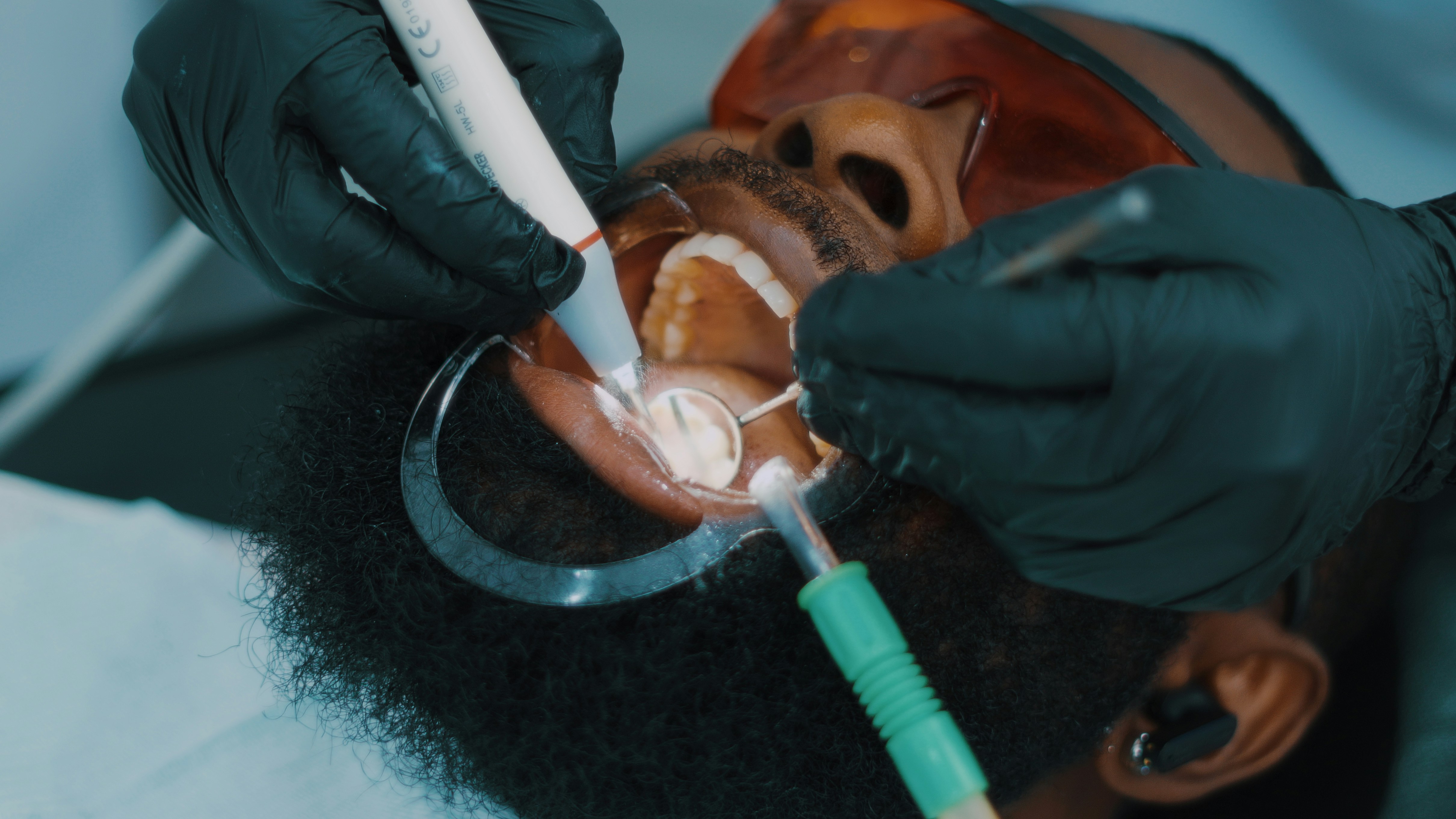
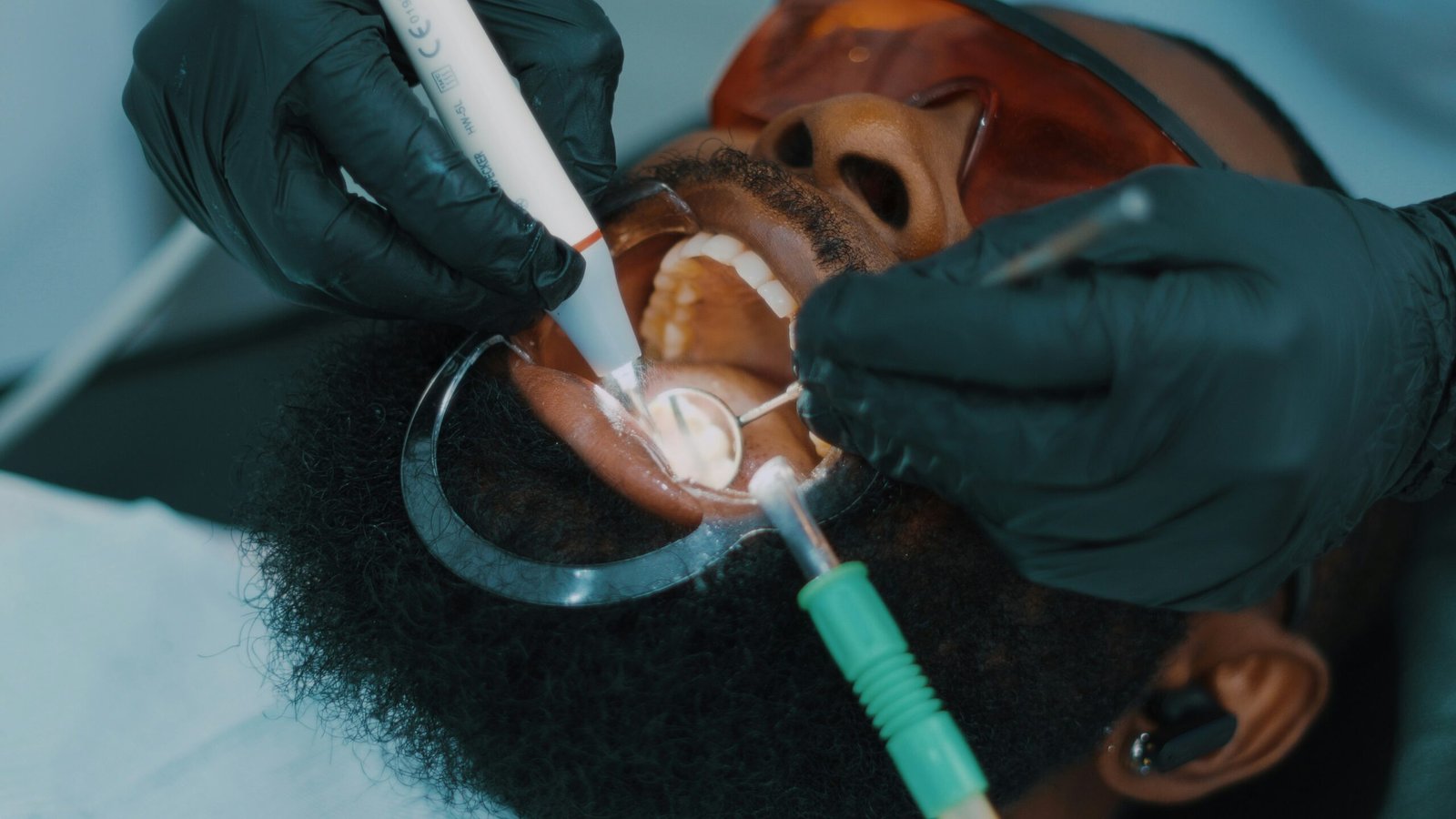
The zirconia dental bridge procedure is a multi-step process designed to replace missing teeth with a durable and aesthetically pleasing solution. The first step involves the administration of local anesthesia to ensure the patient remains comfortable throughout the procedure. An experienced dentist administers the anesthesia to numb the area around the affected teeth, allowing for a pain-free experience during tooth preparation.
Following the anesthesia, the next phase is tooth preparation. The dentist evaluates the adjacent teeth that will support the bridge. This often involves reshaping these teeth to accommodate the bridge, which entails carefully removing a portion of enamel to create sufficient space. This preparation is crucial, as it provides a stable foundation for the zirconia bridge.
Once the teeth are adequately prepared, the dentist takes detailed impressions of the mouth. This can be done using traditional impression material or digital scanning technology, depending on the practice’s resources. These impressions are essential for creating a custom zirconia dental bridge that fits the patient’s mouth precisely and aligns with their bite, ensuring both functionality and comfort.
In the interim period, a temporary bridge is placed over the prepared teeth. This temporary solution protects the exposed teeth and maintains aesthetics while the custom bridge is being fabricated in the dental lab. Players in the dental care process typically monitor the patient’s comfort and satisfaction with the temporary bridge.
Overall, understanding each step of the zirconia dental bridge procedure helps to demystify the process, allowing patients to feel more at ease as they prepare for restoring their smile with this innovative dental solution.
Creating Your Custom Zirconia Bridge
The fabrication of a custom zirconia dental bridge requires a combination of advanced technology and skilled artistry. The journey begins with the dentist taking highly accurate impressions of the patient’s dental arch. This step is crucial as it ensures that the final product will fit seamlessly within the patient’s mouth, aligning perfectly with the existing teeth. Digital scanning techniques may also be employed, offering enhanced precision and a more comfortable experience for the patient.
Once the impressions are taken, dental technicians utilize this data to create a digital model of the patient’s mouth. This model serves as the foundation for crafting the zirconia bridge, allowing technicians to visualize how the bridge will interact with the existing teeth. The use of Computer-Aided Design (CAD) and Computer-Aided Manufacturing (CAM) plays a significant role in this process, providing a level of detail that traditional methods may not achieve.
The choice of zirconia as a material enhances both the durability and aesthetics of the bridge. Zirconia is known for its strength and natural appearance, closely mimicking the translucency of natural teeth. The color can also be adjusted to ensure a perfect match, which is essential for the overall look of the dental restoration.
Furthermore, precision in the molding and shaping of the zirconia is imperative. The technicians meticulously adjust the contours and occlusion to ensure the bridge not only fits well but also functions properly during chewing and speaking. This concerted effort in the crafting phase underscores the significance of collaboration between the dentist, technician, and patient in achieving a satisfactory outcome.
Fitting and Adjustments: The Follow-Up Visit
The fitting appointment is a crucial step in the zirconia dental bridge procedure, as it involves checking the custom bridge for its fit, aesthetics, and functionality. After the initial placement of the bridge, the dentist will thoroughly assess its alignment with the surrounding teeth and gums. Comfort is paramount, so the dentist will inquire about any discomfort or issues that may arise during this appointment.
During the fitting process, the dentist may use various tools and materials to ensure that the bridge is perfectly adjusted. This may include making precise measurements to confirm that the bridge sits correctly on the abutment teeth. If adjustments are required, the dentist will carefully reshape the bridge, ensuring that it achieves both a secure fit and an appealing appearance.
The aesthetics of the bridge are equally important, as the color and shape should blend seamlessly with the natural teeth. The dentist will assess the visual aspects, making any necessary modifications to ensure that the bridge meets the patient’s expectations. This step vital for achieving a natural look, which is particularly significant in the anterior section of the mouth where aesthetics are a priority.
In some cases, the fitting appointment may also address the functionality of the bridge. The dentist will test how the bridge interacts with adjacent teeth while biting and chewing. If the patient experiences any issues during these tests, such as an improper bite or discomfort, further adjustments will be conducted to enhance functionality. Ensuring that the zirconia bridge not only looks good but also performs adequately in day-to-day activities is a primary goal of this appointment. Comprehensive attention to these details will contribute to a successful outcome and long-term satisfaction with the dental restoration.
Caring for Your Zirconia Dental Bridge
After undergoing a dental bridge procedure, especially one involving a zirconia dental bridge, maintaining optimal oral hygiene is crucial for ensuring both the durability and aesthetic appeal of your dental restoration. Start by implementing a thorough brushing routine. Use a soft-bristled toothbrush alongside fluoride toothpaste to gently clean around the bridge, as well as your natural teeth. It is advisable to brush at least twice a day, ensuring that all surfaces are adequately cleaned.
In addition to brushing, incorporating dental floss or interdental brushes into your daily routine is essential. These tools help remove food particles and plaque from areas that a toothbrush may not reach, thereby preventing gum infection and ensuring the longevity of the dental bridge. Look for floss that is specifically designed for dental bridges, as it is easier to use and more effective at cleaning around the bridge.
Dietary considerations play a significant role in maintaining your zirconia dental bridge. In the initial days following the procedure, it is recommended to consume soft foods that do not require excessive chewing. Gradually reintroduce harder foods as you become accustomed to your new bridge, though it is wise to avoid very sticky or hard items that could compromise the integrity of the restoration.
Lastly, regular dental check-ups are imperative to monitor the condition of your zirconia dental bridge and surrounding teeth. Professional cleanings and examinations should be scheduled every six months or as directed by your dentist. This not only promotes good oral health but also allows for early detection of any potential issues related to the bridge.
Common Questions and Concerns about Zirconia Bridges
Zirconia dental bridges are increasingly popular among patients seeking a durable and aesthetically pleasing solution for tooth loss. However, there are several common questions and concerns regarding their use that need to be addressed to ensure patients feel informed about their options.
One of the primary questions pertains to the durability of zirconia bridges. These dental appliances are renowned for their exceptional strength, often outlasting traditional materials. Zirconia is highly resistant to wear and fracture, making it suitable for bearing the forces of chewing. In fact, studies have shown that zirconia bridges can last upwards of ten years with proper care, which is comparable to or even exceeds the lifespan of porcelain or metal bridges.
Patients often inquire about how zirconia bridges differ from other types, such as porcelain-fused-to-metal or all-porcelain bridges. The most significant advantage of zirconia is its biocompatibility, which significantly reduces the risk of allergic reactions. Additionally, zirconia offers a superior aesthetic due to its natural tooth-like appearance, enabling a seamless integration into the patient’s dental arch.
Potential complications are also a common concern. Like any dental procedure, zirconia bridges may have their risks, including issues related to improper fit or potential wear on adjacent teeth. Regular dental check-ups are crucial, as they allow for early detection of any complications, ensuring optimal function and longevity of the bridge.
In addressing these concerns, patients can feel more at ease with their decision to choose zirconia dental bridges, confident that they are opting for a solution that is both durable and aesthetically pleasing.
Conclusion and Encouragement for Patients
In conclusion, the zirconia dental bridge procedure offers numerous advantages for individuals seeking durable and aesthetically pleasing solutions for missing teeth. This innovative method utilizes zirconia, a material known for its strength and biocompatibility, making it an ideal choice for dental restorations. Patients can expect enhanced functionality, improved oral health, and a natural appearance that aligns well with their existing teeth.
Choosing a zirconia dental bridge not only restores the vital function of chewing and speaking but also significantly contributes to confidence in one’s smile. As we have discussed, the durability and resistance of zirconia against wear and discoloration surpass that of traditional dental materials. Furthermore, the minimal invasiveness of the procedure often leads to quicker recovery times and less discomfort compared to alternative treatments.
It is essential for patients to consult with their dental providers to assess individual suitability for the zirconia dental bridge procedure. Each patient’s unique circumstances—such as overall oral health, specific dental needs, and personal preferences—will guide the best treatment pathway. A thorough discussion with a dentist can help individuals make informed decisions about whether this procedure aligns with their dental goals.
With advancements in dental technology, options like zirconia dental bridges are becoming more accessible. This progressive approach not only enhances dental aesthetics but also fosters long-term oral health. As you consider your options, be proactive in seeking information and asking questions during your consultations. Ultimately, understanding your choices empowers you to achieve not just a functional solution, but a renewed sense of confidence in your smile.