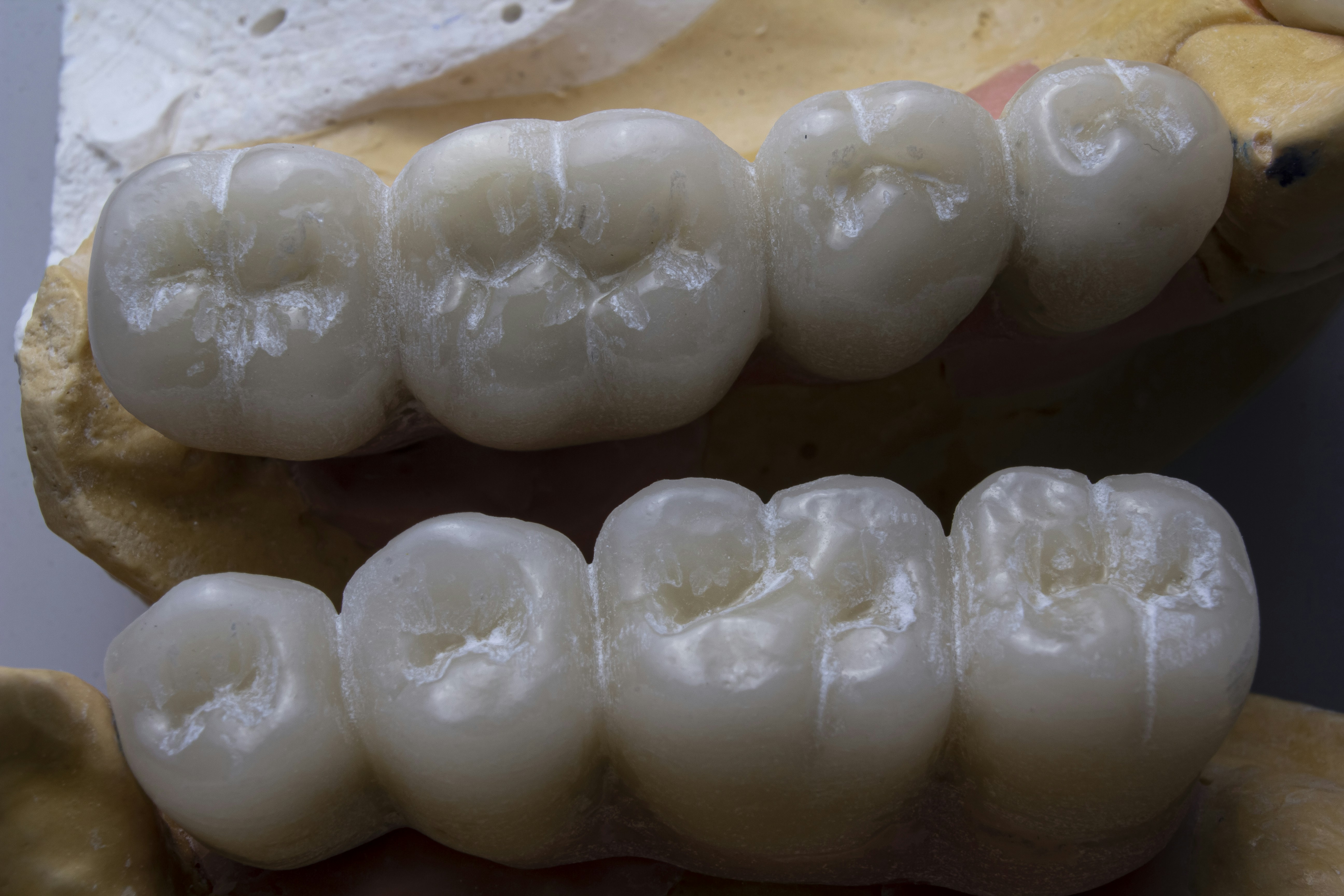
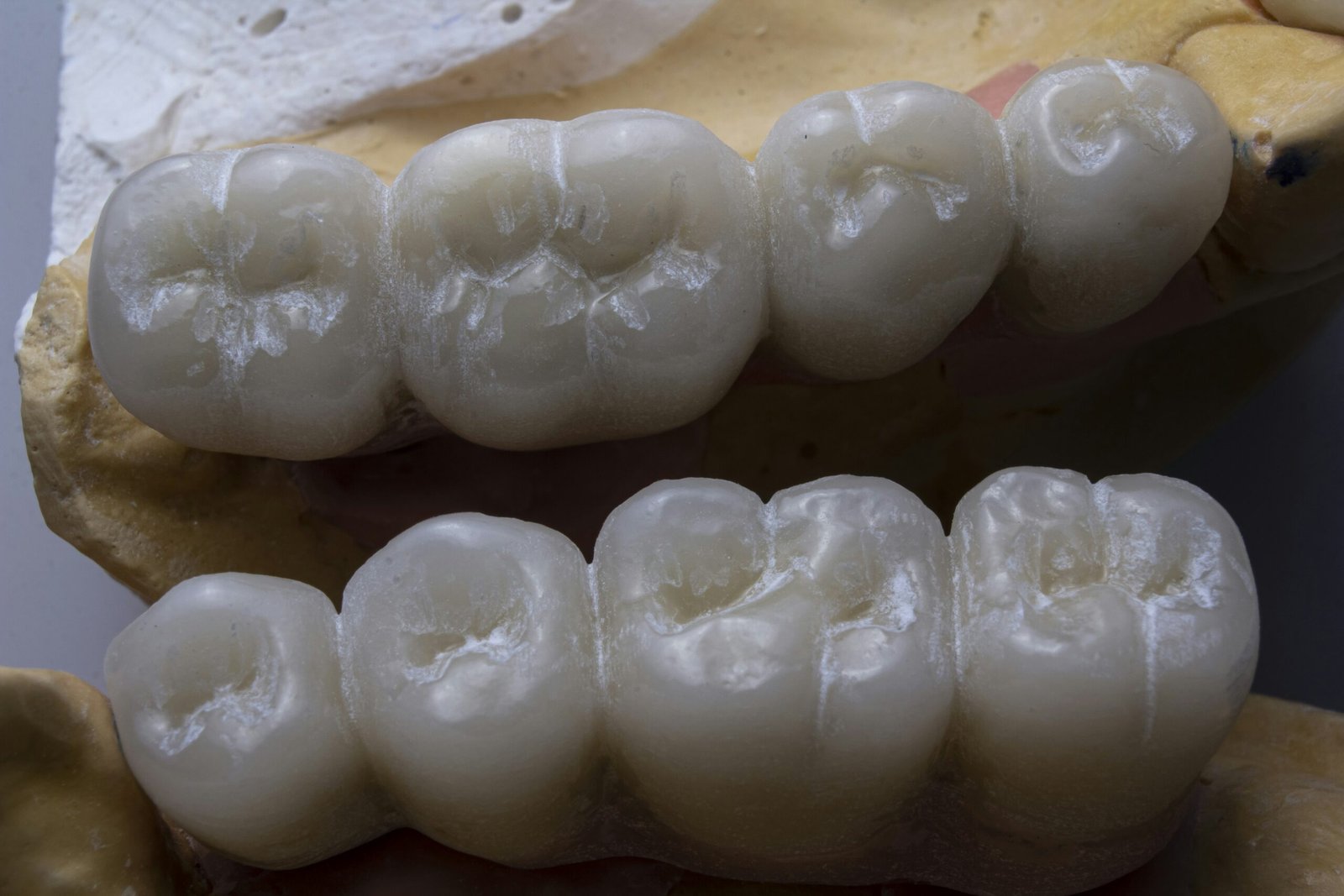
Introduction to Zirconia the Best Material
Dental bridges represent a crucial component of restorative dentistry, serving both functional and aesthetic purposes. They are prosthetic devices designed to replace one or more missing teeth by bridging the gap between two adjacent teeth, known as abutment teeth. The primary function of a dental bridge is to restore the ability to chew and speak properly, while also maintaining the natural alignment of the bite and preventing further dental complications that can arise from tooth loss.
The construction of dental bridges involves several materials, each offering unique properties. Commonly used materials include porcelain, metal alloys, and resin. Porcelain is particularly favored for its aesthetic qualities, mimicking the appearance of natural teeth. Metal alloys, on the other hand, are valued for their strength and durability, making them ideal for supporting the functional aspects of a bridge. Resin materials present a cost-effective option, though they may fall short of longevity compared to their porcelain and metal counterparts.
Choosing the appropriate material for a dental bridge is paramount, as it influences not only the bridge’s durability but also its visual appeal. For instance, zirconia, a newer material in the realm of dental restorations, is gaining popularity due to its exceptional strength and biocompatibility, along with its aesthetic viability that closely resembles natural teeth. Therefore, the selection process should consider factors such as the location of the bridge in the mouth, the patient’s bite force, and personal aesthetic preferences.
Ultimately, the decision regarding which material to use for dental bridges plays a significant role in achieving optimal dental health and patient satisfaction. By carefully weighing the advantages and disadvantages of available materials, patients and dental professionals can collaborate to ensure that the chosen solution aligns with both functional needs and aesthetic desires.
What is Zirconia?
Zirconia, chemically known as zirconium dioxide (ZrO2), is a white crystalline oxide of zirconium. Renowned for its remarkable strength and durability, it has garnered considerable attention in the field of dentistry, particularly for the fabrication of dental bridges. The material is derived from natural zirconium minerals and undergoes a series of processes to achieve its final form. As a result of its unique properties, zirconia is presented as an excellent option for prosthetic dental applications.
One of the primary reasons zirconia has become a popular choice in dental procedures is its exceptional strength. Zirconia exhibits high resistance to fracture and wear, making it ideal for dental bridges, which require materials that can withstand prolonged forces during chewing. Additionally, its impressive load-bearing capacity ensures that it can support the functional demands of natural teeth effectively.
Moreover, zirconia boasts superior biocompatibility compared to many other materials. This characteristic indicates that it is generally well-accepted by the human body, minimizing the risk of adverse reactions and making it suitable for long-term use in dental restorations. Its hypoallergenic nature further enhances its appeal, particularly for patients with sensitivities to metals like nickel, which are often used in traditional dental devices.
Aesthetic qualities also contribute to zirconia’s popularity in the dental industry. The material can be easily crafted to match the natural coloration of teeth, providing an aesthetically pleasing appearance for dental bridges. Zirconia’s translucency allows it to mimic the light-reflecting properties of natural enamel, resulting in a more lifelike finish. This aesthetic integration ensures that dental restorations blend seamlessly within a patient’s smile, increasing patient satisfaction.
Understanding Emax Dental Bridges
Emax dental bridges are a notable innovation in restorative dentistry, composed primarily of lithium disilicate. This material is renowned for its exceptional aesthetic qualities and strength, making it a preferred option among dental professionals for various bridge applications.
The unique composition of lithium disilicate provides Emax bridges with remarkable translucency, which closely mimics the natural appearance of teeth. This characteristic makes them particularly suitable for anterior bridges, where visual appearance is paramount. Their ability to reflect light in a manner similar to natural dentition enhances their aesthetic appeal, thus giving patients a more natural-looking smile. In terms of strength, Emax bridges boast a compressive strength of approximately 400 MPa, which is impressive for a ceramic material.
However, when comparing Emax to zirconia bridges, each material has distinct advantages and limitations. Zirconia is often favored for its superior durability and toughness, especially in posterior applications where occlusal forces are greater. Its dense structure makes it less prone to chipping or breaking, which can be a concern with Emax in high-stress areas.
That said, Emax can still be a viable option for posterior bridges if designed with proper framework considerations. Its versatility allows for creativity in crafting bridges tailored to specific patient needs, ensuring that both functional and aesthetic outcomes are achieved. Ultimately, the choice between Emax and zirconia depends on individual patient circumstances, including the location of the bridge, aesthetic expectations, and bite forces involved.
The Role of Gold in Dental Bridges
Gold has long been recognized as a traditional material for dental bridges, prized for its unique properties that contribute to dental restoration longevity and functionality. One of its most outstanding characteristics is strength; gold’s inherent tensile strength makes it an excellent choice for areas subject to high chewing forces, ensuring that dental bridges maintain their integrity under pressure. Additionally, gold exhibits exceptional wear resistance, which protects both the restoration and the underlying tooth structure over time, reducing the likelihood of complications such as fractures or wear-induced sensitivity.
Another critical advantage of gold is its biocompatibility. Gold is less likely to cause allergic reactions when compared to some other metals, making it a safe option for many patients. This attribute makes gold a favored choice among practitioners who consider patient safety and comfort paramount. The smooth surface of gold restorations also contributes to better oral hygiene, as they are less prone to plaque accumulation, a significant factor in the longevity of dental bridges.
However, despite its many benefits, the aesthetic appeal of gold can be a limiting factor for some patients. While gold restorations are functional, their metallic appearance does not blend with natural teeth as seamlessly as materials like zirconia or Emax, which offer a more tooth-like appearance. Consequently, patients seeking a more aesthetic option may gravitate towards these alternatives, which mimic the translucency and color of natural dentition more closely. The preference for aesthetics versus functionality continues to shape choices in dental materials, pushing practitioners to find a balance that meets the specific desires and needs of their patients.
Porcelain Bridges: Pros and Cons
Porcelain has long been a favored material for dental bridges due to its exceptional aesthetic appeal, closely mimicking the natural appearance of teeth. The translucency of porcelain allows these bridges to reflect light in a manner similar to dental enamel, leading to a more lifelike result. This feature makes porcelain bridges particularly popular among individuals who prioritize aesthetics in their dental restoration choices.
In addition to their visual advantages, porcelain bridges can be custom-designed to match the color of surrounding teeth, ensuring a seamless integration into the smile. The ability of porcelain to be stained and glazed offers dental professionals the tools needed to meet specific cosmetic demands. This makes porcelain an appealing option for patients who seek natural-looking teeth and are less concerned about the material’s durability.
However, porcelain bridges are not without their drawbacks. Although they offer a beautiful appearance, they are generally more susceptible to chipping and wear compared to other materials, such as zirconia and Emax. The brittleness of porcelain means that, while on par with natural teeth in regards to appearance, the chances of experiencing damage can increase in cases of excessive grinding or heavy bite forces. Additionally, porcelain bridges may be less resilient in the long term than those made from gold, which is known for its strength and durability.
Overall, while porcelain bridges provide an outstanding aesthetic solution for tooth restoration, potential wear and chipping should be carefully considered when selecting the appropriate material for a dental bridge. For those who prioritize appearance and are willing to manage the upkeep, porcelain remains a viable option in the ever-evolving landscape of dental materials.
Comparative Analysis: Zirconia vs. Emax, Gold, and Porcelain
In the quest for the optimal material for dental bridges, comparative analysis among zirconia, Emax, gold, and porcelain reveals distinct advantages and disadvantages for each option. When assessing strength, zirconia stands out, known for its exceptional durability and resistance to fractures. This characteristic makes it a highly favorable choice, especially for posterior teeth that experience greater chewing forces. Emax, while also strong, may not exhibit the same level of resilience as zirconia, although it is noted for its superior aesthetics.
Aesthetically, Emax and porcelain often surpass zirconia, offering a lifelike translucency that closely mimics natural teeth. Dental experts frequently recommend Emax for front teeth restorations where appearance is paramount. Gold remains a staple in dentistry due to its excellent biocompatibility, but its visibility and cost can deter patients from choosing it for bridges. Porcelain, although aesthetically pleasing, may lack in durability compared to zirconia and gold, making it less ideal for long-term solutions.
Cost is another critical factor in the discussion. Zirconia tends to be more affordable than gold, yet it may still be priced higher than porcelain. However, many dentists argue that the initial investment in zirconia is justified by its longevity and strength, reducing the likelihood of replacements. Gold, while durable, often comes with a hefty price tag, which may not be feasible for every patient. In contrast, porcelain tends to be the most cost-effective option but may require more frequent replacements over time.
Lastly, longevity is a crucial consideration. Zirconia bridges can last significantly longer than porcelain alternatives, often exceeding ten years with proper care. Gold, known for its longevity, parallels zirconia in this aspect, making both strong contenders for patients seeking durable restorations. Ultimately, the choice of material will depend on individual patient needs, aesthetic desires, and budget considerations, with zirconia frequently emerging as a trusted option among dental professionals.
Expert Opinions on Material Selection
Dental professionals and materials experts have varied insights regarding the selection of materials for dental bridges, particularly in relation to zirconia, Emax, gold, and porcelain. Each material presents unique benefits and considerations that can significantly affect patient satisfaction and long-term success.
Dr. Jane Smith, a prosthodontist with over 15 years of experience, emphasizes the durability of zirconia. She states, “Zirconia has proven to be remarkably strong and resistant to chipping, making it ideal for posterior bridges where occlusal forces are prevalent.” She adds that many patients favor zirconia for its aesthetic appeal, noting that it can be colored to closely match natural teeth, enhancing the overall appearance.
On the other hand, Dr. John Brown, an expert in restorative dentistry, advocates for Emax for anterior bridges, citing its superior aesthetic qualities. “Emax provides an unparalleled translucency that mimics natural dentition, crucial for front teeth visibility. However, it may not possess the same strength as zirconia,” he explains, encouraging clinicians to consider the patient’s specific needs and location of the bridge.
Furthermore, Dr. Emily White, who focuses on materials science, highlights gold’s longevity. She remarks, “Gold might not be the first choice for aesthetic reasons, but its durability and biocompatibility are unmatched. For individuals prioritizing longevity over appearance, gold remains a time-tested option.” She notes that this traditional material offers a success rate that is hard to surpass.
Ultimately, the choice among zirconia, Emax, gold, and porcelain should be guided by patient preferences, desired aesthetics, and functional requirements informed by clinical outcomes. This multifaceted approach ensures optimal results in dental bridge placement, balancing both the technical and personal aspects of dental care.
Patient Considerations: What to Discuss with Your Dentist
Choosing the right material for a dental bridge is a crucial decision that requires thorough discussion between the patient and dentist. Several key considerations should be taken into account during this dialogue to ensure optimal outcomes.
Firstly, patients should discuss their individual health conditions. Pre-existing dental issues, such as gum disease or tooth sensitivity, could influence the choice of materials. Understanding any allergies or sensitivities to metals or ceramics is also essential as these can guide the dentist towards more suitable alternatives. Additionally, the patient’s overall health, including conditions like diabetes or conditions that affect healing, should be explored, as these factors may affect how well certain materials integrate with the body.
Budget is another significant consideration for patients. Dental bridge materials vary in cost, and it is vital for patients to have a clear understanding of how much they are willing to invest. Discussing financing options or insurance coverage related to different materials can alleviate financial stress. It is important for patients to express their budget constraints candidly so that the dentist can provide the most suitable recommendations.
Aesthetics also play a crucial role in the decision-making process. Patients should communicate their preferences regarding the appearance of the dental bridge. For example, zirconia is renowned for its natural look, closely resembling natural teeth. This may be a critical factor for those concerned about the visibility of their dental work. Dentists typically assess the most visible areas of the mouth to recommend materials that best meet aesthetic goals.
Finally, it is imperative that patients heed their dentist’s expertise. Dentists can provide informed recommendations based on their experience and knowledge of various materials and their suitability for specific individual cases. Engaging in open discussions can lead to a material choice that balances health, budget, and aesthetic considerations effectively.
Conclusion: Finding Your Best Dental Bridge Solution
Determining the most suitable material for a dental bridge is not a one-size-fits-all endeavor. Various factors play a critical role in this decision, including the specific dental needs of the patient, aesthetic considerations, and the location of the bridge in the mouth. While zirconia is gaining popularity as a strong and aesthetically pleasing option, it is important to remember that there are other materials available, each with its own set of advantages and disadvantages.
Dental professionals often recommend a comprehensive, individualized treatment plan that considers the patient’s overall dental health and personal preferences. For instance, while some patients may prioritize durability, others may place a higher value on natural appearance or cost-effectiveness. It is crucial for patients to engage in open discussions with their dental care providers to explore the various options that can best meet their unique circumstances.
Ultimately, our analysis highlights the importance of a tailored approach to selecting the right material for a dental bridge. Patients should consider factors such as the longevity of the material, potential allergic reactions, and the impact on oral health when making their choice. As dental technology continues to advance, the choices available for dental bridges are evolving, making it imperative for patients to stay informed. In conclusion, by prioritizing consultations with dental professionals and considering their individual needs, patients can confidently arrive at the best dental bridge solution for their circumstances.