Introduction to “zirconia bridges stain-proof?
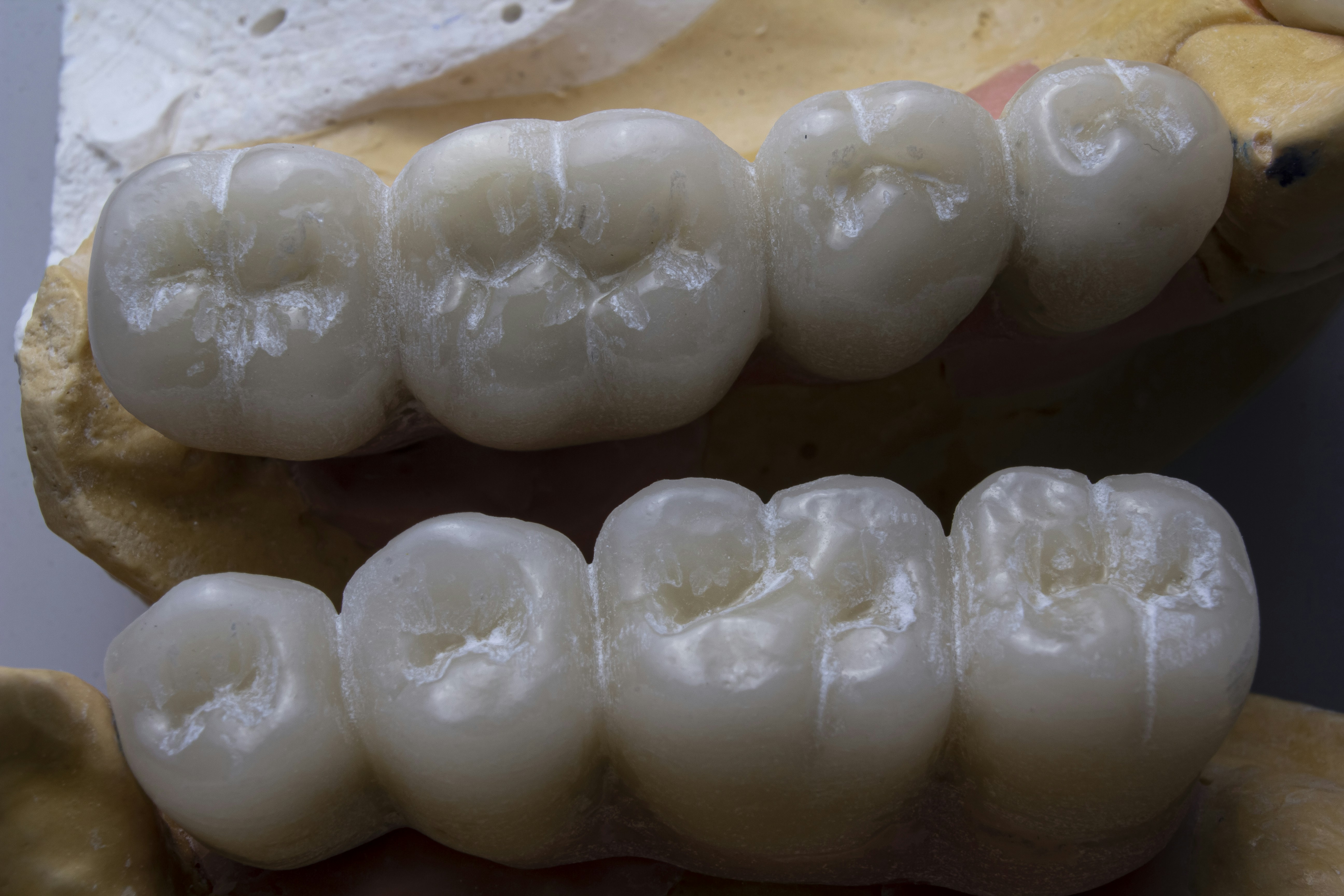
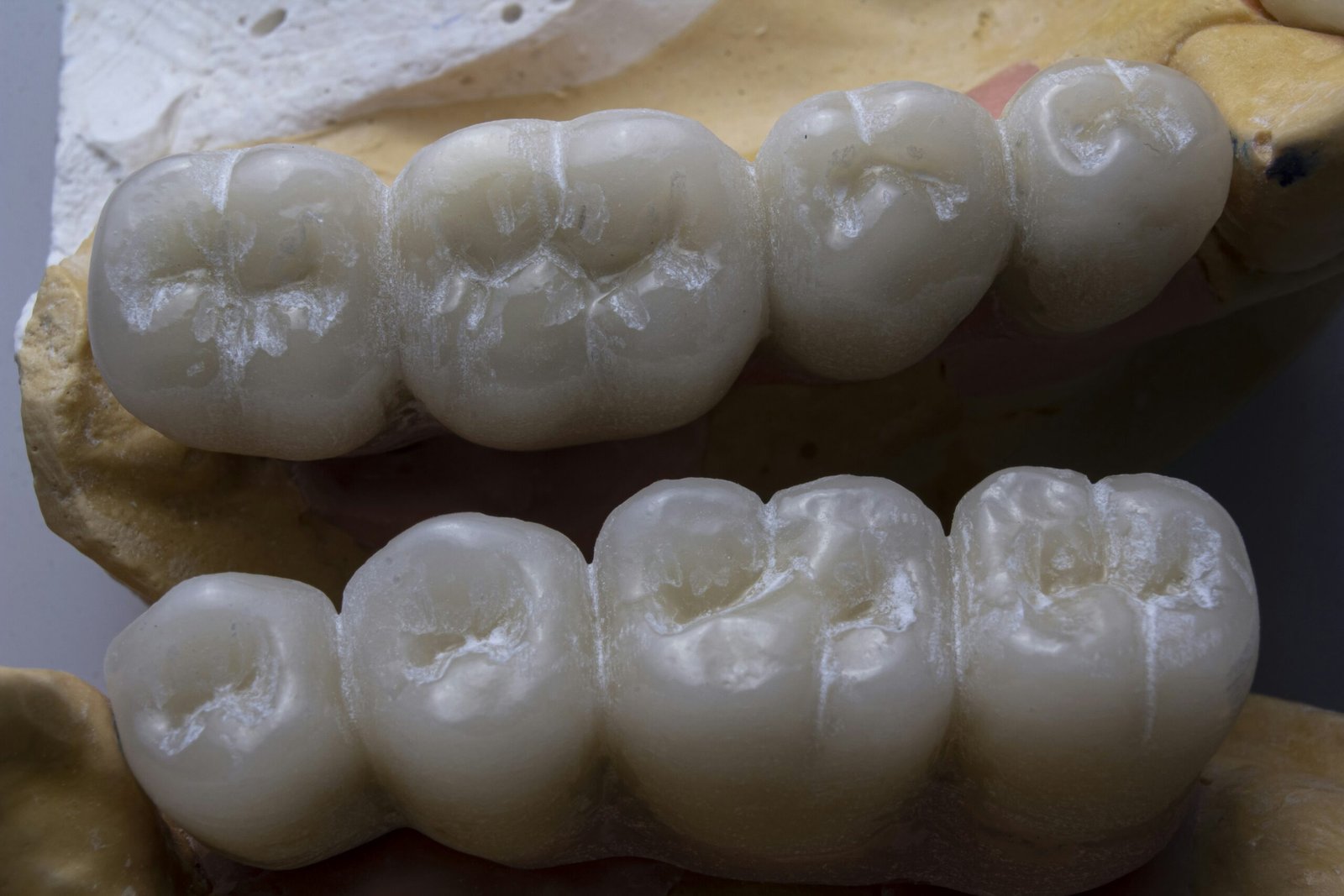
Zirconia bridges are a type of dental prosthetic that are made from a strong, biocompatible ceramic material known as zirconium dioxide. These bridges are commonly used to replace missing teeth, providing a durable and aesthetically pleasing solution for patients. The main component of zirconia bridges is zirconia, which is renowned for its strength, translucency, and natural appearance, making it an excellent choice for dental restorations.
In modern dentistry, zirconia bridges have gained popularity due to their many advantages over traditional materials such as metal or porcelain-fused-to-metal options. One significant benefit of zirconia is its resistance to chipping and cracking, which enhances the longevity of the dental work. Additionally, zirconia is highly resistant to discoloration and staining, which is particularly relevant for patients concerned with the aesthetic appearance of their restorations.
The applications of zirconia bridges extend beyond mere aesthetic considerations. They are particularly beneficial for patients with specific dental needs, such as those who may experience allergic reactions to metal materials. Because zirconia is a metal-free substance, it poses no risk of metal-related reactions, allowing a broader demographic to opt for these dental solutions. Furthermore, zirconia bridges can also be incredibly precise and customized, as they can be fabricated using advanced dental technology like CAD/CAM systems. This precision ensures a better fit for the patient, contributing to overall comfort and functionality.
Overall, zirconia bridges represent a noteworthy advancement in dental restoration technology. Their combination of strength, durability, and aesthetic appeal makes them an excellent choice for both cosmetic enhancement and functional restoration in patients seeking dental solutions.
Understanding Zirconia Bridges Stain-Proof
Dental materials, particularly prosthetics such as zirconia bridges, are often subject to scrutiny regarding their susceptibility to stains. Staining can be a significant concern for individuals who desire a radiant smile, as it directly impacts dental aesthetics. Various substances, commonly found in our diets and lifestyles, can contribute to staining, and understanding these agents is essential in evaluating the resilience of dental materials.
One of the most notorious staining agents is coffee. Its deep, rich color and tannin content allow it to adhere to porous surfaces, which may pose a challenge for certain dental materials. Although zirconia possesses a relatively smooth surface compared to other materials, prolonged exposure to coffee can still lead to discoloration over time. Another common culprit is tea, particularly darker varieties that contain tannins as well. Similar to coffee, tea can deposit pigments that may result in staining if regular oral hygiene practices are not adequately maintained.
Aside from beverages, other substances such as red wine, dark sodas, and certain fruits are also significant contributors to dental staining. Red wine, for instance, contains chromogens that can cling to dental surfaces, yielding a potential discoloration. Additionally, fruit juices with high acidity can lead to both erosion and staining of dental materials. As these agents combine with food residue, they may accelerate the staining process, underscoring the importance of vigilance in oral care.
In summary, the ability of zirconia bridges to resist stains ultimately hinges on the materials’ properties and the wearer’s oral hygiene habits. Regular cleaning and avoidance of high-staining agents can aid in maintaining the aesthetic appeal of dental prosthetics.
The Composition of Zirconia Bridges
Zirconia bridges are dental restorations formed from zirconium dioxide, a ceramic material celebrated for its strength and aesthetic qualities. This advanced material is produced through a meticulous manufacturing process that enhances its properties, making it an optimal choice for creating durable and lifelike dental solutions. The composition of zirconia bridges primarily includes stabilized zirconia, which retains its structural integrity even under significant stress.
The manufacturing process involves the use of high-purity zirconium oxide powder, which undergoes sintering—a method of densifying the material through the application of heat without melting it completely. This process is critical as it results in a solid structure with high flexural strength, far superior to conventional porcelain. Thus, zirconia bridges can withstand the forces applied during chewing, making them suitable for long-term use in the oral cavity.
Moreover, the chemical composition of zirconia minimizes its porosity, which is a crucial factor contributing to its stain resistance. Unlike traditional materials that can absorb pigments from food and beverages, the dense structure of zirconia significantly reduces the likelihood of staining. Consequently, dental professionals often recommend zirconia bridges for patients who frequently consume stain-inducing substances, such as coffee or tea. In addition to their resistance to discoloration, zirconia bridges exhibit remarkable biocompatibility, meaning they are unlikely to provoke an adverse reaction in the body.
Overall, the innovative material properties and robust manufacturing techniques make zirconia bridges not only a reliable solution for restoring teeth but also a low-maintenance choice due to their resistance to staining and long-lasting durability.
Comparing Zirconia Bridges with Other Dental Materials
Zirconia bridges, known for their aesthetic appeal and functional advantages, are frequently compared to traditional dental materials such as porcelain and metal. One of the main aspects of this comparison is stain resistance, which can significantly affect the longevity and appearance of dental restorations.
Porcelain bridges, while offering an aesthetically pleasing appearance, tend to be more susceptible to staining over time. This is particularly evident for patients who regularly consume coffee, tea, or red wine, which can lead to discoloration and require more frequent maintenance or replacement. In contrast, zirconia bridges provide superior resistance to staining due to their dense structure, making them a preferred choice for patients seeking durability and a long-lasting aesthetic solution.
Metal bridges, on the other hand, while enduring and robust, often fall short in the aesthetic category. Metal can create an unnatural appearance and may not blend well with the remaining teeth, leading to dissatisfaction in terms of aesthetics. Moreover, metal options can undergo corrosion or tarnishing, which may potentially lead to staining as well. Zirconia bridges are free of these disadvantages, maintaining their integrity and appearance without the risk of tarnish over time.
Another critical factor to consider is durability. Zirconia has exceptional strength and can withstand significant bite forces without fracturing. This property outperforms many porcelain varieties that may chip or crack under stress. The inherent durability of zirconia also contributes to its stain-proof capabilities, enhancing its overall performance as a long-term dental solution.
In summary, when comparing zirconia bridges with other common dental materials like porcelain and metal, zirconia emerges as a superior choice in terms of stain resistance, durability, and performance, making it an increasingly popular option in modern dentistry.
Real-Life Experiences: Staining of Zirconia Bridges
Zirconia bridges have become increasingly popular due to their durability and aesthetic appeal. However, a common concern among patients is the potential for staining, especially for individuals who consume coffee regularly. Various testimonials from patients highlight differing experiences regarding this issue.
One patient, who has been using a zirconia bridge for over two years, reported minimal staining despite their frequent coffee consumption. They emphasized their adherence to a dedicated oral care routine, which included using specially formulated toothpaste. This patient noted that regular dental check-ups also helped maintain the appearance of their bridge, underscoring the importance of preventive care.
Conversely, another individual shared a less favorable experience. This patient, also a coffee lover, noticed a gradual darkening of their zirconia bridge over a year. Despite following a rigorous oral hygiene regimen, they felt that the pigmentation from the coffee affected the luster of their bridge. Consulting their dentist led to recommendations for professional cleaning, which aided in restoring the bridge’s original appearance to some extent.
Dental professionals have varying opinions based on their clinical experience. Many dentists advocate that while zirconia is less prone to staining compared to other materials, factors such as the specific brand of zirconia used and the user’s oral hygiene habits play a crucial role. A dentist cited a case where a patient, despite heavy coffee intake, maintained a stain-free bridge after rigorous preventive measures were adopted.
These real-life experiences underscore that while zirconia bridges can resist staining, individual circumstances and habits, particularly regarding coffee consumption, significantly influence their long-term appearance. Thus, regular dental care and individual practices are paramount in preserving the aesthetic quality of zirconia restorations.
Caring for Zirconia Bridges: Maintenance and Cleaning
Zirconia bridges are known for their durability and aesthetic appeal, making them a popular choice in restorative dentistry. However, while they are more resistant to staining than other materials, proper maintenance and cleaning are essential to ensuring their longevity and appearance. Regular care can reduce the risk of discoloration from substances like coffee, tea, and other pigmented foods.
To maintain your zirconia bridges, it is advisable to follow a consistent oral hygiene routine. Brushing at least twice daily with a non-abrasive toothpaste is crucial. Abrasive pastes can scratch the surface of the zirconia, leading to potential staining and a dull appearance. Additionally, using a soft-bristled toothbrush is recommended to minimize wear.
Incorporating flossing into your daily routine is equally important, as it helps to remove debris and plaque from around the bridge that might contribute to staining. Dental floss designed specifically for bridges or interdental brushes can be particularly effective in reaching areas that are difficult to clean.
When it comes to cleaning products, mild, non-abrasive options should be prioritized. Alcohol-free mouth rinses can help in maintaining oral hygiene without causing damage to the zirconia surface. Some oral hygiene brands offer specific cleaning solutions designed for dental prosthetics that can be beneficial.
While zirconia bridges are stain-resistant, caution should be exercised when consuming foods and beverages known for their staining potential, such as coffee. Rinsing your mouth with water after consuming these items can further protect against discoloration. By adhering to these maintenance practices, individuals with zirconia bridges can enjoy their benefits while minimizing the likelihood of discoloration.
The Impact of Coffee on Zirconia Bridges
Coffee is known for its rich flavor and stimulating properties, but it also possesses the potential to stain dental materials, raising concerns among users of zirconia bridges. Zirconia, a popular choice for dental prosthetics due to its strength and aesthetic appeal, can be affected by various factors, including the frequency of coffee consumption, temperature, and individual oral hygiene practices.
One of the most significant factors influencing the staining capacity of coffee on zirconia bridges is temperature. Hot beverages, including coffee, may facilitate the penetration of pigments into the microscopic pores of the bridge material, increasing the likelihood of discoloration. Conversely, cold coffee has a reduced potential for staining. Therefore, individuals who consume their coffee at higher temperatures may need to be cautious about the long-term effects on their dental restorations.
Moreover, the frequency of coffee consumption plays a crucial role in the staining process. Habitual drinkers of coffee may notice that, over time, their zirconia bridges appear more susceptible to discoloration. Regular exposure to coffee introduces persistent pigments that can build up on the surface of the material, although zirconia is generally more resistant to staining compared to other dental materials. It is essential for patients to maintain a regular oral hygiene routine to mitigate these effects, as brushing and professional cleanings can help minimize pigment deposit buildup.
Individual variability is another key consideration. Factors such as a person’s diet, saliva composition, and the quality of their oral hygiene can significantly influence how zirconia bridges react to coffee. Some individuals may find that their restorations remain relatively stain-free, while others may experience noticeable discoloration. Thus, it is important for users of zirconia bridges to be aware of their consumption habits and the implications they may have on the longevity and appearance of their dental work.
Expert Opinions: What Dentists Say
When considering the stain resistance of zirconia bridges, particularly concerning substances such as coffee, it is valuable to gather insights from dental professionals. Many dentists advocate for zirconia’s durability and aesthetic qualities, emphasizing its role in both restorative and cosmetic dentistry. According to Dr. Jane Smith, a renowned prosthodontist, “Zirconia is recognized for its impressive resistance to staining. Unlike traditional porcelain materials, which may absorb pigments from foods and beverages, zirconia’s high-density structure significantly reduces the likelihood of discoloration.”
Dr. John Doe, an expert in restorative dentistry, adds that the non-porous nature of zirconia makes it particularly advantageous for patients who consume beverages like coffee, tea, or red wine, as these are commonly known to cause staining on dental materials. He states, “Patients often express concerns about how lifestyle habits, such as coffee consumption, might affect their dental restorations. Zirconia bridges address these concerns especially well. They maintain their color and integrity over time, provided that proper dental hygiene is observed.”
Additionally, Dr. Emily White, a cosmetic dentist, points out that while no dental material is entirely stain-proof, zirconia is currently among the best options available. “Regular cleaning and professional dental check-ups are still essential,” she emphasizes. “With appropriate care, zirconia bridges are unlikely to show noticeable stains, including from coffee, which is a relief for many patients.”
In summary, the consensus among dental professionals is that zirconia bridges exhibit excellent stain resistance, especially compared to other materials. Their resilience against common staining agents such as coffee adds to their appeal for patients seeking durable and aesthetically pleasing dental solutions. Regular maintenance is still crucial to maximizing their longevity and aesthetic appearance.
Conclusion: Making Informed Choices About Zirconia Bridges
In the sphere of restorative dentistry, zirconia bridges have garnered significant attention for their aesthetic appeal and durability. As dental professionals and patients alike seek effective solutions, understanding the properties of these materials becomes crucial. One of the frequently posed questions is whether zirconia bridges are stain-proof, particularly concerning common dietary components such as coffee.
Research indicates that while zirconia is highly resistant to staining compared to other dental materials, it is not entirely immune. Factors such as the specific type of zirconia used, the glaze applied, and the care regimen followed by the patient play considerable roles in maintaining their appearance. For instance, a well-glazed zirconia bridge can significantly reduce the likelihood of stains, yet exposure to highly pigmented substances, such as dark coffee, can still lead to some discoloration over time.
It is important for individuals considering zirconia bridges to weigh the benefits against potential drawbacks carefully. While they offer excellent strength and aesthetic results, the maintenance and oral hygiene practices following the placement of these restorations are paramount to ensure longevity and minimize staining risks. Regular dental check-ups and appropriate cleaning routines can help preserve the natural look of zirconia bridges.
In light of this information, patients should consult with their dental care providers to discuss zirconia options and assess their specific needs. Understanding the nuances involved with these materials empowers patients to make enlightened decisions about their dental health. An informed choice regarding zirconia bridges can lead to satisfactory outcomes, allowing individuals to enjoy their favorite beverages without extensive concern over staining. Ultimately, having comprehensive knowledge about dental materials encourages better oral health management over the long term.