Understanding Repair a Zirconia Bridge
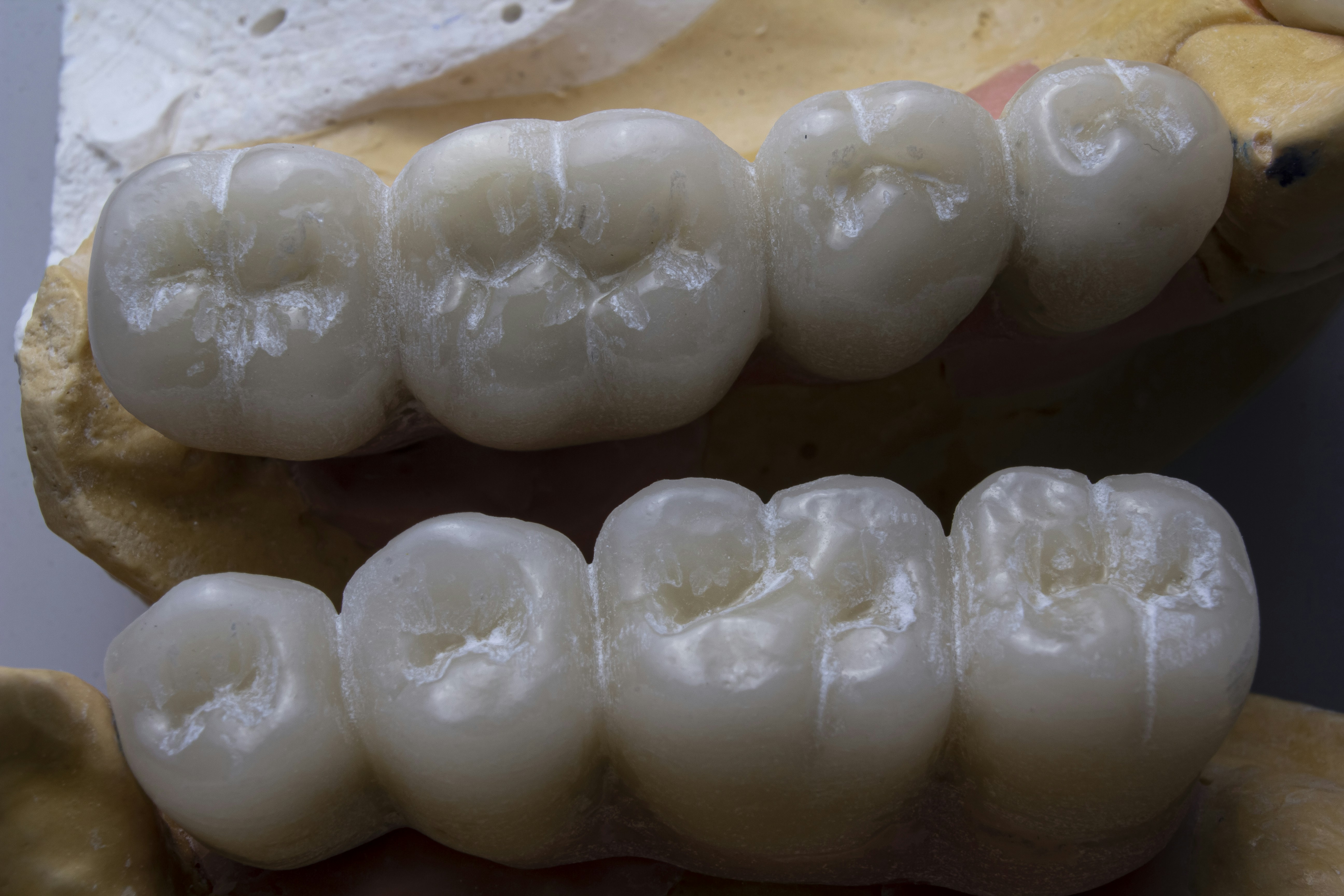
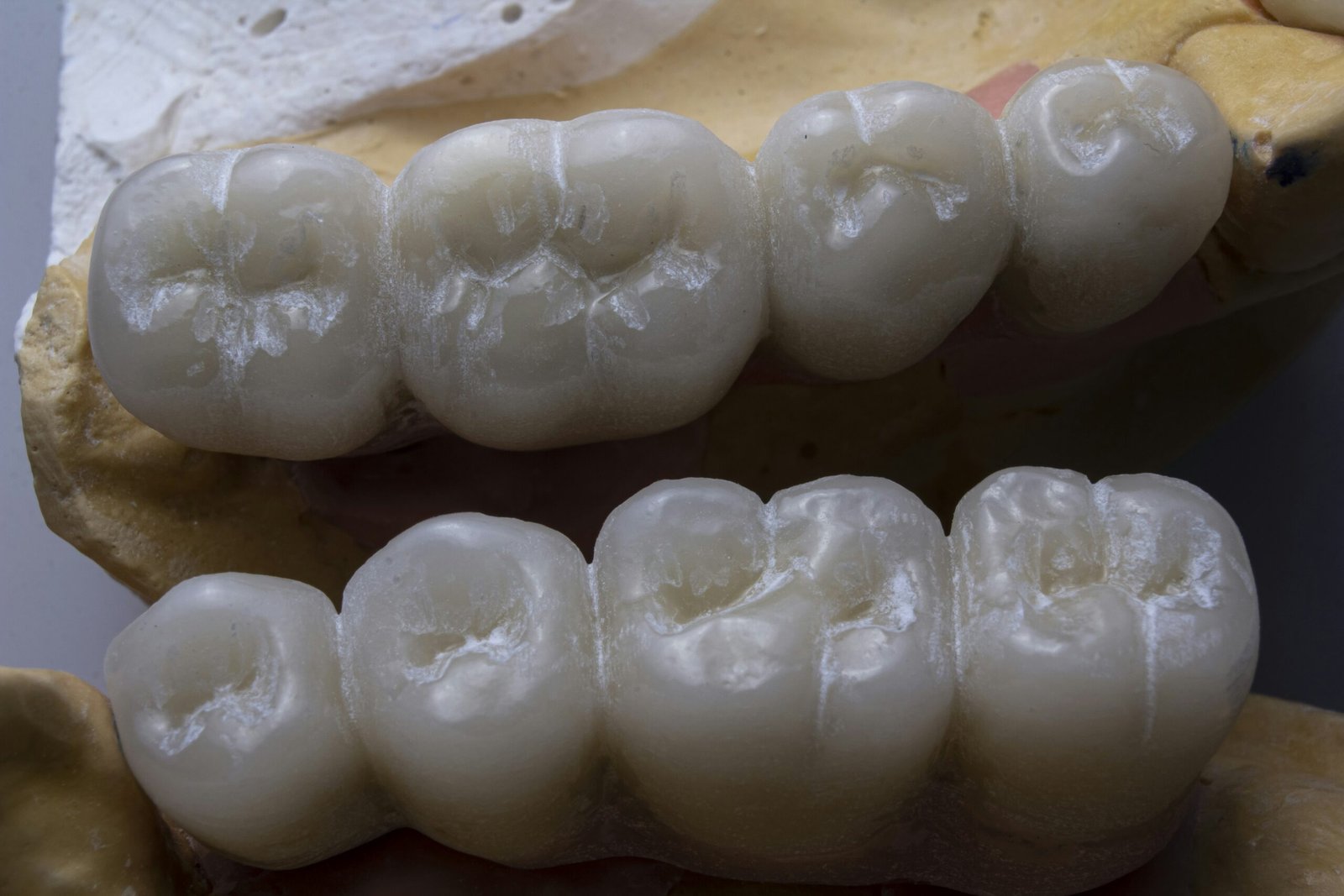
Zirconia bridges are dental prosthetics crafted from zirconium dioxide, a highly durable and biocompatible material. These bridges are primarily used to replace missing teeth, making them an essential component in restorative dentistry. Zirconia is known for its strength, which is significantly greater than that of traditional porcelain. This property allows zirconia bridges to withstand the forces of chewing, making them an ideal choice for patients seeking longevity in their dental work.
One of the most notable advantages of zirconia bridges is their aesthetic appeal. The material closely mimics the natural translucency and color of tooth enamel, resulting in a natural-looking restoration that enhances the patient’s smile. Additionally, the ability of zirconia to resist discoloration and its low potential for causing allergic reactions contribute to its popularity among both dental professionals and patients.
Zirconia’s versatility makes it suitable for various dental applications. It is frequently utilized not only in bridges but also in crowns, and implants, and can be employed in both fixed and removable prosthetics. Its strong bond with dental cements further contributes to its effectiveness in restorative procedures, providing a stable and secure fit for patients.
The growing trend toward the use of zirconia in dentistry can be attributed to advancements in dental technology, which allow for more precise fabrication and a better customization of restorations. Dental laboratories can use CAD/CAM technology to design zirconia bridges that are tailored to the individual needs of each patient, ensuring optimal fit and function. This focus on personalized dentistry, combined with zirconia’s advantageous properties, highlights why zirconia has become a preferred material in modern dental restorations.
Common Issues with Zirconia Bridges
Zirconia bridges are widely utilized in dental restorations due to their durability and aesthetic appeal. However, like any dental prosthesis, they are not immune to problems. Common issues with zirconia bridges often include chips, cracks, and wear that can compromise their functionality and appearance. Understanding these problems is crucial for maintaining the longevity of these dental fixtures.
One prevalent issue is the occurrence of chips. Chips can develop due to everyday wear and tear, such as biting down on hard foods or experiences of accidental trauma like impacts during sports. Although zirconia is known for its strength, it can still chip under excessive force or pressure. Proper care is essential, as neglecting to maintain recommended hygiene practices can contribute to the deterioration of a zirconia bridge over time.
Another significant concern is cracking, which can arise from similar causes as chipping. Cracks may develop gradually or appear suddenly, often as a result of thermal stress from hot and cold food or beverages, or from grinding teeth, a condition known as bruxism. The material properties of zirconia provide a robust solution for dental restorations, but they also have limitations that can lead to structural issues.
Improper care is often overlooked as a contributing factor to these issues. Patients are advised to follow the oral care regimen prescribed by their dental professionals, which typically includes regular brushing and flossing. Utilizing non-abrasive toothpaste and avoiding overly abrasive toothbrushes can significantly reduce the risk of damaging the zirconia surface.
In conclusion, recognizing and addressing the common issues faced with zirconia bridges, including chips and cracks, is vital for ensuring their effective performance and longevity. Identifying causes such as wear and tear, accidents, and improper care is essential in mitigating these problems, leading to better dental health outcomes for patients.
Signs That Your Zirconia Bridge May Need Repair
When it comes to maintaining your dental health, being aware of the signs that indicate potential issues with your zirconia bridge is crucial. One of the most common symptoms is discomfort or pain in the area surrounding the bridge. If you experience any sensitivity, particularly during temperature changes or when chewing, this could signify that your bridge is compromised and may require attention.
Another clear indication of trouble is visible damage to the bridge itself. This can manifest as chips, cracks, or wear on the surface, which not only affects aesthetics but can also lead to further complications. Regularly inspecting your zirconia bridge and being vigilant for any changes is important for ensuring its longevity. If you notice any irregularities, it is advisable to consult your dental professional promptly.
Additionally, changes in your bite can be a key indicator that your zirconia bridge needs repair. If you find that you are experiencing a difference in how your teeth come together or any discomfort while biting down, it could be a sign that the bridge is shifting or that there are underlying issues that need to be addressed. Monitoring your bite regularly can help in the early detection of potential problems.
Lastly, paying attention to your overall oral hygiene and any unusual symptoms, such as swelling or gum irritation around the bridge, can provide further clues. Any such signs should not be overlooked, as they may suggest that an intervention is necessary to prevent more serious dental issues in the future. Overall, maintaining an awareness of these symptoms can help you take proactive steps in preserving your zirconia bridge.
Can a Zirconia Bridge Be Repaired?
The repair of a zirconia bridge, particularly when faced with a chip, can be an essential consideration for maintaining dental functionality and aesthetics. Zirconia, a material known for its strength and durability, may still be susceptible to damage under certain conditions. When a chip occurs, it does not always necessitate the complete replacement of the bridge. Instead, several effective repair options are available.
One commonly employed method involves the use of dental adhesives, specifically designed to bond materials like zirconia. These adhesives can fill in minor chips and restore the bridge’s integrity to a significant extent. The effectiveness of this method largely depends on the size and nature of the chip. For small chips, a high-quality dental adhesive can often provide a sufficient repair by creating a strong bond between the zirconia and the adhesive material.
In cases where the chips are more significant or where aesthetics are a primary concern, resin-based materials can be utilized. These resins are designed to closely mimic the appearance of the surrounding zirconia and can provide a seamless finish. The repair process typically involves cleaning the affected area, applying the resin, and curing it to ensure a durable result. In situations where multiple chips are present, or if there is considerable structural damage, a full replacement of the zirconia bridge might be necessary.
Importantly, regular consultation with a dental professional is essential to determine the best course of action for repairing a zirconia bridge. They can evaluate the extent of the damage and recommend the most suitable repair strategy, helping to extend the lifespan of the dental restoration. In conclusion, while chips in zirconia bridges can be repaired using specific techniques such as dental adhesives or resin-based materials, the decision regarding the best approach should always be guided by a qualified dental practitioner.
When to Replace Instead of Repair
https://zirconiabridge.blog/zirconia-bridge-the-complete-2026-expert-guide/Determining whether to repair or replace a zirconia bridge involves careful consideration of multiple factors. One of the primary reasons one might opt for replacement is extensive damage to the bridge itself. If the zirconia material has suffered a large chip or fracture that compromises the structural integrity of the bridge, attempting to repair it may not provide a satisfactory solution. A damaged bridge can lead to further complications, such as misalignment of the teeth or discomfort during chewing.
Another critical aspect to consider is the age of the zirconia bridge. Over time, dental restorations may experience wear and tear that affects their performance and appearance. If the bridge is significantly aged and shows signs of deterioration, such as discoloration or loss of functionality, replacement could be more advantageous than repair. Newer zirconia bridges benefit from advancements in material science and technology, offering improved durability and aesthetic qualities.
Lastly, evaluating the overall oral health of the patient plays a crucial role in this decision-making process. If the surrounding teeth or gums are in poor condition, it may be necessary to address those issues first. For instance, if periodontal disease or tooth decay is present, it might not be wise to invest in the repair of a zirconia bridge that would soon be subjected to further problems. This could lead to a cycle of ineffective treatments and ultimately higher costs.
In these instances, consulting with a dental professional becomes essential. A thorough examination and professional judgment will ensure that whether a repair or replacement is pursued, it aligns with the best interests of the patient, promoting long-term oral health and function.
Choosing a Dental Professional for Repair or Replacement
When dealing with a zirconia bridge, selecting the right dental professional for repair or replacement is crucial. The longevity and functionality of your dental restoration depend heavily on the expertise of the dentist handling the repair. A qualified dentist with extensive experience in dental restorations can accurately assess the condition of your zirconia bridge, which is essential for determining the appropriate course of action.
To find a suitable dentist, start by seeking recommendations from your general dentist or other dental professionals whom you trust. They can often refer you to specialists who have proven experience with zirconia restorations. Additionally, researching local dental practices online and checking their credentials can provide information about their experience and specializations in restorative dentistry.
It is also advisable to examine reviews and testimonials from previous patients. These insights can reveal important details about the dentist’s skill level, patient care, and the outcomes of prior work on zirconia bridges. Moreover, don’t hesitate to schedule a consultation with potential candidates. This preliminary meeting will allow you to gauge their knowledge about zirconia materials and their approach to repairs or replacements.
Equally important is ensuring that the dentist has access to modern dental technology and techniques, which can significantly enhance the quality of repairs. For instance, the availability of digital scanners, CAD/CAM technology, and high-quality dental materials indicates a commitment to providing up-to-date services.
In summary, finding a dental professional with specific experience in zirconia bridges is essential. By considering recommendations, browsing online reviews, and assessing their technological capabilities, you can make an informed decision that will help you restore your dental health effectively.
The Repair Process: What to Expect
Repairing a zirconia bridge can be a straightforward process, but it requires the expertise of a dental professional. Initially, the dentist will begin with a thorough examination of the bridge to assess the extent of the damage. This evaluation helps in determining whether the zirconia bridge can be repaired or if replacement is necessary.
Once the assessment is complete, the dentist will arrange for the repair. The first step typically involves cleaning the area surrounding the chip or damage. This is crucial, as it ensures optimal adhesion for any repair materials used. Following this, the dentist may use a specialized resin that is designed to bond effectively with zirconia. The application of this resin is meticulous, allowing for a seamless finish that restores the integrity of the restoration.
The duration of the repair process can vary. Minor chips may be addressed in a single visit, lasting from 30 minutes to an hour. However, more extensive repairs could necessitate multiple appointments, particularly if the restoration requires fabrication of additional components or a temporary bridge. Patients should discuss anticipated timelines with their dental professionals to set appropriate expectations.
Follow-up care is essential to ensure the repair is durable. Dentists often recommend scheduling a check-up about a month after the initial repair to assess the integrity of the work done. Patients are advised to take care when eating and to avoid hard or sticky foods immediately following the repair to prevent re-injury.
The cost of repairing a zirconia bridge varies based on the extent of the damage and the specific materials used. Generally, patients should expect to pay significantly less for a repair compared to the total cost of replacement. Consulting with the dental practice will provide a clearer understanding of potential expenses involved in the repair process.
Maintenance Tips for Zirconia Bridges
Zirconia bridges are known for their durability and aesthetics, but proper maintenance is essential to prolong their lifespan and prevent damage such as chips or fractures. Implementing effective hygiene practices is the first step toward maintaining your zirconia bridge. Daily brushing with a soft-bristle toothbrush and non-abrasive toothpaste ensures that plaque and food particles do not adhere to the surface. Moreover, using a nylon floss or an interdental brush can help clean between the bridge and adjacent teeth, promoting overall dental health.
Regular dental check-ups are crucial for monitoring the condition of your zirconia bridge. During these visits, your dentist can assess the integrity of the bridge and make recommendations for any necessary repairs. Additionally, professional cleanings help remove tartar buildup, which can contribute to gum disease and may affect the longevity of your bridge.
Furthermore, being mindful of lifestyle choices can aid in preventing chipping or damage to your zirconia bridge. Avoid chewing on hard substances such as ice, pens, or hard candies, as this can put excessive pressure on the bridge and lead to potential fractures. Limiting acidic foods and beverages can also help in maintaining the integrity of the bridge by preventing erosion over time. If you participate in contact sports, consider using a mouthguard to protect your dental work from impact. By adopting these practices, you can ensure that your zirconia bridges remain in excellent condition for years to come.
Final Thoughts: Making the Right Decision
When considering issues related to a zirconia bridge, making informed decisions about repair versus replacement is crucial. Zirconia bridges are known for their durability and aesthetic appeal, yet they are not impervious to damage. A common concern arises when a chip or crack occurs, prompting patients to wonder about the best course of action. There are several factors to take into account when deciding whether to repair or replace a zirconia bridge.
First, the extent of the damage must be carefully evaluated. Minor chips might be eligible for repair through specialized techniques, while significant fractures could necessitate a full replacement. It is advisable to consult with a qualified dental professional who can conduct a thorough examination and provide expert recommendations tailored to the specifics of the situation. Your dentist’s experience and the technology used in your dental practice will significantly influence the outcome.
Additionally, it is vital to prioritize oral health and safety when making this decision. Choosing to repair a damaged zirconia bridge can be a cost-effective solution, yet it is essential to ensure that the integrity of the bridge remains intact. Compromised bridges may lead to further complications, such as misalignment or increased wear on adjacent teeth. Therefore, evaluating the long-term implications of either repair or replacement is key.
Ultimately, the decision between repairing and replacing a zirconia bridge hinges on the individual circumstances of each case, including the patient’s oral health, the severity of the damage, and financial considerations. By weighing these factors thoughtfully and consulting with experienced dental professionals, patients can make the right choice that aligns with their specific needs and promotes lasting oral health.