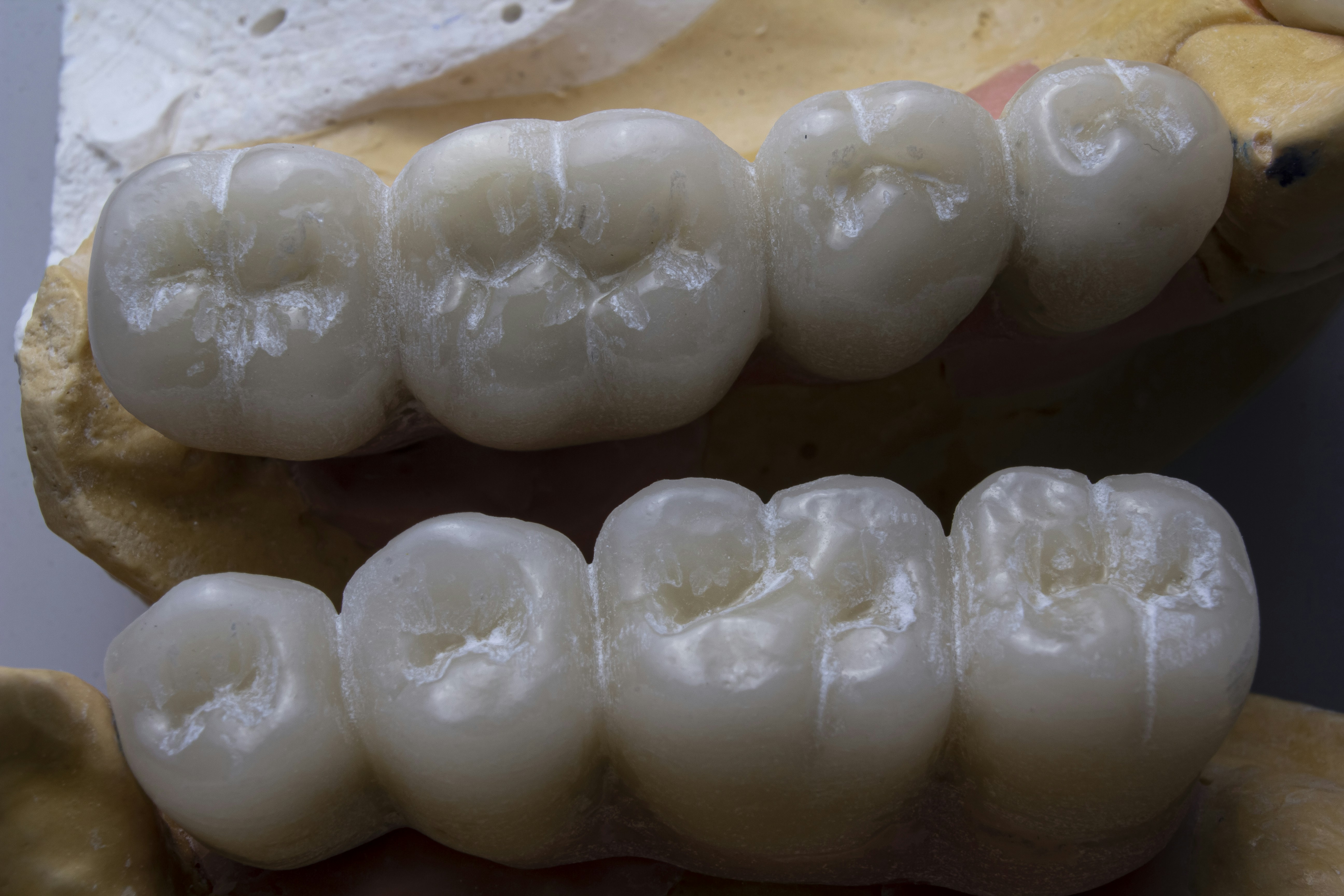
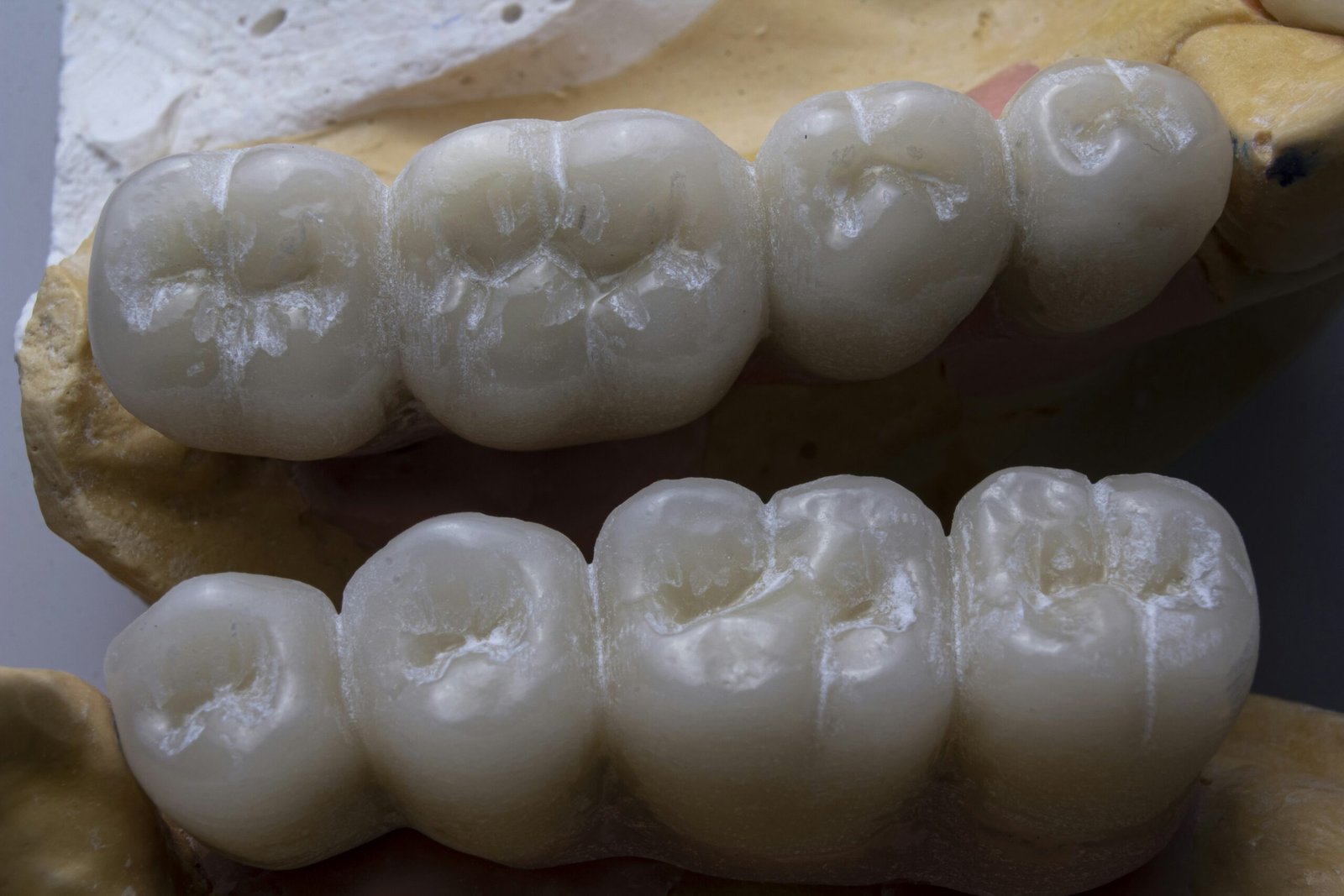
Introduction to Digital Impressions for Zirconia Bridge
Zirconia bridges have emerged as a prominent solution in the field of dental restorations, offering a harmonious blend of durability and aesthetics that caters to the evolving needs of patients and dental professionals alike. Known for their exceptional strength and biocompatibility, zirconia dental restorations can effectively withstand the considerable forces exerted during chewing, making them an ideal choice for both anterior and posterior applications. Additionally, their natural tooth-like appearance allows them to blend seamlessly within the oral cavity, providing a satisfactory solution for those seeking both function and visual appeal.
Traditionally, dental impressions were made using physical molding techniques, which typically involved the use of impression materials to create a negative imprint of a patient’s teeth and gums. This method, although time-tested, is often fraught with discomfort and inaccuracies. Patients frequently report gagging, irritation, and a general sense of unease during the impression process, which can lead to poor-quality results. Moreover, the potential for distortion during the removal of the mold from the mouth can result in less than optimal fit for the restorations. These factors not only affect patient comfort but also pose challenges for dental practitioners striving to achieve precise outcomes in their restorative work.
The evolution towards digital impressions represents a significant advancement in dental technology, enabling a more accurate and comfortable experience for patients. Digital systems facilitate a more streamlined workflow, reducing the time required for impressions and enhancing the precision of the resulting restorations. As practitioners increasingly embrace zirconia bridges alongside digital impression techniques, the limitations of previous methods are continuously addressed, paving the way for improved patient satisfaction and successful restorative outcomes.
The Limitations of Traditional Impressions
Traditional impression methods have been a cornerstone of restorative dentistry for years; however, they are not without their shortcomings. One of the most significant issues with conventional impressions is the use of goopy materials, which can trigger a gag reflex in many patients. This reaction can lead to discomfort and anxiety during the impression-taking process, deterring some individuals from seeking necessary dental care.
Furthermore, the process of taking physical molds is often lengthy and requires meticulous attention to detail from the dental professional. The impression material must be carefully mixed and applied, which can consume valuable chair time. Patients may find themselves enduring a prolonged experience, which may not only affect their comfort but also their willingness to adhere to future dental visits.
Another critical limitation of traditional impressions lies in the potential for human error. Factors such as improper technique, insufficient setting time for the impression material, or patient movement can lead to inaccuracies. These inaccuracies can subsequently result in ill-fitting restorations, necessitating additional appointments for adjustments or remakes, thereby increasing costs and patient dissatisfaction. The cumulative effects of these limitations underline the necessity for innovation in impression techniques.
Ultimately, while traditional impressions have served a purpose in dental practices, their limitations highlight the need for more efficient and patient-friendly alternatives. With advances in technology, methods such as digital impressions are becoming increasingly prevalent, offering solutions to many of the discomforts and inaccuracies associated with traditional dental impression techniques.
What is Digital 3D Scanning?
Digital 3D scanning is a cutting-edge technology that has revolutionized the field of dental impressions, particularly in the development of zirconia bridges. Utilizing specialized equipment, this technique captures highly detailed images of a patient’s dental structure, enabling dentists to achieve precise representations of their patient’s oral anatomy without the discomfort associated with traditional impression methods.
The process begins with the use of an intraoral scanner, a handheld device that employs advanced optics and imaging sensors. These scanners emit light and capture the reflected images, converting them into a digital format that can be viewed and manipulated on a computer screen. The outcome is a three-dimensional model of the teeth and gums, which serves as the foundation for creating accurate dental restorations.
In contrast to traditional methods that may involve impression materials that can be uncomfortable and messy, digital 3D scanning enhances patient comfort and reduces material waste. Patients no longer need to endure the long setting times of alginate or silicone materials, which can also cause gagging or discomfort. Instead, the scanning process is quick, typically taking only a few minutes, and it allows for immediate visualization, enabling the dentist to address any concerns or adjustments on the spot.
Moreover, the digital models generated through this technology can easily integrate with dental CAD/CAM systems, facilitating the design and fabrication of zirconia bridges with remarkable precision. This synergistic approach not only enhances the speed of dental procedures but also improves the accuracy of fit, significantly decreasing the need for adjustments during the fitting process. As such, digital 3D scanning is a prime example of how modern technology continues to transform dental practices, ultimately leading to better patient outcomes.
Advantages of Digital Impressions Over Traditional Methods
Digital impressions have emerged as a revolutionary advancement in the field of dentistry, providing numerous advantages over traditional impression methods. One significant benefit is the enhanced comfort experienced by patients during the impression-taking process. Unlike traditional methods, which often involve the use of uncomfortable trays and materials that can induce gagging or anxiety, digital impressions utilize an intraoral scanner to capture precise images of the teeth and gums. This non-invasive approach dramatically reduces discomfort, making dental visits a more pleasant experience for patients.
In addition to increased comfort, digital impressions offer quicker turnaround times for dental labs. With traditional impressions, there is often a waiting period required to allow the impression materials to set before sending them to the laboratory. In contrast, digital impressions can be sent electronically to the lab in real time, facilitating a much faster workflow. This expediency leads to quicker production of dental appliances, including zirconia bridges, ultimately benefiting both dental professionals and their patients.
Another notable advantage of digital impression technology is its enhanced accuracy. Traditional impressions can be prone to distortions or inaccuracies due to material manipulation and environmental factors. Digital impressions, on the other hand, provide high-definition images, ensuring that the details captured are precise. This accuracy is crucial for the fabrication of dental restorations, as it directly impacts the fit and function of the final product.
Furthermore, the digital format allows for easy sharing and collaboration among dental teams. Practitioners can seamlessly send digital files to specialists, ensuring effective communication and a unified approach to patient care. The convenience of digital impressions not only improves the accuracy and efficiency of procedures, but it also enhances the overall experience for both dentists and patients.
The Comfort Factor: A Superior Patient Experience
The advent of digital impressions has truly revolutionized the dental industry, particularly in the realm of creating zirconia bridges. One of the most significant benefits that this technology offers is enhanced comfort for patients undergoing dental procedures. Traditionally, obtaining impressions often involved the use of a goopy material that many patients found unpleasant. The discomfort associated with these materials has long been a source of anxiety for patients, often leading to apprehension about receiving dental care.
Digital impressions, by contrast, significantly minimize this discomfort. The process involves a quick scan of the oral cavity using an advanced optical scanner. This method not only eliminates the need for the messy impression materials but also reduces the time patients spend in the chair. Most patients report feeling far more at ease during the scanning process compared to traditional impressions. The scan takes only a few minutes, creating a considerably less stressful experience. The speed and efficiency of digital impressions allow for a more relaxed atmosphere, as patients are not subjected to prolonged discomfort.
Moreover, the accuracy of digital impressions enhances the overall patient experience. With precise digital captures, the chances of misinterpretation or the necessity for retakes are significantly reduced. This streamlined process ultimately leads to better-fitting zirconia bridges, which can have a positive effect on the patient’s long-term satisfaction with their dental prosthetics.
In conclusion, digital impressions are not only transforming the way dental impressions are taken but are also significantly improving patient comfort. By eliminating the need for uncomfortable goop and reducing chair time, this innovative technology provides an experience that prioritizes patient well-being, fostering a more positive approach to dental care.
Speeding Up the Process: Efficiency in Dental Practice
The integration of digital impressions into dental practices marks a significant advancement in efficiency and effectiveness. Traditional impression methods often involve the use of messy materials that require multiple appointments and can be uncomfortable for patients. By adopting digital impressions, dental professionals can streamline the process, leading to a multitude of benefits that enhance patient care.
One of the key advantages of digital impressions is the reduction in appointment times. With traditional techniques, creating a cast of the patient’s teeth could take considerable time and often requires additional follow-up visits for adjustments. In contrast, digital impressions offer immediate results, allowing practitioners to capture high-quality images in a matter of minutes. This approach not only minimizes the time spent in the chair but also reduces the stress associated with lengthy procedures, significantly improving the overall patient experience.
Furthermore, the adoption of digital impression technology facilitates quicker delivery of dental restorations. With real-time data transmission to dental labs, the turnaround time for creating restorations, such as zirconia bridges, can be vastly shortened. This means that patients can receive their finished dental work much sooner, thereby improving patient satisfaction and workflow within the practice. The ability to quickly produce restorations not only enhances the efficiency of the practice but also contributes to improved patient retention rates, as individuals are more likely to return for services that are delivered promptly and efficiently.
Overall, implementing digital impressions can significantly drive efficiency in dental practices. This technological shift not only optimizes the way dental professionals work but also enhances the quality of care provided to patients, ensuring a smoother and more effective dental experience.
Accuracy and Precision in Dental Restorations
The advent of digital scanning technology has significantly transformed the landscape of dental restorations, offering enhanced accuracy and precision compared to traditional impression methods, such as the use of impression materials that can sometimes be cumbersome and imprecise. Digital impressions capture the intricate details of a patient’s oral anatomy by creating a highly detailed 3D model, which serves as the foundation for producing zirconia bridges and other restorations.
One of the critical benefits of digital impressions is their ability to minimize the potential for human error. In conventional methods, variations in technique and material handling can lead to inconsistencies in fit and quality. By contrast, digital scanning techniques utilize optical scanners to create an accurate depiction of the oral cavity. This meticulous approach ensures that measurements are consistent and reduces the likelihood of misinterpreting the patient’s anatomy. As a result, restorations such as zirconia bridges that are fabricated from these scans tend to achieve a superior fit.
The improved accuracy not only results in a more precise initial fit but also minimizes the need for adjustments during the placement of the restorations. This reduction in adjustments can lead to enhanced patient experiences, as there are fewer fittings and corrections required, ultimately providing more comfort for the patient. Furthermore, better-fitting restorations often contribute to longer-lasting results, as they promote better oral hygiene and reduce the risk of complications that can arise from poorly fitting appliances.
In conclusion, the transition to digital impressions represents a significant advancement in the field of dentistry, particularly in the creation of zirconia bridges. With enhanced accuracy and precision at the forefront of these technologies, dental professionals can deliver better outcomes for their patients, ensuring that dental restorations not only fit well but also withstand the test of time.
The Technology Behind Digital Impressions: How It Works
The transition from conventional impressions to digital impressions in dentistry has revolutionized the way dental restorations, especially zirconia bridges, are created. Digital impressions involve the use of advanced scanning technology which captures detailed 3D images of the oral cavity. At the heart of this technology is a handheld intraoral scanner that emits a light source to illuminate the teeth and gums. This scanner captures thousands of images per second, allowing for a comprehensive view of the patient’s dentition.
Once the images are captured, they are processed by sophisticated imaging software that stitches the individual scans into a cohesive digital model. This software utilizes algorithms to enhance the clarity and accuracy of the captured data, providing dentists and dental technicians with a precise representation of the oral structures. The digital files produced are often in STL format, a widely accepted file type in dental laboratories, enabling seamless communication between the dentist’s office and the lab.
The advantages of digital impressions are significant. They eliminate the discomfort often associated with traditional impression materials and reduce the potential for errors in measurements. Given the inherent accuracy of the scanning technology, dental technicians can craft more precisely fitting zirconia bridges, enhancing both their functional and aesthetic qualities. Furthermore, the digital files can be stored and easily retrieved, allowing for future modifications and adjustments without needing to redo the entire impression process.
In conclusion, the integration of digital impressions represents a significant advancement in dental technology. By relying on state-of-the-art imaging software and efficient data processing, practitioners can enhance their workflow and provide patients with superior dental restorations that meet high standards of precision.
Conclusion: The Future of Dental Impressions
In recent years, the dental industry has experienced a significant transformation with the adoption of digital impression technology. This innovative method has greatly enhanced the way dental professionals create precise impressions for various restorative procedures, particularly zirconia bridges. Compared to traditional methods, digital impressions offer a more comfortable experience for patients, eliminating the discomfort associated with conventional materials. As a result, patients are less anxious and more willing to undergo necessary procedures.
The accuracy of digital impressions is unparalleled, leading to better fitting restorations and minimized margin discrepancies. The use of digital scanners and computer-aided design technologies not only increases the precision of the impressions but also streamlines the workflow for dental offices. As a consequence, this advancement reduces the likelihood of remakes and the related costs, ultimately achieving a better treatment outcome for both the dental professional and the patient.
Moreover, the efficiency gained through digital impressions allows for faster turnaround times in the laboratory setting. This rapid transition from impression to restoration can significantly enhance patient satisfaction and facilitate timely dental care. As more practitioners adopt this technology, the benefits of digital impressions, such as increased accuracy and comfort, become evident.
Therefore, digital impressions are not just a passing trend; they signify a forward-thinking approach to dental restoration practices. The integration of such technology aligns with the increasing demand for patient-centered care in the field of dentistry. As the industry continues to evolve, embracing innovations like digital impressions will be essential in providing exceptional dental care, thus shaping the future of dental practices.