Introduction to Does Zirconia Bridge Affect Gum Health
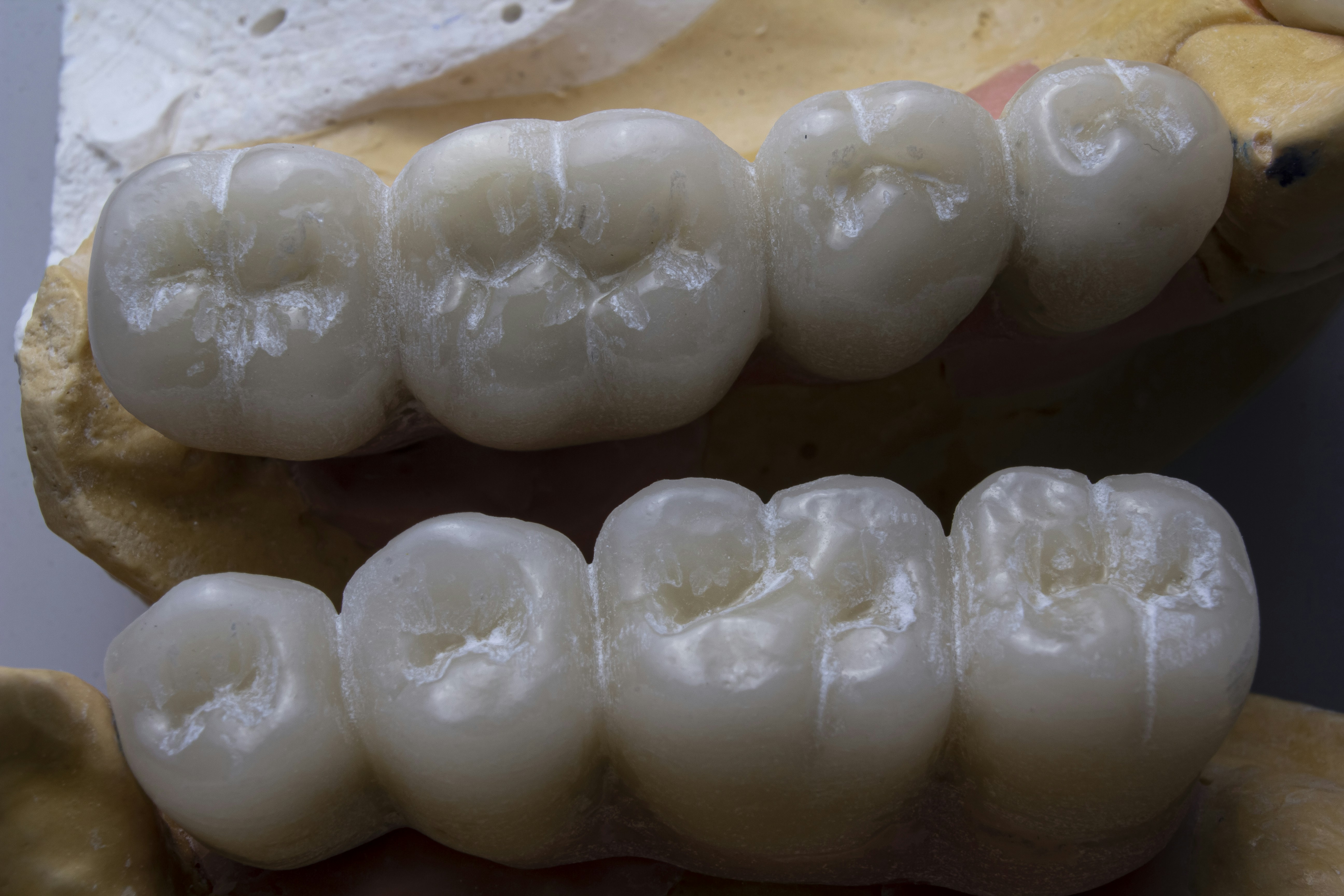
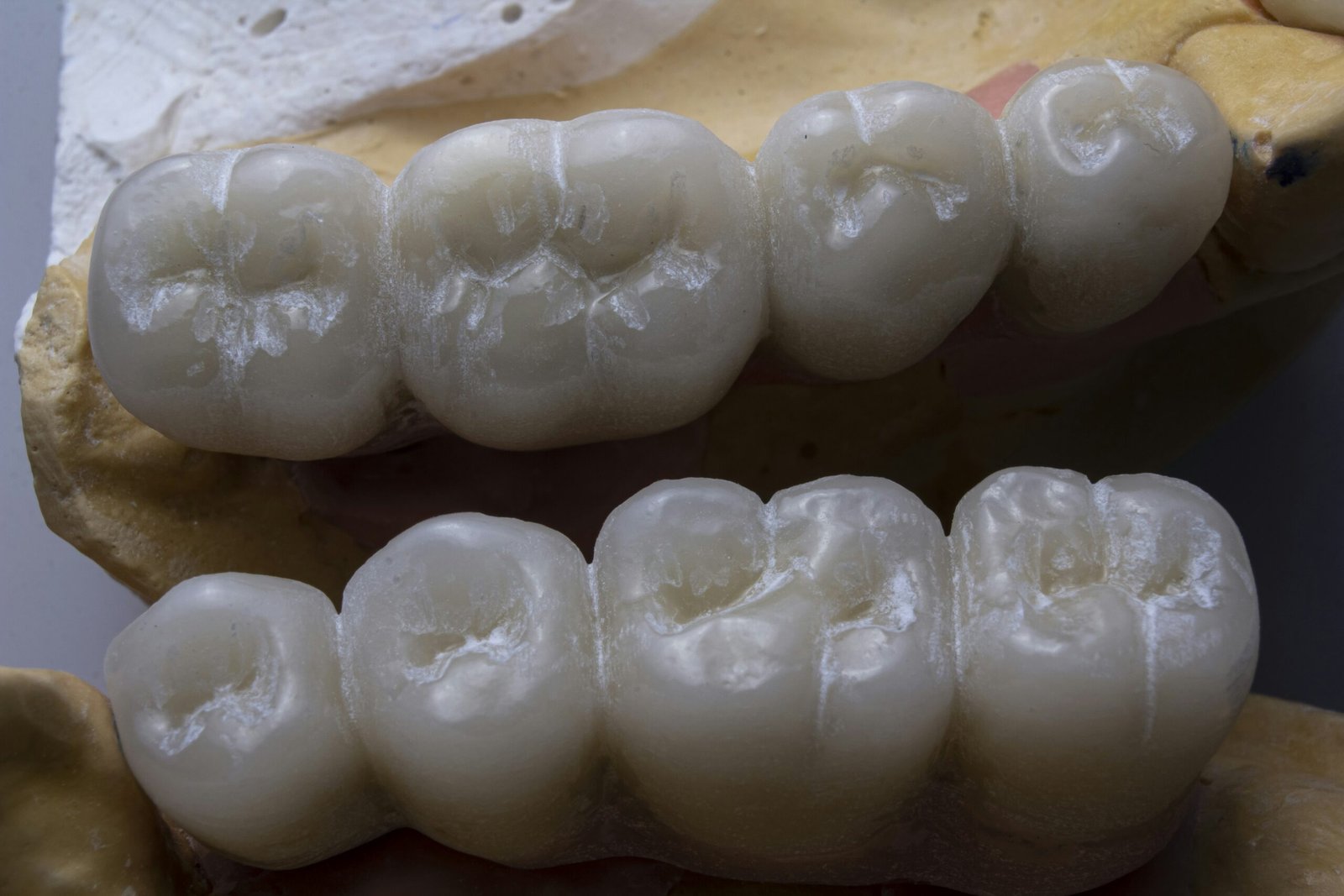
Zirconia bridges are a notable advancement in the field of dentistry, designed specifically for dental restoration. Serving the critical function of replacing missing teeth, these bridges not only restore the aesthetic appeal of a smile but also enhance oral functionality. Zirconia, a durable and biocompatible ceramic material, has gained significant popularity over traditional dental materials, such as metal or porcelain-fused-to-metal.
The unique properties of zirconia make it an ideal choice for dental applications. Unlike metals, zirconia allows for a more natural appearance as it can be fabricated to closely resemble the translucence and color of natural teeth. This characteristic is particularly advantageous for patients seeking a highly aesthetic restoration that blends seamlessly with their existing teeth. Moreover, zirconia’s strength and resistance to wear make it a long-lasting solution, thus reducing the need for frequent replacements.
Furthermore, zirconia is noteworthy for its compatibility with gum tissue. Unlike some metals that may cause adverse reactions or sensitivity, zirconia is biocompatible, which minimizes the risk of inflammation or discomfort in the surrounding gum area. This property plays a critical role in maintaining gum health during and after the implementation of a dental bridge.
As dental technology advances, zirconia bridges have become increasingly essential in restorative dentistry. They not only offer aesthetic benefits but also help to avoid some complications associated with older materials. By understanding the role of zirconia in dental restoration, patients and practitioners alike can make informed decisions about their options for enhancing oral health.
Understanding Gum Health
Gum health is an essential aspect of overall oral hygiene, serving as the foundation for healthy teeth. The gums, or gingival tissues, surround the bases of the teeth and play a crucial role in maintaining their stability and alignment. Healthy gums are firm, resilient, and free from disease, providing a natural barrier against infections that can lead to more serious oral health issues.
Poor gum health can result in various periodontal diseases, which may escalate from gingivitis, a mild form of gum disease causing swelling and bleeding, to more severe conditions like periodontitis. In periodontitis, the tissue surrounding the teeth becomes inflamed and can lead to tooth loss if not properly addressed. It is vital to maintain healthy gum tissues, as they house blood vessels and nerves that are integral to overall oral function.
Choosing appropriate dental materials, such as zirconia bridges, is significant when considering gum health. Dental materials that are biocompatible, like zirconia, are less likely to provoke an adverse reaction in the gum tissues. This biocompatibility can minimize inflammation and discomfort, contributing to positive gum health. Conversely, some materials may irritate the gums, leading to complications and exacerbating existing periodontal conditions. Moreover, the smooth surface of zirconia reduces the accumulation of plaque and tartar, promoting healthier gums and a reduced risk of gum disease.
In conclusion, prioritizing gum health is not only critical for maintaining teeth but also for preventing more serious dental conditions. By selecting biocompatible dental materials, individuals can support their gum tissues effectively and promote overall oral wellness.
Why Zirconia is Biocompatible
Biocompatibility refers to the ability of a material to perform its function in the body without causing an adverse reaction. Zirconia, a type of ceramic material, is regarded as one of the most biocompatible materials in dentistry, which plays a crucial role in dental restorations, particularly in bridges and crowns. This quality stems from zirconia’s unique chemical properties and its compatibility with human tissue.
The structure of zirconia allows for excellent integration with the surrounding gum tissues. Unlike some metals that may corrode or elicit inflammatory responses, zirconia is chemically inert, meaning it does not react with bodily fluids, tissues, or other materials. This inertness significantly reduces the risk of allergens and irritants entering the gum area, making it a preferred choice for patients who may have sensitivities or allergies to certain dental metals.
Additionally, zirconia is free of nickel and other commonly allergenic metals, which enhances its acceptance by the body. Its smooth surface decreases the likelihood of plaque accumulation, thereby promoting better oral hygiene and maintaining gum health. Studies have shown that zirconia can encourage the growth of healthy gum tissues, which aids in the healing process following dental procedures.
Furthermore, the aesthetic quality of zirconia should not be overlooked. Its tooth-like appearance allows for a more natural look in dental restorations, which can not only boost patient confidence but also facilitate the integration of zirconia bridges with the existing dental structure.
Overall, zirconia’s properties contribute positively to gum health, making it a highly biocompatible option in modern dentistry. With its minimal risks of allergic reactions and its beneficial interaction with gum tissues, zirconia continues to be a reliable material choice for dental procedures.
Impact of Zirconia on Inflammation
Zirconia, a biocompatible ceramic material, has emerged as a leading choice for dental applications, such as bridges, due to its superior properties in promoting oral health. One of the most significant benefits of zirconia bridges is their role in reducing inflammation around the gums. Unlike metals, which can trigger adverse reactions in some patients, zirconia demonstrates a much lower propensity to irritate surrounding gum tissues. This is primarily due to its inert nature, meaning it does not engage in harmful chemical interactions that could lead to inflammation.
The mechanism behind zirconia’s anti-inflammatory properties lies in its smooth surface and resistance to plaque accumulation. A smoother surface minimizes friction and irritation between the dental bridge and the gum tissues, fostering a more favorable environment for healing and regeneration. Furthermore, zirconia bridges are less likely to corrode than traditional metal materials, thereby eliminating the risk of metallic ions leaching into the surrounding tissues—an issue often associated with inflammation.
Clinical studies have shown that patients with zirconia bridges experience significantly reduced levels of gingival inflammation when compared to those with metal-based restorations. This reduction in inflammation can directly correlate with improved gum health, as less irritation allows for better maintenance of periodontal tissues. Additionally, zirconia supports the regeneration of healthy gum tissue, as its compatibility with biological systems encourages cell adhesion and proliferation, factors crucial in periodontal healing.
In contrast to other materials, zirconia does not provoke an inflammatory response, showcasing its advantages in preserving gum health over long periods. The enhanced aesthetics combined with these biological benefits make zirconia an optimal choice for dental restorations, significantly contributing to overall oral health without the detrimental effects seen in other materials.
Aesthetic Benefits of Zirconia Bridges
Zirconia bridges offer significant aesthetic advantages that contribute to both the appearance of dental restorations and the overall confidence of patients. One of the primary benefits of zirconia is its natural translucency, which closely mimics the appearance of natural tooth enamel. This characteristic allows for a more realistic integration with existing teeth, making zirconia crowns and bridges a popular choice for individuals seeking aesthetics in their dental work.
Unlike traditional metal-based dental restorations, zirconia materials do not hinder the natural gum line’s appearance. The seamless blending of zirconia with surrounding teeth enhances the overall esthetic appeal of a patient’s smile. This quality helps maintain a consistent and natural look in the mouth, as the tooth color and translucency reflect light similarly to real teeth.
A careful selection of shades and colors can be made to ensure that zirconia bridges match the existing teeth of patients, further contributing to the illusion of a natural smile. Patients can feel more at ease knowing their dental solutions will not be noticeable, adding a layer of comfort and boosting their confidence. The remarkable ability of zirconia to resist staining also maintains its aesthetic allure. Unlike other materials that may discolor over time, zirconia retains its original hue, ensuring that the patient’s smile looks vibrant and healthy for years to come.
Overall, the aesthetic benefits of zirconia bridges not only enhance the physical appearance of dental restorations but also play a crucial role in improving the psychological well-being of patients. By opting for zirconia, individuals can achieve a natural-looking smile that they can proudly display without hesitation.
Longevity and Durability of Zirconia Bridges
Zirconia bridges have gained recognition in modern dentistry for their impressive longevity and durability compared to traditional dental materials such as porcelain-fused-to-metal (PFM) and resin-based composites. The core advantage of zirconia is its exceptional strength and resistance to wear, making it a reliable choice for patients seeking long-term solutions for tooth replacement.
One of the factors contributing to the long lifespan of zirconia bridges is their biocompatibility. Being a metal-free material, zirconia minimizes the risk of allergic reactions and tissue irritation, which are often associated with metal-based dental restorations. This compatibility is vital for the surrounding gum health, as it reduces inflammation and allows for better tissue integration.
Additionally, zirconia bridges exhibit excellent resistance to fractures and chipping, properties that can be particularly beneficial in areas of high occlusal force. Traditional materials can lose their structural integrity over time, leading to complications that often necessitate repairs or replacements. Frequent replacements can pose a risk to gum health, increasing the likelihood of discomfort and potential infections due to multiple interventions. The durability of zirconia bridges, therefore, not only provides aesthetic advantages but also minimizes these risks.
Moreover, zirconia’s low wear rate compared to other materials helps maintain the integrity of opposing teeth, thus preserving overall oral health. When teeth are not excessively worn down or damaged, the gums surrounding these areas remain healthy. In summary, the longevity and durability of zirconia bridges contribute significantly to gum health by reducing the need for replacements and the associated complications, allowing for a more stable and reliable dental restoration option.
Patient Experiences and Testimonials
The experiences of patients who have received zirconia bridges provide valuable insight into their impact on gum health. Many individuals report significant improvements in comfort and aesthetics following the placement of zirconia restorations. Patients frequently describe a sense of relief from discomfort that prevails with traditional metal-based dental prosthetics. For instance, one patient noted that after switching to a zirconia bridge, they experienced less gum irritation, enhancing their overall oral comfort.
Aesthetic appeal is another common theme among testimonials. Zirconia bridges are known for their tooth-like appearance, which subjects claim makes them feel more confident in their smiles. A patient revealed that the natural color of zirconia aligns well with their remaining teeth, creating a seamless look that is harder to achieve with metal options. This improvement has led many to feel more at ease in social situations, contributing positively to their emotional well-being.
Furthermore, several testimonials highlight the positive effects on gum health specifically. Patients have reported that their gum tissue appears healthier and more resilient after transitioning to zirconia bridges. One oral health enthusiast shared their experience of experiencing less plaque accumulation and inflammation around the gum line, an outcome they attribute to the biocompatibility of zirconia. This material tends to promote a friendlier environment for gums, reducing the risk of gum disease.
In addition to comfort and appearance, many patients expressed satisfaction with the longevity and durability of zirconia bridges. They emphasized that knowing their restorations would last provided peace of mind, allowing them to enjoy their meals without hesitation. Overall, the testimonials reflect a positive sentiment regarding zirconia bridges, emphasizing their role in improving gum health, comfort, and aesthetic satisfaction for many individuals.
Dental professionals have offered a range of perspectives on zirconia bridges, particularly concerning their impact on gum health. Zirconia is a biocompatible material that closely resembles natural tooth structure, which makes it an increasingly popular choice for dental restorations. Experts note that one of the significant advantages of zirconia bridges is their resistance to plaque accumulation. This feature can lead to improved gum health as it minimizes irritation and inflammation that can occur with traditional materials.
Additionally, many dentists advocate for zirconia due to its aesthetic appeal. Its natural tooth-like color can help maintain the overall cosmetic integrity of a patient’s smile, which is especially important for anterior (front) teeth restorations. The translucency of zirconia provides a lifelike appearance, which many patients appreciate. When addressing gum health, the seamless fit of zirconia bridges can help prevent the likelihood of food traps and bacteria buildup, thereby reducing the risk of gum disease.
However, there are also some concerns voiced by dental professionals regarding zirconia bridges. For example, while zirconia is less likely to cause allergic reactions, some patients may still have sensitivities. Furthermore, the strength of zirconia is a double-edged sword—its durability means it can withstand significant bite pressure, but improper placement or adjustments can lead to complications, such as gum irritation. Therefore, practitioners emphasize the importance of selecting a skilled dental technician to fabricate these restorations.
In terms of patient recommendations, dental professionals suggest thorough consultations before opting for zirconia bridges. Evaluating existing gum health and discussing lifestyle factors—like oral hygiene practices—are crucial steps to ensure the longevity of the restoration and, consequently, the health of the gums. Overall, the consensus among experts highlights the importance of individualized treatment planning in securing optimal outcomes for patients considering zirconia bridges.
Conclusion and Future Directions in Dental Materials
Discussing the impact of zirconia bridges on gum health reveals insightful information concerning both their benefits and potential limitations. Zirconia bridges, known for their remarkable strength and aesthetic appeal, have shown to promote healthier gum tissue compared to some traditional materials. The biocompatibility of zirconia allows for a lower incidence of inflammatory responses, providing significant advantages for patients suffering from periodontal issues. Additionally, the smooth surface of zirconia is less prone to plaque accumulation, thus contributing positively to overall oral hygiene.
As the field of dentistry continues to evolve, the focus on material innovation remains a priority. Future trends in dental materials will likely revolve around enhancing biocompatibility and developing materials that integrate seamlessly with the body’s natural structures. Research is currently underway to explore the effectiveness of new composite materials that may offer alternative solutions to traditional metal-based restorations. Such innovations could address not only the functional aspects of dental materials but also their aesthetic properties and comfort for patients.
Moreover, advancements in technology such as 3D printing and digital dentistry are paving the way for custom-fitted solutions that enhance the precision and longevity of bridges and other restorations. As these technologies progress, the ability to tailor dental materials to individual anatomical and oral health needs becomes more feasible. This personalization can greatly improve patient outcomes, reduce recovery times, and enhance overall satisfaction with dental procedures.
In summary, while zirconia bridges present numerous benefits for gum health, the future of dental restoration will likely focus on continued advancements in biocompatible materials and personalized care approaches, ensuring enhanced oral health and well-being for patients.