Introduction
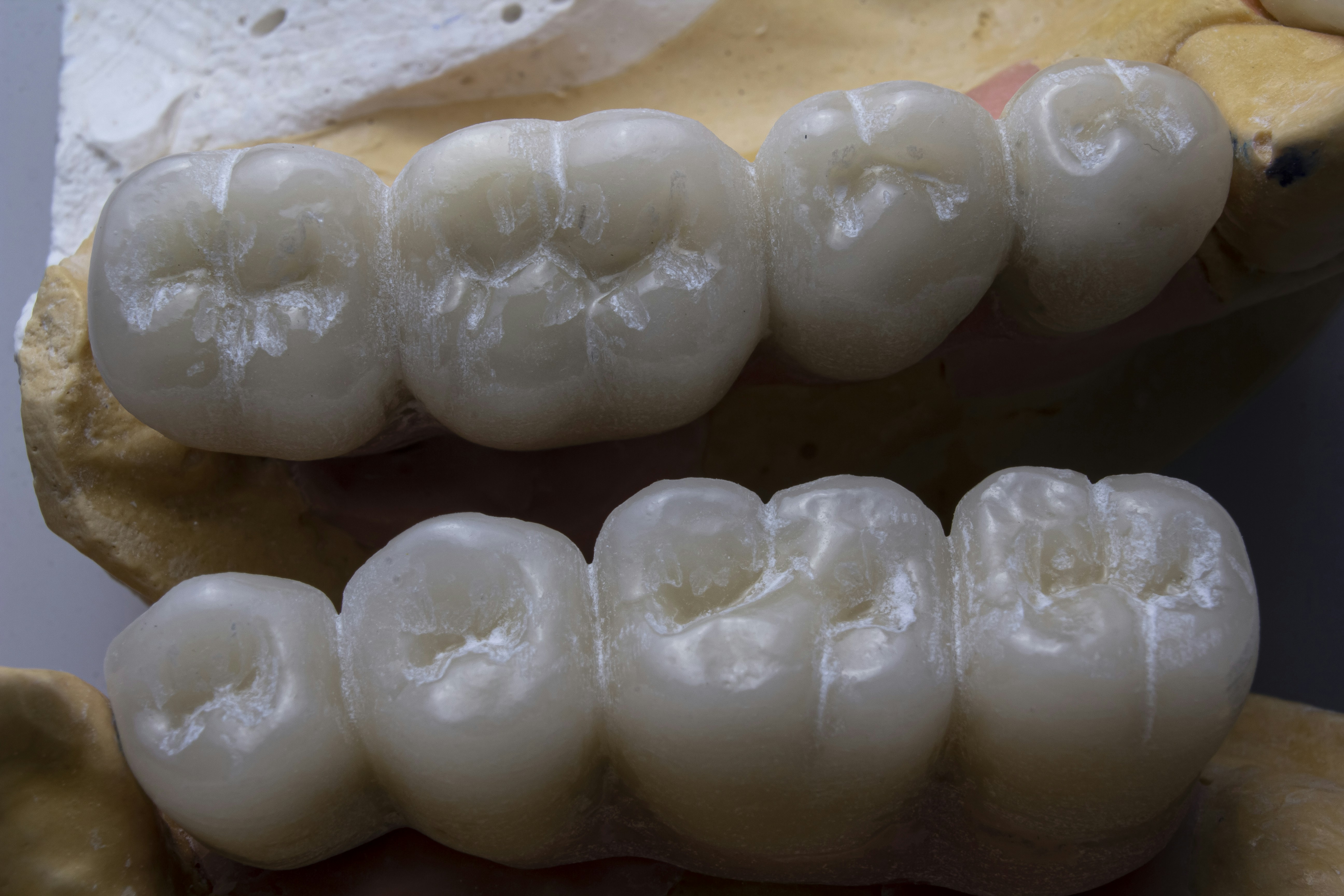
A fixed zirconia bridge represents an advanced dental solution designed to replace one or more missing teeth. This type of dental bridge is anchored to the surrounding teeth or dental implants, providing patients with a stable and secure restoration. Unlike removable dental appliances, fixed solutions offer enhanced comfort and support, which makes them a popular choice among patients seeking effective tooth replacement options.
The increasing use of zirconia in modern dentistry stems from its superior properties that closely mimic the appearance of natural teeth. Zirconia is a metal oxide that possesses high strength and biocompatibility, making it an ideal choice for dental applications. Its ability to resist wear and fracture under pressure ensures that these bridges can endure daily functional demands, effectively restoring patients’ chewing abilities.
Patients often favor fixed zirconia bridges over traditional removable dentures due to several compelling advantages. First, fixed bridges eliminate the discomfort and inconvenience associated with removable devices, which often require additional maintenance and can shift during use. Moreover, fixed solutions contribute to a more natural aesthetic, as zirconia can be precisely color-matched to the individual’s existing teeth, enhancing their smile and overall appearance.
In addition to their aesthetic appeal, fixed zirconia bridges promote better oral health. By preventing shifting of adjacent teeth, they maintain the integrity of the dental arch and reduce the risk of further oral complications. This comprehensive approach not only improves the patient’s quality of life but also supports long-term dental health.
What is a Fixed Zirconia Bridge?
A fixed zirconia bridge is a dental restoration designed to replace one or multiple missing teeth. Made predominantly from zirconia, a durable and biocompatible ceramic material, this type of bridge offers both aesthetic and functional benefits. Zirconia is known for its strength, making it an ideal choice for dental applications where resilience is crucial.
Unlike removable dental bridges, which can be taken out for cleaning and maintenance, fixed zirconia bridges are permanently affixed to dental implants or natural teeth, providing stability and comfort. This fixed nature means they can effectively restore a patient’s bite and chewing function without the concern of them coming loose. The secure fitting of a fixed zirconia bridge allows patients to enjoy everyday activities, such as talking and eating, just as they would with natural teeth.
One of the standout features of zirconia is its ability to mimic the translucency and natural appearance of teeth. This is especially important in restorative dentistry, where aesthetic considerations significantly impact patient satisfaction. The result is a dental bridge that not only functions well but also looks like a natural part of the mouth. The color and texture of zirconia can be matched closely to the patient’s existing teeth, ensuring a seamless integration within the smile.
Overall, fixed zirconia bridges represent a highly effective solution for tooth replacement, combining durability with a pleasing appearance. They hold up well against wear and tear, offering a long-lasting solution to those seeking to restore their smiles with confidence.
Types of Fixed Zirconia Bridges
A fixed zirconia bridge is a remarkable dental restoration option that provides both functionality and aesthetic appeal. There are various types of these bridges designed to suit different dental needs, each offering unique characteristics that cater to specific patient requirements.
The first type is the tooth-supported zirconia bridge. This type is anchored by existing natural teeth, which serve as the foundation for the bridge. The process involves reshaping the adjacent teeth to accommodate the bridge, thus allowing it to blend seamlessly with the patients’ smile. Tooth-supported zirconia bridges are preferred for patients who have a few missing teeth but retain adequate healthy teeth on either side. They provide a stable solution while ensuring minimal impact on the remaining dentition.
Another significant type is the implant-supported fixed zirconia bridge. Unlike the tooth-supported variant, which relies on adjacent teeth, this bridge is supported entirely by dental implants placed into the jawbone. This option is ideal for patients with no remaining natural teeth or where tooth structure is compromised. Implant-supported bridges provide superior stability and prevent bone loss, offering a more reliable solution for tooth replacement which can last for years with proper care.
Finally, there are full-arch fixed zirconia bridges, which are designed for patients requiring a complete set of upper or lower teeth. This type often involves placing several implants strategically in the jaw to support a full row of zirconia teeth. Full-arch bridges not only enhance aesthetic appearance but also restore functionality, allowing patients to chew and speak with confidence. Each type of fixed zirconia bridge can be tailored to meet individual patient needs, ensuring an effective and pleasing dental restoration.
Benefits of a Fixed Zirconia Bridge
Fixed zirconia bridges offer several exceptional advantages for individuals seeking durable and aesthetically pleasing tooth replacement solutions. One of the primary benefits is their extraordinary strength and fracture resistance. Unlike traditional dental materials, zirconia boasts remarkable mechanical properties, allowing it to withstand significant chewing forces without compromising its integrity. This high durability makes zirconia a preferred choice for both anterior and posterior tooth replacements, ensuring longevity and reliability in dental restorations.
Another significant advantage is the natural tooth-like appearance of fixed zirconia bridges. Zirconia is known for its ability to mimic the translucency and color of natural teeth effectively. This characteristic allows for the creation of restorations that blend seamlessly with the surrounding dentition, enhancing the overall aesthetic outcome. Patients can regain their confidence in their smile, as these bridges provide a highly cosmetic result similar to that of natural teeth.
Moreover, biocompatibility is a vital attribute of zirconia that promotes gum health. Zirconia is non-metallic and hypoallergenic, reducing the risk of allergic reactions and adverse tissue responses. This property prevents the infiltration of harmful bacteria, thereby supporting oral hygiene and overall gum health. Regular maintenance becomes easier for patients, contributing to improved dental and systemic health.
Lastly, fixed zirconia bridges exhibit long-term color stability, ensuring that they maintain their appearance over time. Unlike certain materials that may discolor or fade, zirconia retains its original color, providing an enduring aesthetic solution. This longevity diminishes the need for frequent replacements, making fixed zirconia bridges a cost-effective investment in dental care.
Fixed Zirconia Bridge Procedure
The procedure for receiving a fixed zirconia bridge typically involves several meticulous steps designed to ensure a successful outcome. Initially, a thorough dental consultation is essential. During this appointment, the dentist will examine the patient’s oral health, discuss the reasons behind the tooth replacement, and outline the definitive plan based on the patient’s needs. This phase may include detailed imaging, such as X-rays or 3D scans, to provide the dentist with a comprehensive view of the jawbone and surrounding structures, crucial for planning the bridge placement.
Following the initial assessment, the next step involves tooth preparation or implant placement. If the procedure requires anchoring on existing teeth, the dentist will carefully shape these teeth to fit the bridge. In cases where implants are necessary, the surgical placement of implants into the jawbone will occur. This step is critical, as the implants serve as a robust foundation for the zirconia bridge.
After the necessary preparations, digital impressions are taken, capturing the precise contours of the mouth. These impressions are essential for crafting a customized fixed zirconia bridge that matches the patient’s natural teeth in terms of size, shape, and color. Utilization of advanced dental technology during this stage can enhance the accuracy and quality of the final product.
The fabrication of the zirconia bridge typically takes place in a dental laboratory, where skilled technicians will construct the bridge using the impressions and digital designs provided by the dentist. Once the bridge is ready, the final phase involves cementation or screw-retained placement. The dentist will securely attach the bridge to the prepared teeth or implants, ensuring a stable fit and optimal aesthetics. Throughout this process, patients can expect to be informed and comfortable, ensuring they understand each step towards achieving their desired tooth replacement.
Cost of a Fixed Zirconia Bridge (USA)
The financial implications of opting for a fixed zirconia bridge in the United States can vary significantly depending on several influencing factors. On average, the cost of a single unit of a fixed zirconia bridge ranges between $1,000 and $3,500. This price range is influenced by the geographic location of the dental practice, the overall expertise of the dental specialist, and the complexity of the case at hand.
One of the primary considerations affecting cost is the number of units required. For patients needing multiple units, the total price can increase dramatically. Additionally, if dental implants are necessary to support the bridge, this will add to the overall expense, with implants generally costing between $1,500 and $6,000 each, depending on the implant technology used and the complexity of the surgical procedure.
Furthermore, the reputation and qualifications of the dental clinic play a crucial role in determining the final cost. High-demand, experienced professionals may charge more due to their skill and success rates, which often translates into better long-term outcomes and patient satisfaction. In contrast, patients may find less expensive options in less established clinics, but these choices could carry greater risks.
When comparing fixed zirconia bridges to traditional porcelain or metal bridges, zirconia options frequently provide a higher value in the long run due to their durability and aesthetic appeal. While porcelain or metal bridges may have a lower initial cost (ranging from $300 to $2,500), their longevity often does not match that of zirconia. Hence, patients should consider both the immediate costs and long-term benefits when making their decision.
How Long Does a Fixed Zirconia Bridge Last?
A fixed zirconia bridge is renowned for its durability and aesthetic appeal, making it a popular choice for those seeking to replace missing teeth. On average, a well-maintained fixed zirconia bridge can last between 10 to 15 years, with many patients enjoying functionality and appearance beyond this range under optimal conditions. However, several factors influence the lifespan of a zirconia bridge, which plays a crucial role in determining how long it can effectively serve its purpose.
One of the primary considerations impacting the longevity of a fixed zirconia bridge is the oral hygiene practices of the individual. Regular and thorough oral care is essential not only for the health of the surrounding tissues but also for the success of the bridge. Brushing at least twice a day and flossing daily are fundamental practices to prevent decay and gum disease, which can lead to complications or failure of the bridge. Additionally, patients are encouraged to use antibacterial mouthwash to further reduce the risk of oral infections.
Another critical factor is routine dental check-ups. Regular visits to a dentist for cleanings and examinations enable early detection of any potential issues that could shorten the lifespan of the zirconia bridge. During these appointments, dental professionals can assess the condition of the bridge, check the health of the gums, and provide valuable guidance on maintenance. Their expertise plays a vital role in reinforcing the durability of the bridge, ensuring optimal fit and functionality.
In summary, while fixed zirconia bridges offer impressive longevity, the combination of diligent oral hygiene and consistent professional care significantly contributes to extending their lifespan. By adhering to these practices, patients can enjoy the benefits of their zirconia bridge for many years to come, maintaining both their smile and overall dental health.
Fixed Zirconia Bridge vs Other Materials
When considering tooth replacement options, the choice of materials is crucial to ensure both aesthetic appeal and functional longevity. Fixed zirconia bridges stand out when compared to other commonly used materials, such as porcelain-fused-to-metal (PFM) and traditional ceramic bridges. One of the primary advantages of zirconia is its remarkable strength and durability. Unlike PFM options that can chip or fracture under pressure, zirconia is highly resistant to wear, enabling it to withstand the stresses of biting and chewing effectively without compromising its integrity.
Aesthetically, fixed zirconia bridges excel in their ability to mimic the natural translucence of teeth. While porcelain-fused-to-metal bridges can show a metallic understructure, resulting in a less natural appearance, zirconia offers a fully tooth-colored solution that blends seamlessly with surrounding teeth. This natural aesthetic is a significant reason why many dental professionals recommend zirconia for visible areas in the mouth.
In terms of biocompatibility, zirconia is also superior. It is highly resistant to staining and is less likely to provoke an allergic reaction, making it an ideal choice for patients with sensitivities or those looking for a long-lasting, non-reactive option. This feature contrasts with some ceramic materials that may not offer the same level of durability or staining resistance over time.
Overall, while other materials like porcelain-fused-to-metal or conventional ceramics serve their purpose, zirconia bridges provide a unique combination of strength, aesthetics, and biocompatibility that places them in a premium category for dental restorations. For individuals prioritizing both functionality and a natural look in their tooth replacement options, fixed zirconia bridges represent a compelling choice that addresses both aesthetic and practical considerations.
Who is an Ideal Candidate?
The fixed zirconia bridge serves as a proficient solution for individuals experiencing issues such as missing or severely damaged teeth. Ideal candidates typically include patients who have lost one or more teeth due to decay, injury, or other oral health issues. The fixed nature of zirconia bridges provides a permanent tooth replacement option, which many patients find appealing compared to removable dentures or other temporary solutions. This permanency not only enhances the patient’s ability to chew and speak but also contributes to an improved aesthetic smile.
Additionally, those seeking a durable and long-lasting solution will find fixed zirconia bridges to be particularly beneficial. The strength and resilience of zirconia allow it to withstand significant biting forces, making it an excellent option for individuals with active lifestyles who require a trustworthy dental restoration. Furthermore, the natural appearance of zirconia mimics the aesthetic qualities of natural teeth, making it suitable for patients concerned about the visual appeal of their dental restorations.
It is imperative to consider the patient’s overall oral health when determining candidacy for fixed zirconia bridges. Ideal candidates should possess sufficient bone density and healthy gum tissue to support the bridge securely. In cases where bone loss or gum disease is present, preliminary treatments may be necessary to rectify these issues before the installation of a zirconia bridge can occur. Therefore, a thorough evaluation by a dental professional is essential in establishing whether a fixed zirconia bridge is a prudent choice for the patient.
Care and Maintenance
Maintaining a fixed zirconia bridge is essential for ensuring its longevity and functionality. Regular daily cleaning techniques play a crucial role in preserving not only the bridge itself but also the surrounding natural teeth and gums. Using a soft-bristled toothbrush in conjunction with a fluoride toothpaste is recommended for cleaning the bridge. It is important to gently brush the zirconia surface to avoid scratching, while effectively removing plaque and food debris.
In addition to brushing, the use of dental floss or interdental brushes is highly encouraged. These tools can help clean the areas between the bridge and adjacent teeth, where plaque tends to accumulate. Patients are often advised to floss daily to maintain good oral hygiene and to remove any particles that a toothbrush might miss. Water flossers can also be beneficial, as they provide a gentle stream of water that can help clean hard-to-reach places.
Professional maintenance is another crucial aspect of caring for a zirconia bridge. Regular dental check-ups, ideally every six months, should not be overlooked. During these visits, your dentist will examine the bridge, assess its condition, and provide a professional cleaning that can remove any calculus build-up. This professional evaluation will help identify potential issues before they lead to more significant problems.
It is also vital to avoid certain habits that could compromise the integrity of a fixed zirconia bridge. Teeth grinding, or bruxism, is particularly damaging and can lead to chipping or loosening of the bridge. Additionally, consuming hard foods or using teeth to open packages can pose risks to the bridge’s structure. By being mindful of these habits and following a comprehensive care routine, individuals can enjoy the benefits of their zirconia bridge while ensuring its durability and aesthetic appeal for years to come.
Frequently Asked Questions
The fixed zirconia bridge is a popular choice for individuals seeking durable and aesthetically pleasing dental solutions. However, potential patients often have several questions before undergoing the procedure. Here we address some of the most common inquiries.
One of the most frequently asked questions is whether a fixed zirconia bridge is permanent. While the zirconia material is exceptionally strong and resistant to wear, the bridge itself is not entirely immune to the effects of time and pressure. Typically, with good oral hygiene and regular dental check-ups, a zirconia bridge can last many years, often extending over a decade, making it a long-lasting option compared to traditional dentures.
Another concern revolves around the comfort of a zirconia bridge. Many patients wonder, “Does it feel like natural teeth?” The answer is generally positive. Most individuals report that after the initial adjustment period, a fixed zirconia bridge feels remarkably similar to their natural teeth. The weight, texture, and functionality of the bridge closely mimic that of real teeth, allowing for an improved quality of life.
Patients often question the durability of the material itself, asking, “Can a zirconia bridge crack or break?” While zirconia is known for its superior strength, it is not entirely fail-proof. Under extreme pressure or trauma, there exists a risk of cracking. However, such incidents are rare, especially with responsible use and care. To minimize risks, patients should avoid using their teeth as tools to open objects and refrain from biting down on especially hard materials.
Lastly, many prospective patients are concerned about the procedure’s discomfort and ask, “Is the procedure painful?” During the installation of a fixed zirconia bridge, local anesthesia is administered to ensure the patient is comfortable throughout the process. Most individuals experience minimal discomfort post-procedure, comparable to a standard dental treatment. Consulting with a qualified dental professional can further address any personal concerns before the procedure.
Conclusion
In summary, a fixed zirconia bridge presents numerous advantages for individuals seeking a durable and aesthetically pleasing solution for tooth replacement. This type of dental restoration not only mimics the look and feel of natural teeth but also offers exceptional strength and longevity. Unlike traditional bridges, zirconia bridges provide superior resistance to wear and fracture, making them an ideal choice for those who desire a long-lasting solution.
Moreover, the biocompatibility of zirconia ensures that patients experience minimal irritation or adverse reactions in the mouth, thereby enhancing overall oral health. The natural-looking appearance of zirconia bridges can greatly improve a patient’s confidence, as they blend seamlessly with existing teeth. Additionally, their ease of cleaning and maintenance simplifies the daily oral hygiene routine.
For those considering tooth replacement options, seeking guidance from a qualified dental specialist is essential. A skilled dentist can evaluate individual needs, ensuring that a fixed zirconia bridge is the most suitable and effective solution. Through comprehensive consultation and personalized treatment plans, patients can look forward to enjoying the long-term benefits of a durable and attractive tooth replacement.