rc
Introduction to Zirconia Bridge
Zirconia bridges, a sophisticated solution in dental restorations, have gained significant popularity due to their unique combination of strength, aesthetic appeal, and biocompatibility. These dental prosthetics are manufactured using zirconium dioxide, a robust ceramic material known for its outstanding mechanical properties. One of the most crucial aspects of zirconia is its exceptional strength, making it an ideal choice for bridges that endure significant bite forces. This durability is vital for maintaining function and longevity in patients requiring restorative dental work.
Moreover, zirconia exhibits remarkable resistance to wear and corrosion, which ensures that dental bridges remain stable and effective over time. Unlike traditional materials, zirconia does not absorb moisture, further enhancing its durability and effective performance in the oral environment. Patients can trust that a zirconia bridge will not only provide functional benefits but also hold up well against the challenges posed by daily activities such as chewing and grinding.
Aesthetically, zirconia bridges offer a lifelike appearance that closely resembles natural teeth, making them highly sought-after by both patients and dental professionals. The ability to match the color and translucency of natural teeth is essential for achieving a harmonious smile, and zirconia material excels in this regard. Furthermore, its translucency allows it to reflect light similarly to natural enamel, contributing to a more realistic look.
In summary, the properties of zirconia—strength, durability, and aesthetic qualities—underscore why zirconia bridges have become an integral part of modern dentistry. As techniques continue to evolve, zirconia bridges not only enhance the functionality of dental restorations but also improve the quality of life for patients by restoring their confidence in their smile.
The Science of Zirconia Bridge Bonded
Zirconia bridges have gained popularity in dental practices due to their superior aesthetics and strength. The bonding of zirconia to tooth structures is a sophisticated process that involves a combination of mechanical retention and chemical adhesion. At the molecular level, zirconia has a unique crystalline structure that provides optimal properties for dental applications. The bonding process is critically influenced by surface treatments and the adhesive materials used during placement.
To begin with, surface modification of zirconia is crucial to achieving effective bonding. This is often accomplished through a technique known as sandblasting, which roughens the surface and increases the area available for adhesion. The resulting micro-roughness enhances mechanical interlocking between the zirconia and the adhesive, forming what is known as mechanical retention. However, mechanical retention alone is not sufficient for a durable bond; chemical bonding must also occur.
The chemical bonding process typically involves the application of a dental adhesive that is specifically designed for zirconia surfaces. These adhesives often contain silane coupling agents, which facilitate the formation of covalent bonds between the zirconia material and the bonding agent. The use of these dual-action adhesives ensures that both mechanical and chemical bonds contribute to the overall strength of the connection. As the bonding agent cures, it forms a robust interface, significantly enhancing the longevity of the zirconia bridge.
Furthermore, the development of advanced adhesive technologies continues to improve the bonding process, resulting in a strong and biocompatible union between the zirconia bridge and the surrounding natural tooth structures. This union is essential, as it ultimately contributes to the success and longevity of restorations. Understanding the intricate science behind zirconia bridge bonding allows dental professionals to provide optimal care and solutions for their patients.
Latest Techniques in Bonding Zirconia Bridges (2025 Updates)
As of 2025, the bonding techniques used for zirconia bridges have undergone significant advancements, reflecting the continual evolution of dental materials and procedures. These innovations primarily focus on improving the adherence and longevity of zirconia restorations, thus enhancing patient satisfaction and clinical outcomes. One key development is the introduction of novel adhesive systems specifically designed for zirconia, which utilize advanced chemical formulations to establish stronger bonds between the zirconia material and the dental substrate.
Recent findings indicate that the use of silica coating techniques plays a crucial role in enhancing the bonding strength of zirconia bridges. By applying a silica layer to the zirconia surface, clinicians can create additional bonding sites, which facilitates better integration with the resin cement utilized in the bonding process. This method has shown promising results in both in vitro and clinical studies, demonstrating improved bond strength compared to traditional bonding methods.
Moreover, the latest advancements also encompass the development of high-performance resin cements that exhibit superior bonding properties as well as enhanced aesthetics. These cements are engineered to maintain their mechanical integrity under the varying stresses encountered in the oral environment. Additionally, the introduction of light-curing technologies has significantly improved the polymerization of resin cements used with zirconia, leading to faster chairside procedures and reduced operational time for practitioners.
Experts in the field emphasize the importance of surface treatment in the success of zirconia bonding, encouraging dentists to explore different techniques such as sandblasting or using hydrofluoric acid etching, which can further optimize bonding results. As we look toward the future, it is evident that the continuous innovation in bonding techniques will play an integral role in enhancing the clinical efficacy and patient experience associated with zirconia bridges.
Role of Special Cements in Zirconia Bonding
When it comes to the bonding of zirconia bridges, the choice of cement plays a crucial role in ensuring a strong and durable connection between the dental restoration and the tooth structure. Special cements specifically formulated for zirconia bonding have gained prominence due to their tailored properties, which enhance the effectiveness of the bonding process. These cements, often comprised of resin-based formulas, are designed to optimize adhesion to zirconia surfaces, which are notoriously challenging to bond effectively due to their non-porous nature.
One of the most widely used types of cement for zirconia bonding is the resin cement. This cement typically contains a mixture of BisGMA (Bisphenol A-glycidyl methacrylate) and fillers that improve the mechanical properties and radiopacity, allowing for easier visualization during bonding. Additionally, the inclusion of specific adhesives and chemical agents enhances the bond strength by allowing for better penetration and interaction with the zirconia surface.
Another notable option is self-adhesive resin cements, which streamline the bonding procedure by eliminating the need for additional bonding agents or etching steps. These cements achieve a reliable bond primarily through chemical interactions with the zirconia, promoting excellent adhesion without the typically required surface treatment. Although self-adhesive options offer convenience, they may not always match the bond strength provided by traditional resin cements, especially in high-stress areas.
In contrast to conventional dental cements, which may lack the requisite bonding capabilities for modern zirconia materials, special cements represent a significant advancement in dental material science. By harnessing the unique properties of modern bonding agents, clinicians can ensure that zirconia bridges remain securely in place, thereby enhancing both the functional and aesthetic outcomes of dental restorations.
Use of Primers in Zirconia Bridge Adhesion
Primers play a crucial role in enhancing the adhesion of zirconia bridges to dental structures, significantly contributing to bond strength and durability. These specialized bonding agents are formulated to prepare the surface of the zirconia, ensuring optimal adhesion with dental cements. Primers consist of various chemical components that facilitate the interaction between the zirconia surface and the adhesive material.
When zirconia is used in dental applications, its inherent properties, such as low reactivity and high strength, can impede effective bonding. This is where primers become essential. By applying a primer to the prepared zirconia surface, dental professionals can alter the chemical characteristics of the material, making it more conducive to bonding with cements. The primer works by creating a micro-layer that enhances the mechanical interlock and chemical interaction between the zirconia and the cement.
Effective primers typically contain silane coupling agents, which possess a unique structure that allows for bonding to both the zirconia surface and the dental cement. The silane molecules promote the formation of a covalent bond, thereby increasing the overall bond strength. Additionally, some primers may include other compounds that help in roughening the surface at a microscopic level, which further aids in mechanical retention.
While the choice of primer can vary based on specific clinical requirements, it is important to select one that is compatible with the adhesive cement being used for the zirconia bridge. The synergistic effect of the primer and the cement is pivotal in achieving a reliable and long-lasting bond, making it a core component of modern zirconia bridge placement techniques. Understanding the role of primers not only informs dental practitioners but also enhances the overall procedure for improved patient outcomes.
Clinical Steps for Bonding Zirconia Bridges
Bonding zirconia bridges requires precise clinical techniques to ensure optimal adhesion and longevity. The bonding process begins with meticulous pre-bonding preparations, vital for achieving a successful outcome. Dental professionals should begin by analyzing the edentulous area to confirm that it is free from debris, bacteria, and any organic matter. Thorough cleaning using a suitable ultrasonic cleaner or steam can remove contaminants that may compromise bonding integrity.
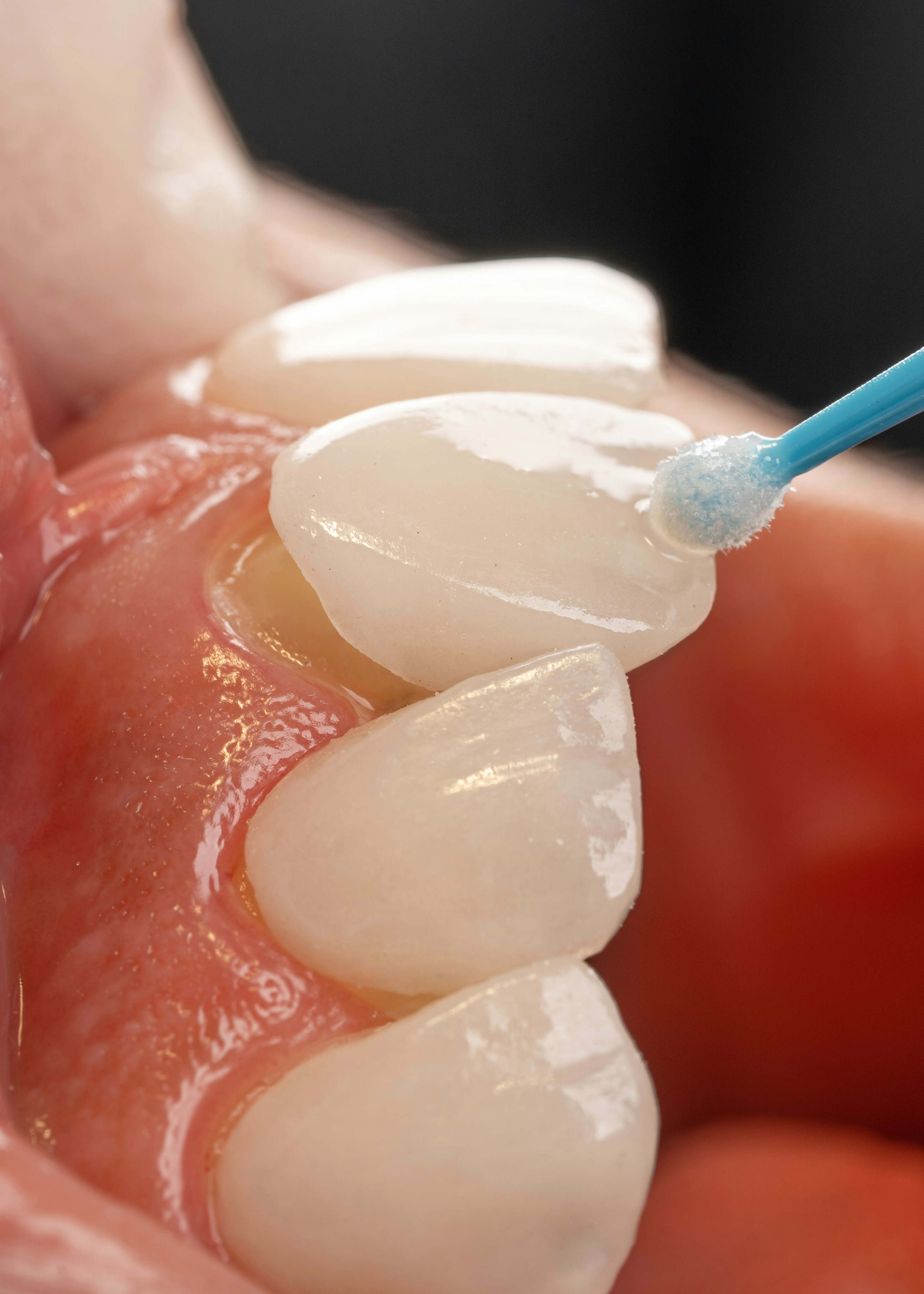
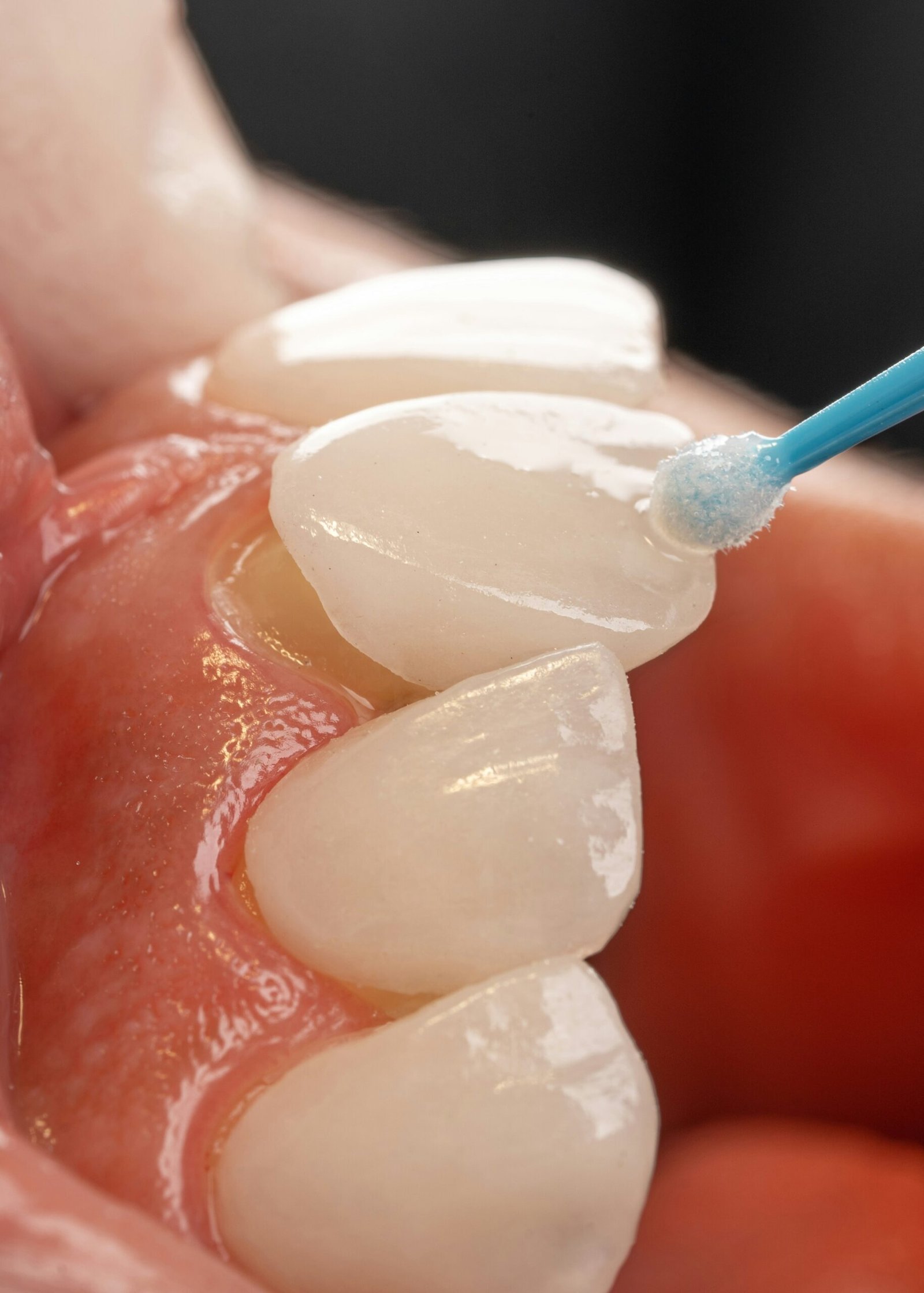
Following this preliminary step, the zirconia bridge needs surface treatment. Employing a silica coating technique, which includes airborne particle abrasion, enhances the surface roughness of the zirconia, enabling better bonding with resin cements. After this, the use of a silane coupling agent occurs. The application of the silane not only promotes adhesion between the zirconia and the resin but also works as a crucial bonding agent. Allow a few minutes for the silane to air-dry, ensuring chemical bonding is effective.
Next, the resin cement should be appropriately mixed according to the manufacturer’s instructions. Quality control at this stage is vital, as the consistency of the resin is critical for achieving strong bond strengths. Once properly prepared, apply the resin cement to the internal surface of the zirconia bridge bonded and position the restoration precisely onto the prepared tooth structure. Light-cure the resin as prescribed, maintaining the position of the bridge until sufficiently set.
Finally, perform a thorough inspection of the bond. Evaluate the marginal integrity and confirm that there are no gaps. Checking for proper occlusion is also essential, alongside the assessment of esthetics. The clinical steps for bonding zirconia bridges not only ensure effective retention but also contribute to the long-term success of dental restorations.
Common Challenges in Zirconia Bonding and Solutions
Zirconia bridges have become increasingly popular in dental restoration due to their superior aesthetics and durability. However, bonding these restorations can present several challenges that dental professionals must navigate to ensure successful outcomes. One prominent issue is surface contamination, which can severely compromise the bonding strength. Contaminants such as saliva, blood, or oil can interfere with the bond between the zirconia and the cement. To mitigate this problem, it is essential to thoroughly cleanse the zirconia surface prior to bonding. This can be achieved using ultrasonic cleaning or phosphoric acid etching, which removes residual contaminants and enhances the surface for bonding.
Another challenge faced by dental professionals is inadequate bonding strength. This often arises from improper selection of the bonding agent or insufficient preparation of the zirconia surface. It is advisable to use a suitable adhesive system that is specifically formulated for zirconia, as these adhesives are designed to interact effectively with the material’s unique surface properties. Furthermore, employing primer agents that promote chemical bonding can significantly enhance adhesion. Ensuring optimal flow and coverage of the bonding agent is also vital, as it promotes a stronger bond.
In addition to surface preparation, the curing process plays a crucial role in the effectiveness of bonding. Inadequate curing can lead to compromised bond strength; therefore, following the manufacturer’s guidelines for curing time and light intensity is imperative. Dental professionals should also stay updated on the latest materials and techniques, which can significantly improve bonding outcomes. Training and continuing education in advanced bonding methods will aid practitioners in overcoming these challenges while ensuring long-lasting restorations.
Post-Bonding Care and Maintenance of Zirconia Bridges
Once the zirconia bridge has been successfully bonded, diligent care is essential to ensure its longevity and maintain its aesthetic quality. Proper oral hygiene plays a fundamental role in preserving the integrity of the dental work. Patients are encouraged to follow a comprehensive oral hygiene regimen, which includes regular brushing and flossing. It is recommended to use a soft-bristled toothbrush and non-abrasive fluoride toothpaste to avoid scratching the surface of the zirconia material.
Flossing is equally important as it helps remove plaque and food particles from between the teeth and around the edges of the bridge. Patients should consider using dental floss or interdental brushes specifically designed for bridges. This can aid in preventing gum disease and maintaining good oral hygiene, which are critical for the stability of the zirconia bridge.
Regular visits to a dental professional are also vital after the bonding process. Scheduling biannual check-ups allows for monitoring the condition of the zirconia bridge, assessing gum health, and addressing any concerns that might arise. During these visits, your dentist can provide professional cleaning and advice tailored to your specific oral health needs.
In addition to these practices, patients should be mindful of their dietary choices. Avoiding hard, sticky, or abrasive foods can help prevent any potential damage to the zirconia bridge during chewing. It is also advisable to refrain from habits such as nail-biting or using teeth to open packages, which could adversely affect the structural integrity of the dental restoration.
Conclusion and Future Directions in Zirconia Bridge Technology
In the realm of dental prosthetics, zirconia bridges have emerged as a highly effective solution for restoring dental aesthetics and functionality. Throughout this blog, we have explored how zirconia bridges are bonded, emphasizing the various techniques that enhance their durability and performance. With advancements in bonding agents and surface treatments, dental professionals can achieve stronger and more reliable connections between zirconia bridges and natural tooth structures.
As we look toward the future, it is evident that the technology behind zirconia bridges is continuously evolving. Future research is expected to focus on improving the biocompatibility of the materials used and refining the techniques for bonding. Innovations, such as the integration of digital workflows in creating zirconia restorations, are likely to gain traction. These techniques include computer-aided design and computer-aided manufacturing (CAD/CAM), which facilitate greater precision in fitting and aesthetics.
Moreover, as the dental field increasingly adopts minimally invasive practices, zirconia bridges are likely to be combined with other advanced materials to further enhance performance while preserving tooth structure. This includes the potential development of more advanced bonding systems that would provide additional strength without compromising the integrity of the underlying teeth.
In summary, staying informed about the latest advancements in zirconia bridge technology is crucial for both dental professionals and patients alike. By understanding these developments, practitioners can ensure they are delivering the best care possible while patients can make informed decisions regarding their dental health. The commitment to continuous research and innovation in this area will undoubtedly lead to more sophisticated solutions in restorative dentistry, ultimately benefiting patient outcomes.