Introduction to how long does a zirconia bridge last
When patients consider a long-term solution for missing teeth, one of the very first questions that comes to mind is how long does a zirconia bridge last. This question is not only practical but essential, because a dental bridge is an investment in both oral health and quality of life. Zirconia bridges have rapidly gained popularity in modern dentistry due to their exceptional strength, natural appearance, and biocompatibility. However, durability is what ultimately determines whether this treatment is truly worth it in the long run.
Understanding how long does a zirconia bridge last requires looking beyond simple numbers or averages. The lifespan of a zirconia bridge depends on multiple factors, including material quality, oral hygiene habits, bite forces, and professional dental care. Unlike traditional metal-based bridges, zirconia offers a unique combination of toughness and aesthetics, making it a preferred choice for patients who want a solution that looks natural and performs reliably for many years.
In this comprehensive guide, we will explore how long does a zirconia bridge last, what affects its longevity, and how you can maximize its lifespan. Whether you are considering a zirconia bridge for the first time or already have one and want to protect your investment, this article will give you clear, evidence-based insights to help you make informed decisions about your dental health.
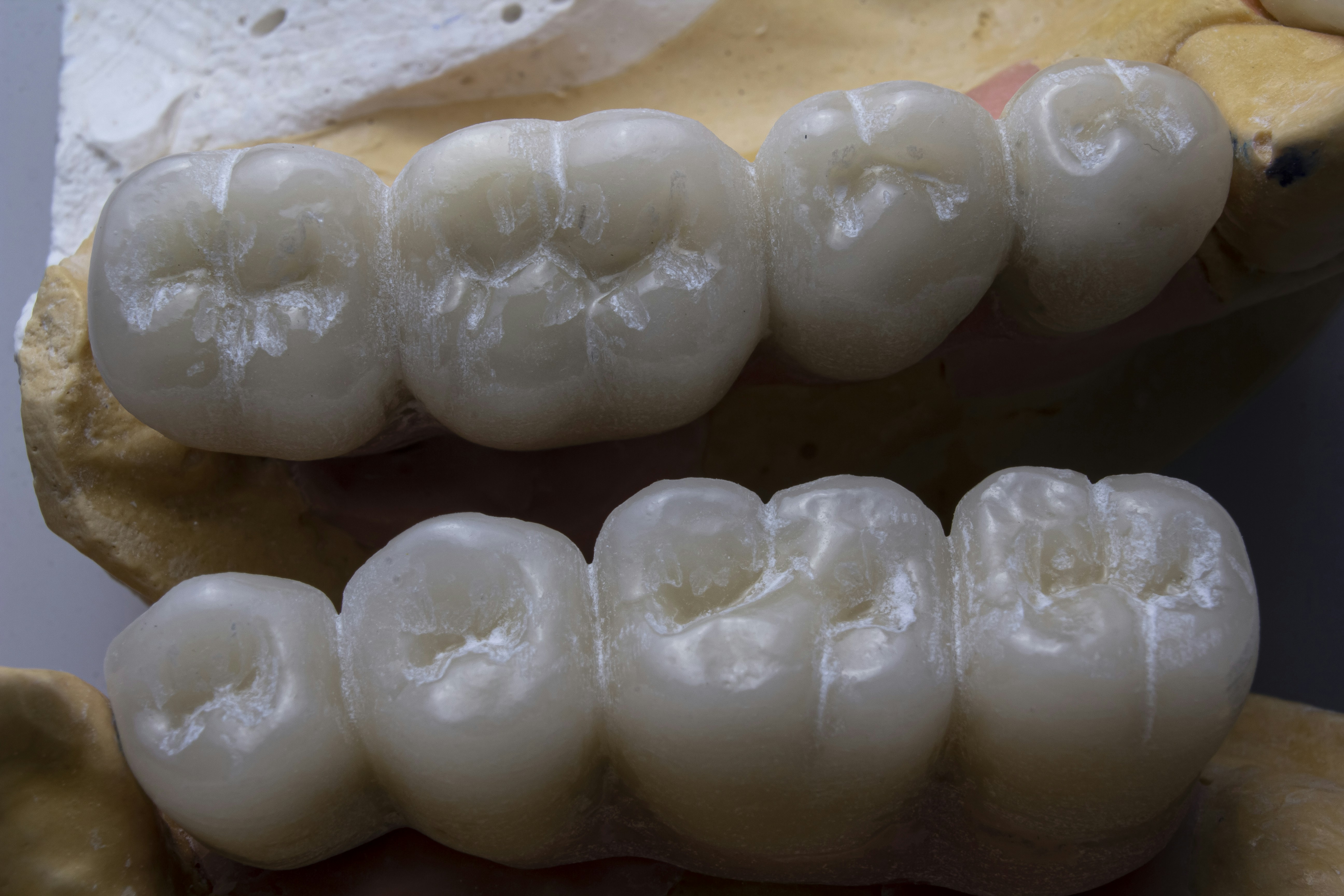
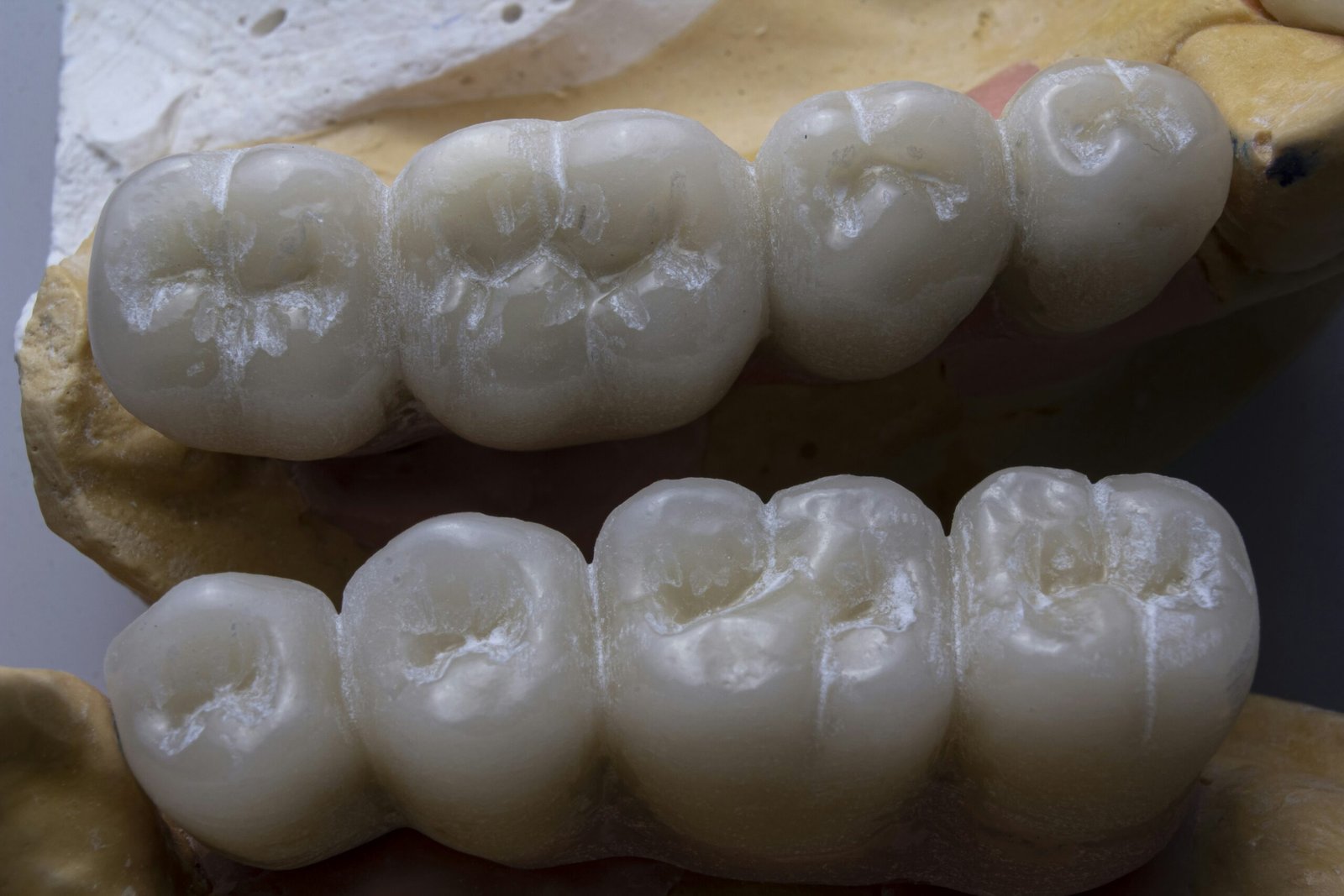
Zirconia bridge last are a type of dental prosthetic commonly used in restorative dentistry to replace missing teeth. They are crafted from zirconium dioxide, a durable and biocompatible material, known for its strength and aesthetic properties. The production of zirconia bridges typically involves advanced computer-aided design and manufacturing (CAD/CAM) technology, enabling precise customization for optimal fit and function.
One of the primary advantages of zirconia is its superior aesthetic appeal. Unlike traditional metal-based bridges, zirconia bridges can closely mimic the natural appearance of teeth due to their tooth-colored material. This characteristic allows for a more seamless integration within a patient’s smile, making them an ideal choice for front tooth replacements where aesthetics are paramount.
In addition to their visual appeal, zirconia bridges are recognized for their excellent mechanical properties. These restorations demonstrate significant resistance to wear, corrosion, and fracture, often making them a long-lasting solution in dental restoration. Due to these properties, zirconia bridges have become increasingly popular among dental professionals.
Furthermore, the biocompatibility of zirconia ensures that the material is well-tolerated by the human body, minimizing the risk of allergic reactions or sensitivities that can sometimes occur with metal restorations. This feature makes them suitable for a wide range of patients, including those with existing dental allergies.
Overall, zirconia bridges combine aesthetic appeal with functional durability, positioning them as a favored option for restoring missing teeth while enhancing oral health and appearance. Their unique characteristics make them a significant advancement in restorative procedures, setting a high standard for modern dentistry.
Understanding the Lifespan of Zirconia Bridges
Zirconia bridges are increasingly popular in dentistry due to their strength and aesthetic appearance. They form part of dental solutions for patients who have lost teeth, combining durability with a natural look. Understanding the lifespan of zirconia bridges is essential for both dental professionals and patients to manage expectations and ensure proper care.
Research indicates that zirconia bridges generally have a lifespan ranging from 10 to 15 years. Numerous clinical studies support these findings, suggesting that, with appropriate care, patients can enjoy the benefits of their zirconia bridges for a prolonged period. In fact, some patients even report functioning zirconia bridges lasting beyond 15 years. The longevity can be attributed to the material’s inherent properties—zirconia is known for its resistance to wear, corrosion, and chipping.
However, several factors can influence the actual lifespan of a zirconia bridge. One significant aspect is oral hygiene. Patients who maintain diligent oral care routines, including regular brushing, flossing, and routine dental check-ups, are likely to experience better outcomes. Furthermore, lifestyle habits, such as grinding teeth or consuming hard foods, can accelerate wear and damage. Additionally, the skill and technique with which the zirconia bridge is placed play a critical role. A bridge that is improperly fitted may compromise the surrounding teeth and lead to premature failure.
Furthermore, patient-related factors, such as age and overall dental health, can also affect the longevity of a zirconia bridge. Younger patients with healthier dentition generally enjoy a longer lifespan of dental restorations. Thus, while zirconia bridges are robust, the variability in lifespan necessitates personalized dental care approaches to maximize their durability.
Factors Influencing the Durability of Zirconia Bridges
The longevity of zirconia bridges is influenced by a variety of factors, each playing a significant role in the overall performance and durability of the dental restoration. One of the primary factors is the oral hygiene maintained by the patient. Good oral hygiene practices, including regular brushing, flossing, and dental check-ups, can prevent the buildup of plaque and calculus around the bridge, which can otherwise lead to gum disease and affect the longevity of the bridge.
Another critical aspect to consider is the patient’s bite and overall dental health. An improper bite, or malocclusion, can place excessive stress on a zirconia bridge, potentially causing it to crack or wear out more quickly. A comprehensive dental assessment prior to the placement of the bridge can help in identifying any bite issues that may need to be addressed. Moreover, existing dental health conditions, such as bruxism or tooth grinding, can significantly impact the durability of a zirconia bridge, as the added pressure can lead to premature failure.
The quality of materials used in the construction of the bridge also plays a vital role. High-quality zirconia that meets industry standards will generally provide better strength and resilience. Additionally, the skill and expertise of the dental professional performing the procedure are equally important. If the bridge is not fabricated or fitted correctly, it may not endure the test of time, leading to the potential for complications that can reduce its lifespan.
In essence, the durability of zirconia bridges hinges on multiple interconnected factors, making it essential for patients to engage in proactive dental care and ensure they receive high-quality treatment from experienced professionals.
5 Expert-Backed Tips to Extend the Life of Your Zirconia Bridge
To maximize the longevity of your zirconia bridge, it is essential to adopt effective oral care practices that are endorsed by dental professionals. Here are five practical tips aimed at preserving the durability and aesthetic appeal of your dental restoration.
1. Maintain a Rigorous Oral Hygiene Routine: It is crucial to brush your teeth at least twice a day using a non-abrasive fluoride toothpaste. Pay particular attention to the areas around the zirconia bridge, as plaque buildup can lead to further dental issues. Incorporating dental floss or interdental brushes can help clean hard-to-reach areas that a toothbrush might miss.
2. Schedule Regular Dental Check-Ups: Visiting your dentist every six months or as advised is vital for sustaining your zirconia bridge’s health. Professional cleanings not only remove tartar buildup but also allow your dentist to assess the strength and position of your bridge, addressing any potential issues before they escalate.
3. Avoid Hard Foods and Excessive Force: While zirconia is known for its strength, it is wise to be cautious about biting down on hard items such as ice or hard candies. Additionally, individuals who grind their teeth should consult their dentist about potential solutions like a night guard, which can help reduce pressure on the bridge and prevent premature wear.
4. Use an Antimicrobial Mouthwash: Incorporating an antimicrobial or antibacterial mouthwash into your daily routine can help reduce harmful bacteria in your mouth. This can be especially beneficial for the soft tissues surrounding your zirconia bridge, promoting both gum health and bridge longevity.
5. Stay Hydrated: Keeping your mouth hydrated is essential for maintaining saliva production, which plays a crucial role in protecting teeth and gums. Drinking plenty of water not only aids in digestion but also helps wash away food particles and inhibit bacterial growth, contributing to the overall health of your zirconia bridge.
Comparing Zirconia Bridges to Other Types of Bridges
Zirconia bridges have gained popularity in dental practices due to their unique combination of strength, esthetics, and biocompatibility. When comparing zirconia bridges to other prevalent types of dental bridges, such as porcelain-fused-to-metal (PFM) and all-ceramic options, it is crucial to evaluate the advantages and disadvantages of each material.
Porcelain-fused-to-metal bridges have traditionally been a go-to option for their strength and durability. They consist of a metal base covered with porcelain, providing the aesthetic appeal of natural teeth. However, they can have drawbacks; for instance, the metal substructure may create a gray line at the gum line as gums recede over time. This can detract from the overall appearance, especially in visible areas. Additionally, PFM bridges are more susceptible to chipping or cracking due to the porcelain layer’s fragility.
On the other hand, all-ceramic bridges are often lauded for their superior esthetics since they do not contain any metal. They can be an excellent choice for patients desiring a bridge that closely resembles natural teeth. Nonetheless, all-ceramic options may lack the strength of zirconia or porcelain-fused-to-metal, making them less suitable for patients who grind their teeth or require bridges in high-stress areas of the mouth.
Zirconia bridges present a compelling alternative as they combine strength with a tooth-like appearance. This material can withstand higher bite forces, reducing the risk of fracture and making it appropriate for various dental applications. Moreover, zirconia is highly biocompatible, which minimizes the risk of allergic reactions and supports greater gum health. As such, while each material has its strengths and weaknesses, many dental professionals favor zirconia for its blend of durability and esthetic benefits, often making it a preferred choice in modern dentistry.
Real Patient Experiences: Zirconia Bridge Longevity
Many individuals who have opted for zirconia bridges often share their thoughts and experiences, providing valuable insights into the longevity and durability of this dental solution. One patient, Sarah, reflects on her journey after receiving a zirconia bridge three years ago. She emphasizes the significant difference it made in her daily life, allowing her to eat with confidence and smile without hesitation. Sarah proudly mentions that her zirconia bridge looks as good as new and has not required any repairs, showcasing the durability of this material.
Another patient, John, experienced a different aspect of zirconia bridge longevity. After struggling with traditional bridges and frequent adjustments, he decided to switch to a zirconia bridge. He noted that, unlike his previous solutions, the zirconia bridge has remained stable and comfortable. John appreciates that he has not faced any irritation or discomfort often associated with other types of dental bridges. “It’s like having my natural teeth back,” he recalls, affirming the positive impact this has had on his quality of life.
Similarly, Maria shares her satisfaction, stating, “I was initially hesitant about the cost, but it has been worth every penny.” After five years of using a zirconia bridge, she notes that maintenance has been minimal. Maria highlights how easy it is to care for, and she has experienced no stains or discoloration, which often concerns individuals considering such procedures. Her experience aligns with many others who attest to the aesthetic appeal of zirconia, which retains its brilliance over time.
These testimonials illustrate that patient experiences with zirconia bridges point to not only a satisfying result but also exceptional longevity. While individual outcomes may vary, the overall consensus from those who have undergone the procedure is that zirconia bridges are an effective and lasting solution for restoring smiles.
Common Problems and Solutions for Zirconia Bridges
Zirconia bridges are increasingly favored in dental procedures due to their strength and aesthetic appeal. However, like any dental solution, they are not without potential issues. One common problem that patients may encounter is chipping. While zirconia is known for its durability, it can still chip under excessive force or due to underlying dental conditions. To prevent this, patients should maintain regular check-ups with their dentist and avoid habits such as grinding teeth or biting hard objects.
Another issue that may arise is loosening of the bridge. This can occur if the cement fails or if there is gum recession that exposes the supporting tooth. Regular dental visits can help to monitor the integrity of the bridge and allow for timely adjustments. In some cases, if loosening occurs, it may require re-cementing by a dental professional.
Discoloration is also a concern with zirconia bridges, especially if they are placed next to natural teeth. While zirconia is stain-resistant, prolonged exposure to certain foods and beverages can lead to discoloration over time. To mitigate this issue, patients are advised to follow good oral hygiene practices and minimize consumption of strongly pigmented foods and drinks.
In addition to these potential problems, it is essential for patients to understand the importance of utilizing quality dental materials and skilled dental professionals for the placement of zirconia bridges. Choosing a reputable dentist can significantly reduce the risk of complications. Overall, while zirconia bridges offer many benefits, being aware of these common issues and their solutions is crucial for ensuring their longevity and maintaining optimal oral health.
The Role of Dental Professionals in Maintaining Zirconia Bridges
Dental professionals play a crucial role in ensuring the longevity and effectiveness of zirconia bridges. These advanced dental restorations, known for their durability and aesthetic appeal, require regular maintenance and monitoring to maximize their lifespan. One of the primary ways that dental practitioners contribute to the maintenance of zirconia bridges is through routine check-ups. During these appointments, dentists can assess the condition of the bridge, checking for any signs of wear, potential fractures, or issues with adjacent teeth. This proactive approach allows for early detection of problems, which can be rectified before they lead to more severe complications.
In addition to check-ups, professional cleanings are vital for the upkeep of zirconia bridges. While patients can perform daily oral hygiene routines at home, such as brushing and flossing, professional cleanings provide a deeper level of cleanliness. Dental hygienists use specialized tools and techniques to remove plaque and tartar buildup that may not be accessible during regular home care. This preventative measure is essential as it helps to prevent gum disease and other oral health issues that could jeopardize the stability of the zirconia bridge.
Furthermore, dental professionals offer invaluable guidance on at-home care routines specifically tailored for zirconia bridges. They can educate patients about the best practices for maintaining their bridges, including recommended oral hygiene products and techniques that are safe and effective. Open communication with dental practitioners is essential; patients should feel comfortable discussing any concerns, as well as changes in their oral health. This collaborative relationship ensures that patients remain informed and proactive about their dental care, ultimately enhancing the durability of zirconia bridges.
Conclusion: Investing in Your Dental Health
Maintaining optimal dental health is the key to ensuring the longevity of dental solutions such as zirconia bridges. These innovative prosthetic devices offer excellent durability and aesthetic appeal, making them a popular choice for individuals undergoing restorative dental procedures. However, the lifespan of a zirconia bridge largely hinges on factors such as oral hygiene, dietary habits, and regular dental check-ups. It is essential to acknowledge that these bridges are not impervious to wear or damage, and proactive measures are necessary to extend their usability.
Investing in your dental health through proper care will not only help preserve your zirconia bridge but also enhance your overall well-being. Routine dental visits enable professionals to monitor the condition of your bridge and surrounding teeth, addressing any potential issues before they escalate. Dentists can provide personalized advice tailored to your specific circumstances, guiding you in implementing optimal maintenance practices. Furthermore, adopting a balanced diet while avoiding excessive consumption of hard or sticky foods can mitigate stress on the bridge, promoting its durability.
Ultimately, the decision to opt for a zirconia bridge should be made with thorough deliberation and professional counsel. Engaging with your dental care provider regarding the best solutions for your unique situation is crucial. By doing so, you not only empower yourself with knowledge but also enhance the chances of achieving a successful and long-lasting dental restoration. Your dental health is an investment that will pay dividends in confidence, function, and aesthetics for years to come.