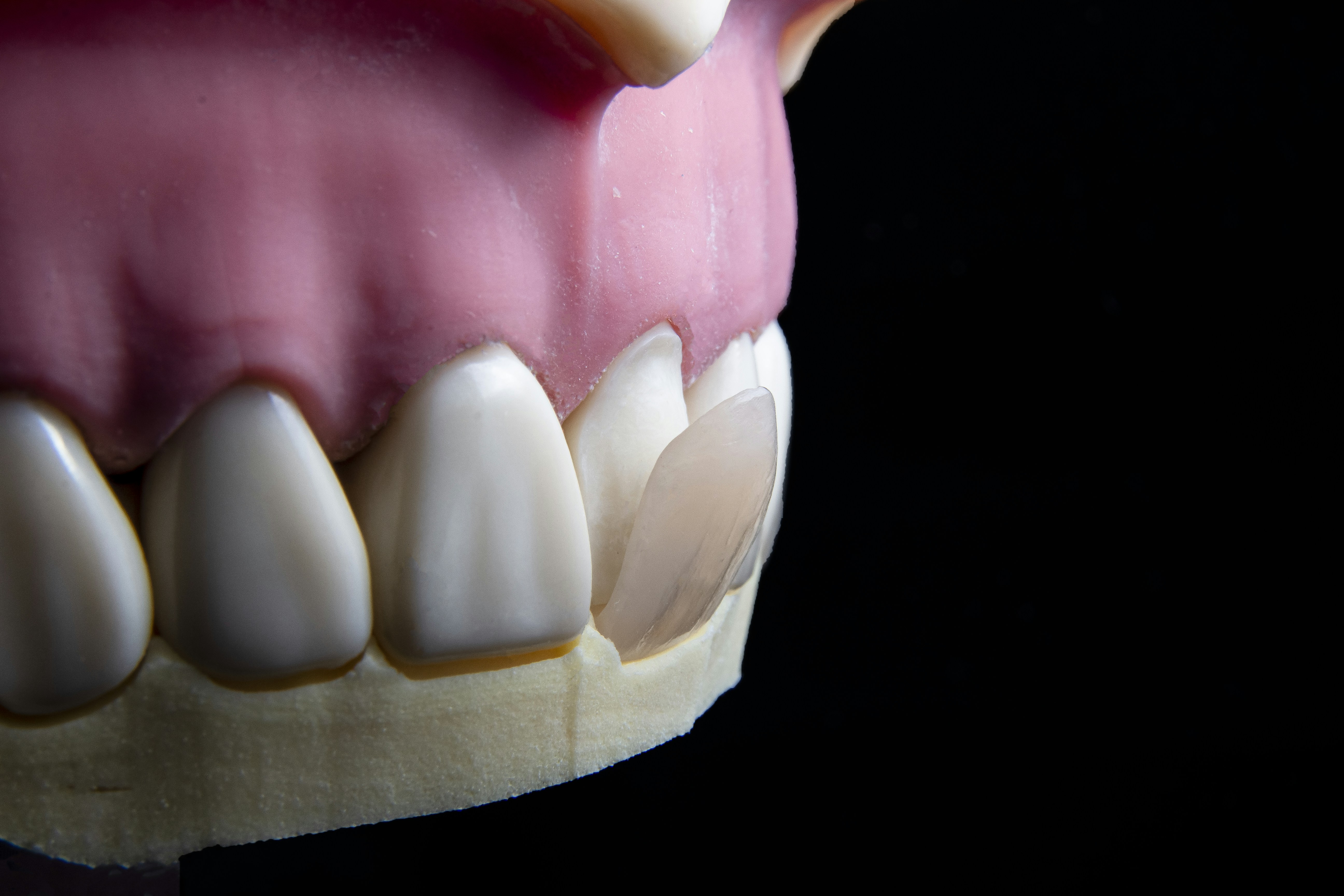
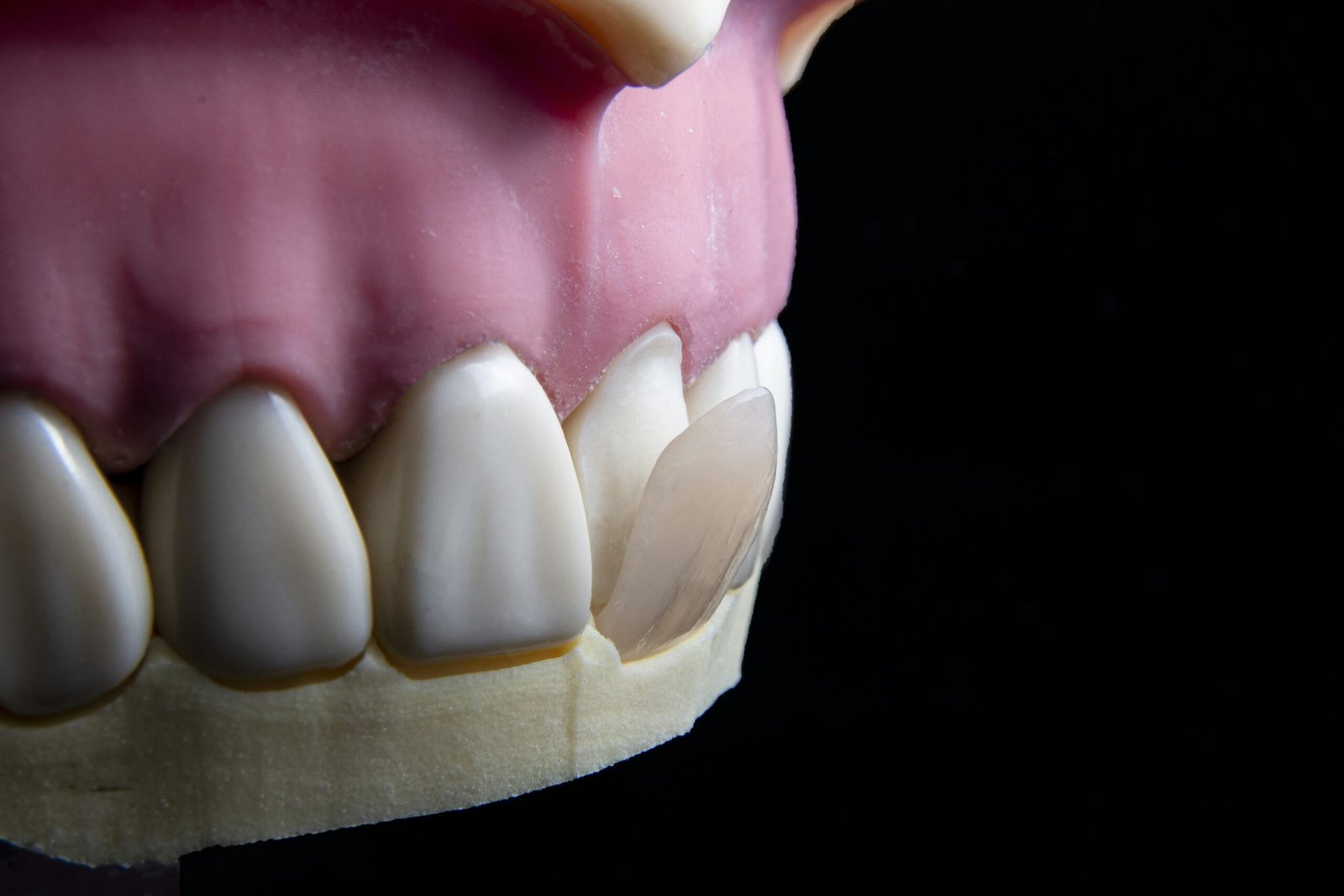
Introduction to Zirconia Bridges
Zirconia bridges represent a significant advancement in restorative dentistry, combining aesthetics, durability, and biocompatibility. Made from zirconium dioxide, a ceramic material known for its toughness, these dental bridges are designed to provide a reliable solution for tooth replacement, especially in patients who require a fixed restoration. Unlike traditional dental bridges, which typically utilize metal frameworks and porcelain, zirconia bridges are fully ceramic, allowing them to closely mimic the appearance of natural teeth.
The composition of zirconia enhances its appeal; its strength makes it an ideal candidate for dental applications, as it can withstand considerable biting forces without fracturing. Additionally, zirconia is highly resistant to wear and does not corrode, which offers long-term benefits for patients. The opacity of zirconia also closely aligns with the natural translucence of teeth, resulting in improved aesthetic outcomes compared to metal-ceramic bridges.
The rising popularity of zirconia bridges can be attributed to these various advantages, as well as an increased consumer awareness regarding oral health and aesthetics. Dentists are increasingly recommending zirconia bridges for both anterior and posterior restorations, as they provide an excellent combination of functional and cosmetic qualities. This shift towards non-metal materials aligns with broader trends in dentistry that prioritize patient comfort, cosmetic appeal, and functional longevity.
The purpose of this study is to investigate the long-term success rates of zirconia bridges over a decade, examining factors that may influence their performance. By analyzing clinical outcomes and patient satisfaction, we aim to provide a comprehensive overview that may guide practitioners and patients in making informed decisions concerning dental restoration options.
Objective of the 10-Year Study
The primary aim of the 10-year study on zirconia bridges is to evaluate their long-term success rates and reliability under various clinical conditions. With zirconia being increasingly employed in dental restorative practices, understanding its performance over a significant timeframe is essential for both practitioners and patients. This study seeks to provide comprehensive data on various factors that influence the durability and functionality of zirconia bridges, which are critical components in modern dentistry.
One of the major objectives is to assess the longevity of zirconia bridges in terms of both structural integrity and aesthetic appeal. The study measures the incidence of complications, such as fractures, chipping, and failure at the bonding sites, offering a clear picture of how zirconia interfaces with natural teeth and withstands everyday stresses. Additionally, factors such as the clinical techniques used for placement, the type of zirconia, and the patient demographics are analyzed to determine their impact on the overall success of the bridges.
Moreover, patient-reported outcomes are a significant facet of this investigation. Understanding patient satisfaction related to comfort, aesthetics, and functional effectiveness of zirconia bridges contributes valuable insights into their acceptance and perceived quality. By tracking these elements over ten years, the study aims to build a solid evidence base regarding the efficacy of zirconia as a material for dental bridges.
Ultimately, the objectives of this long-term study highlight the importance of gathering extensive longitudinal data on zirconia bridges, which can guide dental professionals in making informed decisions regarding restorative options. This knowledge will also empower patients with clearer expectations regarding the lifespan and maintenance of their dental restorations.
Methodology of the Study
This 10-year study on the long-term success rates of zirconia bridges utilized a comprehensive research design to ensure that the findings would be both reliable and significant. The study was structured around a sample size of 200 participants, all of whom were selected based on specific inclusion criteria that ensured a diverse demographic. The participants ranged in age from 30 to 75 years and included both males and females, allowing for a broadly representative sample reflective of the general population.
Participant demographics were meticulously recorded and analyzed, providing insights into the different variables that could impact the success rates of zirconia bridges, such as age, gender, health status, and previous dental history. The participants provided informed consent before being enrolled in the study, ensuring ethical compliance throughout the research process.
Clinical assessments were performed at multiple intervals throughout the study, allowing for longitudinal tracking of the zirconia bridges. These assessments included visual examinations, radiographic evaluations, and patient-reported outcomes regarding comfort and function. Additionally, participants were surveyed biannually using structured questionnaires to gather comprehensive data concerning their overall satisfaction and any complications encountered during the period.
Statistical analysis was conducted using advanced software to evaluate the collected data, ensuring that all factors affecting the success rates of the zirconia bridges were accounted for. Kaplan-Meier survival analysis was employed to measure the longevity of the dental prostheses and identify potential correlations with participant demographics. The rigorous methodology employed in this study not only enhances the credibility of the findings but also contributes valuable insights to the field of prosthetic dentistry.
Clinical Success Rates of Zirconia Bridges
The long-term success rates of zirconia bridges have been a focal point for dental professionals, particularly because of their aesthetic appeal and durability. According to a comprehensive 10-year study, the clinical success rates of zirconia bridges were found to be notably high. Over the course of this decade-long research, zirconia bridges demonstrated a remarkable success rate of approximately 95%. This statistic indicates that the majority of these dental prosthetics remained functional and aesthetically pleasing over the study period.
Conversely, the failure rate of zirconia bridges recorded in this study was around 5%. This figure reflects the challenges that can occasionally arise, such as issues related to their structural integrity or complications from underlying dental conditions. Identifying the factors that contribute to these failures is crucial for advancing clinical practice and patient care. The study highlighted that factors including improper placement, occlusal discrepancies, and even patient habits (like bruxism) could negatively impact the longevity of zirconia bridges.
Another significant aspect of the research revealed that patient-specific variables, ranging from oral hygiene practices to individual anatomical considerations, also played a role in the success rates of zirconia bridges. Notably, patients who maintained excellent oral hygiene exhibited a higher success rate, emphasizing the importance of patient education and proactive dental care post-procedure. Additionally, the selection of appropriate cementation techniques proved essential in ensuring the stability of zirconia restorations.
In conclusion, the long-term study confirms that zirconia bridges present a substantial clinical success rate, supported by careful considerations of placement techniques and patient factors. The findings encourage continued use and further exploration into optimizing treatment protocols to enhance the longevity of these dental restorations.
Factors Affecting Success Rates
The long-term success rates of zirconia bridges are influenced by a variety of factors that warrant careful consideration. Key patient-specific variables, technical aspects of bridge construction, and the skills and experience of dental practitioners all play significant roles in determining the durability and effectiveness of these dental restorations.
One of the most critical patient-specific variables is oral hygiene. Patients who maintain excellent oral hygiene practices are significantly more likely to experience favorable outcomes with zirconia bridges. This includes regular brushing, flossing, and attending professional cleanings, which contribute to the overall health of surrounding gums and remaining teeth. Poor oral hygiene can lead to peri-implant diseases, negatively affecting the longevity of the zirconia restoration.
Technical aspects of bridge construction also wield considerable influence over success rates. The quality of materials used, design intricacies, and the precision of the fitting are all crucial. For instance, the occlusion must be meticulously assessed to prevent excessive wear or fracture. Additionally, the cementation technique should ensure a strong bond between the bridge and the supporting teeth. Any deficiencies in these technical details can lead to complications such as bridge loosening or failure.
The competency of dental practitioners plays a pivotal role as well. Experienced dentists who are adept in the latest techniques and technology tend to achieve higher success rates with zirconia bridges. Their expertise in case selection, treatment planning, and execution of the procedure can significantly influence patient outcomes. Continuous education and training in dental materials and practices are essential for maintaining high standards of care.
Comparative Analysis with Other Dental Bridges
The introduction of zirconia bridges in restorative dentistry has spurred interest in their comparative effectiveness in contrast to more traditional options such as metal-ceramic bridges. The recent 10-year study sheds light on both the advantages and limitations of zirconia bridges, facilitating informed decisions for dental practitioners and patients alike.
Zirconia bridges utilize a biocompatible material that enhances aesthetic appeal and durability. Unlike metal-ceramic bridges, which feature a metal substructure covered by porcelain, zirconia bridges are entirely ceramic, providing a natural tooth-like appearance. Their translucency and color matching capabilities often make them the preferred choice for anterior restorations where aesthetics are paramount.
One notable advantage of zirconia bridges is their resistance to wear and fracture. The study indicates that zirconia exhibits superior strength compared to traditional materials, reducing the likelihood of chipping or loss of integrity over time. This durability translates into lower failure rates, particularly in the posterior regions of the mouth, where occlusal forces are greater. Furthermore, zirconia bridges contribute to better gum health due to their smooth surface, which minimizes plaque accumulation.
However, the study also reveals some shortcomings of zirconia bridges. One significant disadvantage is their relatively high cost compared to metal-ceramic options, potentially limiting accessibility for some patients. Additionally, while the aesthetic qualities of zirconia are impressive, achieving a close match with specific shades can sometimes pose a challenge during the fabrication process.
In summary, while zirconia bridges offer compelling benefits in terms of aesthetics, strength, and biocompatibility, the considerations regarding cost and color matching necessitate a balanced approach when determining the most suitable type of dental bridge for long-term success in varying clinical scenarios.
Patient Satisfaction and Quality of Life
In evaluating the long-term success of zirconia bridges, it is essential to consider patient satisfaction and the resulting quality of life improvements post-treatment. Participants in the 10-year study reported significant levels of satisfaction following the placement of zirconia dental bridges. A core aspect of this satisfaction stems from the perceived aesthetic appeal of the zirconia materials, which closely mimic natural tooth appearance. Many patients noted that the color, translucency, and overall aesthetic of zirconia bridges contributed to a boost in their self-confidence and willingness to smile in social situations.
Comfort is another pivotal factor influencing patient satisfaction. Numerous individuals highlighted that zirconia bridges offered a more comfortable fit compared to traditional alternatives. With a well-fitted bridge, many patients experienced a reduction in discomfort and adjusted to the new dental work more easily. This improvement has played a significant role in their overall satisfaction, as comfort directly affects daily activities such as eating and speaking.
Furthermore, the study provided insights into how these zirconia bridges have positively impacted patients’ quality of life. Respondents reported that the durability and strength of zirconia bridges allowed them to resume normal eating habits without fear of damaging their dental restorations. This functionality contributed to an enhanced lifestyle, enabling individuals to partake in social dining experiences that might have been previously challenging.
In summary, patient-reported outcomes related to zirconia bridges reflect high satisfaction levels driven by aesthetic quality, comfort, and a notable enhancement in quality of life. The findings from this 10-year study indicate that many individuals view zirconia bridges not just as a dental solution, but as a transformative improvement in their overall dental health and personal well-being.
Future Directions in Dental Bridge Research
In light of the findings from the 10-year study on the long-term success rates of zirconia bridges, several avenues for future research emerge as significant. The continual advancement of dental materials presents an opportunity for improvement in the technology surrounding zirconia bridges. Research could focus on the development of enhanced zirconia formulations that promote greater aesthetics, durability, and biocompatibility. Innovations such as incorporating bioactive glass or other composites might lead to improved longevity and functional outcomes.
Moreover, ongoing monitoring of zirconia bridge success rates should be prioritized. This could involve long-term clinical trials that assess how varying factors—such as patient demographics, oral hygiene practices, and dietary habits—impact the integrity and performance of zirconia bridges over extended periods. Emphasizing a multidisciplinary approach could yield a more comprehensive understanding of how these variables affect treatment outcomes. Such studies would benefit significantly from collaborative efforts between dental scientists, clinicians, and material engineers.
Furthermore, additional information concerning the long-term effects of zirconia bridges on adjacent teeth and overall oral health is needed. Future research should explore how these restorations influence periodontal health and the potential risk of complications, ensuring more informed decision-making in clinical settings. Advanced imaging techniques and patient-reported outcomes could also be key in capturing data regarding post-treatment satisfaction and the quality of life associated with zirconia use.
Thus, the path forward in dental bridge research is multi-faceted, requiring ongoing innovation, comprehensive monitoring, and a focus on patient-centered outcomes. By addressing these key areas, the field can ensure that zirconia bridges remain a viable and successful option for patients in need of restorative dental solutions.
Conclusion
The study on the long-term success rates of zirconia bridges provides significant insights that are essential for both dental professionals and patients. As the findings indicate, zirconia bridges demonstrate a high level of durability and aesthetic appeal, making them a preferred choice in restorative dentistry. The study presents robust evidence that reinforces the performance of zirconia over a span of ten years, thereby highlighting its reliability as a dental prosthetic solution.
Understanding these long-term outcomes is crucial not only for clinicians to make informed decisions regarding treatment options but also for patients to have realistic expectations about their dental restorations. The high success rate of zirconia bridges suggests that patients can benefit from a treatment approach that offers both durability and a natural appearance, thus enhancing overall satisfaction with their dental care.
Moreover, this study underscores the importance of ongoing research and the need for continuous improvement in dental materials and techniques. As advancements in technology and materials science emerge, it is vital for the dental community to stay abreast of these developments to further enhance patient outcomes. Encouraging ongoing research will also help to address any limitations observed in current studies and foster the evolution of best practices in the field.
In light of these findings, patients are encouraged to consult with their dental providers about zirconia bridges as a viable treatment option for their restorative needs. Increased awareness and education regarding the benefits of zirconia will enable informed decision-making, fostering better overall health and satisfaction in oral rehabilitation.