Understanding Tooth Sensitivity
Tooth sensitivity, known clinically as dentin hypersensitivity, refers to the discomfort or pain experienced in response to certain stimuli, such as hot, cold, sweet, or acidic substances. This condition occurs due to the exposure of dentin, the layer of tooth beneath the enamel, which is less protected. When the enamel wears away or the gums recede, the underlying dentin becomes more vulnerable to irritants, leading to increased sensitivity.
Common causes of tooth sensitivity include the erosion of enamel due to aggressive brushing, grinding of teeth (bruxism), the consumption of acidic foods and beverages, and gum disease. In patients who have undergone dental procedures, such as the placement of a zirconia bridge, post-operative sensitivity can also occur. This sensitivity is generally temporary and often subsides as the tissues heal and adjust.
Symptoms of tooth sensitivity can vary widely among individuals. Many experience sharp, fleeting pains that occur in response to stimuli, while others may notice a dull ache that lingers. It is essential to differentiate between normal post-procedure sensitivity and discomfort that could indicate an issue. While mild sensitivity following the placement of a zirconia bridge is common and expected as part of the healing process, prolonged or severe sensitivity may suggest complications such as an improperly fitted bridge or underlying dental issues.
Understanding the subtleties of tooth sensitivity can enable individuals to better communicate any concerns with their dental healthcare provider. It is crucial to address any unusual or persistent pain, as timely intervention can help prevent further complications and ensure a successful recovery post-procedure.
What is a Zirconia Bridge?
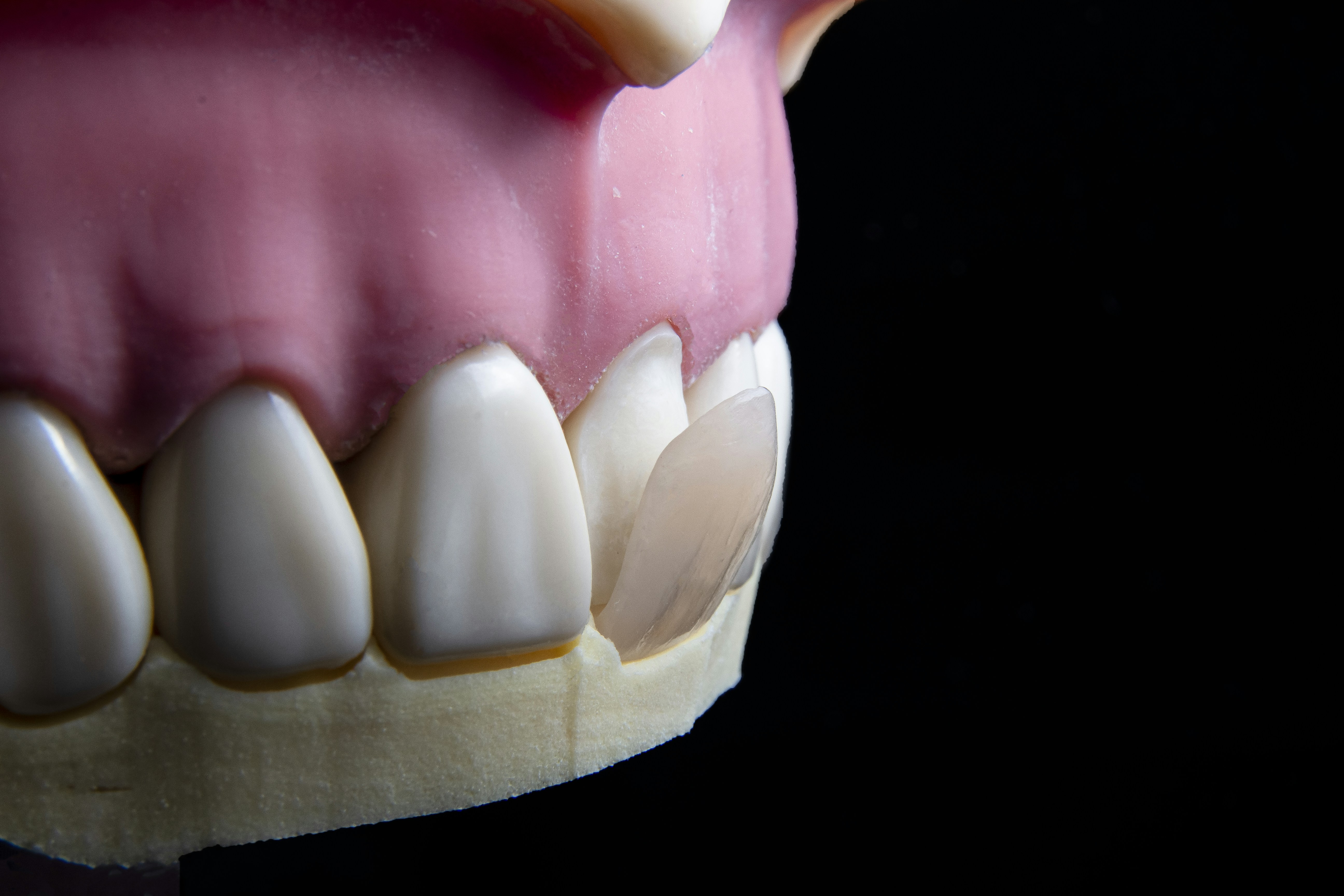
A zirconia bridge is a type of dental prosthesis crafted from zirconia, a robust and biocompatible material. This dental restoration is particularly noted for its durability and aesthetic properties, making it a preferred choice in restorative dentistry. Unlike traditional materials, zirconia bridges offer a natural appearance that closely resembles tooth enamel, providing patients with a visually pleasing result.
One of the primary benefits of zirconia is its strength. Zirconia bridges can withstand significant biting forces, making them suitable for patients who require durable dental restorations. Additionally, this material does not corrode, which enhances its longevity compared to metal-based bridges. With the evolution of dental technology, zirconia bridges have become increasingly popular due to their ability to match the color of existing teeth, thus ensuring that they blend seamlessly in a patient’s smile.
In contrast to other types of dental bridges, such as porcelain-fused-to-metal (PFM) alternatives, zirconia bridges eliminate concerns about the metallic hue that may become visible at the gum line over time. They are also less likely to cause allergic reactions since zirconia is metal-free. This material’s properties make it an excellent option for patients with sensitivities or allergies to metals.
The role of zirconia bridges in dental restoration goes beyond aesthetics and strength. They contribute to maintaining the structural integrity of the mouth by preventing tooth migration and preserving bone health. Overall, zirconia bridges represent an advanced option in restorative dentistry, addressing both functional and aesthetic needs effectively.
Why Zirconia Bridges Might Cause Sensitivity
Patients may experience tooth sensitivity after the placement of a zirconia bridge due to several interconnected factors. One of the primary causes is gum irritation. During the preparation of the teeth for the bridge, the surrounding gum tissue can become inflamed or irritated, leading to heightened sensitivity. If the gum tissue does not heal correctly, this discomfort may persist for weeks or even months following the procedure. Proper postoperative care and regular follow-up with the dentist are crucial in managing such sensitivity effectively.
Another significant factor contributing to sensitivity is an improper fit of the zirconia bridge. If the bridge does not fit accurately against the natural teeth or underlying gum tissue, it may create pressure points that lead to discomfort. An ill-fitting bridge may also create gaps that can harbor food particles, bacteria, and plaque, which can further exacerbate tooth sensitivity.
Nerve exposure is another reason sensitivity may occur. During the preparation process, the dentist may unintentionally expose the nerves of a tooth, particularly if the tooth was significantly decayed or damaged before the placement of the bridge. Exposure of the dentin, which is the inner layer of a tooth that contains nerves, can lead to a sharp, acute sensitivity especially when consuming hot or cold foods.
In conclusion, understanding these factors is essential for both patients and dental professionals. By acknowledging that gum irritation, improper fit, and nerve exposure could contribute to sensitivity, better anticipatory measures can be taken, and effective solutions can be implemented to manage and alleviate this discomfort.
Duration of Sensitivity Following Zirconia Bridge Placement
After the placement of a zirconia bridge, it is common for patients to experience some level of tooth sensitivity. Typically, this sensitivity can last anywhere from a few days to a few weeks. The duration largely depends on a variety of factors including the individual’s pain threshold, the complexity of the dental procedure, and overall oral health.
Initially, during the first few days post-procedure, patients might notice heightened sensitivity, particularly when consuming hot or cold beverages and foods. This is often due to the adjustments made during the placement of the bridge and the natural healing process of the surrounding gums and teeth. The sensitivity is frequently temporary and tends to decrease as the tissues heal and adjust to the new dental fixture.
Several factors play a significant role in the recovery period. For instance, pre-existing dental issues, such as gum disease or tooth decay, may prolong sensitivity. Additionally, personal habits like grinding or clenching teeth can also contribute to extended discomfort. The material properties of zirconia, known for their strength and aesthetic appeal, present minimal risk for allergic reactions, yet some patients may still experience temporary discomfort as their body adapts.
It is advisable for patients to maintain open communication with their dental professional during this time. Regular follow-up appointments can help monitor the healing process and address any concerns related to sensitivity. If discomfort persists beyond a few weeks, it may signal the need for a further evaluation to ensure that the zirconia bridge has been placed correctly and that no underlying issues remain unresolved.
Tips for Managing Sensitivity at Home
Experiencing tooth sensitivity after the placement of a zirconia bridge is not uncommon. Fortunately, there are several strategies that individuals can employ at home to alleviate discomfort and make the adjustment period more manageable. Here are some practical tips for managing sensitivity effectively.
First and foremost, over-the-counter pain relief medications can provide immediate relief for tooth sensitivity. Nonsteroidal anti-inflammatory drugs (NSAIDs) such as ibuprofen or naproxen can help reduce inflammation and alleviate pain. It is important, however, to consult with a healthcare professional before starting any new medication to ensure it is appropriate for your situation.
Dietary changes can also play a significant role in reducing sensitivity. Avoiding extremely hot, cold, or acidic foods can prevent exacerbation of symptoms. Instead, opt for softer foods that are less likely to irritate sensitive teeth. If consuming acidic beverages, consider using a straw to minimize contact with sensitive areas of your mouth.
Moreover, implementing specific oral care practices can further reduce sensitivity. Using a desensitizing toothpaste designed specifically for sensitive teeth can help diminish discomfort over time. Such products often contain compounds that block nerve signals or contain fluoride, which strengthens tooth enamel. Furthermore, utilizing a soft-bristled toothbrush and gentle brushing techniques can prevent additional irritation to sensitive gums and teeth.
Finally, establishing a consistent oral hygiene routine is essential. Regular brushing and flossing will not only help maintain overall dental health but can also promote healing around the zirconia bridge. If sensitivity persists despite these efforts, it is advisable to consult with a dental professional for further evaluation and guidance.
Tooth sensitivity is a common concern following the placement of dental work, including zirconia bridges. While some mild discomfort can be expected as part of the adjustment process, there are specific symptoms that warrant immediate attention from your dentist. Recognizing these signs is crucial for maintaining your oral health and ensuring the longevity of your dental restoration.
One of the primary indicators that you should consult your dentist is persistent pain that does not subside. If you experience discomfort when consuming hot, cold, or sweet foods, this may suggest an underlying issue that needs to be addressed. It is essential to differentiate between temporary sensitivity and pain that indicates potential complications, such as decay, gum disease, or problems with the bridge itself.
Another symptom to monitor is swelling or tenderness in the gums surrounding the zirconia bridge. This could be a sign of infection or improper fit, both of which require professional evaluation. Additionally, if you notice any changes in the bite or if the bridge feels loose, it is imperative to seek advice from your dentist promptly. These changes may affect your overall dental alignment and can lead to further complications if not corrected.
Other symptoms include increased sensitivity to pressure or pain that radiates to adjacent teeth. These signals should not be overlooked, as they could indicate a more complex situation that needs immediate intervention. By seeking consultation when these signs arise, you can ensure that your zirconia bridge functions optimally and that your dental health is preserved. Proactive communication with your dentist plays a vital role in managing potential issues effectively.
Long-Term Care for Your Zirconia Bridge
Maintaining a zirconia bridge requires consistent and careful attention to oral hygiene and overall dental health. Following best practices in oral care is paramount for the longevity of your zirconia restoration. First and foremost, it is essential to establish a robust oral hygiene routine that includes brushing at least twice a day with a soft-bristled toothbrush and fluoride toothpaste. This routine should encompass the bridge area to ensure that plaque does not accumulate, as plaque build-up can lead to gum disease and compromise the bridge’s integrity.
Flossing daily is equally important. Flossing helps to remove food particles and plaque from between the bridge and adjacent teeth, preventing potential decay and ensuring that the gums remain healthy. For individuals who find traditional floss challenging, interdental brushes or flossers can be an excellent alternative. Regular use of an antimicrobial mouthwash can also contribute to a cleaner oral environment, further reducing the risk of sensitivity or infection.
Besides oral hygiene, scheduling regular dental check-ups is crucial. Visiting your dentist at least twice a year allows for professional cleaning and monitoring of your zirconia bridge’s condition. These appointments enable your dental professional to identify any early signs of wear, irritation, or gum disease, which can be critical in prolonging the life of the bridge.
Lifestyle choices can significantly impact the durability of your zirconia bridge. It is advisable to avoid habits such as grinding your teeth or chewing on hard objects, as these behaviors can put excessive stress on the bridge and potentially lead to damage. Additionally, maintaining a balanced diet and limiting the intake of sugary foods can support overall oral health.
By adhering to these practices, individuals can effectively prolong the life of their zirconia bridges, ensuring they remain functional and aesthetically pleasing for many years.
Alternative Treatments for Tooth Sensitivity
Tooth sensitivity is a common issue that may arise following various dental treatments, including the placement of a zirconia bridge. Patients dealing with this condition have several alternative treatments to consider that can help alleviate discomfort. One professional approach involves applying fluoride varnishes or gels during dental visits. These treatments work by strengthening the tooth enamel and reducing sensitivity over time, creating a more comfortable environment following dental procedures.
Another effective professional treatment is the use of dentin sealers, which provide a barrier over exposed tubules in the teeth, thereby decreasing sensitivity. Dentists may choose to apply these sealers to areas around the zirconia bridge where sensitivity is most apparent. For those who experience persistent discomfort, dentists may also prescribe specialized toothpaste containing potassium nitrate or stannous fluoride. These ingredients are known to help reduce sensitivity by blocking pain signals from the nerves in the teeth.
In addition to professional treatments, patients can explore a range of over-the-counter products specifically designed for sensitive teeth. These products typically contain active ingredients that offer temporary relief and can be easily integrated into daily oral hygiene routines. Many leading toothpaste brands now offer formulations aimed at minimizing sensitivity, which can be an effective initial approach for mild cases.
Lastly, incorporating softer toothbrushes and gentle brushing techniques can significantly improve tooth sensitivity. While this may seem simple, it is a crucial aspect of maintaining oral health in sensitive areas. Overall, whether through professional procedures or consumer dental care products, various treatments are available for individuals managing sensitivities after a zirconia bridge placement.
Conclusion: Embracing a Pain-Free Smile
Managing tooth sensitivity following the placement of a zirconia bridge is crucial for ensuring a positive and comfortable dental experience. Sensitivity can arise due to various factors, including the nature of the materials used in dental restorations and individual patients’ reactions to such changes. It is essential to recognize that while some sensitivity may be a normal part of the adjustment process, persistent discomfort should not be overlooked.
In addressing tooth sensitivity, dental professionals often recommend specific strategies that can significantly alleviate discomfort. These may include using desensitizing toothpaste, avoiding excessively hot or cold foods, and maintaining excellent oral hygiene routines. Regular visits to the dentist are also paramount, as they can help monitor any ongoing sensitivity issues and provide tailored guidance for comfortable living with a zirconia bridge.
Moreover, understanding the sources of sensitivity is vital. Patients should engage in open discussions with their dental care providers about any concerns they experience during the healing period. By taking proactive steps, individuals can foster a successful integration with their zirconia bridge, enabling them to enjoy both aesthetic and functional benefits without the burden of pain.
In conclusion, embracing a pain-free smile after the placement of a zirconia bridge is achievable through informed dental care and communication with professionals. By prioritizing oral health and addressing sensitivity proactively, patients can transition to a life with restored confidence and comfort in their dental solutions.