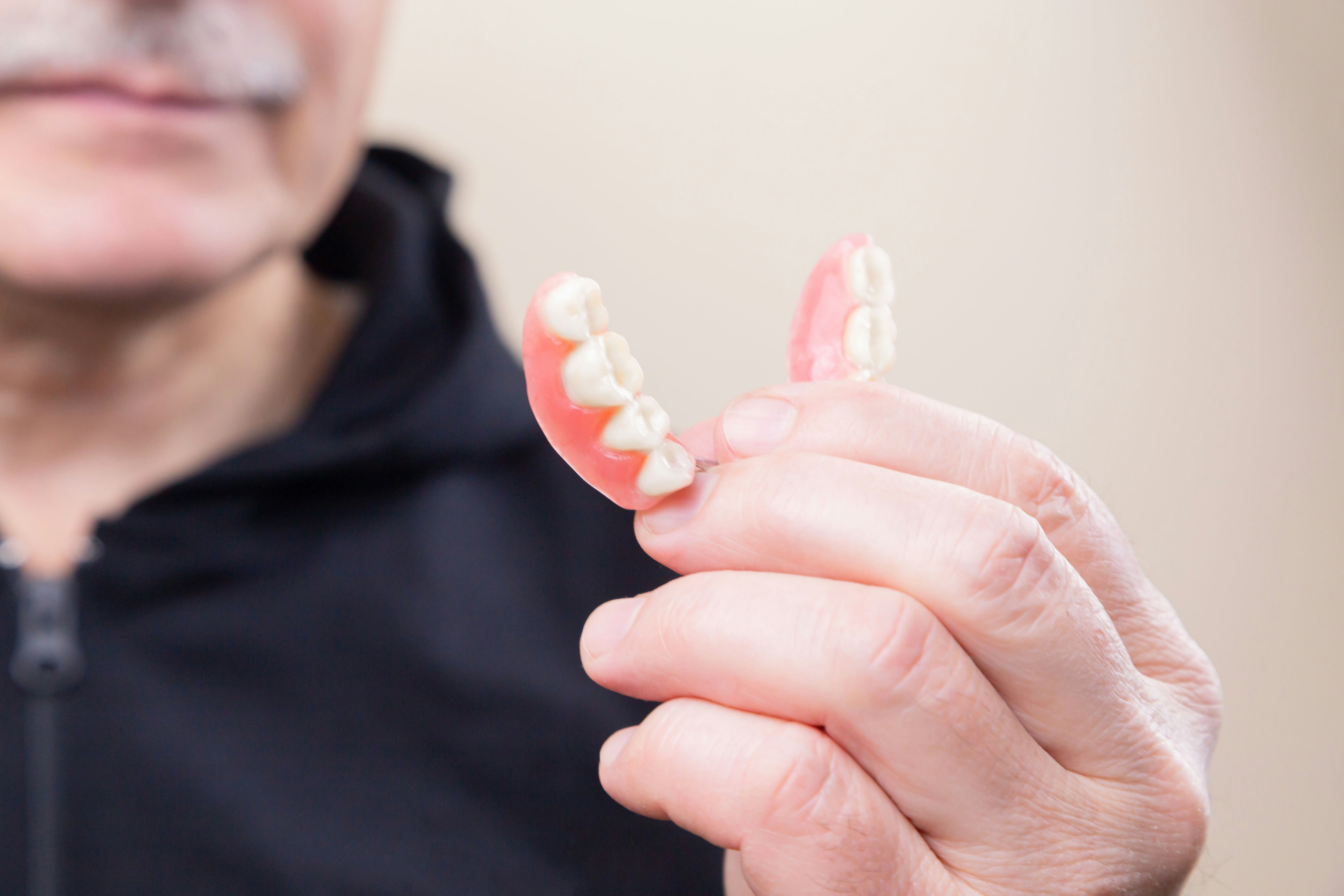
Understanding Zirconia Bridge
Zirconia bridges represent an advanced option in restorative dentistry, known for their durability and aesthetic appeal. Made from zirconium oxide, a ceramic material, these bridges serve as a reliable solution for patients with missing teeth. The composition of zirconia not only contributes to its impressive strength, making it highly resistant to chipping and fracturing but also enhances its biocompatibility, ensuring a lower risk of adverse reactions in the oral environment.
One of the primary benefits of zirconia bridges is their natural appearance. Unlike traditional metal-based bridges, zirconia can be manufactured to closely resemble the translucency and color of natural teeth. This quality makes them particularly appealing for patients who prioritize aesthetics in their dental restorations. The ability to customize the shade of zirconia bridges further ensures that they can blend seamlessly with existing teeth, thereby enhancing patient confidence and satisfaction.
In addition to aesthetics, zirconia bridges are valued for their strength. Given that they are fabricated from a highly durable ceramic, these bridges can withstand significant biting forces, making them ideal for both anterior and posterior applications. This robustness reduces the likelihood of wear and minimizes the possibility of chipping, a common concern with other materials.
The biocompatibility of zirconia also plays a crucial role in its popularity. Being metal-free, zirconia bridges eliminate concerns of corrosion or galvanic reactions with other dental materials. This characteristic ensures greater comfort for patients, reducing the chances of sensitivity and allergic reactions. Overall, zirconia bridges embody the ideal convergence of strength, aesthetics, and biocompatibility, making them a preferred choice in modern restorative dentistry.
Causes of Zirconia Bridge Chipping
Zirconia bridges are renowned for their strength and aesthetic appeal. However, several factors can lead to chipping, compromising their integrity and functionality. Understanding these causes is essential for both patients and dentists to ensure the longevity of these dental restorations.
One of the primary contributors to zirconia bridge chipping is material defects. Manufacturing inconsistencies, such as micro-cracks or voids within the zirconia, can weaken the structure before it even reaches the dental practice. If the material does not meet the required standards or if it is exposed to harsh conditions during production, it may fail when subjected to normal functional loads. Patients should inquire about the quality assurance processes utilized by their dental providers to mitigate the risk of such defects.
Another significant factor is improper placement of the zirconia bridge. If the bridge is not aligned correctly with the surrounding teeth, it could lead to uneven distribution of forces. This misalignment may exacerbate stress on specific areas of the bridge, resulting in chipping over time. Dentists must ensure a precise fit during the placement process and consider utilizing advanced imaging techniques to achieve optimal results.
Excessive bite forces can also precipitate chipping in zirconia bridges. Patients with bruxism, or teeth grinding habits, exert considerable force during normal functions such as chewing, which can result in wear and chipping. Additionally, those with a misaligned bite may inadvertently place excessive pressure on certain teeth, further increasing the likelihood of damage. Regular dental check-ups can help identify and address these issues early on, allowing for interventions such as night guards or adjustments.
Over time, wear and tear can accumulate, further contributing to the risk of chipping. Like any other dental material, zirconia is not entirely immune to the natural processes of wear. Regular maintenance and scheduled follow-ups will help mitigate these risks, ensuring that any potential problems can be identified and resolved promptly.
Signs of Chipping in Zirconia Bridges
Zirconia bridges are known for their strength and aesthetic appearance, but like any dental restoration, they can experience issues over time, including chipping. Recognizing the signs of a chipped zirconia bridge is crucial for timely intervention. Here are the common indicators that patients should monitor.
One of the most noticeable signs of chipping is the appearance of uneven edges or rough surfaces on the bridge. This aesthetic defect may often be more pronounced in areas where the bridge has not been properly aligned or supported. If you observe any visible cracks or chips along the edges, it’s essential to consult your dentist promptly.
Another key sign is changes in sensation while chewing or biting. If you feel unusual discomfort or sensitivity in the areas surrounding the zirconia bridge, this could indicate that the structure has sustained damage. A chipped bridge may shift slightly during use, affecting your bite alignment and leading to discomfort.
Furthermore, patients may notice an increase in food entrapment around the bridge. If food particles frequently get stuck in the vicinity of the zirconia restoration, this may be a sign that the seal has been compromised due to chipping. Such entrapment can lead to other dental complications, including decay or gum issues.
Sound can also act as a warning cue; if you hear unusual sounds, such as clicking or popping, when biting down on the bridge, it may indicate structural problems. Keeping track of these sensations and visual signs is vital, as they can help assess the bridge’s condition.
In sum, being proactive about recognizing these signs not only aids in maintaining the integrity of the zirconia bridge but also contributes to overall oral health. If any of these symptoms are noted, it is advisable to consult with your dental professional to determine the appropriate course of action.
Professional Assessment Methods for Chipping Issues
In the realm of dentistry, the diagnosis of chipping issues in zirconia bridges necessitates a thorough approach undertaken by professional practitioners. Dentists utilize a variety of examination methods to identify and evaluate the extent of chipping, ensuring that patients receive appropriate care and solutions for their oral health concerns.
One of the primary assessment techniques is visual inspection. During this process, the dentist carefully examines the zirconia bridge for visible signs of wear or chipping. Utilizing magnifying glasses or loupes can enhance this inspection, allowing the practitioner to detect minor issues that may not be apparent to the naked eye. Visual assessments are often complemented by tactile evaluations, where the dentist checks the bridge’s surface for irregular texture or stability.
Another critical tool in professional assessments is dental X-rays. X-rays provide a non-invasive means to examine the internal structures around the zirconia bridge, revealing issues that might lead to or result from chipping. These images allow the dentist to assess the health of the surrounding teeth and gums, ensuring that any underlying problems, such as bone loss or decay, are identified and addressed.
Functional assessments are also integral to the evaluation process. Dentists may ask patients to perform certain movements, such as biting or grinding, to look for functional problems related to the bridge. This assessment helps in determining if maladjustments or external forces contribute to chipping. Additionally, advanced technologies such as digital impressions and cone-beam computed tomography (CBCT) can provide comprehensive visual data, enhancing diagnostic accuracy.
In conclusion, a combination of visual inspections, X-rays, and functional assessments, supported by modern technologies, enables dentists to thoroughly evaluate chipping issues in zirconia bridges. This multifaceted approach ensures that patients receive effective and tailored interventions to mitigate any potential complications associated with their dental restorations.
Preventive Measures for Zirconia Bridge Longevity
Maintaining the integrity of zirconia bridges is crucial for both aesthetic appeal and functional longevity. There are several preventive measures patients can adopt to minimize the risk of chipping and ensure the durability of these dental restorations. One of the foremost strategies involves implementing a rigorous oral hygiene regimen. Patients should brush their teeth at least twice daily with a soft-bristled toothbrush and fluoride toothpaste to effectively remove plaque while avoiding damage to the zirconia surface. Using a non-abrasive toothpaste is recommended, as abrasive materials can hasten wear on the bridge.
Additionally, incorporating dental floss and interdental brushes can promote access to hard-to-reach areas, helping to prevent decay at the gumline around the bridge. Patients should also consider using antibacterial mouth rinses to further reduce oral bacteria, thus supporting overall gum health, which is paramount for the longevity of dental restorations.
Dietary habits play a significant role in prolonging the lifespan of zirconia bridges as well. Patients are advised to avoid extremely hard foods, such as ice or hard candies, which can exert undue pressure on the bridge, increasing the likelihood of chipping. Furthermore, limiting the intake of acidic substances that may erode the surrounding tooth structure or weaken adhesive bonds is also wise.
Regular dental visits are an integral part of preventive care. Dentists can provide professional cleanings, examine the condition of the zirconia bridge, and address any issues promptly. Routine check-ups also allow for adjustments, if needed, improving the bridge’s function and fit. Through these combined efforts in oral hygiene, dietary modifications, and regular professional maintenance, patients can significantly enhance the longevity of their zirconia bridges, ultimately contributing to better oral health outcomes.
Methods to Repair Chipped Zirconia Bridges
Chipping of zirconia bridges can pose significant challenges for both patients and dentists. Understanding the various repair methods available is essential to ensure the longevity and functionality of these dental prosthetics. Among the most common approaches are polishing, utilizing bonding materials, and, when necessary, complete replacement of the bridge.
Polishing is often the first method considered when addressing minor chips. This technique involves using specialized instruments to smooth out the damaged area, restoring the surface finish and aesthetic appeal of the zirconia. Polishing has the advantage of being non-invasive and cost-effective, making it suitable for minor repairs. However, its effectiveness is limited to superficial chips, and deeper damage may necessitate more extensive interventions.
Another viable repair option is the application of bonding materials. This method involves the use of resin-based composites or other adhesives to fill in chips or cracks. Bonding can provide a durable solution and can effectively restore functionality. However, the success of this method depends on the extent of the damage, as more severe chipping might compromise the structural integrity of the bridge, potentially leading to future complications.
In cases where the damage is extensive, complete replacement of the zirconia bridge may be the most prudent option. While this is often a more time-consuming and costly solution, it ensures that the patient receives a fully restored and reliable dental prosthetic. The main disadvantage of replacement is the additional time required for planning and fabrication, as well as financial considerations for the patient.
In conclusion, the choice of repair method for chipped zirconia bridges largely depends on the extent of the damage and the individual needs of the patient. Consulting with a qualified dental professional is crucial to determine the most appropriate course of action.
Aftercare and Maintenance of Zirconia Bridges
Maintaining the integrity and appearance of zirconia bridges requires diligent aftercare and consistent oral hygiene practices. Upon their installation or following any necessary repairs, patients should be informed about the significance of maintaining cleanliness around the bridge to prevent potential complications such as chipping or decay in adjacent teeth.
A robust oral hygiene routine is vital. Patients should brush their teeth at least twice a day using a soft-bristled toothbrush and fluoride toothpaste. Furthermore, it is advisable to engage in daily flossing to ensure that food particles and plaque are removed from the areas surrounding the zirconia bridges, particularly where they meet the gums. Interdental cleaners, such as dental yarn or soft picks, can also be beneficial in maintaining these hard-to-reach areas.
In addition to proper brushing and flossing, the role of regular dental check-ups cannot be overstated. Patients should schedule appointments with their dentist at least twice a year. During these visits, the dentist can assess the condition of the zirconia bridge and its surrounding structure, providing early interventions if any signs of wear or damage are present.
Moreover, patients should be cautious about certain habits that could negatively impact the longevity of their zirconia bridges. Avoiding grinding teeth during sleep, commonly known as bruxism, is critical as this can lead to undue stress and result in chipping of the bridge. Additionally, refraining from biting on hard substances, such as ice or hard candy, can mitigate the risk of damage.
By adhering to a strict oral hygiene regimen, attending regular dental visits, and avoiding harmful practices, patients can significantly enhance the durability and function of their zirconia bridges, minimizing the possibility of chipping over time.
FAQs about Zirconia Bridges and Chipping Issues
Zirconia bridges have gained popularity in the field of dental prosthetics due to their strength and aesthetic appeal. However, patients frequently have questions about the durability and maintenance of these bridges, particularly concerning chipping issues.
1. What causes chipping in zirconia bridges? Chipping in zirconia bridges can result from several factors, including improper bite alignment, excessive force from grinding or clenching teeth, or substandard fabrication. Maintaining a proper occlusion is essential to minimize the risk of such chipping issues.
2. Are zirconia bridges prone to chipping? While zirconia is known for its hardness and durability, it is not entirely immune to chipping. Misaligned or overly thin areas in the bridge can create weaknesses that may lead to chipping. Regular dental check-ups can help in promptly identifying potential weaknesses.
3. How can I prevent chipping in my zirconia bridge? To prevent chipping, patients are advised to avoid hard foods, use a nightguard if they habitually grind their teeth, and ensure they have regular dental visits to monitor the integrity of the bridge. Proper oral hygiene routines can also contribute to the longevity of zirconia bridges.
4. What should I do if my zirconia bridge chips? If chipping occurs, it is important to consult with your dentist as soon as possible. Depending on the extent of the damage, repair may be possible, or a replacement may be recommended. Attempting to fix the chip at home is not advisable, as professional intervention ensures the best outcome.
5. Can the appearance of a zirconia bridge be restored after chipping? In many cases, a skilled dentist can restore the appearance of a chipped zirconia bridge through polishing or re-shaping the affected area. However, significant damage may require the fabrication of a new bridge.
This compilation of frequently asked questions aims to address common concerns regarding zirconia bridges and their chipping issues. Understanding these aspects can help both patients and practitioners maintain the optimum condition of dental restorations.
Final Thoughts and Recommendations
Patients considering or currently utilizing zirconia bridges should be assured of their durability and aesthetic appeal. Zirconia has become a popular choice in restorative dentistry due to its strength, biocompatibility, and natural appearance. However, like any dental restoration, life’s wear and tear can lead to potential issues, including chipping. Understanding that chipping is not uncommon can help demystify concerns surrounding the longevity of zirconia bridges.
It is crucial for patients to maintain regular consultations with their dentist to monitor the condition of their zirconia bridge. Professional assessments can identify minor issues before they develop into significant complications, ensuring that the dental structure remains intact and functional. If chipping occurs, patients should not hesitate to reach out to their dental care provider for advice and potential repair options. Early intervention can salvage the bridge and prevent further damage, preserving both appearance and functionality.
The role of the dentist is vital in this process; trained professionals can evaluate the extent of any damage and recommend appropriate corrective measures. Options may include repair or, in severe cases, replacement of the chipping component. Therefore, patients should feel encouraged to communicate openly with their dental professionals about any concerns they may have regarding the condition of their zirconia bridges. By prioritizing dental health and addressing issues promptly, patients can enjoy the full benefits of their dental restorations without unnecessary anxiety.