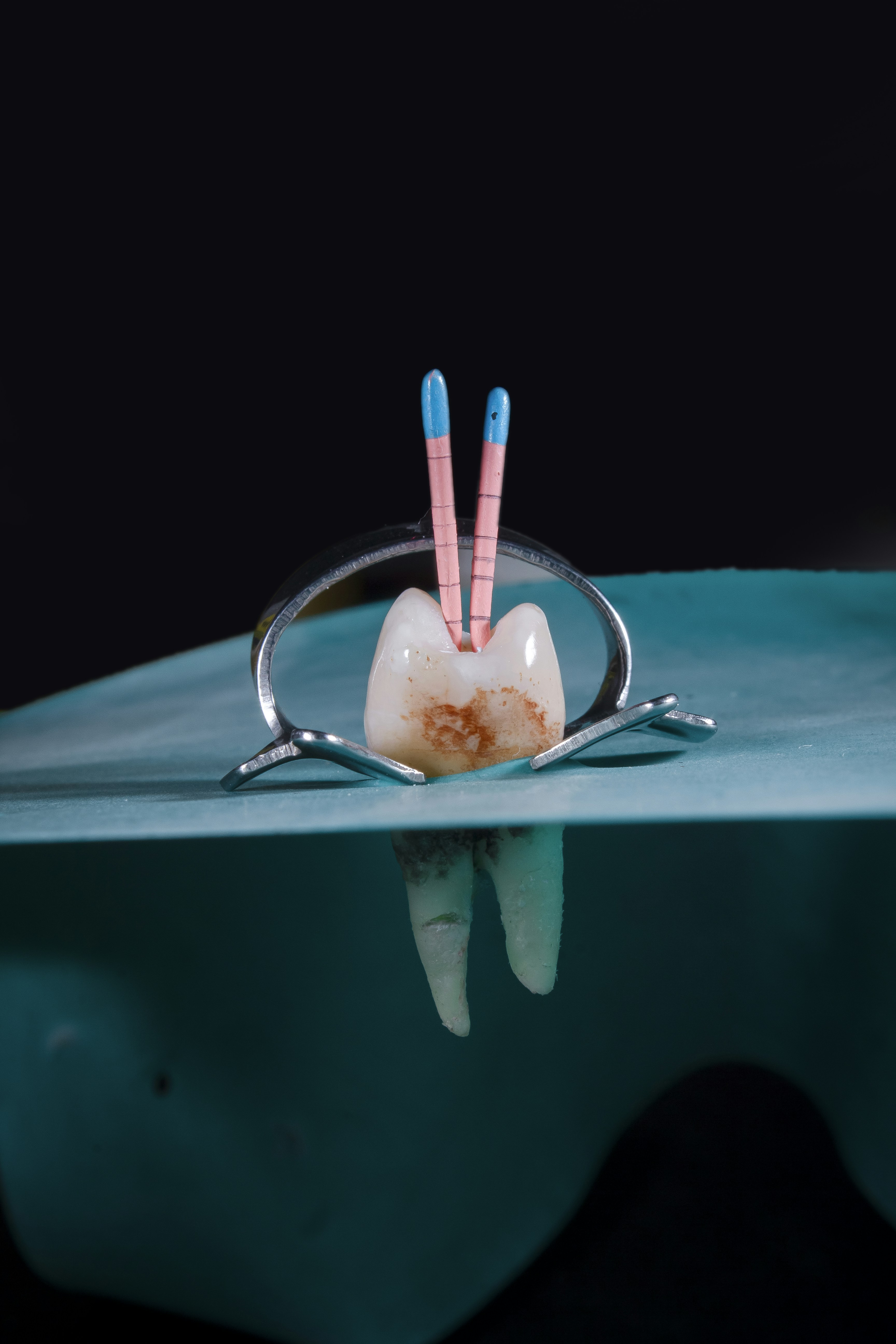
Introduction to Root Canal and Crown
Root canal and crown are essential components of contemporary dental treatment, serving distinct but complementary purposes. A root canal and canal is a dental procedure designed to treat infection or damage within the tooth’s pulp, which is the innermost section containing nerves and blood vessels. When a tooth becomes severely decayed, infected, or has experienced trauma, it can lead to pain and the potential for abscess formation. The root canal procedure involves removing the diseased pulp, cleaning and disinfecting the inner tooth structure, and then sealing it to prevent future infections.
On the other hand, a dental crown is a type of restoration that encapsulates the entire tooth, providing additional support and protection. After undergoing a root canal, the structural integrity of the tooth is often compromised, making it more susceptible to fractures or further decay. A dental crown is typically placed over the treated tooth to restore its shape, size, and functionality while also improving its appearance.
Several common scenarios may necessitate a root canal followed by the placement of a crown. For instance, deep cavities that have reached the pulp can lead to infections requiring a root canal. Similarly, a cracked tooth may indicate the need for endodontic treatment, and once the infection is managed, a crown can ensconce the tooth, reestablishing normal function. Furthermore, root canal therapy is often accompanied by the installation of a crown to ensure that the treated tooth can withstand the forces of chewing and biting. Together, root canals and crowns play a crucial role in preserving dental health, allowing individuals to maintain their natural teeth and enhance their overall oral well-being.
Understanding Root Canals
A root canal is a dental procedure that is performed to treat infection, decay, or trauma affecting the inner tissues of a tooth, specifically the pulp. This procedure is essential for preserving a tooth that might otherwise need to be extracted due to these issues. When a tooth is damaged, the pulp can become inflamed or infected, leading to severe pain and, if left untreated, potential abscess formation.
The primary purpose of a root canal is to eliminate the infection and protect the surrounding tissues from further damage. During the procedure, a dentist or endodontist will remove the inflamed or infected pulp from the tooth. This is done by accessing the pulp chamber and root canals, followed by cleaning and disinfecting these spaces to ensure that all bacteria and debris are removed. After successful cleaning, the empty canals are filled with a biocompatible material to seal them, which prevents any re-infection.
Reasons for needing a root canal include deep decay affecting the nerve, a crack or fracture in the tooth, or trauma that has led to damage of the pulp. Symptoms that often prompt the need for this treatment include prolonged sensitivity to hot or cold, tooth discoloration, swelling and tenderness in the surrounding gums, or persistent pain. By understanding the necessity and procedure of a root canal, patients can appreciate its significance in saving a tooth and maintaining overall dental health. In many cases, a properly conducted root canal can save the tooth for many years, providing patients with a functional and aesthetically pleasing smile.
The Role of Dental Crowns
Dental crowns are prosthetic devices that are utilized to restore a tooth’s shape, strength, size, and overall functionality. Typically crafted from materials such as porcelain, metal, or a combination of both, crowns provide a robust solution for compromised teeth, particularly following procedures like root canals. After a root canal treatment, the tooth may be left weakened due to the removal of infected or damaged tissue. This is where the significance of dental crowns comes into play.
The primary purpose of a dental crown is to offer substantial protection to the treated tooth. A tooth that has undergone a root canal is more susceptible to fractures and chips, making it essential to reinforce it with a crown. The crown encapsulates the tooth, helping to safeguard it from external forces that could cause further damage. Additionally, the crown aids in restoring the tooth’s original function, allowing it to withstand normal chewing pressures without compromising its integrity.
Beyond providing protection and functionality, dental crowns also significantly enhance the aesthetics of a person’s smile. Custom-made crowns are designed to match the color, size, and shape of surrounding teeth, thereby ensuring a seamless blend within the oral cavity. This aesthetic benefit is particularly important for front teeth, where visibility plays a key role in an individual’s confidence and self-image.
In summary, dental crowns serve a dual purpose in dental treatment. They not only protect and restore the functionality of a tooth following a root canal but also enhance the overall appearance of the smile. By reinforcing weak teeth and improving aesthetics, crowns enable individuals to maintain both oral health and the confidence that comes with a pleasing appearance.
The Synergy Between Root Canals and Crowns
Root canals and crowns are often regarded as complementary procedures in dental treatments aimed at preserving the integrity and function of compromised teeth. A root canal procedure is essential when the pulp, or the innermost part of the tooth, becomes infected or inflamed. During this procedure, the dentist removes the damaged pulp, cleans the root canals, and seals them to prevent further infection. However, this process often leaves the tooth in a structurally weakened state.
Following a root canal, the remaining tooth structure may be insufficient to withstand normal chewing forces, which poses a significant risk of fracture or further damage. This is where dental crowns come into play. Crowns are custom-made restorations that cover the entire tooth to provide strength and protection. By capping the tooth, crowns offer the necessary structural support that can prevent fractures and other complications that might arise after a root canal.
Furthermore, crowns serve to seal the tooth effectively, ensuring that any remaining bacteria are contained. This additional layer of protection aids in preventing future decay and reinforces the tooth against the daily forces of biting and chewing. Additionally, crowns can be beneficial for aesthetic purposes, allowing the tooth to maintain a natural appearance, which is especially important for visible teeth.
In conclusion, the combination of root canals and crowns is often necessary to ensure the longevity and health of a treated tooth. By addressing both the infection and the structural integrity of the tooth, patients can enjoy better outcomes and maintain optimal oral health for years to come.
Long-Term Benefits of Combined Treatment
Undergoing both a root canal and a crown procedure offers several long-term benefits that significantly enhance oral health and overall quality of life. One of the primary advantages is the preservation of natural teeth. By removing the infected pulp through a root canal, the integrity of the tooth structure is maintained, allowing for the placement of a crown that restores its function and appearance. This combination not only prevents the need for potential tooth extractions but also ensures that the natural biting force and alignment are preserved.
In addition to tooth preservation, the duo of a root canal and crown contributes to improved oral health. After a root canal treatment, the affected tooth is vulnerable to damage and infection. The application of a crown provides an extra layer of protection, safeguarding the tooth from further decay and potential fractures. This heightened protection ultimately leads to a lower likelihood of future dental complications, thus supporting better overall oral health.
Cost-effectiveness is another essential factor when considering these procedures. Although there is an initial investment in both a root canal and a crown, the financial burden can be more manageable in the long run. By addressing issues promptly with this combined approach, patients may avoid more extensive and expensive treatments in the future, such as extractions or implants. Furthermore, the longevity of a crowned tooth — which can last many years with proper care — enhances its cost-effectiveness, as patients benefit from reduced dental expenses over time.
Ultimately, combining a root canal with a crown not only leads to healthier teeth but also substantially boosts a patient’s quality of life. With restored functionality and aesthetics, individuals can eat, speak, and smile with confidence, contributing positively to their psychological well-being and social interactions. Considering these long-term benefits makes the approach a wise choice for maintaining both dental health and overall life satisfaction.
What to Expect When Undergoing This Treatment
When undergoing a root canal and crown procedure, patients can anticipate a structured process designed to alleviate pain and restore the tooth’s function. The initial stage involves a thorough dental examination, typically including X-rays to assess the extent of the damage or infection within the tooth. This diagnostic process is crucial for determining the best course of action.
Prior to the procedure, the dentist will provide detailed instructions regarding preparation. This may involve fasting for a few hours if sedation is planned or verifying any allergies to anesthetic medications. Upon arrival at the dental office, patients will receive local anesthesia to ensure comfort throughout the root canal procedure. Some may also opt for sedation to further enhance relaxation.
During the root canal, the dentist will create an opening in the tooth to access the pulp chamber housing the tooth’s nerve and blood vessels. Utilizing specialized instruments, the dentist will meticulously remove the infected pulp and shape the interior of the root canals. Once cleaned, the canals are filled with a biocompatible material to prevent future infections. Following the root canal treatment, a temporary filling is often placed, safeguarding the tooth until a permanent crown can be applied.
After the root canal, a patient may experience mild discomfort or sensitivity, which can usually be managed with over-the-counter pain relievers. The recovery time post-root canal is generally quick, allowing patients to return to normal activities within a couple of days. However, the subsequent placement of the crown, usually completed within a few weeks, entails another appointment. This waiting period allows the tooth to heal and the dentist to create a customized crown that matches the patient’s natural teeth in terms of size and color. While the procedures may appear daunting, modern techniques and materials ensure a smooth experience and long-lasting results.
Potential Risks and Considerations
Undergoing a root canal treatment followed by the placement of a crown is typically a reliable solution for saving a tooth that is severely decayed or infected. However, as with any dental procedure, there are potential risks and considerations that patients should be aware of. One common concern is post-treatment sensitivity, which may occur as a result of the procedure itself or the presence of the crown. This sensitivity can range from mild discomfort to significant pain and usually subsides over time. It is essential for patients to communicate with their dentist about any persistent pain or discomfort that lasts beyond a few days.
Another important consideration is the risk of infection. While root canals are designed to eliminate infection from the tooth, there remains a potential for reinfection, especially if the tooth is not adequately sealed or if there are complex canal systems that were not effectively treated. Following the advice of a qualified dental professional during the treatment and post-treatment phases is crucial for minimizing this risk. Proper oral hygiene practices, including regular brushing, flossing, and dental check-ups, play an integral role in maintaining the health of the treated tooth.
Moreover, patients should be aware of when to seek additional help. If there are signs of swelling, fever, or increasing pain, it is vital to consult a dentist promptly. A qualified professional can assess the situation and determine whether further intervention is necessary. It is also advisable to adhere to follow-up care instructions provided by the dentist after completing the root canal and crown placement, as this can significantly enhance the chances of a successful outcome.
Dental Care After Treatment
After undergoing a root canal followed by the placement of a crown, it is vital to adopt a diligent dental care routine to ensure the longevity and health of the treated tooth. Maintaining good oral hygiene is crucial in preventing further dental issues and enhancing the overall success of the treatment. Regular brushing and flossing should continue as standard practices; however, particular attention should be given to the area surrounding the crown. Use a soft-bristled toothbrush to gently clean the crown and the adjacent teeth. It is advisable to use fluoride toothpaste to aid in the remineralization of enamel and to enhance protection against decay.
Additionally, dietary choices play a significant role in recovering from dental procedures. After your root canal, it is advisable to avoid hard, sticky, or overly chewy foods for at least a few days, as these can stress the newly treated tooth and crown. Soft foods that are easy to chew, such as yogurt, mashed potatoes, and smoothies, can be excellent options during this recovery period. Once healed, continue to minimize sugary snacks and beverages, as these can lead to decay around the crown.
Regular dental check-ups, typically every six months, are essential to monitor the condition of the root canal and crown. During these visits, a dentist can assess the health of the surrounding gum tissue, ensure the crown is secure, and identify any potential issues before they escalate. Maintaining open communication with your dentist regarding any sensitivity or discomfort in the treated area is also important, as prompt attention can prevent further complications. By implementing these practices, patients can promote the long-term success of both root canal therapy and the crown, ensuring the tooth functions adequately for years to come.
Conclusion: The Importance of Working with Your Dentist
When it comes to addressing dental issues such as decay or infection, the combination of a root canal and a dental crown often represents a comprehensive treatment strategy. However, the significance of consulting with a qualified dentist cannot be overstated. Dental professionals possess the expertise necessary to evaluate your specific oral health needs and design a tailored treatment plan that includes procedures like root canals and crown placement.
Working closely with your dentist is vital for understanding the condition of your teeth and gums. By discussing your symptoms, concerns, and treatment options, you gain insights into the underlying factors impacting your dental health. Also, a dentist can provide valuable guidance on aftercare and preventive measures, ensuring the longevity of your dental treatments.
Regular dental check-ups allow for early detection and management of potential problems, reducing the likelihood of requiring more extensive procedures later on. Establishing a rapport with your dentist means you can engage in meaningful conversations about your dental history, lifestyle choices, and any apprehensions you may have regarding dental treatment. This collaborative relationship not only enhances your understanding of procedures such as root canals and the subsequent need for crowns but also empowers you to make informed decisions about your oral health.
In conclusion, prioritizing communication with your dentist is essential in navigating the complexities of dental care. By seeking professional advice tailored to your individual situation, you will be better positioned to maintain optimal dental health and prevent complications that may arise from neglecting necessary treatments. A proactive approach in collaboration with your dentist can lead to improved outcomes and a brighter, healthier smile.