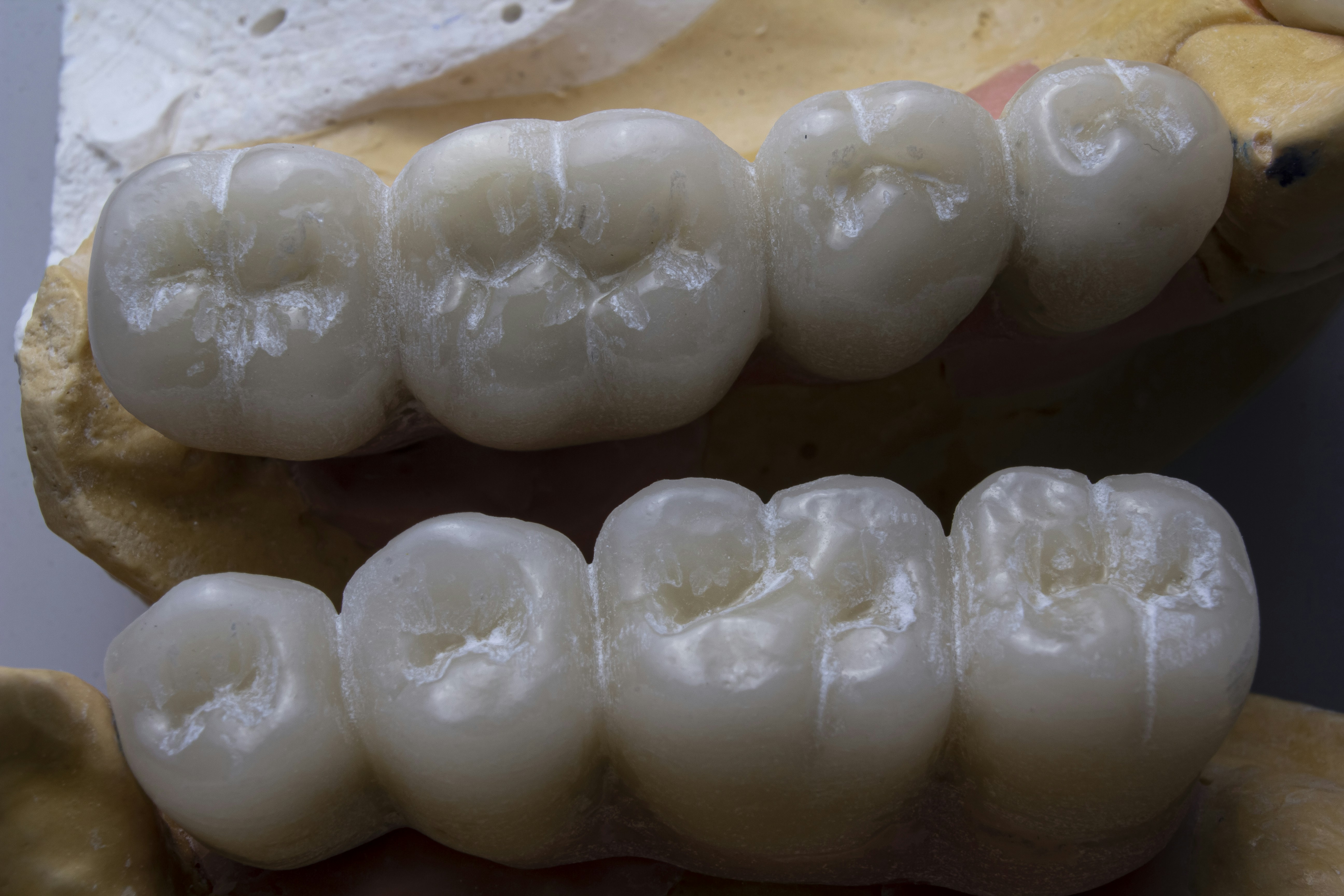
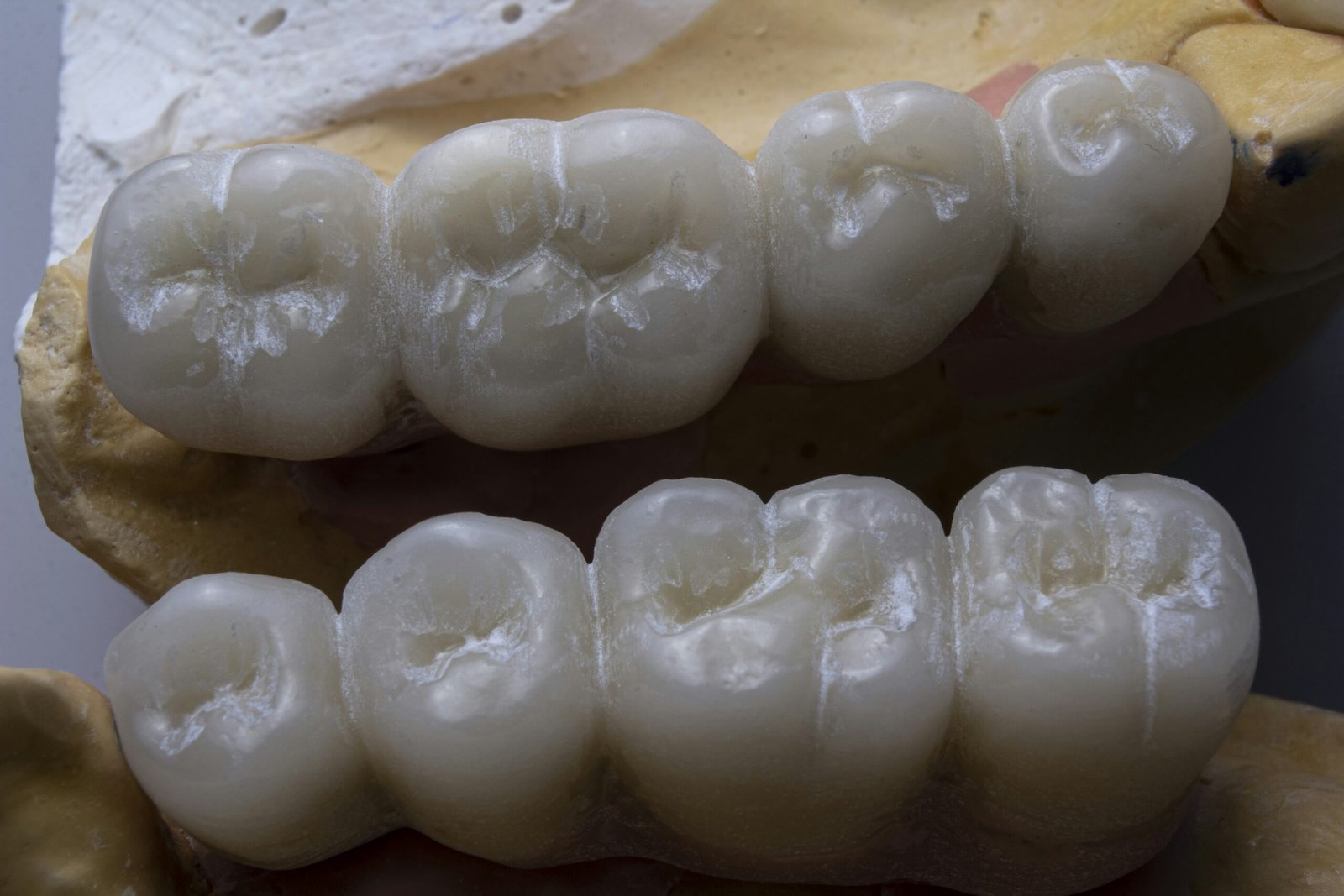
Introduction to 3D Printed Zirconia Bridge
The emergence of 3D printing technology has significantly transformed various industries, and dentistry is no exception. This innovative method allows dental professionals to create precise dental restorations, including zirconia bridges, with remarkable efficiency. Initially, the concept of 3D printing was limited to prototype development in various sectors; however, advancements have led to its widespread adoption in dental practices. This shift towards digital dentistry can be attributed to the rapid evolution of dental materials that cater specifically to the needs of 3D printing.
3D printing in dentistry involves a range of additive manufacturing techniques, primarily utilizing materials such as polymers, metals, and ceramics. Zirconia, a high-strength ceramic, has gained popularity due to its excellent aesthetic qualities and durability, making it an ideal choice for creating lifelike dental restorations. The precision offered by 3D printing ensures that patients receive individualized care, as each restoration can be tailored to fit the unique morphology of their dental structure.
The digital dentistry landscape has witnessed a surge in the adoption of computer-aided design (CAD) and computer-aided manufacturing (CAM) processes. These technologies allow for the seamless integration of imaging data, enabling dental practitioners to design and manufacture restorations with great accuracy. Furthermore, the ability to produce dental components on-site minimizes production time and enhances the overall patient experience.
As the dental field continues to embrace technological advancements, the role of 3D printing is expected to expand, offering new treatment possibilities and improved outcomes. The integration of 3D printing not only enhances the precision of dental restorations but also streamlines workflows within dental clinics. This evolution marks a significant stride towards a future where efficient, patient-centered care is at the forefront of dental practices.
What are Zirconia Bridges?
Zirconia bridges are a type of dental restoration crafted from zirconium dioxide, a durable ceramic material that has gained prominence in modern dentistry. Known for their exceptional strength and aesthetic appeal, zirconia bridges serve as an ideal solution for replacing missing teeth or providing support for dental prosthetics. Their composition consists primarily of zirconium, which is a biocompatible and non-toxic material, making it suitable for long-term use in the oral cavity.
One of the standout properties of zirconia bridges is their remarkable durability. Zirconia exhibits a high resistance to fracture and wear, enabling it to withstand the forces exerted during chewing. This strength makes zirconia bridges a preferred choice for both anterior and posterior restorations, ensuring longevity and reducing the need for frequent replacements. Furthermore, the inherent toughness of zirconia means that these bridges can effectively endure the day-to-day rigors of oral function.
Aesthetically, zirconia bridges closely mimic the appearance of natural tooth enamel. The material can be customized to match the color and translucency of surrounding teeth, providing a seamless and natural-looking restoration. This characteristic makes zirconia an excellent option for patients who are concerned about the visual aspects of their dental work. Additionally, zirconia is highly resistant to staining, which maintains the bridge’s aesthetic integrity over time.
Moreover, the biocompatibility of zirconia is another significant advantage. Patients are less likely to experience allergic reactions or adverse tissue responses, which can be a concern with some other materials used in dental restorations. In summary, zirconia bridges offer a unique combination of strength, aesthetic appeal, and biological compatibility, making them a highly desirable option in the field of contemporary dentistry.
The Benefits of 3D Printed Zirconia Bridges
In recent years, the advent of 3D printing technology has transformed various industries, and dentistry is no exception. 3D printed zirconia bridges have emerged as a prominent solution in restorative dentistry, presenting notable advantages over traditional fabrication methods. One of the primary benefits is the precise fit that these bridges offer. Traditional methods often rely on multiple manual steps, which can introduce errors; however, 3D printing utilizes digital scans to create highly accurate models, resulting in superior-fitting bridges that enhance the overall patient experience.
Moreover, the production time for zirconia bridges has substantially decreased with the introduction of 3D printing. Conventional techniques can require several visits and extended waiting periods for patients, whereas 3D printed restorations can often be completed more rapidly. This accelerated process allows practitioners to provide timely treatments, thus improving patient satisfaction and streamlining overall workflow in dental practices.
In addition to accuracy and efficiency, 3D printed zirconia bridges contribute to enhanced patient comfort. These bridges are known for their excellent biocompatibility and durability, ensuring that patients face minimal discomfort during the adjustment period. The material properties of zirconia also allow for a more natural appearance, making it an aesthetically pleasing option for patients seeking replacements for missing teeth.
From a financial perspective, the cost-effectiveness of 3D printing in the production of dental bridges cannot be overlooked. While the initial investment in 3D printing technologies may seem significant, the reduction in labor costs, material waste, and production time ultimately leads to lower prices for patients. When combined with the high quality and precision of 3D printed zirconia bridges, it becomes clear that adopting this cutting-edge technology is a practical choice for modern dental practices.
The Process of Creating 3D Printed Zirconia Bridges
The creation of 3D printed zirconia bridges involves a sophisticated, multi-step process that combines advanced technology with precise dental craftsmanship. The journey begins with digital scanning, where the patient’s dental structure is captured using intraoral scanners. This initial phase ensures that the dimensions of the teeth and gums are accurately recorded, providing a detailed digital model that serves as the foundation for the subsequent design and printing stages.
Following the scanning process, the next phase is the design of the zirconia bridge. Dental professionals utilize specialized software to create a model based on the scanned data, ensuring that the prosthetic fits seamlessly into the patient’s mouth. The design software allows for adjustments to be made, enabling customization that considers individual patient needs, such as bite alignment and aesthetic preferences. This level of precision is crucial to ensuring comfort and functionality in the final product.
Once the design is finalized, the actual printing process begins. 3D printers specifically designed for dental applications are employed to fabricate the zirconia bridge. These printers operate with high accuracy, utilizing techniques such as Stereolithography (SLA) or Digital Light Processing (DLP) to build the bridge layer by layer from a zirconia-based resin. Subsequently, the printed bridge is subjected to a sintering process, where it is heated to high temperatures to enhance the material’s strength and durability. This ensures that the final product is robust enough to withstand the demands of daily use.
Overall, the process of creating 3D printed zirconia bridges exemplifies the intersection of technology and dentistry. Each step, from scanning to design and printing, is designed to optimize precision, ultimately leading to enhanced patient outcomes and satisfaction. As technology continues to evolve, it is likely that these processes will become even more refined, paving the way for innovations in dental practices.
Comparison With Traditional Dental Bridge Fabrication Methods
When evaluating dental bridge fabrication methods, 3D printed zirconia bridges stand out for their remarkable features compared to traditional techniques. Traditional dental bridges are typically constructed using methods such as casting and milling, which, while established, can be time-consuming and labor-intensive. In contrast, the 3D printing process significantly reduces the time required for designing and fabricating dental restorations. This efficiency not only expedites treatment times but also enhances the workflow within dental practices.
Durability is another critical aspect when comparing these two methods. Traditional bridges, often made of materials such as porcelain and metal, can be susceptible to wear and discoloration over time. On the other hand, zirconia, renowned for its strength and resilience, provides a durable solution that can withstand considerable chewing forces. Additionally, the biocompatibility and natural aesthetics of zirconia contribute to its appeal for patients seeking long-lasting dental solutions.
In terms of aesthetics, zirconia bridges produced by 3D printing offer superior translucency and color matching, replicating the natural appearance of teeth more effectively than many traditional materials can achieve. This becomes particularly important for anterior bridges where visual appeal is paramount. Furthermore, the precision of 3D printing technology minimizes the chance of adjustments needed post-fabrication, thereby enhancing the overall patient experience.
Cost is a crucial factor for both providers and patients. While the initial investment for 3D printing technology can be considerable, the long-term benefits, including reduced labor costs and material waste, can lead to overall savings. Consequently, both dentists and patients may find that 3D printed zirconia bridges, despite potentially higher upfront costs, offer a more economical and efficient solution in the long run.
Future Trends in Dental Technology and 3D Printing
The evolution of dental technology, particularly in the realm of 3D printing, is expected to reshape the landscape of dental restorations significantly. As the industry advances, several trends and potential innovations are poised to further enhance the production of dental restorations, particularly 3D printed zirconia bridges.
One of the most promising advancements is the integration of artificial intelligence (AI) with 3D printing technologies. AI can facilitate the design process by analyzing patient-specific data to create customized restorations that precisely match individual anatomical requirements. This could lead to a reduction in fabrication time, enhancing efficiency while ensuring a higher level of personalization in dental care.
Moreover, the materials used in 3D printing are set to advance, with researchers exploring new composites that offer enhanced durability, strength, and aesthetics. Innovations in material science could lead to the development of zirconia with improved translucency and color-matching capabilities, making restorations more lifelike and aesthetically pleasing to patients.
Additionally, the precision of 3D printing will likely improve as technology matures. Advances in printing resolution and speed will reduce the potential for errors during the manufacturing process, minimizing the need for adjustments and rework. Consequently, dental professionals will benefit from greater reliability in the products available to them.
Furthermore, the accessibility of 3D printing technology in dental practices is expected to increase. In-house printing capabilities can facilitate quicker turnaround times for dental restorations and empower dental professionals to maintain control over quality and customization, ultimately enhancing patient satisfaction.
In summary, the future of dental technology and 3D printing is bright, with an array of emerging trends set to transform how dental restorations are produced. The integration of AI, advancements in material properties, improved precision, and greater accessibility will undoubtedly position 3D printed zirconia bridges at the forefront of dental innovations.
Challenges and Considerations in 3D Printing for Dentistry
The integration of 3D printing technology into dental practices offers numerous benefits, yet it does not come without significant challenges. One of the foremost hurdles that dental professionals face is the technical complexity associated with 3D printing processes. The technology requires not only sophisticated machinery but also an in-depth understanding of the software used for design and fabrication. Dentists must navigate various printing techniques, each with its own set of parameters and materials, which can be daunting for those unfamiliar with digital workflows.
Moreover, the effective implementation of 3D printing necessitates staff training. Dental professionals and their teams must invest significant time in learning the nuances of operating 3D printers, as well as mastering the digital design tools required for creating accurate dental bridges. This can impose an immediate challenge for busy practices, as staff may need to dedicate additional hours to professional development while balancing patient care.
Another major consideration relates to regulatory compliance. The regulatory landscape for 3D printed dental devices is still evolving, which means that practices must stay informed about the latest guidelines from governing bodies. Navigating these regulations can be complicated, yet adherence is critical to ensure patient safety and the clinical efficacy of printed products.
To overcome these obstacles, dental practices can take a proactive approach by investing in training programs for their staff and collaborating with technology partners who specialize in 3D printing solutions. Seeking guidance from industry experts and participating in workshops can facilitate a smoother transition into this innovative technology. Additionally, staying abreast of regulatory updates and aligning practice protocols accordingly can significantly mitigate risks associated with compliance.
Patient Perspectives: Acceptance of 3D Printed Bridges
The introduction of 3D printed zirconia bridges in dentistry has ushered in a significant technological advancement that reshapes patient experiences and outcomes. Many patients exhibit a growing acceptance of this innovative solution, primarily driven by the perceived benefits associated with 3D printing technology. Patients often appreciate the short turnaround time that 3D printed bridges provide, allowing them to receive their dental repairs almost immediately, reducing time spent in the dental chair. This efficiency often translates to higher overall satisfaction rates among those who have availed themselves of dental services utilizing this technology.
Despite such positive feedback, several patients express concerns regarding the longevity and durability of 3D printed zirconia bridges compared to traditional methods. Skepticism regarding how these digitally fabricated solutions hold up against everyday wear and tear remains a common topic of discussion among patients. Additionally, some patients may struggle with trust in digital processes, favoring the familiar, though it is essential to communicate the rigorous testing and quality standards involved in the manufacturing of 3D printed materials.
Moreover, those who have experienced the technology firsthand often highlight the improved aesthetics that 3D printed zirconia bridges offer. The ability to customize these dental solutions to match natural tooth color and contours enables patients to achieve a seamless smile. As awareness of the advantages of 3D printed bridges grows, it is anticipated that initial hesitancies will diminish, eventually leading to broader adoption across various demographics.
Ultimately, while challenges remain in overcoming skepticism and ensuring lasting trust in dental innovations, the patient perspective on 3D printed zirconia bridges has been largely affirmative. Positive experiences shared among patients may indeed pave the way for increased acceptance and integration of digital solutions in the dental landscape.
Conclusion: The Future Landscape of Dentistry
The introduction of 3D printed zirconia bridges represents a significant advancement in dental technology, fundamentally altering the landscape of dentistry. By merging precision engineering with materials science, this innovation not only enhances the aesthetic appeal of dental restorations but also improves their functionality and longevity. The ability to produce highly accurate dental bridges in a fraction of the time traditionally required streamlines the restoration process, thereby improving overall patient satisfaction and reducing appointment durations.
Moreover, the impact of 3D printing technology extends beyond the technical aspects of dental restorations. It fosters greater collaboration between dental professionals and dental laboratories, as the digital workflow facilitates seamless communication and reduces the chances of errors. As a result, professionals can focus on providing high-quality patient care while ensuring that treatment plans are executed more efficiently.
Patient care is notably enhanced through the customized nature of 3D printed zirconia bridges. Unlike conventional methods, which often rely on standardized measurements, this technology allows for personalized solutions that cater to individual patient needs. The high strength and biocompatibility of zirconia contribute to a more comfortable and durable solution, which can lead to improved health outcomes in the long term.
As the field of dentistry continues to evolve, the integration of advanced technologies, such as 3D printing, will likely play an increasingly integral role in shaping dental practices. This paradigm shift not only benefits dental practitioners by optimizing their workflows but also enriches the patient experience by providing tailored, quality care. In conclusion, as we look toward the future of dentistry, the transformative potential of 3D printed zirconia bridges stands out as a hallmark of innovation, promising to enhance care standards and redefine patient expectations in dental treatment.