Introduction to Dental Bonding Before and After
Dental bonding is a cosmetic dental procedure that has gained considerable popularity among patients seeking effective and quick solutions to enhance their smiles. This process involves the application of a tooth-colored resin material to repair or improve the aesthetic appearance of teeth. It is particularly beneficial for addressing common dental issues such as chips, cracks, gaps, and discoloration, thereby offering a versatile approach to smile enhancement.
The procedure of dental bonding is relatively straightforward and typically requires minimal preparation, making it an appealing option for those looking to make swift improvements to their dental aesthetics. Unlike other cosmetic procedures, such as veneers or crowns, dental bonding can often be completed in a single visit to the dentist. This efficiency allows patients to enjoy immediate results without the need for multiple appointments or extensive treatments.
Moreover, one of the primary reasons for the popularity of dental bonding among patients is its cost-effectiveness compared to other cosmetic options. The materials used in dental bonding are less expensive, making it an accessible choice for individuals who may be concerned about the financial investment often associated with other cosmetic dental treatments. Additionally, dental bonding typically requires less enamel removal than other procedures, preserving more of the natural tooth structure.
In terms of appearance, the resin material used in dental bonding can be custom-colored to match the surrounding teeth, ensuring a seamless integration into the patient’s smile. This adaptation provides a natural-looking outcome that enhances the overall aesthetic without compromising the integrity of the teeth. Overall, dental bonding serves as an excellent option for those seeking to resolve specific cosmetic issues while enjoying a straightforward, efficient, and wallet-friendly dental procedure.
The Dental Bonding Procedure: What to Expect
The dental bonding procedure is a relatively straightforward treatment aimed at enhancing the appearance of your teeth. This process typically takes between 30 to 60 minutes per tooth, making it a convenient option for those seeking quick dental improvements.
Initially, the dentist will conduct an examination of your teeth to determine whether dental bonding is suitable for your specific needs. This involves discussing your expectations and addressing any concerns. Once the assessment is complete, the tooth or teeth to be bonded will be thoroughly cleaned to ensure proper adhesion of the bonding material.
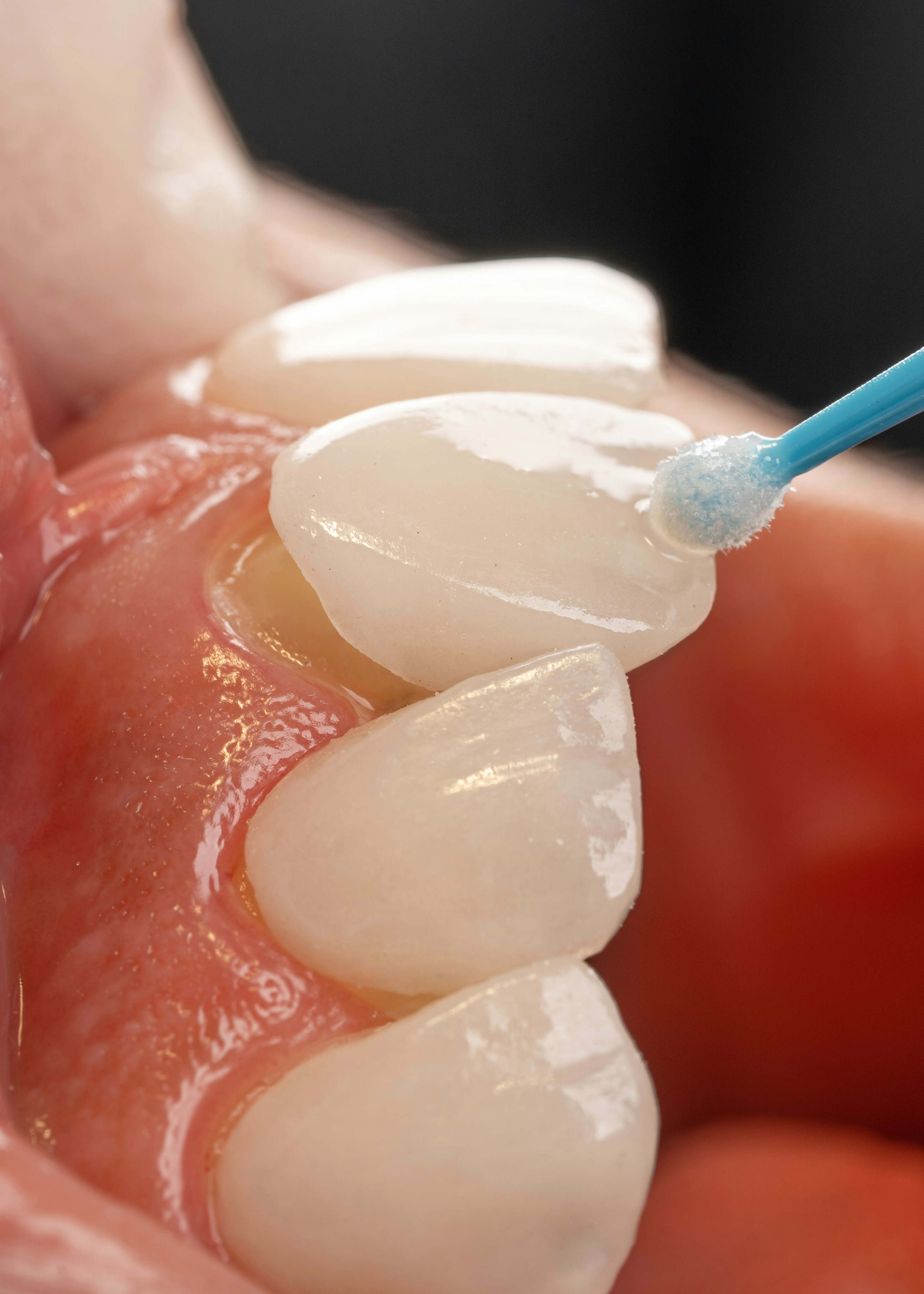
The bonding material, usually a tooth-colored resin, is then prepared and applied to the surface of the affected tooth. The dentist will mold the resin to achieve the desired shape, effectively masking imperfections such as cracks or gaps. A special light is then utilized to harden the resin quickly, ensuring it adheres firmly to the tooth.
After the resin has set, the dentist will refine the shape and smooth out any rough edges, making the newly bonded area blend seamlessly with the surrounding teeth. In some cases, the bonding may also extend to polishing the surface, enhancing its aesthetic appeal and making it more natural in appearance.
Before undergoing the procedure, patients should maintain clear communication with their dentist regarding any allergies or sensitivities to dental materials. This ensures that the most appropriate substances are used during the bonding process. The dentist’s expertise plays a critical role in determining the best approach to dental bonding, which can lead to lasting results and improved confidence in one’s smile.
Dental Bonding Before and After real results
Dental bonding is a popular cosmetic dental procedure that can drastically transform a patient’s smile. By using a tooth-colored resin, dentists are able to address common aesthetic issues such as gaps between teeth, chips, and discoloration. Showcasing real before-and-after images of patients who have undergone this procedure illustrates the dramatic improvements achievable through dental bonding.
For instance, patients with noticeable gaps in their teeth often report feeling self-conscious about their smiles. After dental bonding, these gaps are filled seamlessly, resulting in a more cohesive and attractive appearance. One patient reported that their confidence increased significantly after undergoing this treatment, stating that they felt more inclined to smile broadly in social situations.
Chips in teeth can also be effectively repaired with dental bonding. The resin used in this procedure can be sculpted to match the natural contours of the tooth, providing an imperceptible fix. One testimonial highlights how an individual with a chipped front tooth experienced an immediate boost in self-esteem and satisfaction post-treatment, feeling that their smile now aligned with their self-image.
Additionally, discoloration is another concern that many individuals face. Dental bonding can help to mask stains, offering a bright and uniform aesthetic. Patients have noted that after their bonding treatments, people started complimenting their smiles, reinforcing their satisfaction with the results. The joy and relief expressed in these testimonials underscore the effectiveness of dental bonding in enhancing smiles.
To sum up, the Dental Bonding Before and After real results of speak volumes about its ability to transform smiles and boost patient confidence. Through addressing issues such as gaps, chips, and discoloration, dental bonding provides both aesthetic improvements and a significant positive impact on personal self-esteem and happiness.
Ideal Candidates for Dental Bonding
Dental bonding is a versatile cosmetic dentistry procedure designed to enhance the appearance of teeth through the application of a tooth-colored resin. It is particularly beneficial for individuals experiencing specific dental challenges that warrant aesthetic improvement. Ideal candidates for dental bonding typically present with minor cosmetic issues such as chipped teeth, surface stains, or gaps between teeth. These patients often seek a quick and non-invasive solution to improve their smiles.
Beyond the type of dental imperfections, suitable candidates for this procedure usually maintain good oral health. Patients with healthy gums and no significant decay or periodontal disease are more likely to achieve successful outcomes following dental bonding. It is essential that candidates possess realistic expectations regarding the results of the treatment, understanding that while it can dramatically enhance their smile, it may not be suitable for severe imperfections or extensive dental damage.
Furthermore, individuals considering dental bonding should be aware of the importance of oral hygiene in sustaining the longevity of the results. Candidates who are committed to maintaining a rigorous oral hygiene routine, including regular brushing, flossing, and dental check-ups, are more likely to enjoy lasting benefits from the treatment. Conversely, habits such as excessive smoking, or poor dietary choices may impede the effectiveness of dental bonding and lead to discoloration or damage over time.
While dental bonding serves as an excellent solution for many, it may not be suitable for everyone. Patients with extensive decay requiring crowns or those with major alignment issues might find alternative procedures, such as veneers or orthodontics, to be more effective solutions for their dental needs. Understanding these factors is crucial in determining the appropriateness of dental bonding as a transformative dental treatment.
Cost of Dental Bonding: What You Need to Know
The cost of dental bonding can vary significantly based on multiple factors, including the complexity of the procedure and geographic location. Generally, patients can expect to pay between $300 and $600 per tooth for dental bonding. This price range reflects the average costs associated with straightforward procedures, although more extensive repairs may incur additional expenses.
One of the primary factors impacting the overall cost of dental bonding is the complexity of the procedure itself. For instance, repairing a small chip may require less time and fewer materials compared to addressing larger cavities or significant cosmetic changes. Consequently, more elaborate treatments can lead to higher costs. Moreover, the skill level and experience of the dental professional can also affect pricing. Experienced dentists may charge more, but they also offer the benefit of a higher quality of care and better results.
Geographic location also plays a crucial role in determining the cost of dental bonding. For instance, urban areas may have higher dental prices due to increased demand and overhead costs. Conversely, dental practices in rural regions might offer more competitive rates. Therefore, it is advisable for patients to research local dental practices to understand average costs in their area.
Insurance coverage for dental bonding can vary; some plans may partially cover the treatment if it is deemed medically necessary, while others may not provide any coverage for cosmetic procedures. Patients are encouraged to consult with their insurance providers to clarify their coverage. Additionally, many dental offices offer financing options to make dental bonding more accessible. Payment plans can help patients manage costs effectively, easing the financial burden associated with this cosmetic enhancement.
Aftercare for Dental Bonding
After undergoing dental bonding, proper aftercare is vital to ensure the longevity and effectiveness of the treatment. This includes maintaining a diligent oral hygiene routine, making mindful dietary choices, and being aware of potential issues that may arise post-procedure. By following these guidelines, individuals can enhance the benefits of dental bonding.
Oral hygiene is paramount for the maintenance of bonded teeth. Patients should brush their teeth at least twice a day using a soft-bristled toothbrush and fluoride toothpaste. Daily flossing is also essential to remove plaque and food particles that brushing may miss. Additionally, individuals should consider using an antibacterial mouthwash to further minimize bacteria in the oral cavity, which can help protect bonded surfaces.
In terms of dietary recommendations, it is advisable to avoid certain foods and drinks that may pose a risk to the bonded area, particularly in the initial days following treatment. Sticky candy and hard foods can chip or dislodge bonding material. Similarly, staining substances such as coffee, red wine, and tobacco should be consumed cautiously, as they can affect the appearance of the bonding. Opting for softer, non-staining foods for the first few days can support recovery.
Patients should remain vigilant for any signs of issues post-treatment, such as discomfort, sensitivity, or changes in color. If any concerns arise, it is crucial to contact a dentist promptly. Regular follow-up appointments should be scheduled, allowing the dentist to monitor the condition of the bonding and recommend any necessary adjustments. These visits provide an opportunity to discuss any concerns and ensure that the dental bonding remains intact and effective. Ultimately, adhering to these aftercare tips plays a significant role in the success of dental bonding.
Comparing Dental Bonding with Other Cosmetic Options
When considering cosmetic dental procedures, it is essential to evaluate the various options available, including dental bonding, veneers, and crowns. Each method provides unique benefits and limitations, ultimately influencing the choice based on individual needs and circumstances.
Dental bonding is often preferred for its minimally invasive technique and affordability. This procedure involves the application of a tooth-colored composite resin to correct chips, gaps, or discoloration. One of the main advantages of dental bonding is its low cost; typically, it is significantly less expensive than veneers and crowns, making it accessible to a broader range of patients. However, dental bonding is also known for its relatively shorter lifespan, generally lasting between three to ten years compared to other options.
In contrast, veneers are thin shells made from porcelain or composite resin that are custom-fitted to the front of the teeth. While veneers can offer a more natural appearance and greater resistance to staining, they usually come with a higher price tag and require more extensive tooth preparation than bonding. Their longevity is notable, as they can last over a decade with proper care, often providing a more durable solution than dental bonding.
Another common option is crowns, which encase the entire tooth for protection and restoration. Crowns are particularly beneficial for teeth that are severely cracked, broken, or have undergone root canal therapy. However, crowns involve considerable tooth reduction and are more expensive than both dental bonding and veneers, boasting a lifespan of 10 to 15 years or more depending on material used and oral hygiene maintenance.
Each cosmetic procedure has its merits, and a thorough discussion with a dental professional can help determine the most appropriate option tailored to individual goals and oral health status.
Common Misconceptions about Dental Bonding
Dental bonding, a versatile cosmetic dentistry procedure, is often surrounded by various misconceptions that may lead to hesitation in considering it as a treatment option. One prevalent myth is that the materials used in dental bonding are fragile. Contrary to this belief, modern bonding materials, mainly composite resins, are engineered for durability. They can withstand normal chewing pressures and are resistant to staining, making them a practical choice for enhancing both smile aesthetics and functionality.
Another common misunderstanding pertains to the appearance of bonded teeth. Many believe that bonded teeth will look artificial or mismatched. However, skilled dentists can expertly blend the bonding material with the natural color of the patient’s teeth, ensuring a seamless appearance. This customization allows patients to achieve a smile that not only looks natural but also enhances their overall facial aesthetics.
Additionally, potential patients may experience anxiety over the dental bonding procedure itself. A frequent concern is the pain associated with the application of dental bonding. It is important to note that the bonding process is typically painless and often does not require anesthesia unless it is used in conjunction with other oral procedures. The procedure itself is swift and can often be completed in a single visit, which further contributes to its appeal.
Lastly, some individuals assume that dental bonding is a long-term solution that will never need replacement. While bonding is a durable solution, it is not invincible. Over time, wear and tear can occur, necessitating repairs or replacements. Understanding these aspects can help manage expectations and encourage informed decisions regarding dental bonding.
Conclusion and Next Steps
Dental bonding stands as a highly effective cosmetic solution for various dental imperfections. As we have discussed, this procedure can greatly enhance the aesthetic appearance of your teeth by addressing issues such as chips, gaps, or discoloration. One of its main advantages is the ability to achieve immediate improvement in the smile, which has a significant impact on a person’s confidence and self-esteem.
Moreover, dental bonding is generally a quicker and more cost-effective alternative when compared to other cosmetic procedures like veneers or crowns. This makes it a compelling option for many individuals seeking to transform their smiles without the complexity and expense often associated with more invasive procedures. However, while dental bonding offers numerous benefits, it is crucial to recognize that results may vary based on individual circumstances.
For those contemplating dental bonding, the first step is to schedule a consultation with a qualified dental professional. During this appointment, you will have the opportunity to discuss your concerns, aesthetic goals, and any specific requirements related to your oral health. A thorough examination and personalized advice will help determine if dental bonding is the right solution for you.
In addition, your dentist will guide you through the entire process, including discussing the expected duration of the procedure, aftercare tips, and how dental bonding may fit into your overall dental care plan. By taking these steps, you can be better prepared to move forward with your smile transformation journey.