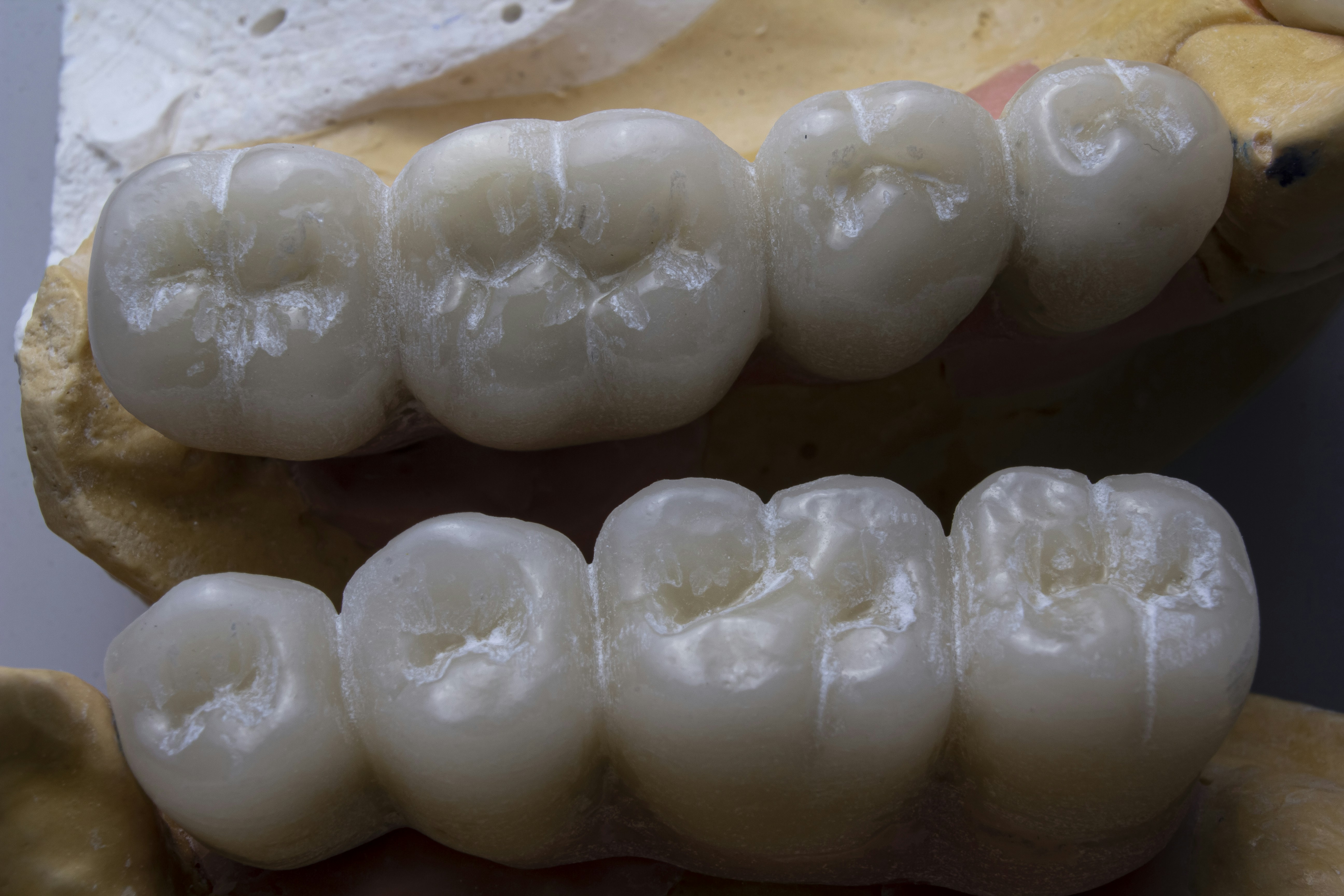
Introduction to Zirconia Bridge for Smoker
Zirconia Bridge for Smokers represent a significant advancement in dental restoration, providing an effective solution for individuals experiencing tooth loss. These innovative dental appliances are crafted from zirconium dioxide, a highly durable ceramic material known for its strength and aesthetic appeal. Zirconia bridges are implemented to replace one or more missing teeth, restoring not only oral functionality but also the natural appearance of the smile.
The primary function of zirconia bridges is to support dental crowns or prosthetic teeth, anchoring them securely to adjacent healthy teeth or dental implants. This method of restoration mimics the natural structure of teeth, as zirconia can be sculpted and colored to match the patient’s existing dentition. Moreover, the biocompatibility of zirconia minimizes the risk of allergic reactions, making it a suitable option for a wide range of individuals, including smokers who may have additional considerations regarding their dental health.
One notable benefit of zirconia bridges is their resistance to wear and staining, an essential feature for smokers who may experience accelerated discoloration of dental materials due to tobacco use. The density of zirconia also contributes to superior strength, allowing these bridges to endure the forces of chewing without compromising their structural integrity. Furthermore, unlike traditional metal-fused ceramics, zirconia bridges eliminate the risk of metal visibility, providing a more natural appearance in the mouth.
As individuals with tooth loss consider their options for dental restoration, understanding the functionality and advantages of zirconia bridges is crucial. They not only offer aesthetic benefits but also promote overall oral health through improved dental functionality. This introduction sets the stage for a deeper exploration of zirconia bridges in the context of dental care, particularly for smokers who face unique challenges in maintaining their oral hygiene.
The Impact of Smoking on Dental Health
Smoking has long been recognized as a significant risk factor for various health complications, and its effects on oral health are particularly concerning. Individuals who smoke are more susceptible to oral diseases, including periodontal disease, which is the leading cause of tooth loss among adults. The chemicals in tobacco smoke contribute to the inflammation of the gums and can lead to the destruction of the supporting structures of the teeth.
Periodontal disease is not only a cosmetic issue but poses serious health risks. Smokers exhibit a decreased immune response, resulting in a diminished ability to fight infections in the mouth. This compromised immunity can exacerbate the severity of periodontal disease, making it harder to manage and treat. Therefore, smokers may find themselves in need of dental solutions such as zirconia bridges more frequently due to the progressive nature of their oral health deterioration.
Moreover, smoking can significantly interfere with the healing process post-dental procedures. Research has shown that smokers experience delayed healing times, making events such as tooth extractions or implant placements more complex and risky. The existence of nicotine in cigarettes constricts blood vessels, leading to reduced blood flow and thereby hindering recovery. As a result, the overall success rate of dental procedures is negatively impacted, which can further necessitate restorative work like bridges.
The habit of smoking also leads to aesthetic concerns, including tooth discoloration and bad breath, which can detract from an individual’s confidence and quality of life. This emphasizes the need for smokers to be aware of the risks associated with their habit and seek regular dental care to monitor and mitigate the impact of smoking on their oral health. In essence, smokers face unique challenges that may significantly influence their decisions regarding dental care and restorative treatment options.
Can Smokers Get Zirconia Bridges?
When considering dental restorations such as zirconia bridges, individuals who smoke may wonder about their eligibility for this treatment. Dentists assess various factors before determining if a smoker is a suitable candidate for zirconia bridges. One of the primary considerations is the smoking habits of the patient, as smoking can significantly affect oral health.
Smokers are at an increased risk for several dental issues, including gum disease and tooth loss, which can complicate the placement of dental restorations. Therefore, it is essential for the dentist to evaluate the extent of any existing oral health problems prior to proceeding with treatment. An examination may include checking for gum condition, bone density, and the overall health of adjacent teeth where the zirconia bridges will be anchored.
Furthermore, the healing process after dental work is crucial. Smoking can impair healing due to the reduced blood flow and oxygen levels that occur during the act of smoking. Dentists often advise patients to quit smoking or at least reduce their smoking habit before and after the placement of zirconia bridges to enhance the healing process and promote better long-term outcomes.
Ultimately, while smokers can receive zirconia bridges, their candidacy depends on their oral health status and commitment to improving their habits. Patients may also need to undergo preparatory treatments to ensure that their mouth is in optimal condition for the placement of zirconia bridges. This holistic approach not only facilitates a successful dental restoration but also contributes to a healthier lifestyle for smokers seeking to enhance their oral care.
Zirconia bridges have emerged as a popular choice for dental restoration due to their biocompatibility, aesthetic appeal, and durability. However, when considering the success rates of zirconia bridges in smokers, it becomes essential to scrutinize how smoking impacts the longevity and effectiveness of these dental solutions. Research indicates that smokers experience higher failure rates and complications with dental restorations than non-smokers. Various studies have attempted to quantify these differences.
A notable research study published in the Journal of Prosthetic Dentistry has found that the success rate of zirconia bridges can be significantly lower in smokers, with estimates suggesting an approximate 10-20% decrease in success rates compared to non-smokers. This reduced success can be attributed to the adverse effects of smoking on oral health, including impaired healing, increased bone loss, and higher susceptibility to periodontal disease. Smokers are more likely to experience complications such as marginal bone loss around dental implants, which can adversely affect the integrity of a zirconia bridge.
Another investigation involving long-term follow-up of zirconia bridge patients revealed that smokers had a higher incidence of prosthetic complications such as fracture and failure. They reported that while the overall success rate for zirconia restorations stands at around 95% for non-smokers, this figure drops to approximately 75% for those who smoke. Various factors contribute to this disparity, including the biological impacts of nicotine and other chemicals that impair the body’s natural healing processes.
It is essential for individuals who smoke to discuss their habits with their dental professional before proceeding with zirconia bridges. Understanding the specific risks and modifying behaviors when possible could lead to improved outcomes and better long-term success rates for dental restorations.
Cleaning and Maintenance Tips for Zirconia Bridges
Maintaining zirconia bridges, especially for smokers, requires diligent cleaning practices to prevent plaque buildup and staining, which can be exacerbated by tobacco use. To ensure the longevity and appearance of zirconia dental restorations, thorough daily care is essential.
Firstly, brushing your teeth at least twice a day is crucial. Use a soft-bristled toothbrush along with a non-abrasive fluoride toothpaste. This combination effectively removes food particles and plaque without damaging the zirconia surface. For smokers, incorporating an anti-tartar toothpaste can be particularly beneficial, as it may help minimize the formation of deposits associated with tobacco.
In addition to regular brushing, daily flossing is imperative. Utilizing dental floss or interdental brushes can help clean the spaces between your teeth and around the zirconia bridge, where a toothbrush may not reach. Special attention should be paid to these areas, as plaque accumulates easily and can lead to periodontal issues if neglected. Tools such as floss threaders can assist in maneuvering the floss around the bridge more effectively.
Rinsing with an antibacterial mouthwash is another vital step. It helps to reduce oral bacteria and can target any lingering tobacco residues. Opt for alcohol-free mouthwash to avoid drying out the mouth, which can happen with alcoholic variants. Additionally, consider incorporating a water flosser into your dental routine. This device can provide a gentle yet effective means of flushing out debris and plaque from hard-to-reach areas.
Periodically, professional cleanings by a dental hygienist are advised to maintain your zirconia bridges. During these visits, your dentist can check for signs of wear, plaque buildup, and any other concerns. Overall, combining these practices helps ensure that your zirconia bridge remains clean and functional, even for those who smoke.
Long-Term Outlook for Smokers with Zirconia Bridges
For individuals who smoke and are considering or currently using zirconia bridges, the long-term outlook requires careful consideration of several factors. Zirconia, known for its durability and aesthetic qualities, can be an effective solution in restorative dentistry. However, the impact of smoking on oral health and bridge longevity cannot be overlooked.
Smokers often face an elevated risk of periodontal disease, which can jeopardize the stability of dental restorations like zirconia bridges. The inflammatory response initiated by smoking can lead to gum issues, potentially undermining the support structures for the bridges. Therefore, it is crucial for smokers to maintain a stringent oral hygiene routine, including regular brushing, flossing, and the use of antibacterial mouthwash, to mitigate these risks.
Lifestyle adjustments can greatly enhance the longevity of zirconia bridges for smokers. Quitting smoking is the most effective change one can make to improve oral health. Those who continue smoking should at least consider reducing their cigarette consumption as a step towards better oral care. Additionally, incorporating a balanced diet rich in vitamins and minerals can aid in supporting oral health and tissue healing.
Regular dental check-ups are vital for smokers with zirconia bridges. These visits allow for professional evaluations of oral health, early detection of potential issues, and necessary adjustments to the prosthetics. Dentists can provide tailored advice that considers the unique challenges smokers face, ensuring the bridges remain in optimal condition.
In essence, while zirconia bridges offer a resilient and attractive dental solution, smokers must be prepared to engage in robust oral care routines and lifestyle changes to ensure their long-term success and maintain overall oral health.
Alternatives to Zirconia Bridges for Smokers
For smokers who may not be ideal candidates for zirconia bridges due to potential complications with healing and oral health, various alternatives exist for dental restoration. Understanding these options can help individuals make informed decisions that cater to their unique needs.
One common alternative is porcelain-fused-to-metal (PFM) bridges. These bridges combine the strength of metal with the aesthetic appeal of porcelain, making them a popular choice for many patients. PFM bridges can effectively mimic the appearance of natural teeth while providing considerable durability. However, one downside is that the metal base, which can be prone to corrosion over time, may show through the porcelain, potentially affecting aesthetics.
Another option is resin-bonded bridges, also known as Maryland bridges. These consist of a false tooth supported by metal wings that attach to adjacent teeth. They are less invasive and do not require the grinding down of neighbored teeth. This option is generally quicker to place and can be a suitable choice for front teeth. However, they are not as durable as traditional bridges and may not be suitable for areas with high chewing pressure.
Dental implants offer a more permanent solution for tooth replacement. Implants involve surgically placing a titanium post into the jawbone, which acts as a root for a replacement tooth. This method often yields excellent results in terms of functionality and appearance. However, smokers may face longer healing times and a higher risk of implant failure. Additionally, the cost of implants can be significantly higher than that of bridge systems.
Ultimately, smokers should consult with their dental professionals to explore these alternatives to zirconia bridges and determine the best course of action based on their oral health and lifestyle factors.
Consulting Your Dentist: Questions to Ask
When considering zirconia bridges, especially as a smoker, it is essential to engage in an informative dialogue with your dentist. Start by asking about the suitability of zirconia bridges for your situation. Given that smoking can impact oral health, inquire whether this type of restoration will meet your needs while considering your habits.
Another crucial question is regarding the longevity of zirconia bridges specifically for smokers. Ask your dentist about expected lifespan and durability under the conditions that arise from smoking. Understanding how tobacco use might affect the performance of the bridge over time will help you weigh the pros and cons.
Additionally, it is advisable to explore the alternatives available. Ask your dentist about whether other materials or types of restorations may be more advantageous for someone with your lifestyle. They can provide insight into options such as porcelain-fused-to-metal or all-ceramic bridges, and how each may perform differently in smokers.
Furthermore, discussing the maintenance needs of zirconia bridges is crucial, particularly in the context of smoking. Ask about the cleaning protocols and follow-up care required to ensure longevity and aesthetic quality. Understanding how your habits may necessitate more rigorous oral care routines is essential.
Lastly, do not hesitate to ask about the risks associated with zirconia bridges for smokers. Your dentist can explain potential complications and the importance of maintaining regular dental check-ups to monitor the health of both your bridges and overall oral condition.
Conclusion: Making Informed Dental Choices as a Smoker
In summary, the discussion around zirconia bridges for smokers underlines significant considerations that must be taken into account when making dental choices. Smokers may experience unique challenges regarding oral health, including increased risks of gum disease and dental decay, which can complicate the efficacy and longevity of dental prosthetics like zirconia bridges. However, the material’s durability and aesthetic appeal make it an attractive option for many, including those who smoke.
The benefits of zirconia bridges include their strong resistance to wear and tear, as well as their capacity to mimic the color and translucency of natural teeth, which is vital for those concerned about maintaining a confident smile. Nonetheless, it is crucial for smokers to be aware of the potential for discoloration and the necessity of incorporating diligent oral hygiene practices. Regular dental check-ups and cleanings can help mitigate some of the adverse effects that smoking has on oral health.
Ultimately, making informed decisions regarding dental care involves acknowledging the unique intersection of smoking and oral health. Smokers should weigh the advantages and challenges presented by zirconia bridges and consider their overall oral health status. By actively engaging in preventive care, including quitting smoking and seeking regular dental evaluations, smokers can enhance their dental outcomes. Therefore, a proactive approach, encompassing education and communication with dental health professionals, is fundamental to optimizing one’s dental health as a smoker.